Did you know that leftover pizza can be a delightful treat, but how long can you actually keep it in the fridge before it becomes unsafe to eat? Understanding how long pizza lasts in the fridge is essential not only for minimizing food waste but also for ensuring your family’s safety. Leftover pizza can remain delicious for a few days if properly stored, but there are specific timeframes and reheating tips that every pizza lover should know.
In this guide, we’ll explore the ideal storage conditions for pizza, how to recognize when it’s past its prime, and safe reheating methods to enjoy your slices at their best. Whether you’re saving pizza from a party or enjoying a weeknight dinner, we’ll equip you with the knowledge you need to make informed decisions about your leftovers. Let’s dive in to ensure each slice is as enjoyable as the first!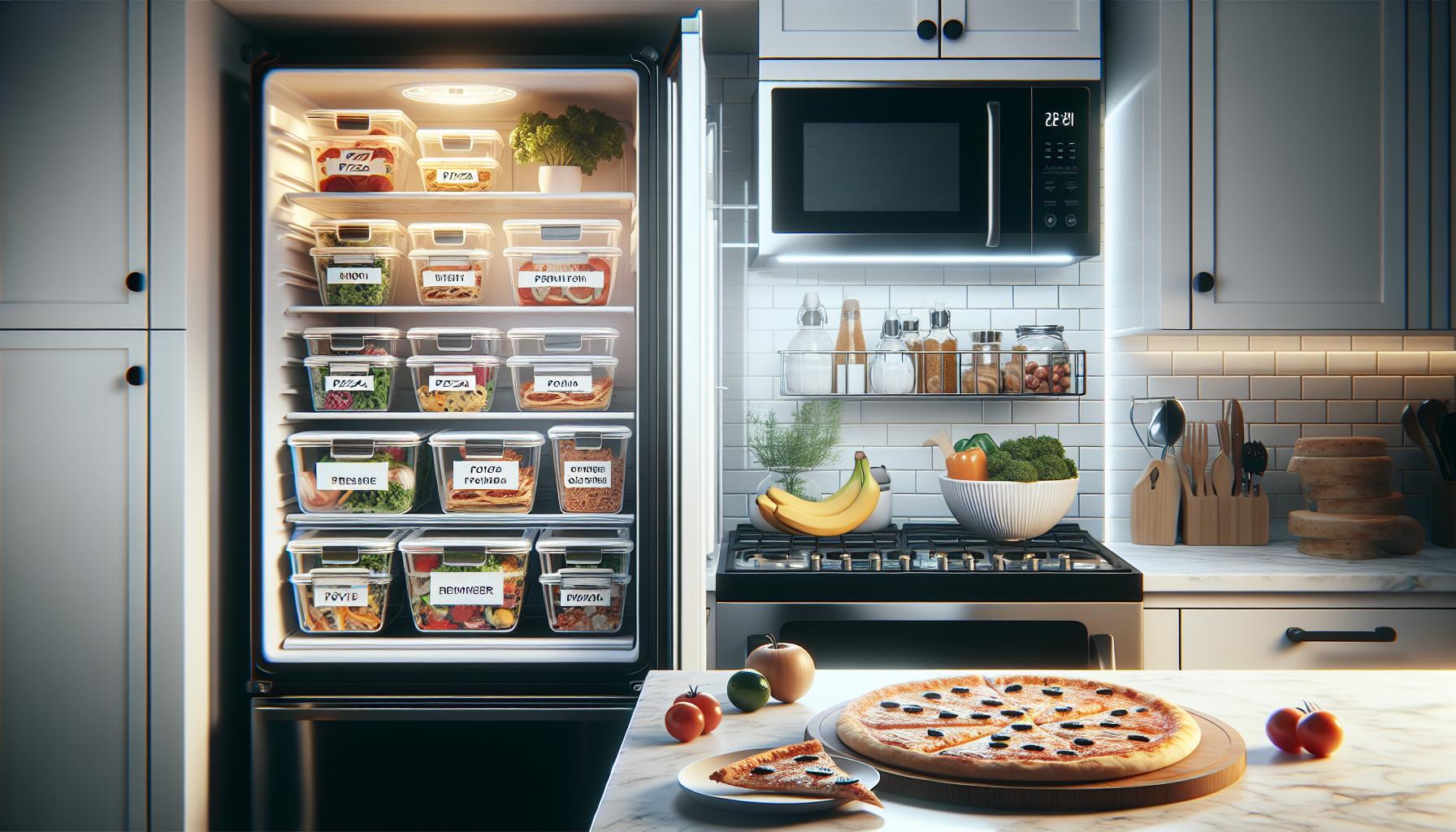
How Long Does Pizza Last in the Fridge?
When it comes to enjoying those delicious leftovers, knowing how long pizza lasts in the fridge is essential for both taste and safety. Generally, pizza can be safely stored in the refrigerator for about 3 to 4 days. This timeframe is crucial because after this period, bacteria can begin to grow, increasing the risk of foodborne illness. To keep your pizza at its best, it’s important to store it properly right after you’re done enjoying your meal.
To maximize freshness, it’s advisable to refrigerate pizza at or below 40°F (4°C). Placing your leftover pizza in an airtight container or tightly wrapping it in aluminum foil or plastic wrap can help protect it from drying out and absorbing odors from other foods. If you notice that your pizza is sitting in the fridge for more than a few days, consider freezing it instead; this can extend its lifespan for several months.
Always use your sense of smell and sight when assessing leftover pizza. If there’s any visible mold or the pizza emits an off odor, it’s best to err on the side of caution and discard it. By following these guidelines, you can safely enjoy your pizza leftovers while still getting that freshly baked taste.
Understanding the Ideal Pizza Storage Temperature
Proper pizza storage is key to enjoying those delicious leftovers while maintaining food safety. The ideal temperature for storing pizza is at or below 40°F (4°C). Keeping your refrigerator at this temperature can significantly slow the growth of bacteria that can lead to foodborne illnesses. This is particularly important because pizza contains perishable ingredients like cheese and meats that can spoil quickly if not stored properly.
To ensure your pizza stays at its best, consider using airtight containers or tightly wrapping the slices in aluminum foil or plastic wrap. This will help protect the pizza from drying out and minimize the absorption of odors from other foods in your refrigerator. If you are unsure about the temperature of your fridge, it’s helpful to use a refrigerator thermometer; this ensures that your leftovers are stored in a safe environment.
Remember, the danger zone for food storage is between 40°F and 140°F (4°C to 60°C), where bacteria can multiply rapidly. Thus, it is crucial to get your pizza in the fridge soon after it’s been served, ideally within two hours of cooking. By following these storage tips, you can enjoy your pizza for 3 to 4 days in the refrigerator while ensuring that it remains both safe and delicious.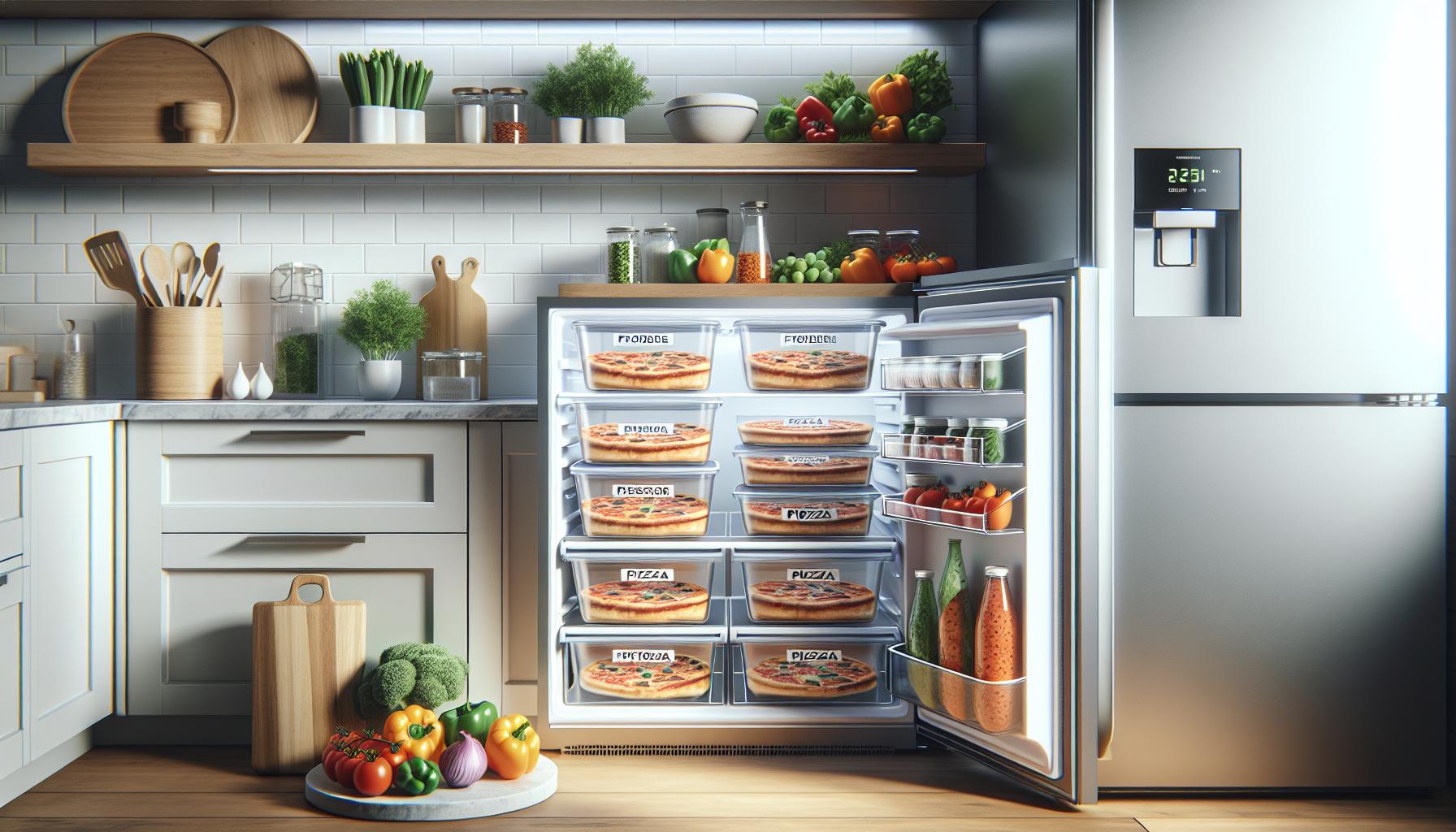
Signs Your Leftover Pizza Has Gone Bad
Leftover pizza can be a delightful treat, but it’s essential to know when it has turned from delicious to dangerous. Recognizing the signs that your pizza has gone bad is crucial for ensuring food safety and preventing foodborne illnesses. A few telltale indicators can help you determine whether your slices are still safe to eat or if it’s time to toss them out.
One of the most noticeable signs is a change in appearance. If you spot any mold-whether green, white, or black-it’s a sure sign that your pizza is no longer edible. Mold can develop rapidly on perishable foods, particularly in a damp environment, so inspect your slices carefully before considering them for a meal. Additionally, look for excessive drying out or hard edges, which can indicate that your pizza has been in the fridge longer than the recommended 3 to 4 days.
Another critical factor is the smell. If your pizza emits an unpleasant or sour odor, it’s best to err on the side of caution and discard it. Fresh pizza has a delightful aroma from the cheese and toppings, so any off-putting scent is a warning sign that harmful bacteria may have started to grow.
Lastly, texture is an important aspect to consider. If your pizza feels slimy or significantly different from when it was first stored, it’s best to avoid it. A slippery texture can result from bacterial growth, which poses health risks. Trust your senses: if something seems off, it’s always safer to throw it away rather than take the risk.
By keeping these signs in mind, you can make informed decisions about your leftover pizza, ensuring that your meals remain both enjoyable and safe.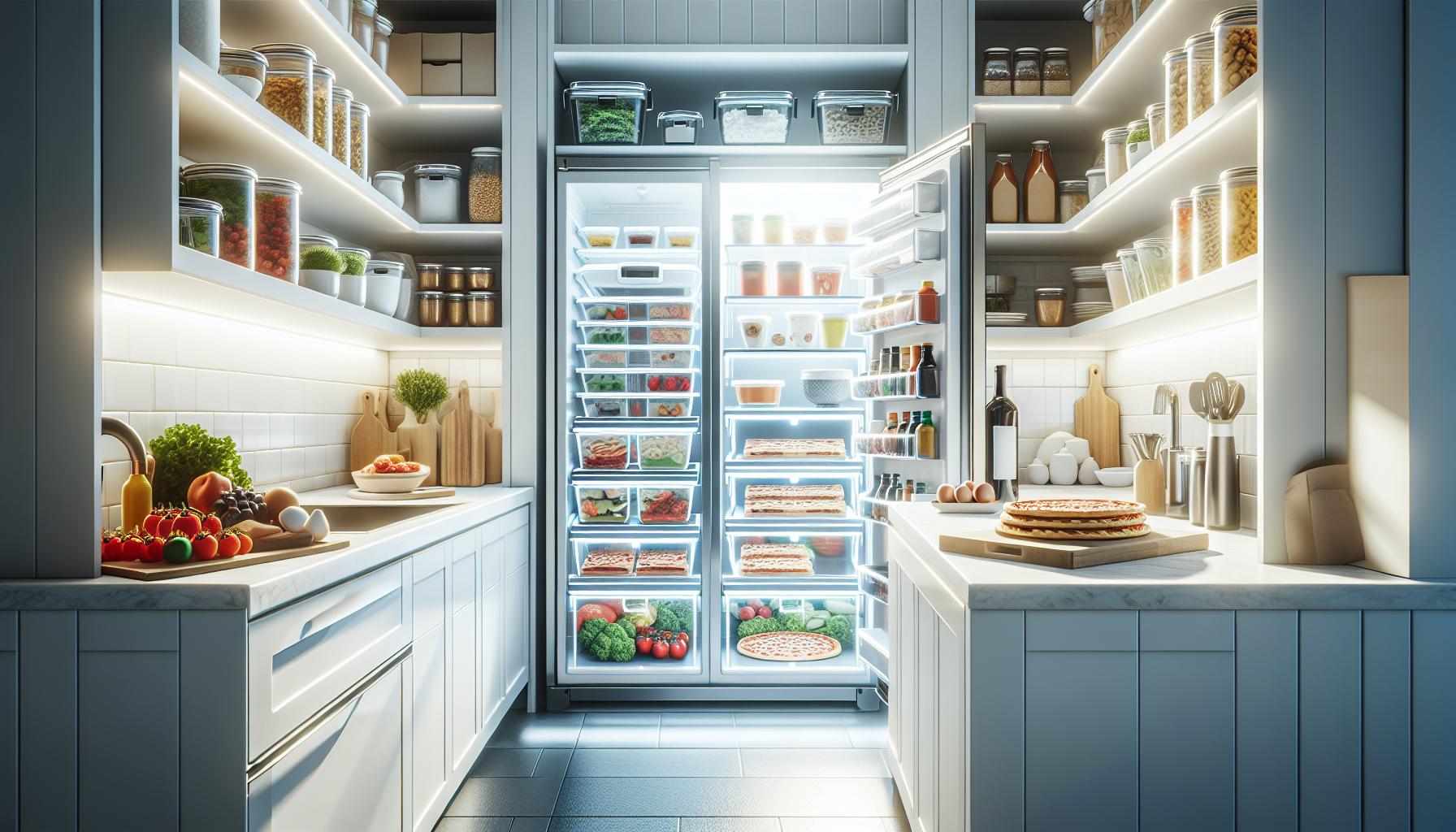
Best Practices for Storing Pizza to Maximize Freshness
To preserve the mouthwatering goodness of your pizza for as long as possible, following the right storage practices is essential. While it’s tempting to toss leftover slices in the fridge without a second thought, how you store them can impact their taste and texture when you’re ready to enjoy them again. Properly stored, pizza can last up to 3 to 4 days in the refrigerator, but only if you follow some straightforward guidelines.
Start by allowing your pizza to cool to room temperature before wrapping it. This prevents moisture from building up inside the packaging, which can lead to soggy crusts. Use airtight containers or wrap each slice tightly in plastic wrap or aluminum foil. For added protection, consider placing a paper towel inside the container to absorb excess moisture. If you accumulated multiple slices, a freezer-safe bag is also an excellent option; just make sure to remove as much air as possible to reduce freezer burn if you’re planning to store for a longer period.
Another key aspect is temperature management. Ensure your refrigerator is set to 40°F (4°C) or below. It’s advisable not to leave pizza at room temperature for more than two hours, as bacteria can multiply rapidly in the danger zone between 40°F and 140°F (4°C and 60°C). For longer-term storage, consider freezing your pizza, which can keep it fresh for up to three months. Just remember to label the package with the date, so you stay on top of how long it’s been stored.
By adhering to these best practices, you’ll maximize the freshness of your pizza, giving you the confidence to enjoy those leftover slices with the same satisfaction as when they were first served. After all, nothing beats the joy of indulging in a favorite pizza, even days later, as long as it’s stored right!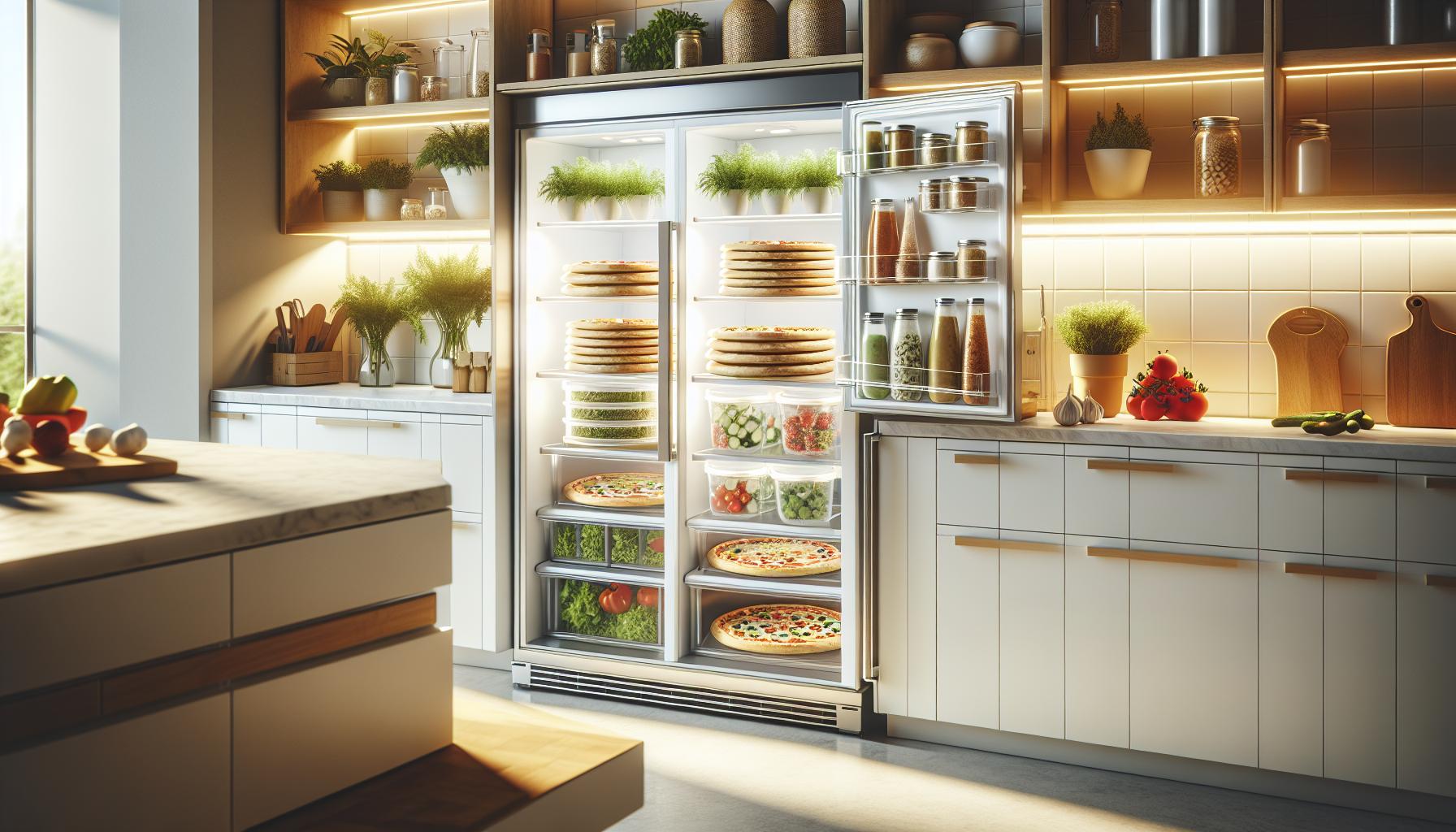
Safe Reheating Methods for Delicious Leftover Pizza
To truly enjoy leftover pizza, reheating it properly is crucial for preserving its deliciousness. While cold pizza has its fans, a warm slice boasts a reinvigorated crust, melty cheese, and vibrant toppings that can enhance the overall eating experience. However, reheating isn’t just about taste; it’s also essential for food safety, ensuring that your pizza is warmed to a safe temperature to prevent any potential foodborne illnesses.
One of the best methods for reheating pizza is using an oven. Preheat your oven to 375°F (190°C) and place the pizza slices directly on the rack or on a baking sheet. This allows for even heating, ensuring that the crust regains its crispness while the toppings warm up. Bake for about 10 minutes, or until the cheese is bubbly and the crust is hot. If you want to avoid drying out the pizza, you can cover it with aluminum foil for the first half of the reheating time, and then remove it to crisp up the crust.
For those who prefer a quicker method, a stovetop can also work wonders. Heat a skillet over medium heat and place the pizza slice in the pan. To help the cheese melt evenly, add a few drops of water to the skillet and immediately cover it with a lid. This creates steam, which warms the toppings without sacrificing the crust’s texture. Heat for about 5-8 minutes, keeping an eye on it to avoid burning. This method not only warms your pizza effectively but also rejuvenates the crust’s crispiness.
Using a microwave is the fastest option, but it can often lead to a soggy crust-something any pizza lover wants to avoid. If you must use the microwave, place a cup of water in with the pizza to help keep it moist and improve the heating efficiency. Heat on medium power for about 30-60 seconds, checking frequently to determine when it’s adequately warmed. However, while convenient, this method is generally best for pizza emergencies rather than as a go-to reheating technique.
Ultimately, the key to delicious leftover pizza lies in the reheating method you choose. Whether using the oven, stovetop, or microwave, taking the time to heat your slices properly ensures that you can savor every characteristically flavorful bite, just as you did the first time around. Remember, safety first: always warm your pizza to an internal temperature of 165°F (74°C) to guarantee it’s safe to eat.
How to Properly Thaw Frozen Pizza for Best Results
Thawing frozen pizza correctly is essential for maintaining its quality and flavor. When you’re ready to enjoy that frozen pizza, you have a few options to ensure it defrosts safely and evenly. The ideal method involves gradually bringing the pizza to a safe temperature while preserving its texture and taste.
One effective technique is to transfer the frozen pizza from the freezer to the refrigerator and let it thaw overnight. This slow thawing method keeps the pizza at a safe temperature (below 40°F or 4°C), preventing the growth of harmful bacteria. Simply place the pizza on a plate or in a shallow dish to catch any condensation that may form. This approach not only preserves the integrity of the crust but also helps maintain the quality of the toppings by allowing them to thaw evenly.
If you’re short on time, you can opt for a quicker but safe method by thawing your pizza at room temperature for about 1 to 2 hours, depending on its size. However, be cautious with this method; do not leave the pizza out for more than two hours to minimize the risk of food safety issues. Once thawed, ensure that you cook the pizza immediately to guarantee its freshness and flavor.
For an even faster approach, you can bake the pizza from frozen without prior thawing, though this will require adjusting the cooking time. Typically, you’ll need to add about 10-15 minutes to the standard cooking time, depending on your oven and the size of the pizza. This method allows the crust to develop a satisfying texture while ensuring that the cheese and toppings are cooked through.
In summary, when thawing frozen pizza, your best options are to do it overnight in the fridge or by leaving it on the counter for a short period. Both methods prioritize food safety and help you achieve the best possible flavor and texture for your pizza. Remember, never refreeze previously thawed pizza; doing so can compromise its quality and pose food safety risks.
Common Mistakes When Reheating Pizza and How to Avoid Them
When it comes to reheating pizza, many enthusiasts fall prey to several common pitfalls that can lead to subpar results. One of the most frequent mistakes is simply using the microwave. While it’s convenient, microwaving pizza often results in a soggy crust and unevenly heated toppings. Instead, consider using an oven or a skillet for a crispier outcome. Preheat your oven to around 375°F (190°C) and place your pizza slices directly on the oven rack for about 10 minutes. This method not only warms the pizza through but also restores some of that fresh-out-of-the-oven texture.
Another misstep is neglecting to cover the pizza while reheating. Leaving slices uncovered can cause the toppings to dry out, diminishing flavor and texture. Using aluminum foil loosely over the pizza or placing a lid over a skillet can trap moisture, creating a steaming effect that keeps your pizza delicious. On the other hand, be cautious not to seal it tightly, as this can lead to moisture buildup that may make the crust soggy.
When it comes to timing, many people make the mistake of setting their timer but ignoring the pizza once it’s in the oven or skillet. Dishing out too much time can result in overcooked cheese or burnt crust. Keeping an eye on your pizza throughout the reheating process is crucial. To help gauge readiness, look for a bubbling cheese surface and a golden-brown crust.
Lastly, reheating too many slices at once can lead to uneven cooking. If you’re dealing with a large leftover pizza, cut it into smaller portions to ensure each piece is warmed evenly. Adopting these practices can dramatically enhance your leftover pizza experience, making it just as enjoyable as the first time around.
Creative Ways to Use Leftover Pizza: Recipes and Ideas
Leftover pizza is a versatile ingredient that can be transformed into a variety of delicious dishes. If you’ve been wondering how to repurpose those slices while ensuring food safety, you’ll be pleased to know that there are many creative ways to enjoy leftover pizza beyond simply reheating it.
One fun idea is to turn pizza slices into savory breakfast options. Simply chop the pizza into small pieces, mix with beaten eggs and some chopped veggies, and pour the mixture into a greased oven-safe dish. Bake at 350°F (175°C) for about 20-25 minutes, or until the eggs are set. This pizza frittata not only makes for a delicious morning meal but is also a great way to use up those extra slices.
Another innovative option is to use pizza as a topping base for unexpected creations. For instance, cut the pizza into smaller squares and layer them in a dish with marinara sauce and cheese to create a pizza lasagna. Alternate layers of pizza and the sauce, topping it all off with some extra cheese for a gooey finish. Bake at 375°F (190°C) until golden brown and heated through, making for a hearty, comforting dish.
For a lighter, snack-like approach, consider turning leftover pizza into pizza dip. Take the crust and cut it into strips for dipping, then dice up the toppings and mix them with cream cheese, mozzarella, and a touch of Italian seasoning. Spread the mixture in a baking dish and top with more cheese, then bake until bubbly and golden. Serve this dip with the crust strips or fresh vegetables for a tasty appetizer that brings a new twist to classic pizza flavors.
When preparing these options, remember that safe storage is key. Leftover pizza can last in the fridge for up to four days. Always store it in an airtight container to maintain freshness and reduce the risk of spoilage. Make sure to reheat any repurposed dishes to a minimum internal temperature of 165°F (74°C) to ensure food safety. Embrace your creativity with leftover pizza, and savor the flavors in new and exciting ways!
The Importance of Food Safety When Storing Pizza
Maintaining food safety when storing pizza is crucial to avoid foodborne illnesses and ensure that your leftovers remain palatable. One fundamental guideline is that leftover pizza should be stored in the refrigerator within two hours of being served. This practice significantly reduces the risk of bacterial growth, as the temperature of food must be kept out of the “danger zone” (between 40°F and 140°F or 4°C and 60°C) to minimize food safety risks. To extend the lifespan of your pizza, always transfer it to an airtight container or wrap it tightly in foil or plastic wrap before placing it in the fridge. This not only helps to keep moisture in but also prevents it from absorbing other food odors, which can alter its flavor.
It’s essential to remember that you can safely store pizza in the refrigerator for about three to four days. After this time frame, the quality will begin to decline and the risk of spoilage increases. Always check for signs that your pizza has gone bad, such as an off smell, mold, or an unusual texture. If any of these signs are present, it’s best to err on the side of caution and discard the pizza. Also, when reheating, ensure that it reaches an internal temperature of at least 165°F (74°C) to kill any potential bacteria and ensure safe consumption.
Besides strict storage protocols, understanding food safety guidelines related to leftovers is vital. The United States Department of Agriculture (USDA) provides essential tips that can enhance your food safety practices. For example, avoid leaving pizza out at room temperature for more than two hours, and if in doubt, use the “when in doubt, throw it out” rule. Learning proper storage and reheating techniques not only keeps your food safe but also maximizes the deliciousness of your leftover pizza, ensuring every slice is as enjoyable as the first.
Comparing Storage Methods: Fridge vs. Freezer for Pizza
When it comes to storing leftover pizza, the method you choose can significantly impact its freshness and safety. While refrigeration is the go-to option for short-term storage, freezing offers a longer-lasting solution. Each method has its own unique benefits and considerations that can help you enjoy your pizza long after its initial delivery.
Refrigeration is perfect for those who plan to consume their pizza within three to four days. When stored properly in an airtight container or tightly wrapped in foil or plastic wrap, pizza retains its flavor and texture relatively well. However, beyond the four-day mark, the pizza’s quality tends to decline, increasing the risk of spoilage. Keeping pizza in the fridge is also more convenient for quick snacks or meals. Just remember that if you notice off smells, mold, or any changes in texture, it’s time to discard it.
On the other hand, if you foresee longer storage needs, freezing your pizza is an excellent option. Pizza can be safely stored in the freezer for 1 to 2 months without significant loss in quality. Before freezing, ensure that the pizza is adequately wrapped to prevent freezer burn, which can dry out the slices and alter their taste. You can place slices or whole pizzas in freezer-safe bags or containers, and it’s helpful to label them with the date they were frozen. When you’re ready to eat, properly thawing your pizza overnight in the fridge yields the best results, allowing it to regain its flavor profile when reheated.
Ultimately, choosing between the fridge and freezer depends on your immediate plans for enjoying that delicious slice. For short-term enjoyment, stick with refrigeration; for longer preservation, opt for freezing-just be mindful of how you wrap and thaw your pizza to preserve its quality and safety.
Understanding Food Safety Guidelines for Leftovers
Understanding proper food safety guidelines for leftovers is essential for anyone who enjoys pizza, especially considering how easy it is to underestimate the longevity of our favorite slice. The USDA recommends that perishable foods, including pizza, be stored at temperatures below 40°F (4°C) to minimize the risk of bacterial growth. When you refrigerate your pizza, maintaining this temperature helps keep harmful bacteria like Salmonella and E. coli at bay. It’s a good practice to consume leftover pizza within 3 to 4 days to ensure its safety and quality.
Handling pizza safely also extends to how you store it. Always place leftover pizza in airtight containers or tightly wrap it in aluminum foil or plastic wrap. This not only keeps the pizza fresh but also prevents it from drying out or absorbing other odors in your fridge. When you’re ready to enjoy that slice again, be sure to reheat it to an internal temperature of 165°F (74°C) to ensure that any lurking bacteria are eradicated, providing you peace of mind along with delectable flavors.
While freezing offers a longer shelf life-typically up to 1 to 2 months-it’s crucial to package your pizza correctly to avoid freezer burn. If you see any discoloration or the edges become hard, that’s a sign the pizza may not taste its best. To thaw frozen pizza safely, always do so in the refrigerator and not at room temperature, as this can promote bacterial growth during the thawing process. By following these guidelines, you can enjoy your leftovers safely while minimizing waste, allowing you to indulge in your pizza long after the initial feast.
Expert Tips for Maintaining Pizza Quality After Storage
To truly savor your leftover pizza, maintaining its quality post-storage is key. The fundamental aspect of preserving pizza texture and flavor lies in how you store it. After your pizza cools to room temperature, promptly transfer it into the refrigerator, as bacteria thrive in warm environments. Use airtight containers or wrap the slices tightly in plastic wrap or aluminum foil to eliminate exposure to air, which can lead to dryness and flavor loss.
Best Practices for Reheating Leftover Pizza
When it comes to reheating leftover pizza, the method you choose can make all the difference. Traditional microwaving tends to result in a soggy crust. Instead, consider these expert tips for a satisfying experience:
- Skillet Reheating: Place your pizza slice in a non-stick skillet over medium heat. For added moisture, add a few drops of water to the pan and cover with a lid. This technique ensures a crisp crust while warming the toppings evenly.
- Oven Method: Preheat your oven to 375°F (190°C). Arrange slices on a baking sheet and bake for about 10-15 minutes. This method evenly reheats the pizza and revives the crust to its original texture.
- Broiler Technique: For a quick fix, broil your pizza on a baking sheet for about 2-3 minutes. Keep a close eye on it to prevent burning. This method gives you a satisfying crisp while warming the toppings.
Storage Techniques for Maximum Freshness
For those who often find themselves with leftover slices, consider these advanced storage techniques to prolong their life:
- Vacuum Sealing: If you frequently freeze pizza, vacuum sealing can dramatically extend its lifespan while keeping it fresh. This technique eliminates air, preventing freezer burn and retaining flavor.
- Portion Control: Instead of storing a whole pizza, slice it first, making it easier to grab only the amount you need and ensuring that less is exposed to air at once.
By following these guidelines, you can enjoy delicious, high-quality pizza even days after its initial serving. Proper storage and reheating techniques not only enhance your leftover experience but also minimize food waste while ensuring food safety and enjoyment.
Frequently asked questions
Q: How long can pizza be left out before it goes bad?
A: Pizza should not be left out at room temperature for more than two hours. After this time, bacteria can grow rapidly, increasing the risk of foodborne illness. Always refrigerate leftovers promptly to ensure safety.
Q: What is the best way to store pizza in the fridge?
A: To store pizza in the fridge, place it in an airtight container or wrap it tightly in plastic wrap or aluminum foil. This helps prevent moisture loss and keeps the pizza fresh for up to 3-4 days. For more detailed storage guidelines, refer to the section on best practices.
Q: Can you eat pizza that has been in the fridge for a week?
A: It is generally not safe to eat pizza that has been in the fridge for more than 3-4 days. Consuming it beyond this timeframe increases the risk of foodborne illness. Always check for signs of spoilage before consuming.
Q: How can you tell if leftover pizza has gone bad?
A: Signs that leftover pizza has gone bad include off smells, mold growth, or a slimy texture. If any of these signs are present, it’s best to discard the pizza. For more tips, see the section on signs your leftover pizza has gone bad.
Q: Is it safe to reheat pizza more than once?
A: Yes, you can reheat pizza more than once, but it’s crucial to ensure it’s heated to a safe temperature of 165°F (74°C) each time. Frequent reheating can affect the texture and flavor, so it’s best to only reheat what you’ll eat.
Q: What are some creative ways to use leftover pizza?
A: Leftover pizza can be repurposed in numerous ways, such as turning it into a pizza frittata, pizza quesadilla, or even pizza soup. These options allow you to enjoy the flavors in a new and exciting way. Check our section on creative recipes for more ideas.
Q: How long can frozen pizza last in the freezer?
A: Frozen pizza can last in the freezer for 1-2 months while retaining its best quality. Always check the packaging for specific expiration dates. For optimal flavor, consume within this timeframe.
Q: Can I reheat pizza in the microwave?
A: Yes, you can reheat pizza in the microwave, but it’s best to use a microwave-safe plate and cover it with a damp paper towel to keep it from drying out. While the microwave is quick, consider using the oven for better texture. For the best reheating methods, see our safe reheating section.
Key Takeaways
Now that you know how long pizza can safely last in the fridge and the best reheating practices, don’t let your leftover slices go to waste! Remember, pizza stored correctly can be enjoyed for up to four days, so be sure to label your leftovers with the date they were stored. For even more insights, check out our articles on “How to Properly Store Pizza” and “Creative Ways to Use Leftover Pizza” to enhance your pizza experience.
Don’t stop here! Subscribe to our newsletter for the latest tips on food safety and storage hacks and explore our recipe section for more delicious ideas. Join the conversation by sharing your favorite pizza reheating methods in the comments below-your tips could help fellow pizza lovers! With the right practices in place, you can enjoy your favorite meal with confidence, so take action now and make the most of your pizza leftovers!