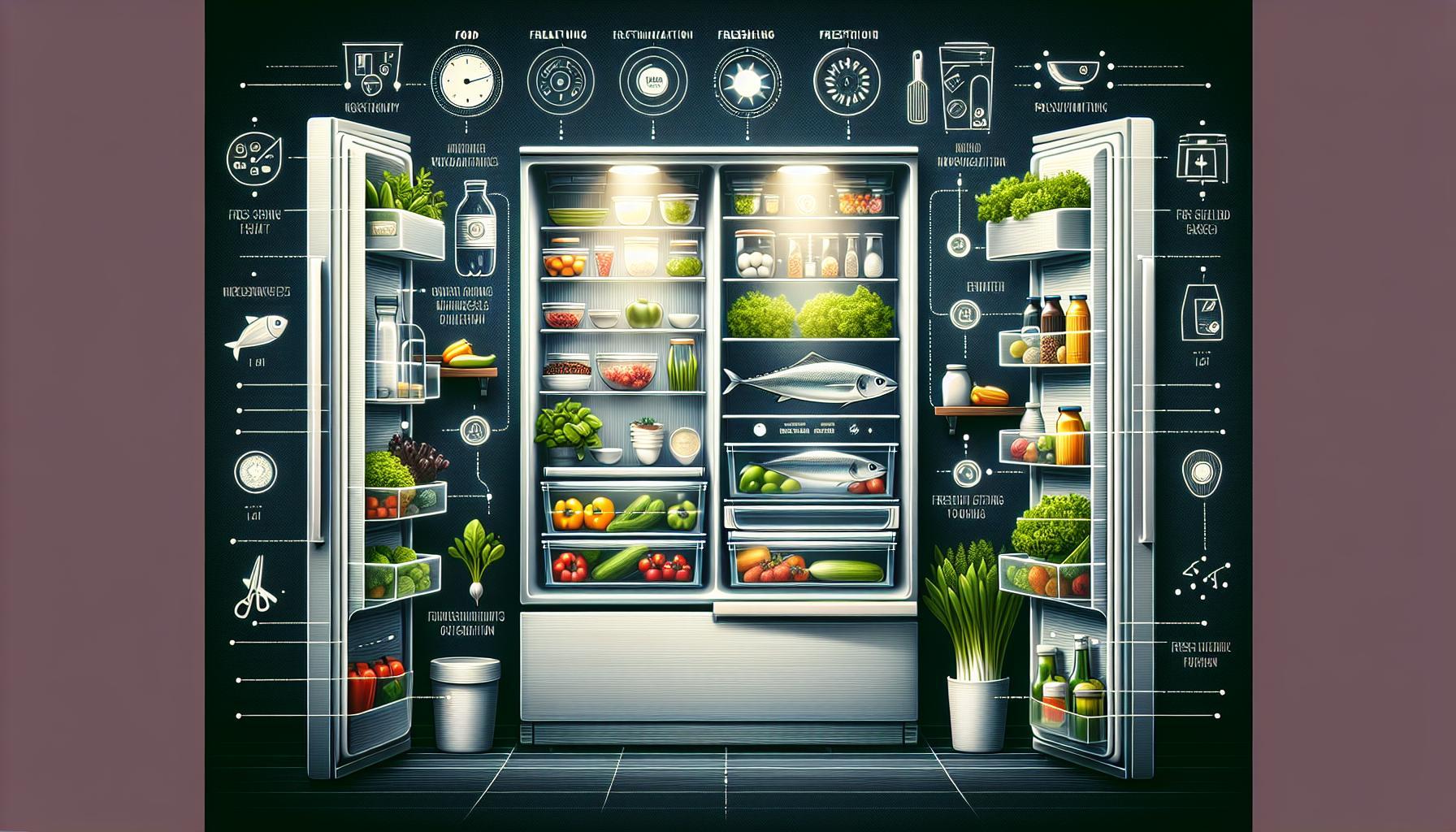
Did you know that improperly stored fresh fish can lead to foodborne illnesses? Understanding how long fish lasts in your fridge is crucial for both safety and quality. When stored correctly, fresh fish retains its flavor and texture, but keeping it too long can result in spoilage that not only affects taste but can also be harmful.
In this guide, we will explore the optimal storage practices for keeping your fish ocean-fresh. You’ll learn about recommended timeframes for various types of fish, how to identify signs of spoilage, and tips for maximizing freshness. Whether you’re a seafood enthusiast or someone looking to make healthier meal choices, knowing how to properly store fish will help you enjoy safer, tastier meals. Stay tuned to ensure you’re making informed decisions about your seafood storage!
How Fresh Is Fresh Fish? Understanding Quality Indicators
Fresh fish can be one of the most delicious and nutritious options on your plate, but how can you be sure it’s truly fresh? Indicators of quality fish extend beyond mere appearance; they encompass a range of sensory cues that can help you make informed decisions. The eyes of fresh fish should be clear and bulging, as cloudy or sunken eyes are telltale signs of age. The flesh should be firm and bounce back when pressed; any signs of mushiness indicate degradation in quality.
When examining the gills, look for bright red or pink hues. Dull or brown gills suggest that the fish is past its prime. Additionally, fresh fish should have a clean, briny smell reminiscent of the sea. An overly fishy or ammonia-like odor is a strong indicator of spoilage. This sensory triangle-eyes, texture, and smell-provides a solid foundation for assessing the freshness of your fish, allowing you to confidently select the best option at the market or even when fishing.
To further assist you in understanding quality indicators, consider these factors:
- Color: Fresh fish exhibit bright, vibrant colors. Look for even coloring without dark spots or discoloration.
- Scales: Fish should have shiny, intact scales. Dull, peeling scales can suggest that the fish is aging.
- Temperature: Fish should feel cold to the touch; warmer temperatures can indicate compromised freshness.
Familiarizing yourself with these characteristics not only enhances your culinary experiences but also ensures that you are consuming fish that is both safe and of high quality. By selecting fresh fish, you not only enjoy the best flavors but also the maximum nutritional benefits.
Refrigeration Guidelines: Optimal Fish Storage Temperatures
To maintain the quality and freshness of fish, proper refrigeration is essential. Fish is highly perishable, and its freshness can diminish quickly if not stored at the correct temperature. Ideally, raw fish should be stored in a refrigerator set at or below 32°F (0°C). While home refrigerators generally operate around 35°F to 38°F (1.6°C to 3.3°C), the colder the environment, the longer your fish will keep its desirable qualities. Fish stored at these temperatures can retain optimal freshness for one to two days.
When storing fish, it’s crucial to keep it in the coldest part of the fridge, usually towards the back. If possible, place the fish on a plate or in a shallow dish, then cover it with plastic wrap or aluminum foil to create a barrier against bacteria and other odors. For enhanced freshness, consider placing the dish on a bed of ice that you replenish as it melts. This method helps regulate temperature more effectively.
It’s also advisable to store different types of fish separately to avoid cross-contamination. If you’re unsure about how long your fish has been stored, always trust your senses: look for any signs of discoloration or an off smell, which can indicate spoilage. Uncooked seafood should not be stored alongside other foods; keep it in a dedicated section or container. Following these guidelines will help ensure that your catch remains ocean-fresh as long as possible.
How Long Does Different Fish Types Last? A Comprehensive Guide
The freshness of fish is crucial, not only for taste and texture but also for food safety. Different species of fish have varying shelf lives, influenced by their characteristics and how they are stored. Understanding how long each type lasts in your refrigerator ensures that you enjoy seafood at its peak while minimizing the risk of spoilage.
Fresh fish typically lasts between 1 to 2 days in the fridge when stored properly. This applies to lean fish such as cod, flounder, and haddock, which are best consumed quickly due to their lower fat content. Richer fish, like salmon, tuna, and mackerel, can remain fresh for around 2 to 3 days due to their higher oil content, which can help preserve their quality for a slightly longer period.
Here’s a quick reference for different fish types and their expected refrigerator life:
| Type of Fish | Storage Duration (in the Fridge) |
|---|---|
| Lean Fish (e.g., Cod, Flounder) | 1-2 days |
| Fatty Fish (e.g., Salmon, Tuna) | 2-3 days |
| Shellfish (e.g., Shrimp, Scallops) | 1-2 days |
| Canned Fish (e.g., Salmon, Sardines, opened) | 3-4 days |
For maximum freshness, always check the fish for any signs of spoilage such as discoloration or an unpleasant odor before cooking. It’s also important to store fish at the back of your refrigerator where the temperature is most consistent, ideally at 32°F (0°C). By following these guidelines and understanding the specific needs of different fish types, you can keep your seafood fresher for longer and enjoy it safely.
Recognizing Signs of Spoiled Fish: What to Look For
Fresh fish is a prized ingredient in many kitchens, but it can spoil quickly if not handled or stored properly. Recognizing the signs of spoilage is crucial to ensure the safety of your meals and to maintain the quality of the fish. A key indicator of freshness is the fish’s smell; fresh fish should have a mild scent, akin to the ocean, while spoiled fish emits a strong, unpleasant odor that is often described as “fishy” or sour. This sharp smell is a clear sign that the fish has begun to decompose and is no longer safe to consume.
Another critical factor to assess is the fish’s appearance. Fresh fish should have bright, clear, and vibrant eyes that are not sunken. The flesh should be moist and firm to the touch, free of any brown spots or discoloration. If you notice dull, cloudy eyes or a slimy film on the surface, these are serious warning signs of spoilage. Additionally, check the gills; they should be bright red or pink. If the gills turn a brown or gray color, it indicates that the fish is past its prime.
Texture also plays a significant role in determining the quality of fish. Fresh fish should bounce back when pressed, indicating a firm texture. If the flesh leaves an indentation or feels mushy, it is likely spoiled. When you cook fish that has already begun to spoil, not only is the flavor compromised, but there is also an increased risk of foodborne illnesses.
Lastly, always trust your instincts. If anything about the fish seems off, whether it’s the smell, appearance, or texture, it’s best to err on the side of caution and discard it. Following these guidelines will help you enjoy safe and delicious seafood dishes while minimizing the risk of foodborne illness.
Tips for Extending Freshness: Proper Packaging Techniques
To keep fish as fresh as possible, proper packaging is essential. Fish can be highly perishable, and by taking the right steps to store it, you can significantly prolong its shelf life and maintain its quality. One of the most effective techniques is to wrap fish tightly in plastic wrap or aluminum foil, reducing exposure to air, which is crucial for preventing freezer burn and maintaining moisture levels. Additionally, placing the wrapped fish in a sealable plastic bag and removing as much air as possible will further protect it from environmental factors.
Layering for Maximum Freshness
Another smart packaging method involves layering ice packs or gel packs within the storage container. By placing the fish on top of these cold sources or surrounding it with ice, you create a cold environment that helps maintain optimal temperatures, particularly if your refrigerator fluctuates. An insulated cooler can also serve as a great temporary storage solution when transporting fish from the market to your home, ensuring it remains chilled until you’re ready to store it properly.
Storage Duration
For those wondering how long fresh fish lasts in the fridge, the general rule is that it should be consumed within 1 to 2 days if stored correctly. For longer storage, freezing is your best option. Vacuum sealing fish can extend its freshness for several months, while properly packaged fish can last for up to 6 months in the freezer. Always label packages with the date of freezing to keep track of their freshness and ensure that you use them within recommended timeframes.
By adhering to these packaging techniques, you not only help extend the life of your fish but also ensure that you can enjoy its optimal taste and nutritional value. Remember, effective storage is just as critical as the quality of the fish you choose.
Thawing Fish Safely: Best Practices for Maintaining Quality
To maintain the highest quality and safety when thawing fish, it is crucial to follow proper procedures. Fish, like many other perishable foods, can quickly enter the “danger zone” of temperatures between 40°F (4°C) and 140°F (60°C), where harmful bacteria can multiply. Therefore, effective thawing methods not only preserve the freshness and flavor of the fish but also protect against foodborne illnesses.
One of the safest methods for thawing fish is in the refrigerator. Simply transfer the fish from the freezer to the fridge a day before you plan to cook it. This gentle thawing method allows the fish to gradually come to the right temperature while staying below 40°F (4°C). For a quicker option, you can use cold water-place the fish in a sealed plastic bag and submerge it in cold water, changing the water every 30 minutes to maintain a safe temperature. Typically, this method will thaw fish in about an hour or so, depending on the size and thickness of the fillet.
Microwave Thawing
While you can use a microwave to thaw fish, it should be approached with caution as it can partially cook the fish, leading to an undesirable texture. If using the microwave, select the defrost setting and monitor closely, checking every few minutes to prevent cooking. Once the fish is thawed in the microwave, it should be cooked immediately to prevent any growth of bacteria.
What to Avoid
It is essential to avoid thawing fish at room temperature. Allowing fish to sit out can lead to rapid bacterial growth, making it unsafe to eat. Additionally, never refreeze fish that has been thawed at room temperature, as this can significantly increase the risk of foodborne illness.
By following these thawing guidelines, you can ensure that your fish maintains its quality and is safe to consume, keeping your meals delicious and healthful. Always remember to cook fish to an internal temperature of 145°F (63°C) to ensure safety and reduce any risk associated with undercooking.
The Importance of “Use By” Dates: Understanding Fish Labels
Understanding “Use By” dates on fish packaging is vital for ensuring food safety and maintaining optimal freshness. These dates are a manufacturer’s recommendation for when the product should be consumed for best quality, and they are especially significant in the case of perishable items like fish. Fresh fish, being susceptible to spoilage, should ideally be consumed by the date indicated to minimize the risk of foodborne illnesses.
When evaluating fish labels, you’ll often encounter three main types of dates: “Sell By,” “Best Before,” and “Use By.” For fish, the “Use By” date is the most critical. It informs consumers about the last day the fish can be safely eaten, provided it has been correctly stored. Eating fish past this date can lead to serious health risks as harmful bacteria, like Salmonella or Listeria, might have developed, especially if refrigeration wasn’t adequately maintained.
To maximize freshness and safety, consider the following storage recommendations:
- Refrigerate promptly: After purchasing, fish should be refrigerated immediately at temperatures below 40°F (4°C).
- Use quickly: Fresh fish should ideally be consumed within 1 to 2 days of purchase, even if it is before the “Use By” date.
- Freezing as an option: If you don’t plan to use the fish before the “Use By” date, consider freezing it, which can safely extend its life but requires proper packaging to avoid freezer burn.
Always inspect fish for freshness clues, like a “Use By” date, appearance, and smell, before cooking. Adhering to these guidelines not only preserves flavor but also protects your health, allowing you to enjoy your seafood with confidence.
Freezing Fish for Maximum Freshness: Techniques and Tips
To ensure that fish retains its ocean-fresh taste and quality, freezing is a highly effective method. When properly handled, freezing can preserve the texture, flavor, and nutritional integrity of fish, allowing you to enjoy seafood long after the “Use By” date has passed. In fact, freezing fish at peak freshness can extend its lifespan from a few days in the fridge to several months in the freezer, depending on the species and your freezing techniques.
Before freezing, it’s essential to prepare the fish correctly. Start by cleaning and gutting the fish if it hasn’t been done already. Rinse it under cold water and pat it dry with paper towels. This step is crucial, as moisture on the surface can lead to freezer burn, which negatively affects the fish’s quality. Once dry, it’s recommended to portion the fish into serving sizes. This not only makes thawing easier but also ensures that you don’t have to refreeze any leftovers, which can further degrade quality.
When it comes to packaging, an airtight seal is key. Use vacuum-sealed bags if you have a vacuum sealer; this method removes air and prevents freezer burn. If you don’t have a vacuum sealer, wrap the fish tightly in plastic wrap, aluminum foil, or freezer paper, and then place it in a resealable freezer bag. Be sure to remove as much air as possible from the bag before sealing. Label each package with the date and type of fish to keep track of your inventory.
For optimal quality, you should follow certain guidelines regarding freezing times. Most fish, such as salmon, snapper, and tuna, can be frozen for up to six months without significant loss of quality. On the other hand, fatty fish like mackerel may only last about three months. Always remember to thaw frozen fish safely in the refrigerator or under cold running water. This gradual thaw helps maintain the fish’s texture and prevents any bacterial growth, allowing you to enjoy your meal with confidence.
In summary, freezing fish not only extends its shelf life but also keeps it delicious and safe to eat. By following proper preparation and packaging techniques, you can make the most of your fresh catch, ensuring that every piece is just as delightful as the day it was frozen.
Health and Safety: Avoiding Foodborne Illness from Fish
Consuming fish can be a delectable part of a healthy diet, but ensuring that it is safe to eat is paramount. Fish can harbor harmful bacteria and parasites that may lead to foodborne illnesses if not handled and stored properly. Understanding the risks and following best practices can help you enjoy your seafood safely. For instance, the Centers for Disease Control and Prevention (CDC) notes that one in six Americans gets sick from foodborne illnesses each year, with fish being a notable contributor.
To minimize the risk, it’s essential to adhere to specific storage guidelines. Fresh fish should be kept in the refrigerator at a temperature of 32°F to 39°F (0°C to 4°C) and should ideally be consumed within 1-2 days of purchase. Here are some tips for safe fish handling and storage:
- Check for Freshness: When buying fish, look for clear, bright eyes, a fresh smell (not fishy), and firm, moist flesh. These indicators suggest the fish is still fresh.
- Proper Refrigeration: Store fish in the coldest part of your refrigerator, ideally wrapped in plastic wrap or foil, and placed on a bed of ice in a shallow pan to keep it cool and drain away any excess water.
- Cook Thoroughly: Cooking fish to an internal temperature of at least 145°F (63°C) kills harmful microorganisms. Use a food thermometer for accurate measurement.
- Practice Cross-Contamination Awareness: Always use separate cutting boards and utensils for fish and other foods, especially raw meats. Wash hands and surfaces thoroughly after handling fish.
Additionally, be mindful of the “Use By” dates when purchasing fish products, as these indicate the manufacturer’s recommendation for the last day the fish can be consumed at peak quality. Discard any fish that has an off odor or slimy texture, as these are signs of spoilage.
Staying informed about food safety practices concerning fish can significantly reduce the risk of foodborne illnesses, allowing you to enjoy all the health benefits seafood has to offer without the worry.
Creative Ways to Use Leftover Fish: Recipes and Ideas
Using leftover fish can lead to delicious and creative meals, reducing waste while ensuring you enjoy every bite. After enjoying a freshly cooked fish dish, the key is to store the leftovers properly in the refrigerator, ideally consuming them within 1-2 days to maintain freshness and safety. Here are some innovative ways to repurpose your leftover fish into tasty dishes:
Fish Tacos
Transform your leftover fish into flavorful tacos by flaking the meat and combining it with fresh ingredients. Mix the fish with diced tomatoes, shredded cabbage, a squeeze of lime, and a drizzle of your favorite hot sauce. Serve the mixture in warm corn tortillas, and top with avocado slices for creaminess. This dish is not only quick to prepare, but it also bursts with flavor and texture.
Fish Salad
Another simple yet satisfying way to use leftover fish is by creating a fish salad. Start by flaking the fish into a bowl and adding mayonnaise, diced celery, chopped pickles, and lemon juice. This mixture can be enjoyed on its own, served on crackers, or used as a filling for sandwiches. The combination of flavors integrates well and makes for a refreshing meal.
Fish Fried Rice
If you have leftover cooked rice on hand, consider making fish fried rice. Sauté onions, garlic, and any leftover vegetables you have in a skillet, then add the rice and your flaked fish. Season with soy sauce and sesame oil, adding a splash of lime juice for brightness. Stir fry everything together until heated through, making for a quick, one-pan meal that is both hearty and satisfying.
Fish Quiche or Frittata
Leftover fish can also be an excellent addition to a quiche or frittata. Whisk together eggs, milk, and your choice of herbs and spices, then fold in the flaked fish along with sautéed vegetables like spinach or bell peppers. Pour the mixture into a pie crust for a quiche or directly into a greased skillet for a frittata. Bake until set for a wholesome dish perfect for breakfast or brunch.
By utilizing leftover fish creatively, you not only make the most of your food resources but also enjoy a variety of different flavors and culinary experiences. Always remember to store your leftovers properly, keeping them refrigerated at 32°F to 39°F (0°C to 4°C) and consuming them within a couple of days to ensure safety and quality.
The Role of Smell in Fish Freshness: A Sensory Guide
The sense of smell plays a pivotal role in assessing fish freshness, serving as a crucial indicator that can help avoid foodborne illness. Fresh fish should exude a clean, mild scent reminiscent of the ocean, free from any pungent or sour odors. When inspecting fish, take a moment to engage your sense of smell; any unpleasant or off-putting scents are often a signal that the fish is past its prime and potentially unsafe to consume.
The natural odor of fresh fish is both light and appealing, which reflects its recent capture and proper handling. If the fish smells overly “fishy,” or has any acrid, ammonia-like scent, it can indicate spoilage due to bacterial growth. This change in smell typically arises after the breakdown of proteins and fat, leading to the release of compounds that produce unpleasant odors. Therefore, whenever you purchase or store fish, it’s essential to trust your nose; if it doesn’t smell right, it’s likely better to err on the side of caution and discard it.
To ensure the freshness of fish while storing it, keep it in the coldest part of the refrigerator at temperatures between 32°F and 39°F (0°C to 4°C). Consuming fish within 1-2 days of purchase is ideal for maintaining quality and safety. Additionally, properly wrapping fish in moisture-resistant packaging can help retain its freshness and minimize odor during storage. If you notice any changes in the smell after storing, it’s a clear indication the fish may no longer be safe to eat, and disposal is advisable. Remember, adhering to these scent guidelines not only enhances your culinary experience but also protects your health.
Common Myths About Fresh Fish Storage Debunked
Many consumers hold misconceptions about how to properly store fresh fish, which can lead to unnecessary waste or health risks. One common myth is that fish can last for several days in the refrigerator, similar to other meats. However, the reality is that fish is highly perishable and should ideally be consumed within 1-2 days of purchase to ensure safety and quality. This tight timeframe is largely due to the delicate structure of fish proteins, which can spoil faster than red meats or poultry.
Another prevalent belief is that ice can serve as a substitute for refrigeration. While keeping fish on ice can help maintain freshness temporarily, it is not a foolproof method for storage, especially if the ice melts and the fish sits in water. Instead, fresh fish should be stored at a temperature between 32°F and 39°F (0°C to 4°C) in the coldest section of the refrigerator. Properly wrapping fish in moisture-resistant packaging can also prevent dehydration and limit odor, enhancing its shelf life within this critical time window.
Additionally, many people think that the “best by” or “sell by” dates on fish labels are strict indicators of safety. While these dates provide a guideline, fresh fish can spoil well before reaching these labels if not stored correctly. It’s essential to rely on sensory cues-such as smell, texture, and color-when assessing freshness. This proactive approach allows consumers to make informed decisions and ensure they’re using fish that is safe and enjoyable to eat.
In terms of freezing, a misconception persists that any fish can be frozen indefinitely. While freezing can extend the shelf life of fish, it is recommended to consume frozen fish within three to six months for optimal flavor and texture. Thawing fish should be done safely in the refrigerator instead of at room temperature to minimize the risk of bacterial growth. By debunking these myths and adhering to proper fish storage guidelines, consumers can enjoy their seafood while prioritizing safety and quality.
Frequently Asked Questions
Q: How can I tell if fresh fish is still good to eat?
A: Fresh fish should have a mild ocean scent with clear eyes and bright, vibrant skin. If it smells sour, has cloudy eyes, or appears dull, it likely spoils. Always check for a firm texture; if it feels mushy, it’s best to discard it. For more details, see our section on recognizing signs of spoiled fish.
Q: What is the best way to store fresh fish in the fridge?
A: To effectively store fresh fish in the fridge, wrap it tightly in plastic wrap or aluminum foil, place it on a plate, and cover it with ice. Ensure the temperature stays below 40°F (4°C). Proper packaging techniques help prolong freshness, as discussed in our tips section.
Q: Can I refreeze fresh fish after it’s been thawed?
A: Yes, you can refreeze fresh fish once it has been thawed, but it should be done safely. Ensure it has been thawed in the fridge rather than at room temperature, and refreeze within one to two days for optimal freshness. For safe thawing tips, refer to our best practices section.
Q: How long can cooked fish last in the fridge?
A: Cooked fish can safely last in the fridge for about 3 to 4 days when stored in an airtight container. Make sure to cool it down quickly and refrigerate within two hours of cooking to prevent bacterial growth. Check our health and safety guidelines for more information.
Q: What types of fish last the longest in the refrigerator?
A: Generally, denser fish like salmon and swordfish can last up to 2 days, while white fish such as cod and haddock generally last about 1 to 2 days. Always store at the proper temperature to maximize freshness. For specific storage times by type, see our comprehensive guide.
Q: Is it safe to eat fish past its ‘use by’ date?
A: Eating fish past its ‘use by’ date is not recommended, as it may pose health risks. Always check for quality indicators, even if the date hasn’t passed. Adhering to these dates ensures safety; further insights can be found in our section on understanding fish labels.
Q: How do I handle leftover fish safely?
A: To handle leftover fish safely, cool it quickly, store it in an airtight container, and refrigerate within 2 hours of cooking. Eat within 3 to 4 days for optimal safety. Explore our creative ways to use leftover fish for delicious meal ideas.
Q: What should I do if I accidentally left fresh fish out overnight?
A: If fresh fish has been left out overnight, it’s best to discard it. Bacteria can multiply rapidly at room temperature, making it unsafe to eat. Always prioritize food safety by storing fish properly and checking storage guidelines in our articles.
In Retrospect
To ensure your fresh fish stays ocean-fresh, remember to store it properly and consume it within the recommended timeframe of 1 to 2 days after purchase. If you still have questions about fish storage or would like to explore delicious recipes to use up your fresh catch, check out our articles on “The Best Ways to Prepare Fish” and “How to Identify Fresh Seafood.” Don’t wait too long-using your fish while it’s at its best not only ensures safety but also enhances the taste of your meals!
Join our community by subscribing to our newsletter for more tips on food safety and freshness, and don’t hesitate to share your thoughts or questions in the comments. With the right guidelines and knowledge, you can make informed decisions that keep your seafood delicious and safe. Explore further, keep your kitchen stocked with the best practices, and enjoy every bite of your ocean-fresh fish!