


Did you know that fresh salmon can stay safe to eat for just a few days in the fridge? Understanding how long salmon lasts is crucial not only for ensuring your meals are safe but also for reducing food waste. This article will guide you through essential storage practices and timelines to help you enjoy this delicious fish while keeping your health in check. Whether you’re a seafood lover or simply trying to optimize your grocery shopping, knowing how to properly store salmon can make a significant difference in your cooking experience and food safety. Dive in to learn how long fresh salmon really lasts and the best ways to store it!
How Long Can Fresh Salmon Be Stored Safely?
Fresh salmon is a celebrated delicacy, prized for its rich flavor and health benefits. However, ensuring its freshness is crucial not only for taste but also for food safety. In the refrigerator, fresh salmon can typically be stored safely for up to two days. This short window emphasizes the importance of planning your meals and using salmon soon after purchase.
Several factors influence how long fresh salmon can be stored safely. The quality at the time of purchase, whether it’s farmed or wild, and the storage conditions all play significant roles. For example, salmon that’s been previously frozen may have different shelf life expectations compared to freshly caught fish. Always aim to buy salmon that appears moist without any signs of browning or discoloration. Additionally, consider the temperature of your refrigerator; it should consistently be at or below 40°F (4°C) to ensure maximum freshness.
To protect your investment and reduce waste, it is advisable to consume fresh salmon within this two-day period. If you determine that you won’t be using it in time, freezing the fish is an excellent option to extend its shelf life significantly. When properly frozen, salmon can last up to six months in the freezer without losing its quality. Always be vigilant about thawing methods when you’re ready to use it, as improper thawing can compromise flavor and texture, and promote bacterial growth.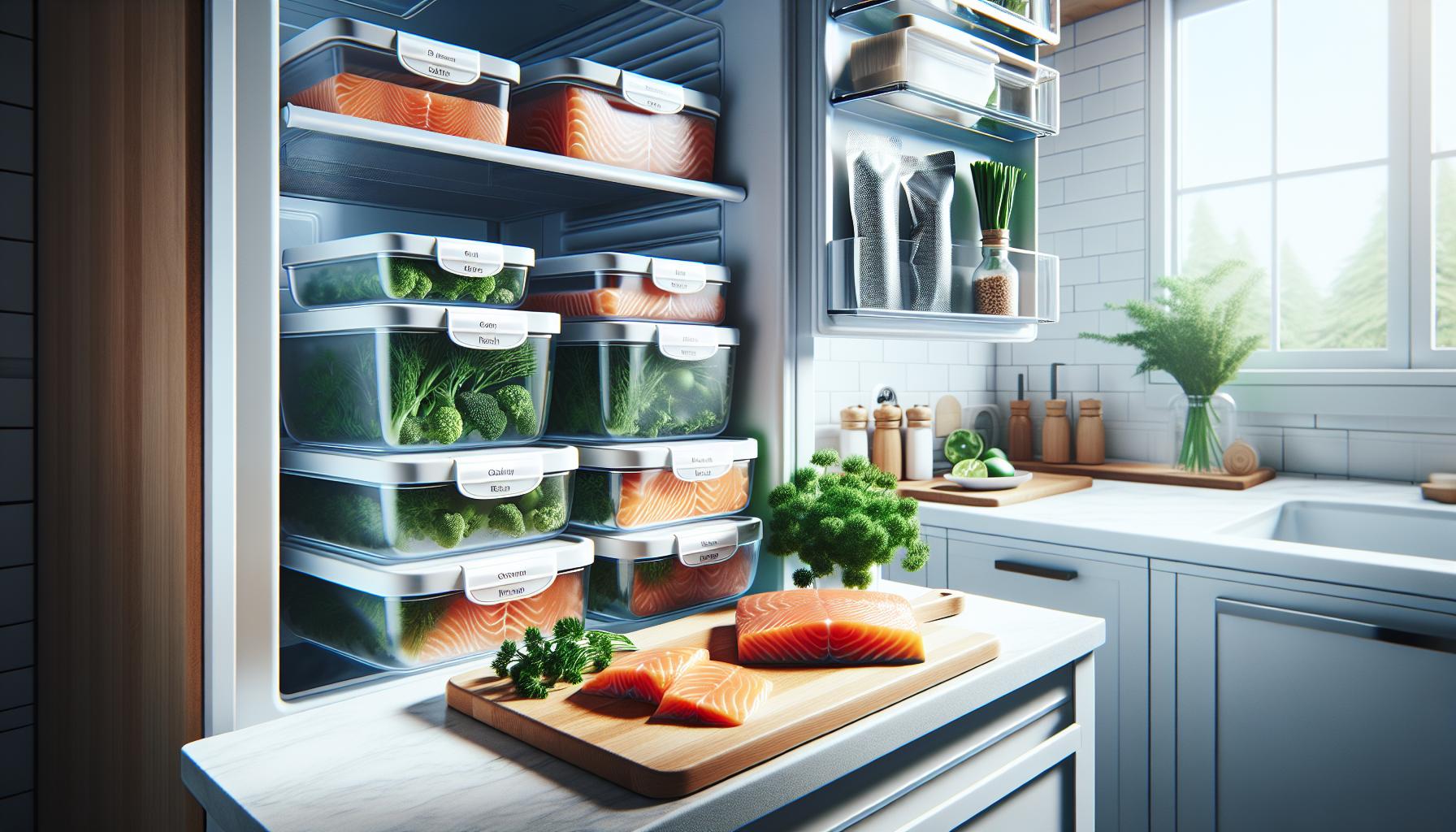
Factors That Affect Fresh Salmon Shelf Life
The freshness of salmon is not solely determined by the time elapsed since its purchase; several key factors can dramatically affect how long it will last without compromising safety and quality. One of the primary considerations is the source of the salmon. Wild-caught salmon may have a shorter shelf life than farmed varieties due to differences in handling and storage during transportation. Additionally, salmon that has been previously frozen requires careful attention, as its texture and flavor can be affected, making it more susceptible to spoilage once thawed.
Another important aspect is the quality at the point of purchase. Opting for fish that displays vibrant, moist flesh without browning or discoloration is crucial. The appearance of the skin and the smell are also important indicators; fresh salmon should have a light briny aroma, while off-putting smells or a slimy texture are clear signs that the fish should not be consumed.
Storage conditions are equally vital. Salmon must be kept under optimal refrigeration conditions, ideally at or below 40°F (4°C). Fluctuations in temperature, such as leaving the fish out at room temperature for an extended period, can hasten spoilage. Furthermore, the way salmon is packaged or stored-such as using airtight containers-can have a significant impact on its longevity by preventing exposure to air and moisture, which can promote bacterial growth.
In conclusion, being vigilant about these factors-source, quality, and storage-can help maintain the freshness of salmon, allowing you to enjoy this nutritious fish at its best. Employing these strategies not only ensures safety but also enhances your dining experience.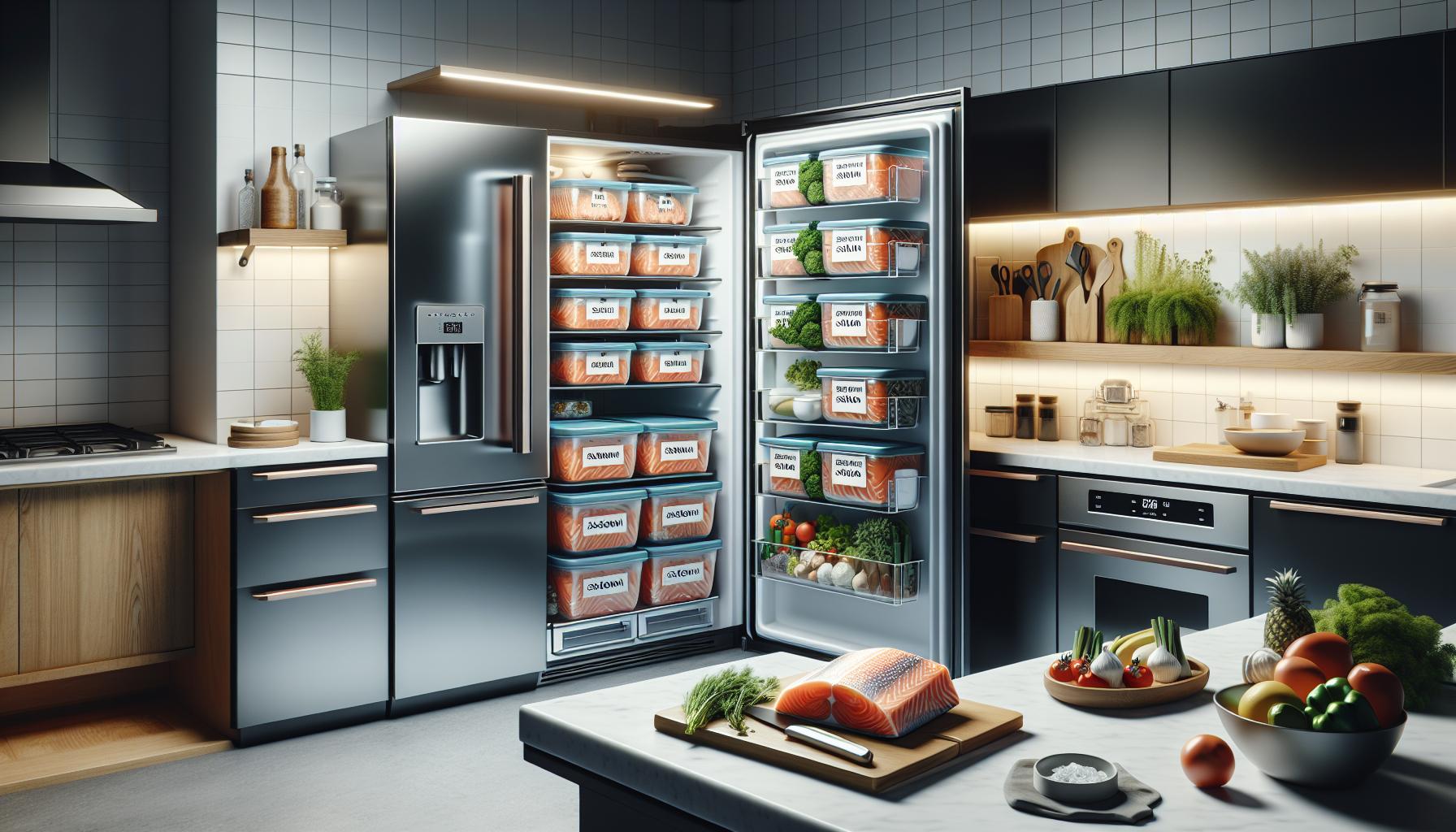
Signs of Spoilage: Know When to Discard Salmon
Determining whether fresh salmon is still safe to eat can be a daunting task, especially since it is a highly perishable food item. Noticing the signs of spoilage early can prevent foodborne illness and ensure that you enjoy your salmon at its best. Fresh salmon should have a vibrant color and a pleasant, mild ocean scent. If you notice any drastic changes in its appearance or smell, it may be time to discard it.
Signs of spoilage generally include a shift in color, texture, and odor. Fresh salmon typically displays a shiny appearance with firm flesh. If you observe any dullness, loss of color, or grayish-brown areas, it’s an indicator that the fish may no longer be fresh. Additionally, fresh salmon should be moist but not slimy. A slimy texture is often the result of bacterial growth, suggesting that the fish is past its prime.
Checklist for Identifying Spoiled Salmon
- Color Changes: Look for any discoloration, browning, or faded areas.
- Texture: Salmon should feel firm. If it feels mushy or slimy, it is likely spoiled.
- Smell: Fresh salmon has a mild, briny smell. A strong, fishy, or sour odor is a clear warning sign.
- Eye Appearance: If the salmon is whole, the eyes should be clear and bulging. Cloudy or sunken eyes are indicative of spoilage.
If any of these indicators are present, it’s essential to discard the salmon immediately. Food safety should be the utmost priority, and when in doubt, it’s always better to err on the side of caution. By being vigilant and aware of these signs, you can significantly reduce the risk of consuming spoiled fish and enjoy your meals safely.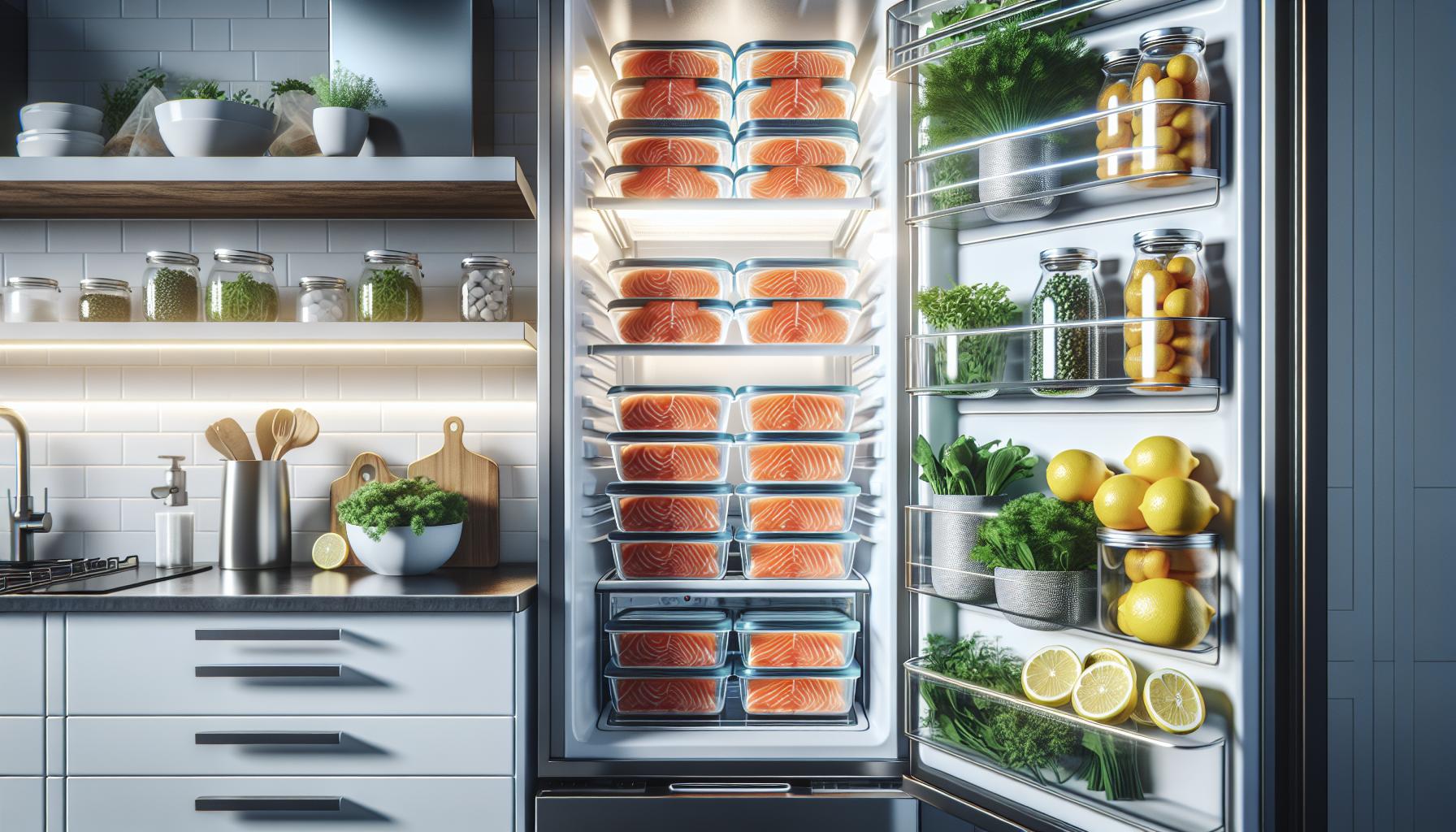
Best Storage Practices for Fresh Salmon
Fresh salmon is a culinary delight, but it requires careful storage to maintain its quality and safety. With the right storage practices, you can extend the life of your salmon and enjoy it for longer. Fresh salmon should be stored in the coldest part of your refrigerator, ideally at temperatures below 40°F (4°C). This helps to slow down bacterial growth, ensuring the fish remains safe to consume.
To maximize freshness, keep salmon in its original packaging if it’s vacuum sealed. If not, wrap it tightly in plastic wrap or aluminum foil to prevent exposure to air, which can lead to oxidation and spoilage. Placing the wrapped salmon in an airtight container further protects it from moisture and odors in the fridge. If you plan on eating the salmon within one to two days, refrigeration is typically sufficient. However, if you want to keep it for longer, consider freezing it.
When freezing salmon, ensure it’s well wrapped and stored in a freezer-safe airtight container or heavy-duty freezer bag. Remove as much air as possible to prevent freezer burn. Properly stored, salmon can last up to six months in the freezer without a significant loss of quality. Label your container with the date of freezing, so you can keep track of freshness. Always remember that while freezing preserves the fish, it should be cooked immediately after thawing, as refreezing is not recommended for quality and safety reasons.
Checking for freshness before use is key. After thawing, smell and inspect the salmon for any signs of spoilage before cooking. By adhering to these storage practices, you’ll not only prolong the shelf life of your fresh salmon but also ensure that you enjoy its exquisite flavors safely.
Using Airtight Containers for Optimal Freshness
To ensure the freshness of your salmon and greatly extend its shelf life, utilizing airtight containers is an essential practice. When exposed to air, salmon can quickly oxidize, affecting its taste and safety. An airtight container creates a barrier that helps to prevent both oxidation and moisture loss, maintaining the quality of the fish for a longer period. This is particularly important since fresh salmon can start to deteriorate within just a couple of days when not properly stored.
For optimal freshness, select airtight containers that seal completely and eliminate any air pockets. You can also consider vacuum-sealing your salmon, which is ideal for long-term storage. If using traditional containers, place a layer of plastic wrap over the salmon before sealing the lid to create an additional layer of protection against air. Remember, even the slightest exposure to air can compromise the flavor and safety of your fish, so it’s crucial to minimize it as much as possible.
When storing salmon in airtight containers, always ensure they are clean and dry to prevent bacterial growth. Ideally, store your container in the coldest part of your refrigerator. It’s beneficial to label your containers with the date of storage, allowing you to easily track the freshness and make quick decisions about consumption. You should aim to consume salmon stored in the fridge within 1 to 2 days for the best quality and safety, but using airtight containers could allow for a marginal extension of freshness if stored correctly.
By following these storage techniques, you can enjoy your salmon while minimizing waste and ensuring safety. Consider these practices not just for salmon, but for all types of seafood, as the principles of food safety and freshness apply broadly across various commodities.
The Importance of Refrigeration Temperature
Proper refrigeration temperature is crucial in preserving the quality and safety of fresh salmon. The ideal temperature for refrigerating fish, including salmon, is at or below 32°F (0°C). At this temperature, the growth of harmful bacteria is significantly slowed, which can help prolong the freshness of the fish. If the temperature goes above 40°F (4°C), the risk of spoilage increases dramatically, potentially leading to foodborne illnesses.
To ensure that your refrigerator maintains a safe temperature, it is wise to regularly check the temperature using an appliance thermometer. Many home refrigerators can fluctuate in temperature due to frequent opening and closing, or because of the type of food being stored. Keeping salmon in the coldest section of the fridge-typically at the back, away from the door-can help maintain consistent temperatures.
Here are some tips to ensure proper refrigeration of salmon:
- Store salmon in a temperature-controlled environment, aiming for 32°F (0°C).
- Use a refrigerator thermometer to monitor your fridge’s temperature.
- Avoid storing salmon in the door of the fridge, as this area is subject to temperature fluctuations.
- Keep the fridge clean and well-organized to promote airflow and maintain a steady temperature.
By adhering to these refrigeration guidelines, you not only enhance the longevity of your fresh salmon but also protect your health. Opting for proper storage techniques-such as placing salmon in airtight containers and using the coldest parts of the fridge-will provide invaluable support in your efforts to enjoy this nutritious seafood safely.
Thawing Frozen Salmon: Best Methods Explained
Thawing salmon properly is essential for maintaining its quality and safety. When done correctly, it preserves the fish’s texture and flavor while minimizing the risk of bacterial growth. The best methods for thawing frozen salmon cater to different time constraints and help ensure that you achieve the ideal cooking results.
One of the safest ways to thaw salmon is in the refrigerator. This method requires planning ahead, as it can take 12 to 24 hours for the salmon to thaw completely. Place the salmon in its airtight packaging on a plate or in a shallow pan to catch any potential drips. Keeping the temperature at or below 40°F (4°C) during this process helps prevent harmful bacteria from proliferating. This gradual thawing allows the fish to retain moisture and ensures an even texture.
If you’re short on time, the cold water method is a quick and effective alternative. To do this, seal the salmon in a leak-proof plastic bag to prevent water from entering and diminishing the fish’s quality. Submerge the bag in a bowl of cold water, changing the water every 30 minutes to ensure that it remains cold. Depending on the thickness of the fillet, this method can take about 1 to 2 hours. It’s crucial not to use warm water, as it can dangerously elevate the fish’s surface temperature, encouraging bacterial growth.
For those in a hurry, you can also thaw salmon in the microwave, though this method requires careful monitoring to prevent cooking the fish partially. Use the defrost setting, and check the salmon frequently, turning or repositioning it as necessary. It’s important to cook the salmon immediately after using this method, as some areas may have begun cooking while others remain frozen.
Finally, it’s essential to remember that once thawed, salmon should not be refrozen unless it has been cooked first. Proper thawing not only optimizes flavor and texture but also safeguards your health by reducing food safety risks. By using these methods, you can enjoy this nutritious fish safely and deliciously.
How to Store Cooked Salmon Properly
Storing cooked salmon properly is crucial to maintaining its quality and safety for future meals. After enjoying a delicious salmon dinner, it’s important to know how to handle the leftovers to preserve flavor and prevent spoilage. Cooked salmon can typically be stored in the refrigerator for up to three to four days. To ensure it remains at its best, there are effective storage practices you should follow.
First and foremost, allow the cooked salmon to cool to room temperature-no more than two hours after cooking. Once it’s cooled, transfer it to an airtight container. Using an airtight container not only minimizes exposure to air but also helps prevent the salmon from absorbing odors from other foods in the fridge. If you plan to consume the salmon within a few days, simply seal the container and place it in the refrigerator.
For longer storage, consider freezing the cooked salmon. When freezing, wrap the salmon tightly in plastic wrap or aluminum foil before placing it in a freezer-safe container or bag. Properly stored, cooked salmon can last in the freezer for up to six months without losing much in terms of texture and flavor. When ready to eat, thaw the salmon in the refrigerator overnight or follow one of the safe thawing methods discussed previously.
By following these simple yet effective steps-cooling, using airtight storage, and proper refrigeration-you can enjoy your cooked salmon safely while minimizing waste. Remember, always check for any signs of spoilage, such as an off smell or discoloration, before eating leftovers, ensuring that your meal remains both safe and enjoyable.
Challenging Common Myths About Salmon Storage
Many people harbor misconceptions about how to store salmon, often putting their health at risk without realizing it. One pervasive myth is that salmon can simply be stored in the refrigerator for an extended period without concern. While it’s true that fresh salmon can be stored in the fridge, it generally only lasts about two days before the risk of spoilage increases. This brief shelf life is due to factors like the fish’s high moisture content and delicate texture, which make it prone to bacterial growth if not handled properly.
Another common misunderstanding is that the color or smell of salmon alone can determine its freshness. While off-putting smells and discoloration are definite signs to discard the fish, fresh salmon might still emit a mild odor and maintain some color changes as it ages. Thus, it is essential to follow strict storage guidelines rather than relying solely on sensory evaluation to gauge freshness. Always ensure your salmon is wrapped securely in plastic wrap or stored in an airtight container to minimize exposure to air, which can accelerate spoilage.
Additionally, some believe that freezing salmon for long periods will not affect its quality. While freezing can extend the shelf life up to six months, factors such as freezer burn and quality degradation can occur after just a few weeks if not correctly packaged. Ensuring air-tight seals and using freezer-safe bags can help preserve flavor and texture for a longer period, allowing you to enjoy your salmon without compromising on quality.
In summary, understanding these common myths can lead to safer and more effective storage practices for fresh salmon. By adhering to time limits and utilizing proper storage techniques, you can minimize waste and enjoy this nutritious fish with confidence.
Creative Ways to Use Leftover Salmon
Transforming leftover salmon into new, delicious meals is not only a creative way to enjoy this nutritious fish but also a great strategy to minimize waste. After properly storing your fresh salmon, whether it’s cooked or raw, being mindful of how to use any leftovers effectively can enhance your meal options and save time in the kitchen.
One straightforward method is to flake leftover cooked salmon and incorporate it into salads. This adds a protein boost to greens, making salads heartier and more satisfying. For a tasty twist, consider a Mediterranean-inspired salad by mixing flaked salmon with cucumbers, tomatoes, olives, and a drizzle of olive oil and lemon juice. Alternatively, use the salmon in a classic pasta dish, such as a creamy salmon fettuccine, where the richness of the fish complements garlic, cream, and herbs beautifully.
Salmon Enchiladas: A Delicious Twist
Another creative avenue is crafting salmon enchiladas. Simply combine flaked salmon with cream cheese, black beans, and spices, then wrap it in tortillas. Top with your favorite salsa and cheese before baking until bubbly. This dish makes for a hearty and comforting option that breathes new life into leftover salmon.
Additionally, try blending leftover salmon into a savory breakfast by adding it to scrambled eggs or frittatas. The added flavor and protein make for a nutritious start to your day. For a quick snack, salmon spread can be made by mixing cream cheese, capers, and dill into flaked salmon, which pairs perfectly with crackers or fresh vegetables.
By using these creative methods, you can ensure that leftover salmon does not go to waste while enhancing your meals with its distinctive flavor. Employing such techniques can make routine meal preparation seamless and enjoyable, allowing you to savor every delightful bite while sticking to food safety practices. Just remember, cooked salmon can generally be safely stored in the fridge for up to three to four days, so planning how to use it within that timeframe is key to both taste and food safety.
Meal Prep Ideas to Avoid Salmon Waste
Maximizing the use of fresh salmon isn’t just beneficial for your meal variety; it plays a critical role in reducing food waste while ensuring you enjoy every bite of this nutritious fish. Fresh salmon can last in the fridge for about one to two days after purchasing, while cooked salmon is safe for consumption for three to four days. Knowing how to creatively repurpose salmon into new meals can make all the difference in your kitchen.
One practical approach is to use leftover salmon in versatile dishes. For instance, flaking cooked salmon and adding it to a flavorful stir-fry can enhance a simple dish with protein and taste. It pairs wonderfully with a range of vegetables and sauces, allowing for easy, quick meals. Consider using it in grain bowls where you can combine cooked quinoa or brown rice with various toppings like sliced avocado, cherry tomatoes, and a zesty dressing for a balanced meal.
Moreover, batch cooking can be a game-changer. Prepare a large salmon fillet at the beginning of the week and incorporate it into different meals each day. You can serve it hot with sides like roasted vegetables or chilled in salads. Another option is to make salmon cakes or patties, which can be enjoyed for lunch or as appetizers. Simply blend cooked salmon with breadcrumbs, herbs, and a touch of mayonnaise, then pan-fry until golden.
Additionally, integrating salmon into breakfast is an excellent way to avoid waste while starting your day with a nutritious meal. Add flaked salmon to scrambled eggs or omelets, creating a satisfying and protein-rich start to your morning. Leftover salmon works equally well as a topping for whole-grain toast, perhaps with a spread of avocado or a dollop of Greek yogurt for added creaminess.
By being mindful of how you prepare and reuse salmon throughout the week, you can enjoy its flavor while adhering to food safety practices. This approach not only optimizes your shopping and cooking efforts but also ensures that delicious meals are never wasted.
When to Freeze Fresh Salmon for Longer Storage
Fresh salmon is a prized ingredient that’s not only delicious but also packed with nutrients. If you’re unsure about how to manage its shelf life, freezing offers a great solution to prevent waste while preserving quality. For optimal results, it’s best to freeze fresh salmon when you know you won’t be able to consume it within one to two days after purchasing. This proactive step can help maintain the fish’s taste and texture, allowing you to enjoy it later without compromising on quality.
To freeze fresh salmon effectively, begin by ensuring it’s as fresh as possible. Ideally, you should freeze it the same day you buy it. If you plan to freeze store-bought salmon, it’s wise to check the packaging for any “use by” dates. For longer storage, clarify steps to keep the fish protected from freezer burn. First, pat the salmon dry with paper towels to remove excess moisture. Next, wrap the fish tightly in plastic wrap, ensuring no air pockets remain, followed by a layer of aluminum foil. Using an airtight container can also provide added protection.
Once it’s securely wrapped, label the package with the date. Salmon can be frozen for up to six months without a significant loss of quality, although it remains safe to eat indefinitely if kept at 0°F (-18°C) or lower. For future reference, avoid freezing salmon that has been previously thawed, as this can affect the texture and taste upon reheating. By adhering to these practices, you’ll ensure that your salmon maintains its rich flavor and beneficial properties, ready for a delightful meal whenever you need it.
When you’re ready to use the frozen salmon, the best method for thawing is in the refrigerator overnight. This allows the fish to defrost gradually while keeping it at a safe temperature. Alternatively, you can place the sealed salmon in a bowl of cold water for quicker thawing, changing the water every 30 minutes to maintain a safe temperature. Avoid thawing salmon at room temperature, as this can promote bacterial growth. By following these guidelines, you can enjoy your salmon while minimizing waste and maximizing safety.
FAQ
Q: How long is fresh salmon safe in the fridge?
A: Fresh salmon can be safely stored in the fridge for 1 to 2 days. It’s vital to keep it in the coldest part of the refrigerator, ideally at a temperature below 40°F (4°C), to maintain its quality and prevent spoilage.
Q: Can I eat salmon after the sell-by date?
A: Yes, you can eat salmon after the sell-by date if it has been properly refrigerated and shows no signs of spoilage. However, it is best to consume it within 1 to 2 days past this date for optimal freshness and safety.
Q: What are the signs that fresh salmon has gone bad?
A: Signs of spoiled salmon include a strong, sour odor, a slimy texture, and discoloration. If it feels tacky or sticky to the touch, it’s likely no longer safe to eat. Always check these indicators before consuming.
Q: How should salmon be stored to prolong its shelf life?
A: To prolong salmon’s shelf life, wrap it tightly in plastic wrap or aluminum foil and place it in an airtight container. This minimizes air exposure and keeps the fish fresh longer, potentially extending its safe fridge life.
Q: Is it safe to freeze fresh salmon before the sell-by date?
A: Yes, it is safe to freeze fresh salmon before the sell-by date. Properly wrapping the salmon in freezer-safe packaging can maintain its quality. It’s best to use frozen salmon within 2 to 3 months for maximum freshness.
Q: How can I tell if salmon is fresh when buying?
A: When buying salmon, look for bright, vibrant color, firm texture, and a mild aroma. Fresh salmon should not have a fishy smell or dull coloration. If possible, buy from a reputable fishmonger.
Q: What’s the best way to thaw frozen salmon?
A: The best way to thaw frozen salmon is in the refrigerator overnight or by placing it in a sealed bag and submerging it in cold water for a couple of hours. Avoid thawing at room temperature as it increases the risk of bacterial growth.
Q: Can I store cooked salmon in the fridge?
A: Yes, cooked salmon can be stored in the fridge for up to 3 to 4 days. Ensure it is in an airtight container to preserve freshness and prevent cross-contamination with other foods.
Insights and Conclusions
In summary, understanding how long fresh salmon lasts in the fridge is crucial for both safety and minimizing waste. Proper storage can extend its freshness, so make sure to keep it in the coldest part of your refrigerator and consume it within 1-2 days for the best quality. Don’t forget to check for signs of spoilage before cooking. This ensures you enjoy safe, delicious meals without the worry of foodborne illnesses.
Ready to dive deeper? Explore our guides on “Best Practices for Storing Seafood” and “How to Tell if Fish is Fresh” to enhance your culinary skills. For regular tips and tasty recipes, sign up for our newsletter! Got questions or experiences to share? We’d love to hear from you in the comments below. Your kitchen adventures await-let’s keep them safe and enjoyable!


