


Boiled peanuts are a beloved snack, particularly in the southern United States, but many people wonder: how long can they last once cooked? Understanding the shelf life of boiled peanuts can help you enjoy this tasty treat safely and avoid waste. Refrigerated properly, boiled peanuts can maintain their flavor and texture, but there are key storage guidelines you should follow to ensure they stay fresh and delicious.
Keeping track of storage times not only preserves the quality of your peanuts but also protects your health. Whether you’re preparing for a picnic or just want to keep some snacks on hand, knowing the right practices can enhance your experience. Dive into this guide to learn how long boiled peanuts can last in the fridge and discover tips for maximizing their freshness!
Signs of Spoilage: When to Discard Your Peanuts
Boiled peanuts are a delicious and nutritious snack, but like any perishable food, they have a limited shelf life. Knowing the signs of spoilage is essential to ensure safety and maintain the delightful taste that makes boiled peanuts a favorite treat. Fresh boiled peanuts should have a moist texture and a pleasant earthy aroma, but if you notice any deviations from this, it might be time to discard them.
One of the first signs of spoilage is the presence of off-putting odors. If your boiled peanuts emit a sour or rancid smell, it’s a clear indication that they have gone bad and should be discarded. Another key indicator is visual inspection; look for any mold or jelly-like substances, which signal bacterial growth. Additionally, if the peanuts have developed an odd color or become slimy, these are sure signs that they are no longer safe for consumption.
Texture matters too. Fresh boiled peanuts should feel firm and slightly chewy. If they have become excessively soft or mushy, their quality has deteriorated. Consuming spoiled peanuts not only leads to an unpleasant eating experience but can also pose health risks. When in doubt, it’s always better to err on the side of caution and dispose of any peanuts that show signs of spoilage. Regular monitoring and good storage practices can help you enjoy your boiled peanuts at their best.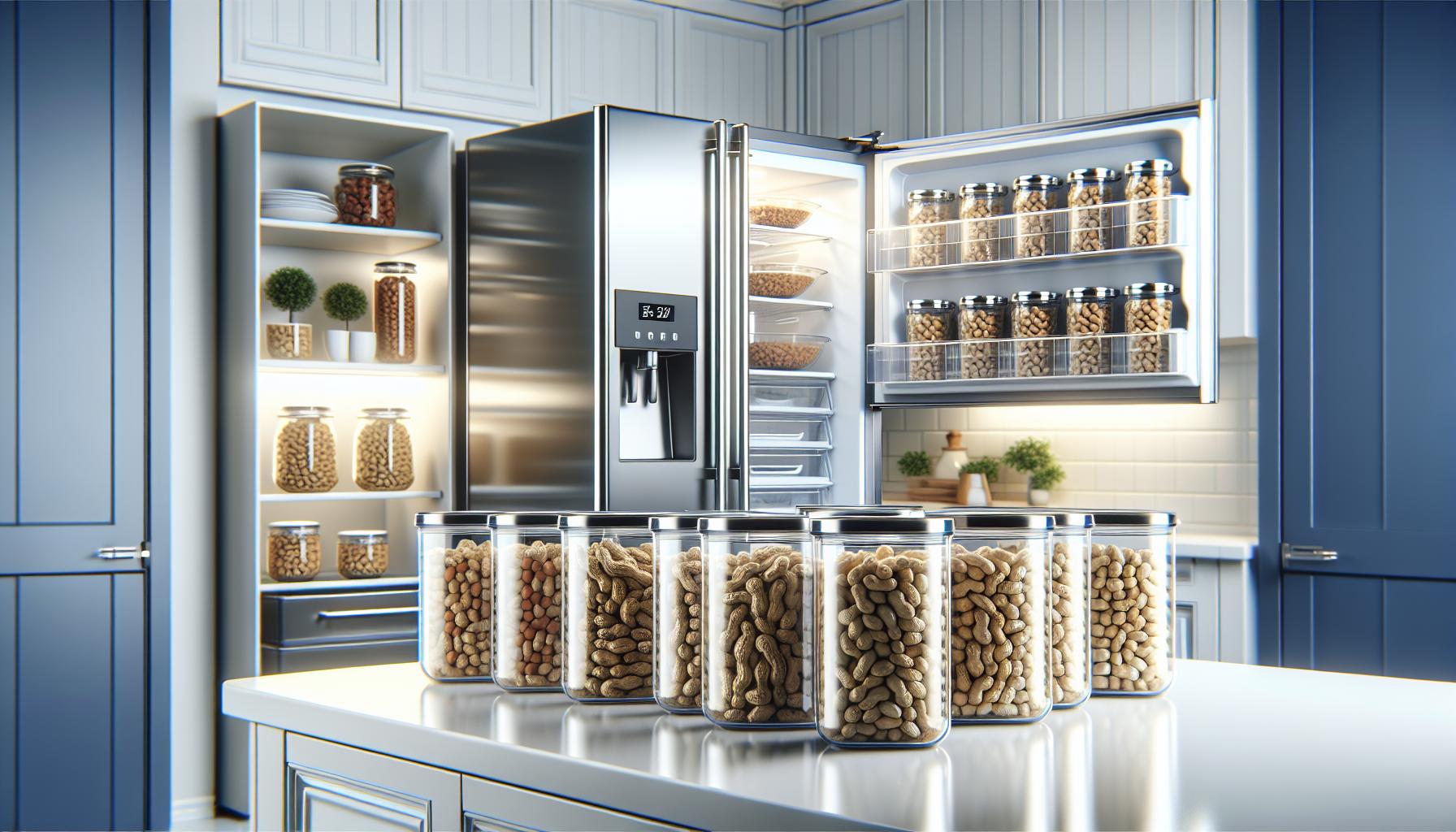
Proper Storage Techniques for Boiled Peanuts
To maximize the freshness and longevity of boiled peanuts, proper storage techniques are essential. After cooking, let the boiled peanuts cool to room temperature before transferring them to the refrigerator. This cooling process helps prevent condensation from forming inside the storage container, which can lead to spoilage.
One of the best practices for storing boiled peanuts is to use an airtight container. This minimizes exposure to air, reducing moisture and preventing the peanuts from drying out or absorbing unwanted odors from the fridge. If you don’t have an airtight container, a resealable plastic bag will suffice; simply expel as much air as possible before sealing.
Boiled peanuts can generally be stored in the fridge for up to one week. However, if you’re looking to extend their shelf life, consider freezing them. When freezing, make sure to portion them properly to avoid thawing more than needed at once. You can place them in freezer bags, allowing for easy access later. Properly stored boiled peanuts can last for several months in the freezer without a significant loss of flavor or quality.
When you’re ready to enjoy your stored boiled peanuts, simply thaw them in the refrigerator or for a quicker option, microwave them in short intervals until warmed through. Storing boiled peanuts correctly not only ensures they remain delicious but also helps you minimize waste and enjoy this tasty snack whenever the craving strikes.
Can You Freeze Boiled Peanuts? Pros and Cons
Freezing boiled peanuts is an excellent way to preserve their savory flavor and enjoy this delightful snack long after they’ve been cooked. By doing so, you can bypass the one-week shelf life in the refrigerator and extend their usability for several months. However, before you grab that freezer bag, it’s important to weigh both the advantages and disadvantages of freezing boiled peanuts.
On the plus side, freezing boiled peanuts allows you to keep them fresh without compromising their taste. When properly stored, they can maintain their delicious flavor and texture for up to six months. This is particularly beneficial if you’ve boiled a large batch and want to savor them gradually. To freeze efficiently, portion the peanuts into meal-size servings, placing them in resealable freezer bags. Squeeze out as much air as possible before sealing to prevent freezer burn. For easy access, label the bags with the date of freezing.
Despite these benefits, there are some potential drawbacks to consider. While freezing helps to preserve the peanuts, the thawing process might affect their texture slightly, making them a bit softer. When reheating, it’s essential to do so gently-either by microwaving in short bursts or simmering in hot water. This helps mitigate any texture changes and ensures the peanuts are warmed evenly. Additionally, if not stored correctly, there’s a risk of freezer burn, which can detract from their taste.
In conclusion, freezing boiled peanuts is a practical way to enjoy them at your convenience, provided you adhere to proper storage methods. By considering both the pros and cons, you’ll be better equipped to make the most of this beloved snack, ensuring it remains as enjoyable as the day it was cooked.
Health Benefits of Snacking on Boiled Peanuts
Boiled peanuts are not just a flavorful snack; they also offer a range of health benefits that can make them a nutritious addition to your diet. Rich in protein, healthy fats, and essential vitamins and minerals, boiled peanuts can contribute to overall wellness while being a delightful treat. Their low glycemic index means they release sugar slowly into the bloodstream, making them a suitable choice for those monitoring their blood sugar levels.
One of the standout nutrients in boiled peanuts is their high antioxidant content. They are a good source of resveratrol, which has been linked to numerous health benefits, including heart health and cancer prevention. Regular consumption of boiled peanuts may support heart health by promoting good cholesterol levels and reducing the risk of cardiovascular diseases. Moreover, their dietary fiber content aids digestion and can help maintain a feeling of fullness, which is beneficial for weight management.
Nutritional Highlights
Boiled peanuts provide an impressive array of nutrients, including:
- Protein: Approximately 8 grams per ounce, making them a great plant-based protein source.
- Healthy Fats: Primarily unsaturated fats, which are beneficial for heart health.
- Vitamins and Minerals: Rich in Vitamin E, magnesium, folate, and phosphorus.
These attributes not only make boiled peanuts a satisfying snack but also a versatile one. They can be enjoyed as is, added to salads for a crunch, or even blended into dips. Incorporating them into your diet can be as simple as keeping a batch in the fridge-ensuring that they are consumed while still fresh for maximum health benefits.
Ultimately, snacking smartly is about making choices that support your health goals, and boiled peanuts certainly fit the bill. With proper storage techniques, you can enjoy this nutritious snack for up to a week in the refrigerator, allowing for convenient, healthful snacking whenever you desire.
Creative Ways to Enjoy Leftover Boiled Peanuts
Leftover boiled peanuts offer an exciting opportunity to get creative in the kitchen, transforming an already delicious snack into a variety of unique dishes. Beyond just snacking straight from the fridge, there are numerous ways to incorporate these nutritious treasures into your meals. They not only elevate the flavor of dishes but also provide a boost of protein and healthy fats.
One simple yet delightful way to enjoy boiled peanuts is by tossing them into salads. Their rich, nutty flavor adds texture and depth. You can mix them with greens, cherry tomatoes, cucumbers, and a tangy vinaigrette for a refreshing meal. Alternatively, consider making a boiled peanut salsa by blending them with diced tomatoes, onions, cilantro, lime juice, and jalapeños. This chunky salsa can be served with tortilla chips or as a topping for grilled chicken or fish.
Boiled peanuts can also shine in more traditional culinary applications. For example, you can incorporate them into soups or stews, where they can absorb flavors and add heartiness. Simply add chopped boiled peanuts to your favorite vegetable or chicken soup during the last few minutes of cooking. Another distinct twist is creating a creamy dip; blend boiled peanuts with cream cheese, garlic, and herbs for a savory spread that pairs perfectly with crackers or vegetable sticks.
If you’re looking for a sweet treat, consider incorporating boiled peanuts into baked goods. Try adding them to cookie dough or muffin batter for an unexpected crunch, or use ground boiled peanuts to replace some of the flour in recipes for added nuttiness. The versatility of boiled peanuts allows for endless experimentation, so don’t hesitate to explore new flavor combinations that suit your taste.
By thinking outside the box, leftover boiled peanuts can be transformed into a variety of dishes that not only minimize waste but also enhance your culinary experience. Whether you choose to use them in salads, dips, or baked goods, they can easily become a star ingredient in your kitchen.
Common Mistakes in Storing Boiled Peanuts
Storing boiled peanuts may seem straightforward, but there are several common pitfalls that can lead to spoilage or diminished quality. One major mistake is not allowing the peanuts to cool properly before refrigeration. Placing hot peanuts directly into the fridge can create condensation, leading to moisture accumulation, which promotes mold growth. To avoid this, let boiled peanuts cool to room temperature on the counter for about an hour before transferring them to an airtight container.
Another issue arises from improper sealing of storage containers. Leaving boiled peanuts in loosely covered containers can expose them to air, increasing the risk of spoilage and making them dry out quickly. Always use airtight containers or resealable bags to protect your peanuts from moisture and air exposure. Additionally, it’s wise to label the containers with the date of storage to keep track of freshness. Boiled peanuts typically last about 7 to 10 days in the refrigerator when stored correctly.
Storing boiled peanuts in the wrong spot in the fridge can also be problematic. For optimal freshness, keep them in the main compartment rather than the fridge door, where temperatures fluctuate more. Moreover, frequent opening and closing of the fridge can further affect the temperature stability of the peanuts. If you notice a slight change in smell or if the peanuts develop a slimy texture, it’s best to discard them, as these can be indicators of spoilage.
By avoiding these common mistakes-cooling properly, sealing tightly, storing at the right temperature, and monitoring freshness-you can extend the life of your boiled peanuts. Taking these steps ensures that your snack remains delicious and safe to enjoy throughout the week.
How to Reheat Boiled Peanuts Safely
When it comes to enjoying boiled peanuts, ensuring they are reheated safely is crucial for both flavor and food safety. Reheating not only revitalizes their texture and taste but also reduces any potential bacteria growth that may occur during storage. The goal is to bring the peanuts back to a tasty and safe eating temperature without compromising their delightful soft texture.
One of the best methods to reheat boiled peanuts is using the stove. Simply transfer the desired amount into a pot and add a small amount of water to create steam. Heat over medium-low heat, stirring occasionally until they are heated through, usually taking about 5-10 minutes. Be cautious not to let them boil vigorously, as this can cause them to break apart and lose their characteristic texture. For those who prefer a quicker method, using the microwave is also effective. Place the peanuts in a microwave-safe bowl, add a splash of water, cover with a damp paper towel, and microwave in short intervals of 30 seconds, stirring between each interval until thoroughly heated.
Another option for reheating is the oven. Preheat your oven to 350°F (175°C), spread the boiled peanuts on a baking sheet, and cover them with aluminum foil to keep moisture in. Heat for about 15-20 minutes or until they reach the desired temperature. While this method takes longer, it can infuse some additional warmth without compromising the texture.
Regardless of your reheating method, it’s essential to ensure the peanuts are consumed within a reasonable timeframe after refrigeration. Aim to eat reheated boiled peanuts within one week of cooking to maintain the best quality and safety. By following these steps, you can enjoy your boiled peanuts fresh and delicious, anytime.
Flavoring Variations for Boiled Peanuts
Boiled peanuts are a delicious snack on their own, but the flavor possibilities are virtually endless. By experimenting with various seasonings and additions, you can elevate their taste and make them even more enjoyable. Instead of just boiling your peanuts in plain water, consider infusing them with robust flavors that will tantalize your taste buds and leave you eager for more.
One popular flavoring method is to incorporate spices and herbs directly into the boiling water. Here are some enticing options to try:
- Cajun Spices: Add a few tablespoons of Cajun seasoning for a spicy kick that brings the essence of Southern cuisine right to your kitchen.
- Garlic and Onion: Toss in minced garlic and onion powder to impart a savory depth that complements the natural nutty flavor.
- Smoked Paprika: This adds a subtle smokiness that pairs beautifully with boiled peanuts, evoking the warmth of a campfire.
- Chili Flakes: For heat lovers, a sprinkle of chili flakes can make your peanuts extra zesty.
- Sea Salt and Vinegar: After boiling, toss the peanuts in a mixture of sea salt and a splash of vinegar for a tangy twist.
In addition to various spices, consider adding other ingredients to the cooking process for a distinctive flavor profile. For example, you can boil your peanuts in a broth made from chicken or vegetable stock instead of plain water, enhancing the overall taste. If you love a bit of excitement, add a few slices of jalapeños to the water for a spicy infusion. The result is a delightful layer of flavor that transforms plain peanuts into an unforgettable snack.
Once your boiled peanuts are seasoned to perfection, don’t forget that leftovers can still be fun! You can dry roast them in the oven after seasoning to create a crunchy snack or toss them in a salad for an unexpected protein addition. Enjoying boiled peanuts becomes an adventure in flavor exploration, ensuring you never tire of this nutritious and satisfying snack.
The Nutritional Value of Boiled Peanuts
Boiled peanuts are not only a delightful treat but also pack a nutritional punch that can benefit your snacking habits. Unlike traditional dry peanuts, boiling peanuts significantly increases the bioavailability of their nutrients, making them an excellent source of both protein and essential vitamins. A standard serving (about 1 cup) of boiled peanuts contains approximately 270 calories, with a remarkable balance of macronutrients that supports a healthy lifestyle.
These legumes are rich in protein, providing about 13-15 grams per serving, which makes them a satisfying snack choice for those looking to boost their protein intake without resorting to unhealthy options. Additionally, boiled peanuts are loaded with healthy fats, primarily monounsaturated fats, which are known to promote heart health by lowering bad cholesterol levels while increasing good cholesterol.
Moreover, boiled peanuts are a great source of key vitamins and minerals. They are particularly high in Vitamin E, a potent antioxidant that supports immune function and skin health, along with minerals like magnesium, phosphorus, and potassium. These nutrients contribute to bone health and regulate blood pressure, showcasing how snacking on boiled peanuts can align with a balanced diet.
For those watching their carbohydrate intake, boiled peanuts are also a wise choice, with only about 30 grams of carbohydrates per serving, most of which come from fiber. This fiber content aids in digestion and helps maintain steady blood sugar levels, making them suitable for various dietary needs. To enhance your understanding, here’s a quick breakdown of per serving:
| Nutrient | Amount per 1 cup (approximately 150g) |
|---|---|
| Calories | 270 |
| Protein | 13-15 grams |
| Fat | 22 grams |
| Carbohydrates | 30 grams |
| Fiber | 8 grams |
| Vitamin E | 2.5 mg (12% DV) |
| Magnesium | 50 mg (13% DV) |
In summary, incorporating boiled peanuts into your diet not only satisfies your snack cravings but also provides essential nutrients that contribute to overall health. Whether you enjoy them on their own or as part of a dish, boiled peanuts are a powerhouse snack that supports energy levels and nutrition seamlessly.
Frequently Asked Questions About Boiled Peanuts
Boiled peanuts are not only delicious but also a popular snack enjoyed by many. However, common questions arise regarding their shelf life, storage, and safety. To help you enjoy your boiled peanuts fresh and flavorful, here are essential answers to frequently asked questions.
One of the primary concerns is the duration boiled peanuts last in the fridge. Typically, when properly stored in an airtight container, boiled peanuts can be kept in the refrigerator for about 4 to 7 days. It’s vital to prioritize food safety; if the peanuts develop an off smell, strange color, or slimy texture, it’s best to discard them.
For those wondering about freezing, boiled peanuts can indeed be frozen for longer preservation. They should be placed in freezer-safe bags or containers, removing as much air as possible before sealing. Frozen boiled peanuts can last for up to 6 months; however, for optimal taste and texture, consuming them within the first 3 months is recommended.
When reheating, simply place them in boiling water for a few minutes or use a microwave. Avoid reboiling multiple times, as this can affect their texture and flavor. Adding a pinch of salt or your favorite seasonings while reheating can enhance their taste. Always ensure to check them for any signs of spoilage before consuming.
In summary, following proper storage techniques and being aware of the signs of spoilage will help you enjoy boiled peanuts at their best, making them a delightful and nutritious snack anytime.
Frequently Asked Questions
Q: How can you tell if boiled peanuts are bad?
A: You can tell if boiled peanuts are bad by checking for an off smell, mold, or a slimy texture. If they taste sour or have an unpleasant texture, it’s best to discard them. Proper storage can help prevent spoilage. For more details, see our section on signs of spoilage.
Q: Can you eat boiled peanuts after the expiration date?
A: Eating boiled peanuts past their expiration date is not recommended. They can spoil even before the printed date if not stored correctly. Always check for signs of spoilage before consuming, as it’s crucial for food safety.
Q: What’s the best way to store boiled peanuts?
A: The best way to store boiled peanuts is to keep them in an airtight container in the fridge. Ensure they are fully cooled before sealing to prevent moisture buildup, which can lead to spoilage. Check our section on proper storage techniques for more tips.
Q: Can you heat boiled peanuts in the microwave?
A: Yes, you can heat boiled peanuts in the microwave. Place them in a microwave-safe bowl, add a few drops of water, cover loosely, and heat for 30-second intervals until warm. For safe reheating instructions, refer to our section on reheating methods.
Q: Are boiled peanuts healthy snacks?
A: Yes, boiled peanuts are a healthy snack option, rich in protein, fiber, and healthy fats. They can help keep you full and provide essential nutrients. Explore the health benefits section for more nutritional insights.
Q: How long do boiled peanuts last once opened?
A: Once opened, boiled peanuts can last in the fridge for about 3 to 5 days if stored properly in an airtight container. For long-term storage, consider freezing them. See our section on freezing for more information.
Q: Can boiled peanuts be eaten cold?
A: Yes, boiled peanuts can be eaten cold. They retain their flavor and texture, making them a convenient snack right from the fridge. If you want, you can enjoy them warm as well.
Q: How do you re-season boiled peanuts?
A: To re-season boiled peanuts, soak them in a brine solution for a few hours, then reheat. This method allows them to absorb flavors while warming up. Check our flavoring variations section for more seasoning ideas.
In Summary
Now that you know how to store boiled peanuts for maximum freshness, enjoy them at their best while following our safety tips! Remember, boiled peanuts can last up to a week in the fridge, but why wait? Snack on them sooner rather than later to savor their deliciousness. If you want to dive deeper into food storage tips, check out our article on “Best Practices for Storing Nuts” or discover how to extend the life of your other favorite snacks.
Don’t forget to share your own experiences with boiled peanuts in the comments below! Your insights could help fellow peanut lovers. Join our newsletter for more expert food safety advice and tasty snack ideas, so you never miss out on making the most of your culinary adventures. Keep snacking fresh, and explore our related content for more bites of knowledge!


