Peeled garlic is a staple in many kitchens, offering convenience and flavor, but how long can it stay fresh in the fridge? Understanding the lifespan of peeled garlic is crucial for maintaining both the quality of your meals and your health. Improper storage can lead to spoilage and waste, impacting both your cooking plans and your grocery budget.
Did you know that peeled garlic can last significantly longer than whole bulbs when stored correctly? This article will delve into the optimal storage methods and timelines to ensure your garlic remains safe and flavorful. By following some simple guidelines, you can easily incorporate this aromatic ingredient into your dishes without worrying about freshness. Read on to discover how to keep your peeled garlic vibrant and ready to use!
How Long Does Peeled Garlic Last in the Fridge?
Peeled garlic is a beloved ingredient in many kitchens, renowned for its flavor and health benefits. However, to make the most of its delicious properties, it’s essential to know how long it can last in the fridge. When stored properly, peeled garlic can typically remain fresh for about one week. This timeframe, though somewhat flexible, hinges on various factors including temperature, humidity, and the overall quality of the garlic prior to peeling.
To maximize the shelf life of peeled garlic, always store it in an airtight container or tightly wrapped in plastic wrap. This prevents exposure to air, which can lead to spoilage or the development of strong odors that can permeate other foods. Be vigilant about the refrigerator’s temperature, as it should ideally be kept at or below 40°F (4°C). Keeping peeled garlic in the main compartment rather than the door can further assist in maintaining its freshness due to fewer temperature fluctuations.
If you find yourself with leftover peeled garlic, you might wonder about the best ways to store it or if freezing is an option. While freezing peeled garlic is a viable alternative – allowing it to last for several months – the texture may change upon thawing, leading to a softer consistency. So, while fresh peeled garlic holds its charm for about a week, proper storage techniques can greatly enhance its longevity and usability in a variety of dishes.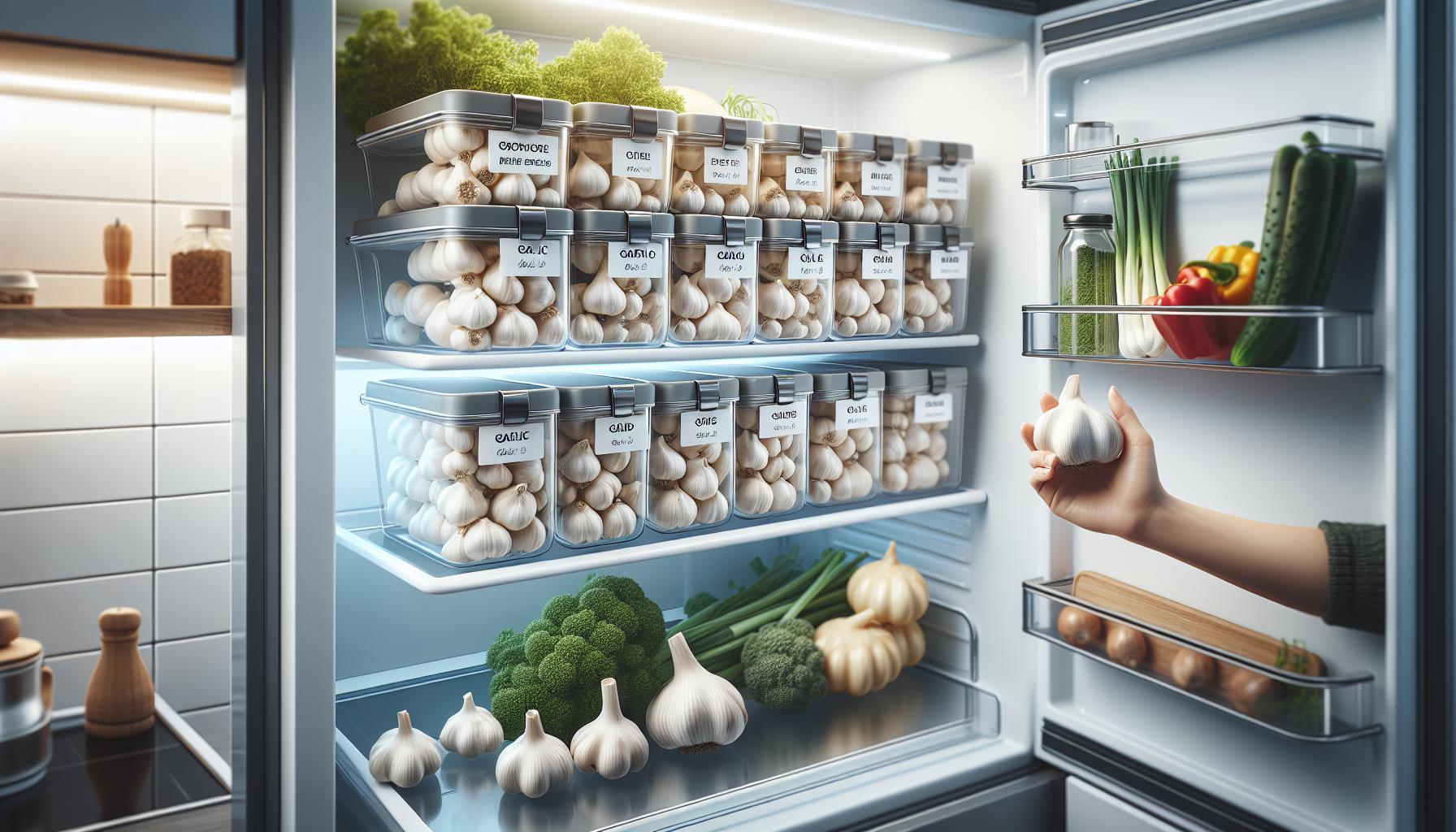
Factors Affecting the Freshness of Peeled Garlic
The freshness of peeled garlic is influenced by several key factors that can determine its shelf life and usability in the kitchen. Understanding these elements can help you make informed decisions about storage and usage, ensuring that your garlic remains flavorful and safe to eat.
Quality at Purchase
The initial quality of garlic is paramount. When selecting garlic for peeling, choose bulbs that are firm and dry, with no signs of sprouting or soft spots. Fresh garlic bulbs contain moisture that can stem from storage conditions; this excess moisture promotes bacterial growth once the bulbs are peeled. Thus, the fresher the garlic you start with, the longer it will last once peeled.
Storage Conditions
Optimal storage conditions play a critical role in extending the shelf life of peeled garlic. Store garlic in an airtight container or tightly wrapped to minimize exposure to air, which can lead to oxidation and spoilage. The temperature is also crucial-ideally, garlic should be kept at or below 40°F (4°C) in the refrigerator. Avoid storing garlic in the refrigerator door; this area experiences more temperature fluctuations due to frequent opening and closing, which can accelerate spoilage.
Humidity Levels
Humidity in the storage environment impacts the longevity of peeled garlic significantly. High humidity can encourage mold growth, while an excessively dry environment can dehydrate garlic. Aim for a moderate humidity level to keep the garlic moist without creating a breeding ground for bacteria or mold. If you live in a particularly humid area, consider using a desiccant in the storage container to control excess moisture.
Handling Practices
Finally, handling peeled garlic properly is essential for maintaining its freshness. Always use clean utensils when handling garlic, and avoid touching it with wet hands to prevent contamination. If using only a portion of your peeled garlic, be sure to seal any remaining pieces quickly. Heat and light exposure can also deteriorate the garlic’s quality, so store it away from direct sunlight and in a cool, dark place whenever possible.
By recognizing and addressing these factors, you can extend the useful life of your peeled garlic, transforming your cooking experiences with fresh, potent flavors while ensuring food safety.
Signs Your Peeled Garlic Has Gone Bad
When it comes to peeled garlic, timing and observation are key factors in ensuring you’re using only the freshest ingredients in your kitchen. Although stored properly in an airtight container in the fridge, peeled garlic can still lose its quality over time, and recognizing the signs that it has gone bad can prevent food waste and potential health risks.
One of the first indicators of spoiled peeled garlic is an off or sour smell. Fresh garlic emits a pungent but pleasant aroma, while spoiled garlic can develop a rancid odor that’s unmistakable. If the garlic smells off in any way, it’s best to discard it. Additionally, inspect the garlic for texture. Fresh peeled cloves should be firm and crisp. If you notice any softness or mushiness, it’s a clear sign that the garlic is past its prime.
Another telltale sign is the appearance of sprouts or discoloration. Green shoots emerging from the cloves indicate that the garlic is beginning to sprout, which can alter its flavor, making it more bitter. While sprouted garlic is still safe to eat, it’s generally better to avoid using it, especially in dishes where garlic is the star ingredient. Discoloration, such as dark spots or any signs of mold, is also a red flag. If you see any undesirable spots, it’s safer to throw the garlic away rather than cutting around the blemishes.
To sum up, be proactive in checking your peeled garlic. Regularly assess its smell, texture, sprout status, and general appearance to ensure you’re cooking with the best possible ingredients. By being vigilant about these signs, you can keep your meals flavorful and safe.
Best Storage Practices for Peeled Garlic
Storing peeled garlic properly can extend its shelf life significantly while maintaining its flavor and potency. When handled carefully, peeled garlic can last up to a week in the fridge, but the way you store it makes all the difference. Airtight containers are essential; they help prevent the garlic from drying out and absorbing odors from other foods. Glass jars or plastic food storage containers with tight-fitting lids are ideal for this purpose. Always ensure the cloves are completely dry before placing them in the container, as moisture can lead to mold growth.
To keep your peeled garlic fresh for longer, establish a habit of checking the storage conditions regularly. Ideally, your fridge should be set at or below 40°F (4°C), as this temperature hinders bacterial growth. For added protection, consider layering the garlic cloves with paper towels inside the container; this helps absorb any excess moisture. It’s also a good idea to avoid placing the garlic near fruits, particularly apples and bananas, which emit ethylene gas that can accelerate spoilage.
Can You Freeze Peeled Garlic?
If you find you have more peeled garlic than you can use within a week, freezing is a great option. To freeze peeled garlic, simply place the cloves in a single layer on a baking sheet and freeze them until solid. Once frozen, transfer the cloves to a freezer-safe bag or container. Frozen garlic can last for several months without losing its flavor. You can also consider making garlic paste by blending peeled cloves with a bit of oil before freezing, creating a convenient ingredient for future dishes. Just remember, while frozen garlic is safe to eat indefinitely, for the best flavor, try to use it within three to six months.
By following these storage practices, you ensure that your peeled garlic remains fresh, flavorful, and ready to enhance your culinary creations. Always remember to check for any signs of spoilage before use, helping to safeguard your health and elevate your meals.
Can You Freeze Peeled Garlic?
Freezing peeled garlic is an excellent method to prolong its shelf life while preserving its distinct flavor. This technique allows home cooks to have garlic on hand without the concern of spoilage. When freezing peeled garlic, the key is to ensure that it is adequately prepared to maintain quality.
Start by rinsing the garlic cloves and patting them dry with a clean towel. Arrange the peeled cloves in a single layer on a baking sheet lined with parchment paper. This step prevents the cloves from sticking together during the freezing process. Place the tray into the freezer until the cloves are frozen solid-usually taking about 1-2 hours. Once frozen, transfer them to a freezer-safe bag or airtight container, removing as much air as possible to prevent freezer burn. Label the bag with the date; frozen garlic is best used within three to six months for optimal flavor, though it remains safe to eat indefinitely.
For added convenience, consider creating garlic paste before freezing. Blend peeled cloves with a small amount of oil into a smooth mixture and store it in ice cube trays. Once frozen, transfer the cubes to a freezer-safe bag. This method enables you to have ready-to-use garlic doses for cooking, making meal prep faster and easier.
When you’re ready to use frozen garlic, there’s no need to thaw it; simply add the frozen cloves or paste directly to your dishes. This method not only saves preparation time but also keeps your cooking flavorful, making it easier to incorporate garlic into your favorite recipes.
How to Extend the Shelf Life of Peeled Garlic
To get the most out of your peeled garlic, implementing proper storage techniques is crucial for maximizing its shelf life while preserving its zest. Freshly peeled garlic typically lasts 1 to 2 weeks in the refrigerator, but with the right strategies, you can extend its usability noticeably.
One effective method is to store peeled garlic in an airtight container, which will minimize exposure to air and moisture that can lead to spoilage. Additionally, placing a layer of paper towels inside the container can help absorb any excess moisture, further prolonging freshness. For even better results, consider submerging the peeled cloves in oil. This not only enhances the flavor but serves as a barrier against oxygen. However, remember to refrigerate this oil and consume it within a week to prevent botulism-a serious but rare food safety concern.
Another innovative approach to prolong the life of peeled garlic is to utilize the freezer. By isolating each clove on a baking sheet until frozen and then transferring them to a sealed bag, you can enjoy garlic’s flavor for up to six months without the worry of spoilage. If you frequently use garlic in your cooking, preparing garlic paste and freezing it in ice cube trays can make meal prep a breeze, offering immediate, hassle-free access to garlic for any dish.
These straightforward practices will help you keep your peeled garlic fresh and ready for use, reducing waste while ensuring that iconic garlic flavor is always at your fingertips.
Using Garlic Beyond Its Freshness Date
Using peeled garlic beyond its freshness date requires an understanding of both safety guidelines and creative culinary approaches. While fresh peeled garlic usually maintains its best quality for about 1 to 2 weeks when refrigerated, many cooks find ways to utilize slightly old garlic without compromising flavor or safety.
When seeking to extend the life of peeled garlic, first assess its condition. If you notice any sprouts, soft spots, or discoloration, it’s a good idea to discard those cloves. However, if the garlic has merely started to lose its freshness but still looks and smells good, it can often be repurposed effectively. Consider using it in cooked dishes where the garlic will be subjected to heat, such as soups, stews, or stir-fries. Cooking can mask small defects and bring out a milder flavor profile that blends well in many recipes.
Another innovative method to utilize garlic that’s nearing the end of its prime is to create garlic-infused oil or paste. By blending or finely chopping the garlic and mixing it with oil, you can create a potent condiment that enhances various dishes. Keep in mind that homemade garlic oil should be refrigerated and consumed within a week to prevent the risk of botulism.
Finally, if you find yourself with more garlic than you can use before it goes bad, consider freezing it. Depending on your preference, you can freeze individual cloves or create a garlic paste. Simply blend peeled garlic with a small amount of oil, pour it into ice cube trays, and freeze. Once solid, transfer the cubes to a sealed bag where they can last for up to six months. This approach not only minimizes waste but ensures that you have convenient portions of garlic readily available for your cooking needs.
Peeled Garlic Preparation Tips for Maximum Freshness
Peeled garlic is a kitchen staple known not only for its robust flavor but also for its health benefits. However, keeping it fresh can be a challenge. To maximize the freshness of peeled garlic, start by properly storing it right after peeling. Always place peeled garlic cloves in an airtight container and refrigerate them as soon as possible. This minimizes exposure to air and helps slow down the degradation process. Ideally, use the peeled garlic within 1 to 2 weeks for the best flavor and quality.
Another key tip for maintaining garlic freshness is to prevent moisture buildup, which can encourage mold growth. When storing peeled garlic, you can line the container with a paper towel to absorb excess moisture. If you’re working with a large batch of peeled garlic, consider individually wrapping the cloves in paper towels, then placing them in an airtight bag or container. This method helps maintain the right balance of moisture and air circulation, further extending the shelf life.
In addition to proper storage, consider the environment in which your garlic is kept. Garlic is best stored in a consistent, cool temperature away from strong odors, which can easily penetrate and alter its flavor. Avoid storing it near fruits and vegetables that emit ethylene gas-like apples and bananas-as this can cause garlic to sprout more quickly. For those who prefer a more proactive approach, using the peeled garlic in a variety of dishes can also help you consume it before it loses its potency. Incorporating it into sauces, marinades, and cooking dishes can elevate flavors while ensuring you use it fresh.
Should your peeled garlic start to lose its vitality, don’t discard it outright. Instead, consider using it in cooked dishes where it can soften and blend in well, masking any subtle imperfections. This approach not only prevents waste but also keeps your cooking vibrant and flavorful.
Common Mistakes When Storing Peeled Garlic
Peeled garlic is a flavorful and nutritious ingredient that can easily become less effective if not stored properly. Many people unknowingly make mistakes that reduce its shelf life and flavor potential. One common error is failing to use airtight containers for storage. Without proper sealing, garlic cloves are exposed to air, leading to oxidation, which can result in that characteristic bitter taste and a decline in freshness. Instead, ensure each clove is tightly sealed in a container specifically designed to minimize airborne contaminants.
Another frequent misstep is neglecting humidity control. Garlic thrives in dry environments, so when you store peeled garlic in moist conditions, it can promote mold growth. To combat this, line the storage container with a paper towel to absorb excess moisture and keep the garlic dry. For best results, consider individually wrapping each clove in a paper towel before placing them together in the container. This not only helps with moisture control but also allows for better air circulation.
Additionally, some people unknowingly store peeled garlic next to ethylene-producing fruits like apples and bananas. Ethylene gas can accelerate sprouting and spoilage in garlic, so keeping them apart is crucial. The ideal storage location for peeled garlic is in a cool, dark section of your refrigerator, far from strong-smelling foods and produce.
Lastly, be mindful of the duration garlic is stored. While peeled garlic can last in the fridge for about 1 to 2 weeks, often people mistakenly assume it remains fresh indefinitely. Regularly check for signs of spoilage, such as soft spots, discoloration, or an off smell. Remember, the goal is not just to extend the life of your garlic, but also to preserve its robust flavor, ensuring that every meal benefits from its culinary potential.
Nutritional Value of Fresh vs. Old Garlic
The nutritional profile of garlic can significantly change over time, particularly when it has been peeled and stored. Fresh garlic is not only revered for its robust flavor but also for its potential health benefits, which primarily stem from its active compounds, such as allicin. This compound, responsible for garlic’s distinct smell and numerous health benefits, is most potent in fresh garlic cloves. As garlic ages, especially beyond its optimal storage duration of 1 to 2 weeks in the fridge, the allicin content may diminish, leading to reduced nutritional potency and flavor intensity.
When comparing fresh and old garlic, it is essential to consider the composition of key nutrients. Fresh garlic typically contains healthy doses of vitamins C and B6, manganese, and selenium. Additionally, it possesses significant antibacterial, antifungal, and antiviral properties, which contribute to various health benefits, including improving immune function and reducing blood pressure levels. As garlic ages, the degradation of these nutrients can be accelerated by exposure to air, moisture, and heat, which not only affects its nutritional quality but also leads to the development of undesirable flavors.
To maximize the health benefits of garlic, proper storage and timely usage are crucial. When storing peeled garlic, ensure it remains in an airtight container to protect it from oxidation. Monitor its freshness regularly, as the signs of spoilage-such as discoloration, soft spots, or an off smell-indicate that the garlic’s nutritional value has likely diminished.
Ultimately, fresh garlic is significantly more beneficial than older garlic, with both flavor and nutrient content peaking shortly after peeling. Exploring various methods of using garlic, such as roasting or infusing oils while it’s still fresh, can help preserve and enjoy its nutritional value to the fullest. To ensure you benefit from these health properties, aim to consume garlic within a week or two of peeling and be mindful of the storage practices employed.
Creative Uses for Leftover Peeled Garlic
Leftover peeled garlic can be an overlooked treasure in the kitchen, providing robust flavor and health benefits even after its initial use. When you find yourself with an excess of peeled garlic, consider utilizing it in various fascinating ways to enhance your dishes and reduce waste while maintaining safety and quality.
One delicious option is to infuse oils with the leftover peeled garlic. Simply add the cloves to a saucepan with a neutral oil like olive or canola, and heat gently. Once the garlic is golden and aromatic, strain the oil and use it for dressings, marinades, or cooking. Infused garlic oil can bring depth to pasta dishes, roasted vegetables, or grilled meats. Ensure to store the infused oil in the refrigerator and use it within one week to prevent spoilage.
Another creative use for leftover peeled garlic is making garlic paste, which can be easily incorporated into various recipes. Blend the cloves with a bit of salt until you achieve a smooth paste. This can be used immediately in stews, sauces, or as a seasoning for meats and fish. You can also freeze the paste in ice cube trays for easy portioning later; just be sure to transfer the cubes to a freezer-safe container once frozen and use them within six months.
For those who enjoy cooking, consider roasting the peeled garlic to develop its sweet, mellow flavor. You can toss it with olive oil, salt, and herbs, then roast it in the oven until golden brown. The roasted garlic can then be spread on bread, added to mashed potatoes, or mixed into soups and dips for extra flavor. Always allow the garlic to cool before storing it in an airtight container in the fridge, where it can last for about a week.
Using leftover peeled garlic is not just about maximizing flavor; it’s also a step towards a more sustainable kitchen. By repurposing what might otherwise go to waste, you enhance your cooking while remaining mindful of food safety and quality.
FAQ
Q: How can you tell if peeled garlic is still fresh?
A: Fresh peeled garlic should be firm and have a strong aroma. If it feels soft, has brown spots, or smells off, it may have gone bad. For detailed symptoms of spoilage, refer to the “Signs Your Peeled Garlic Has Gone Bad” section.
Q: What is the best way to store peeled garlic in the fridge?
A: Store peeled garlic in an airtight container in the fridge to maintain its freshness. You can also wrap it in paper towels to absorb excess moisture, which helps prolong its shelf life. See the “Best Storage Practices for Peeled Garlic” section for more details.
Q: Can you use peeled garlic after the expiration date?
A: While peeled garlic may still be usable after its expiration date, it’s essential to check for signs of spoilage. If it appears firm and odorless, it might be safe. Always refer to the “Using Garlic Beyond Its Freshness Date” section for guidelines.
Q: How long can you keep garlic cloves in oil in the fridge?
A: Garlic cloves submerged in oil should ideally be used within a week to prevent the risk of botulism. Always store them in the fridge and ensure the garlic is completely covered in oil. For safety recommendations, visit the “Best Storage Practices for Peeled Garlic” section.
Q: What can you do with garlic that has started to sprout?
A: Sprouted garlic is still safe to eat, but the taste may be bitter. You can remove the green shoots for better flavor. Consider using it in cooked dishes, as the cooking process can improve its taste. For further insights, check out the “Creative Uses for Leftover Peeled Garlic” section.
Q: Is it safe to freeze peeled garlic?
A: Yes, you can freeze peeled garlic, and it’s a great way to extend its life. Just chop or mince it, then store it in freezer-safe bags or containers. Refer to the “Can You Freeze Peeled Garlic?” section for step-by-step instructions.
Q: How long does garlic last in the freezer?
A: When properly frozen, peeled garlic can last up to six months without losing flavor or quality. Make sure it’s sealed tightly to avoid freezer burn. For more freezing tips, see the “Can You Freeze Peeled Garlic?” section.
Q: What are the benefits of using fresh garlic over dried garlic?
A: Fresh garlic has a more robust flavor and aroma compared to dried garlic, providing greater health benefits. It contains antioxidants and allicin, which are largely diminished in dried forms. For a deeper understanding, check the “Nutritional Value of Fresh vs. Old Garlic” section.
To Wrap It Up
Now that you know how long peeled garlic lasts in the fridge and the best practices to keep it fresh, you can confidently store your garlic without worry. Remember, it’s typically safe to use within 7 to 10 days, but keeping an eye on freshness will ensure you enjoy the best flavor and health benefits. For more food storage tips, check out our articles on “How to Store Fresh Herbs” and “The Best Way to Freeze Garlic” for practical advice that extends the life of your kitchen staples.
Don’t let your cooking adventures end here-explore our collection of recipe ideas that feature garlic, and consider signing up for our newsletter for more helpful insights delivered right to your inbox. Have questions or tips to share? We’d love to hear from you in the comments! Top off your culinary knowledge and keep your kitchen thriving!