Did you know that eggs are one of the most versatile ingredients in your kitchen, but their shelf life can be a bit tricky? Understanding how long eggs last in the fridge is crucial for both safety and culinary success. With fresh eggs often containing Salmonella bacteria, proper storage is essential to protect your family from foodborne illness.
In this article, we’ll walk you through the best practices for storing eggs, ensuring you maximize their freshness and minimize waste. Whether you’re a home cook trying to whip up a healthy meal or simply want to avoid tossing out eggs prematurely, our guidance will help you make informed decisions. You’ll learn how to detect freshness, optimal storage conditions, and how to tell if your eggs have gone bad. Keep reading to unlock the secrets of egg longevity and embrace safer, tastier cooking!
How Long Do Eggs Last in the Fridge?
Eggs are a staple in many kitchens, prized for their versatility and nutritional value. However, understanding their shelf life is crucial for both safety and culinary quality. When stored properly in the refrigerator, fresh eggs can last for up to three to five weeks beyond the purchase date, maintaining optimal freshness. However, their longevity can be influenced by several factors, including temperature, humidity, and how they are stored.
To maximize the freshness of eggs, it’s best to keep them in their original carton, which helps reduce moisture loss and prevent the absorption of strong odors from other foods. Place the carton in the coldest part of the refrigerator, typically not in the door where temperature fluctuations occur. If you’re unsure of when the eggs were purchased, a simple freshness test can be performed: fill a bowl with water and gently place the egg in it. Fresh eggs will sink and lay flat on the bottom, while older eggs will either stand upright or float, indicating that they are no longer ideal for consumption.
Overall, knowing how long eggs last in the fridge can help you make better meal choices and reduce food waste. If stored correctly, you can enjoy your eggs for several weeks while ensuring food safety and taste. Remember, it’s always preferable to err on the side of caution-if you have any doubts about the freshness of your eggs, it’s best to discard them.
Signs of Freshness: How to Check Eggs
It’s essential to know how to assess the freshness of eggs, as using stale or spoiled eggs can lead to food safety risks. Fresh eggs are not just an ingredient; they are the foundation of countless dishes, from simple breakfasts to complex sauces. Luckily, there are straightforward tests to determine their freshness, ensuring both safety and quality in your cooking.
One of the most reliable methods is the egg float test. To perform this test, simply fill a bowl with cold water and gently submerge the egg. Here’s what you should look for:
- Fresh Eggs: They will sink and lay flat on the bottom.
- Moderately Fresh Eggs: They will stand upright or tilt, indicating they are still safe to eat but not at their peak freshness.
- Bad Eggs: If an egg floats to the surface, it has likely gone bad and should be discarded.
The science behind this test lies in the egg’s increasing size and buoyancy over time. As eggs age, the moisture and air inside them evaporate, causing them to expand and become more buoyant. Thus, a floating egg is a clear indicator that it’s time to say goodbye.
Aside from the float test, a simple smell check can also help. After cracking the egg open, if it emits an off odor, it’s a good sign that it has spoiled. Remember, the best practice is always to trust your senses-if something seems off, it’s safest to discard the egg.
By mastering these techniques, you can ensure that you’re using only the freshest eggs in your meals, maximizing both the safety and taste of your dishes.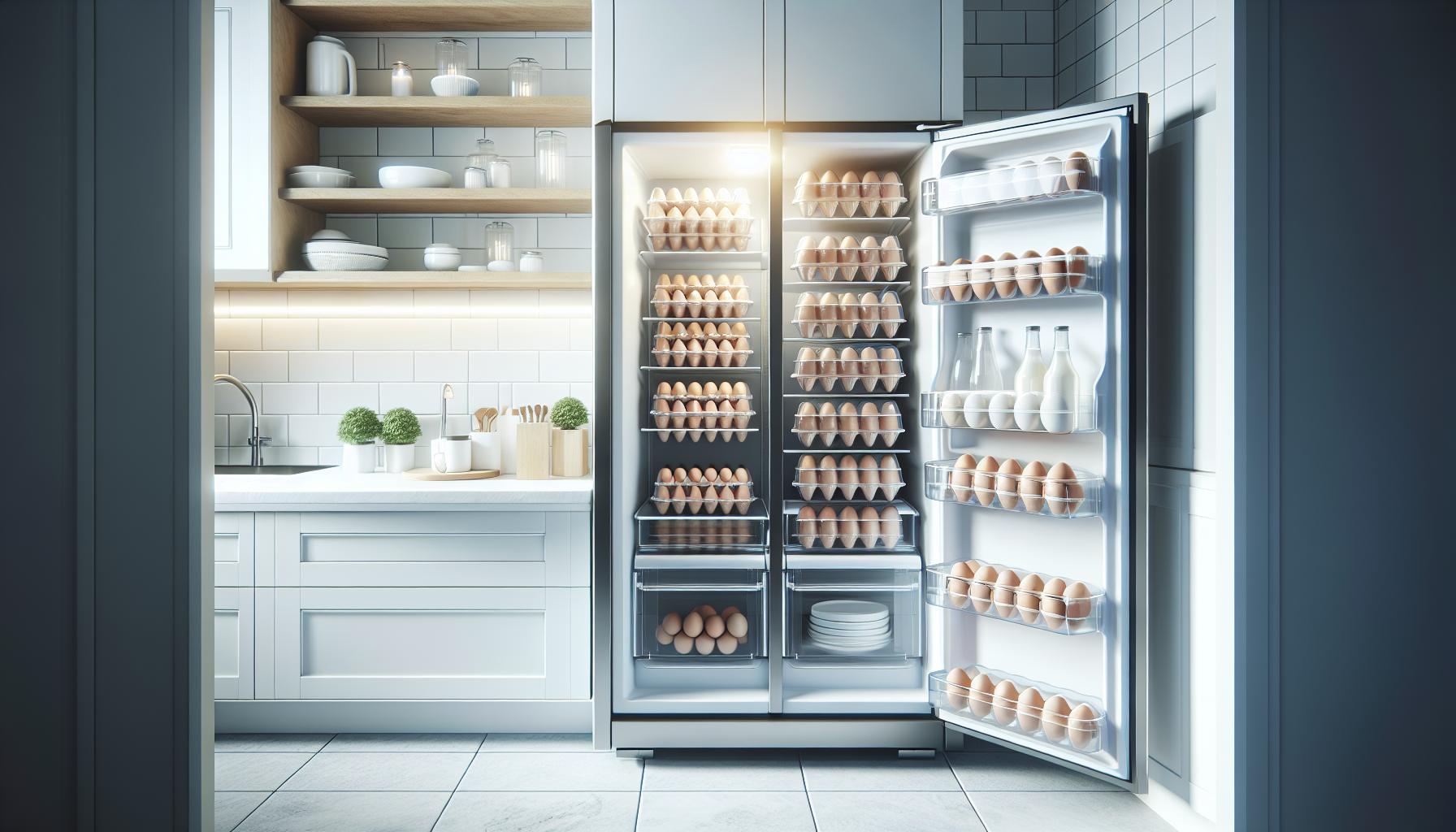
Best Practices for Proper Egg Storage
To maintain eggs at their peak freshness and safety, it’s crucial to follow effective storage practices. Proper storage can significantly extend the shelf life of eggs, allowing you to enjoy them for longer without compromising quality. Eggs are best kept in the refrigerator at a consistent temperature – ideally below 40°F (4°C). When eggs are stored at room temperature, they can age much faster, leading to a decline in both texture and flavor.
Refrigeration Techniques
Store eggs in their original carton on a middle shelf of the refrigerator rather than in the door. The door experiences frequent temperature fluctuations due to being opened and closed, which can negatively affect the eggs. The carton helps protect the eggs from absorbing odors from other foods, while also preventing moisture loss. Additionally, it’s important to keep eggs away from strong-smelling items like onions or garlic as eggs can easily absorb those odors.
Handling Eggs Safely
Upon bringing eggs home, avoid washing them until you’re ready to use them. Washing can remove the natural protective coating called the “bloom,” which helps keep bacteria out. If you must wash them for any reason, do so gently with warm water right before using, and ensure they are dried immediately. Always wash your hands before and after handling eggs to minimize the risk of cross-contamination.
Storage Duration
In general, eggs can last in the refrigerator for about 3 to 5 weeks after the purchase date. However, their shelf life might extend beyond this duration if stored correctly. For optimal safety and quality, utilize the “first in, first out” rule by consuming older eggs first. You can also mark the purchase date on the carton as a reference. Keep an eye out for signs of spoilage, such as an off odor when cracked open, which indicates it’s time to discard the egg.
Using these best practices ensures that every egg you use remains fresh, safe, and delicious, maximizing their versatility in your cooking. By adhering to these guidelines, you’ll not only preserve their quality but also make informed choices that contribute to your overall food safety.
How Long Can You Store Eggs?
Eggs are a staple in many kitchens, thanks to their versatility and nutritional profile. However, to truly enjoy their benefits, knowing how long you can store them effectively is crucial. Under optimal conditions, eggs can stay fresh in the refrigerator for approximately 3 to 5 weeks after the purchase date. This timeframe can vary depending on several factors, including the storage method used and the egg’s freshness at the time of purchase.
To ensure optimal freshness, store your eggs in their original carton on a middle shelf of the refrigerator. This placement helps maintain a stable temperature, unlike the refrigerator door, which experiences more frequent temperature fluctuations. Additionally, by keeping them in the carton, you protect the eggs from absorbing odors from other foods. If you don’t finish the eggs within the recommended timeframe, they might still be safe to eat if they are properly stored and show no signs of spoilage, such as an off odor when cracked open.
Keep track of the egg storage dates to avoid confusion. Use the “first in, first out” method by consuming older eggs first, and mark the purchase date on the carton for easy reference. With careful handling and storage, you may find that some eggs can last beyond the typical 3 to 5 weeks, especially if they are unwashed, as they retain their natural protective coating. Being mindful of these storage practices will not only maximize the longevity of your eggs but also ensure they maintain their quality throughout their shelf life.
Factors Affecting Egg Longevity
Egg storage longevity can vary significantly based on several key factors, which can influence how long eggs remain fresh and safe for consumption. Understanding these factors can help ensure that you get the most out of your eggs, whether they are store-bought or fresh from your backyard hens.
One of the most critical elements affecting egg longevity is the storage temperature. Eggs stored at consistent refrigerator temperatures around 40°F (4°C) will remain fresh longer than those exposed to temperature fluctuations, such as those in the refrigerator door. Additionally, eggs that are unwashed retain their natural protective coating, known as the “bloom,” which helps preserve freshness by preventing bacteria from entering through the pores of the shell. Therefore, unwashed eggs can often last longer than washed ones, as washing can strip away this protective layer.
The age of the eggs at purchase also plays a significant role. Freshly laid eggs will naturally last longer than eggs that have already spent time on store shelves. Always check for sell-by or expiration dates as a guideline; however, the “float test” can be a more practical approach at home. Place the egg in a bowl of water: if it sinks, it’s fresh; if it stands upright or floats, it’s best to discard it.
Additionally, the method of handling and storage contributes to egg longevity. Storing eggs in their original carton minimizes exposure to light and odors from other foods, helping to maintain their quality. Avoid frequent handling or temperature fluctuations, which can cause cracking and spoilage. Lastly, watch out for any signs of spoilage such as an off odor when cracked open.
By recognizing these factors-storage temperature, age at purchase, handling methods, and signs of spoilage-you can make informed decisions to maximize the freshness and safety of your eggs, ensuring they remain a nutritious staple in your kitchen.
Understanding Egg Expiration Dates
Understanding the labels on egg cartons can be a bit confusing, especially when it comes to expiration dates. These dates serve as a guideline for consumers to ensure the best quality and safety of the eggs they purchase. The most common dates you’ll encounter are the “sell by,” “best by,” and “expiration” dates, each signifying different aspects of freshness.
The “sell by” date indicates how long the retailer can display the eggs before they should be taken off the shelves. Typically, eggs can remain fresh for several weeks past this date if stored properly in the refrigerator at or below 40°F (4°C). The “best by” date is a recommendation for optimal freshness and flavor; consuming the eggs before this date ensures the best quality. However, many eggs can still be perfectly safe to eat for a week or two after the “best by” date, as long as they have been stored correctly.
Checking Egg Freshness
To further assess freshness beyond these labels, consider using the float test. Place the egg in a bowl of water: if it sinks, it’s fresh; if it stands upright on the bottom, it’s older but may still be usable; and if it floats, it’s best to discard it. This test works because, as eggs age, air permeates the shell, increasing buoyancy.
Storage Guidelines
For long-term storage, unwashed, fresh eggs can last between 3 to 5 weeks past the “sell by” date if kept in their original carton in the refrigerator. If you’re concerned about losing track of freshness, it’s beneficial to label your eggs with purchase dates.
In conclusion, while expiration dates provide a starting point for determining egg quality, being aware of storage guidelines and conducting a freshness test can significantly extend the usability of your eggs, ensuring you make the most of this nutritious food resource.
Freezing Eggs for Future Use: A Guide
When it comes to preserving eggs for future meals, freezing is an excellent option that many people overlook. Not only can it extend the shelf life of your eggs significantly, but it also allows for flexibility in meal planning-no more rushing to use up a carton before it spoils. Frozen eggs can last for up to a year, maintaining both their quality and nutrition, as long as they are properly prepared and stored.
To freeze eggs, you can choose between a few methods depending on your intended use. For instance, whole eggs should be beaten until just combined, then poured into a freezer-safe container or an ice cube tray for easy portioning. This method works well for baking or cooking. If you prefer to freeze only egg whites or yolks, it’s best to whisk yolks with a pinch of salt or sugar to prevent them from becoming gelatinous upon thawing. Once prepared, label your containers with the date and the contents to help track their use.
When you’re ready to use your frozen eggs, simply transfer them to the refrigerator to thaw overnight. For quicker use, you can also thaw them in a bowl of cold water. It’s important to remember that thawed eggs should be cooked immediately and not refrozen, as repeated freezing and thawing can compromise their safety and texture. Additionally, take care that eggs are not frozen in their shells, as expansion will cause them to crack and leak, leading to spoilage.
Adhering to these methods will ensure that you maximize the freshness and safety of your eggs, allowing for quick and easy meal preparation anytime. With proper freezing techniques, you can make the most of your eggs and reduce food waste, transforming them into a reliable staple in your kitchen that goes beyond the typical refrigerator storage duration.
Storage Tips for Different Egg Types
Storing eggs properly is crucial to maintaining their quality and safety, but the right methods can differ significantly depending on the type of eggs you have. From traditional chicken eggs to specialty varieties like duck or quail, understanding how to store each type can help maximize their freshness and prevent waste.
For chicken eggs, which are the most commonly consumed, refrigeration is essential. Keep them in their original carton on a middle or top shelf of the refrigerator, where the temperature is most stable. Egg cartons prevent moisture loss and protect the eggs from absorbing strong odors in the fridge. Fresh eggs stored this way can last 3 to 5 weeks beyond the pack date, depending on their initial freshness. If you buy farm-fresh eggs, be aware that they typically do not have a set expiration date, but they can still last several weeks if stored correctly.
Specialty Egg Types
Duck and quail eggs are also becoming increasingly popular, yet they require similar refrigeration practices to chicken eggs. Duck eggs are richer and have a thicker shell, which can make them last longer-up to a month in the refrigerator. Like chicken eggs, they should also be stored in their cartons. Quail eggs, on the other hand, are smaller and have a shorter shelf life, generally lasting about 2 to 3 weeks in the fridge. Given their delicate nature, handle them with care to avoid cracking.
Goose eggs are another type worth noting. They are significantly larger and should be treated like duck eggs for storage. Ensure they are refrigerated and can stay fresh for several weeks if kept properly, though it’s best to use them within two weeks for optimal quality.
If you find yourself with surplus eggs, consider freezing them. Different types of eggs can be frozen using the same method: beat whole eggs or separate the yolks and whites, then store in airtight containers or ice cube trays. This method helps preserve the eggs for up to a year while retaining their nutritional value and safety, making them a versatile option for future meals.
Storing eggs properly is not just about extending their life but also ensuring that they remain safe to eat. Always check for freshness using the water float test: if the egg sinks, it’s fresh; if it stands upright on the bottom, it’s still good but should be used soon; if it floats, it’s best to discard it. Following these practices will help you make informed decisions in your kitchen and enjoy your eggs at their peak quality.
Safety Concerns: What You Need to Know
Ensuring the safety of the eggs you consume is just as important as knowing how long they can last in the refrigerator. Foodborne illnesses associated with eggs, such as Salmonella, can be mitigated by understanding safe storage practices and recognizing the signs of spoilage. When eggs are not stored correctly, or when they outlive their useful life, the risk of bacterial growth increases significantly.
To maintain the freshness and safety of eggs, always store them in the refrigerator at or below 40°F (4.4°C). This temperature slows down the growth of harmful bacteria. It’s also advisable to keep eggs in their original carton on a middle or top shelf, rather than the door, where temperatures fluctuate more due to frequent opening. The carton protects the eggs from absorbing strong odors from other foods and also helps minimize moisture loss.
Another crucial safety tip is to perform regular checks for freshness. Use the water float test: place the egg in a bowl of water; if it sinks to the bottom and lays flat, it’s fresh. If it stands upright or even floats, it indicates that the egg has begun to spoil and should be discarded. This simple but effective test helps ensure that you are not compromising your health by consuming eggs that are past their prime.
Lastly, avoid leaving eggs out at room temperature for extended periods, as this can significantly reduce their shelf life. If you happen to leave eggs out for a short time, like 24 hours, they may still be safe if promptly refrigerated again, depending on your local guidelines and the initial quality of the eggs. However, practice caution and prioritize proper storage to avoid any health risks associated with spoiled eggs.
Egg Safety: Common Myths Debunked
Despite eggs being a staple in many diets, several misconceptions can lead to unsafe practices and reduce the quality of these versatile ingredients. A common myth is that eggs can be stored indefinitely in the refrigerator. In reality, eggs can maintain their best quality for about 3 to 5 weeks after the date they were purchased, provided they are stored properly. Beyond that timeframe, while they may still be safe to consume if stored correctly, their freshness diminishes, affecting both flavor and texture.
Another prevalent belief is that it is safe to wash eggs before refrigerating them. In fact, washing can remove the natural protective coating, making eggs more susceptible to bacteria. Eggs should be cleaned just prior to use instead of before storage. It’s also worth noting that the idea of using the “best by” date as a definitive measure of safety is misleading; eggs can often remain safe to eat for some time after this date if they have been handled and stored appropriately.
Clearing Up Storage Practices
Many people think that egg cartons are just packaging, but they actually serve an important purpose in maintaining egg quality. It’s best to keep eggs in their original carton, which helps protect them from strong odors from other foods in the fridge and minimizes moisture loss. Additionally, storing eggs on the middle or top shelf rather than in the door is advisable, as the door experiences temperature fluctuations from frequent opening.
The water float test is another tool many consumers overlook. While some may assume that a sinking egg is bad and a floating one is good, the truth is slightly more nuanced. A sinking egg that lies flat is fresh, while one that stands upright may still be okay to eat but is less fresh. A floating egg, however, should be discarded as it is likely spoiled.
By busting these misconceptions, consumers can maximize the freshness and safety of the eggs they enjoy. Understanding proper egg handling and storage techniques ensures a better culinary experience and helps prevent foodborne illnesses, promoting overall food safety.
Using Older Eggs: Recipes and Tips
Even as eggs age, they can still be put to excellent use in various dishes, reducing food waste and proving that freshness isn’t always the sole indicator of culinary potential. Utilizing older eggs can be perfectly safe and even beneficial, provided they are within a reasonable storage timeframe. Typically, eggs remain safe to consume for up to 3-5 weeks past their purchase date if they have been stored correctly in the refrigerator. When exploring how to best use older eggs, consider recipes that rely on cooking or baking, where slight variances in freshness won’t drastically affect the outcome.
For older eggs, consider incorporating them into dishes that inherently require thorough cooking, such as frittatas, quiches, or casseroles. In these recipes, the heat will effectively kill any potential bacteria, making them ideal candidates for using eggs that may not be as fresh. Additionally, hard-boiled eggs are a fantastic way to utilize older eggs, as they can be prepared in advance and stored for a few days for quick snacks or added to salads. Be sure to perform the float test: if an egg sinks to the bottom and lies flat, it’s still fresh enough for boiling.
When preparing baked goods, older eggs can work wonders in specific recipes like cakes or muffins where eggs act primarily as binders rather than star ingredients. Ensure thorough mixing and baking, as this process will help mitigate any mild flavor changes that come with aging. If you have very old eggs (those nearing a month past the sell-by date), consider using them for scrambled eggs or in recipes where they can be masked by other flavors, such as egg-based dressings or custards.
Lastly, don’t forget about the potential for creative culinary uses with “expired” eggs. They can transform into lovely homemade mayo or aioli, where freshness and flavor meld into delightful sauces. By embracing the utility of older eggs, you not only savor their versatility but also contribute to a more sustainable approach to food consumption.
Maximizing Egg Freshness Beyond Shelf Life
While eggs are often best when fresh, there are several effective strategies to maximize their freshness even beyond their typical shelf life, ensuring you still enjoy this versatile ingredient safely. Understanding how to store eggs properly is integral to maintaining their quality. Store eggs in their original carton on a middle shelf in the refrigerator, where temperatures are most stable. This will help to preserve the protective coating on the eggshell, which aids in keeping moisture in and bacteria out.
Using the float test is an excellent method for evaluating egg freshness. To perform the test, fill a bowl with water and gently place the egg in it. If it sinks to the bottom and lies flat, it is still fresh. If it stands upright or floats, it’s best to discard it. This simple test helps avoid any mishaps with older eggs that may be nearing the end of their safe consumption window.
When dealing with eggs approaching their sell-by date, consider incorporating them into cooked dishes like frittatas or casseroles. Cooking eggs thoroughly kills most bacteria, making them safe to consume despite being less fresh. Baking with older eggs, particularly in recipes where they don’t play a starring role-such as in cakes or muffins-can also yield delicious results, as the mixing and baking processes can help mask any minor flavor changes.
Finally, if you have more eggs than you can use before they expire, freezing is a fantastic option. To freeze eggs, crack them into a bowl, beat until blended, and pour into ice cube trays or freezer-safe containers. They can last for up to a year in the freezer, allowing you to enjoy their convenience even when fresh eggs aren’t available. Remember to label the containers with the date, and always thaw them in the refrigerator before use to ensure safety and quality. By utilizing these techniques, you can significantly extend the life of your eggs and minimize waste while maintaining culinary flexibility.
Faq
Q: How can I tell if refrigerated eggs are still good to eat?
A: To check if eggs are still safe to eat, perform the water float test: fill a bowl with water and gently place the egg in it. Fresh eggs will sink and lay flat on the bottom, while older eggs will stand upright or float. Discard any floating eggs.
Q: What is the maximum time eggs can stay in the fridge?
A: Eggs can generally be stored in the fridge for about 3 to 5 weeks after their purchase date. To maximize freshness, keep them in their original carton and place them on a middle shelf, where the temperature is more stable.
Q: Should eggs be washed before storing in the fridge?
A: No, eggs should not be washed before storing. Washing can remove the protective coating on the shell, increasing the risk of bacteria entering. Store eggs as they come from the store for maximum freshness and safety.
Q: Can I eat eggs past the expiration date?
A: Yes, eggs can often be consumed beyond their expiration date if they’ve been stored properly. Check for signs of spoilage, such as off smells or discolored yolks. If they’re still good based on the float test, they are likely safe to eat.
Q: What are some storage tips to enhance egg freshness?
A: To enhance egg freshness, always store eggs in their original carton to prevent moisture loss and odors from other foods. Keep them in the coldest part of the fridge, not in the door, and avoid storing them near strong-smelling foods.
Q: Is it safe to freeze eggs? How should I do it?
A: Yes, freezing eggs is safe. Crack them into a container, mix gently, and freeze in ice cube trays. Once frozen, transfer them to an airtight bag. Use frozen eggs within 6 months for best quality.
Q: How does the type of egg affect its lifespan in the fridge?
A: Different types of eggs, such as organic or free-range, generally have similar storage times as conventional eggs. However, freshness and shelf life can be influenced by how they are processed and packaged, so always check the sell-by dates for accuracy.
Q: Can I use older eggs in cooking if they’re past their prime?
A: Yes, older eggs can often be safely used in cooking if they pass freshness tests. Use them for recipes that involve cooking, such as scrambling or baking, where they will be thoroughly heated. Avoid using them in raw dishes.
These answers provide clear insights into the concerns related to eggs and their preservation while guiding readers to relevant sections for more detailed information.
Insights and Conclusions
Ensuring your eggs maintain their freshness and safety is essential for both your health and culinary success. Remember, properly stored eggs can last 3 to 5 weeks beyond their purchase date, so don’t let them go to waste! If you still have questions about food storage or want to deepen your knowledge, check out our detailed guides on “How to Properly Store Eggs” and “Understanding Food Expiration Dates.”
Don’t miss out-subscribe to our newsletter for the latest tips and updates straight to your inbox! Your journey toward safe and delicious cooking can continue right here. Feel free to share your thoughts or experiences in the comments below, and join our community of food enthusiasts dedicated to making informed decisions. Trust us, your kitchen will thank you!