Leftover cooked beans can be a great addition to your meals, but how long can you safely keep them in the fridge? Most people don’t realize that proper storage is essential to avoid foodborne illness. Cooked beans, rich in protein and fiber, can spoil faster than you might think if not handled correctly.
Understanding how long cooked beans last in the fridge not only helps you minimize waste but also ensures your meals are safe and nutritious. Generally, cooked beans can be stored safely for about 3 to 5 days, depending on various factors like temperature and container type.
In this article, we’ll explore best practices for storing your cooked beans, tips for extending their shelf life, and signs of spoilage to watch for. By following these guidelines, you can enjoy your delicious dishes with confidence, knowing you’re keeping your meals safe.
How Long Do Cooked Beans Last in the Fridge?
Cooked beans are a nutritious staple in many diets, but knowing how long they can safely be stored in the fridge is crucial for both flavor and food safety. Typically, cooked beans can last in the refrigerator for about 3 to 5 days if stored properly. Keeping beans in an airtight container helps to maintain their freshness and prevent contamination from other foods in your fridge.
To maximize their shelf life, it’s essential to cool the beans quickly after cooking. Avoid leaving them out at room temperature for more than two hours to reduce the risk of bacterial growth. Once you’ve stored your beans in the fridge, make it a habit to check for any off smells or unusual textures before consuming, as these can be early signs of spoilage.
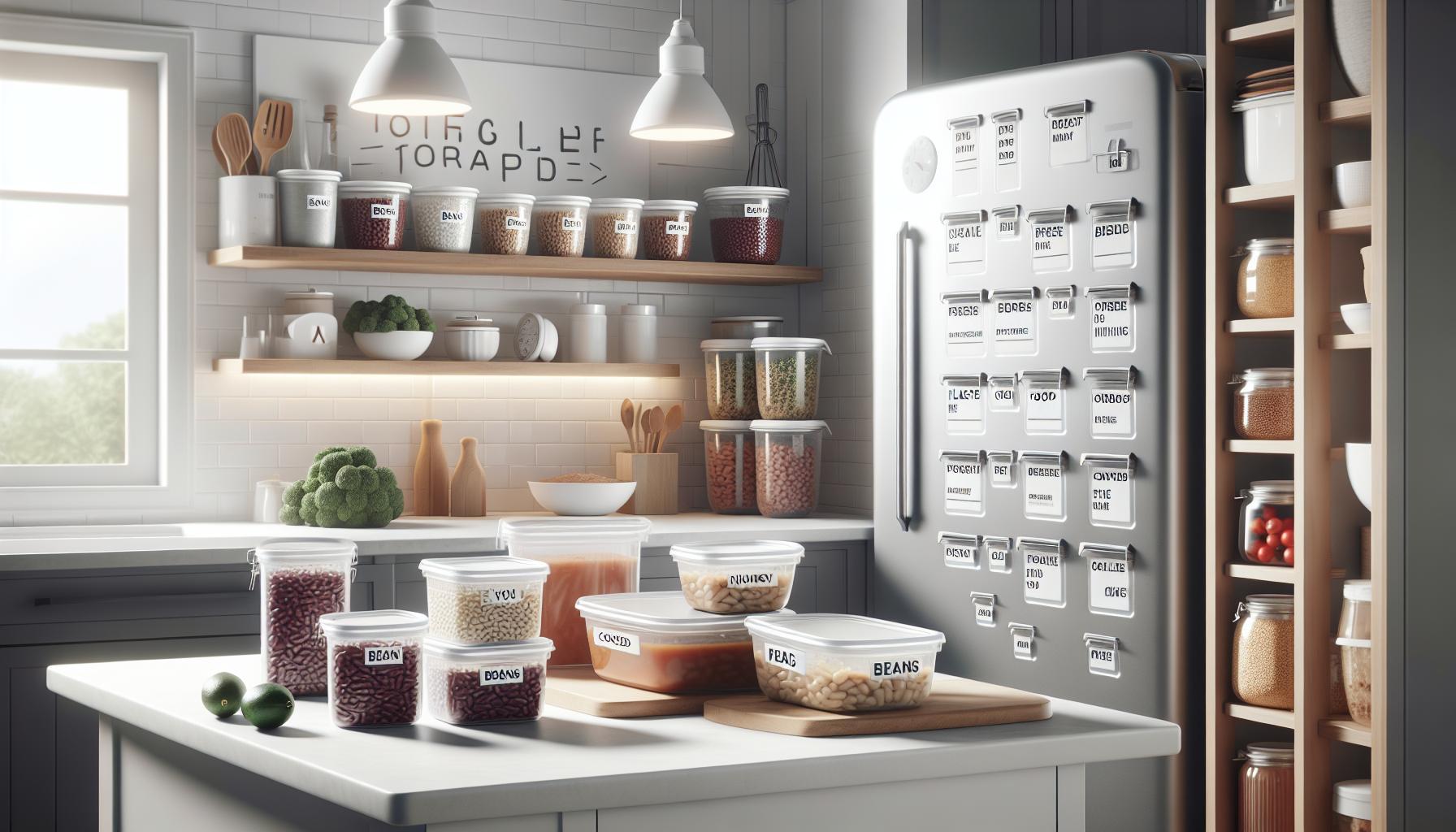
For maintaining the best quality, it’s advisable to label your storage containers with the date of cooking. This practice not only provides clarity but also helps in making timely decisions about your leftovers. If you’re unsure whether the beans are still good, it’s always safer to err on the side of caution and discard them.
Signs of Spoilage: When to Discard Cooked Beans
Cooked beans are not only a valuable source of nutrition but can also spoil if not stored properly, posing potential health risks. Identifying the signs of spoilage is crucial to ensure food safety and prevent any unwanted experiences, such as foodborne illnesses. Generally, you should be vigilant for changes in appearance, smell, and texture, which indicate that your cooked beans may no longer be safe to eat.
Visual Signs: One of the first indicators of spoilage is the appearance of mold. If you see any fuzzy or discolored spots on the beans, it’s time to discard them immediately. In addition, if the beans have turned an unusual color that deviates from the typical appearance, this can also signal that they have gone bad.
Texture Changes: Freshly cooked beans should have a consistent texture. If you notice them becoming excessively mushy or slimy, it’s a sign that bacteria might be growing. Cooked beans should retain their shape and firmness; anything outside this norm suggests spoilage.
Unpleasant Odors: Trust your nose-if the beans emit a sour or off smell, it’s best to err on the side of caution. Fresh beans should have a slightly earthy, pleasant aroma. A strong, rancid, or sulfur-like smell is a clear sign that they are no longer safe to consume.
To summarize, if you encounter any mold, unusual colors, off odors, or strange textures, it is safest to throw away the cooked beans. Keeping a close eye on these signs will help ensure that your meals remain safe and enjoyable. Always remember that when in doubt, it’s better to be safe than sorry, especially when it comes to food safety.
Best Practices for Storing Cooked Beans
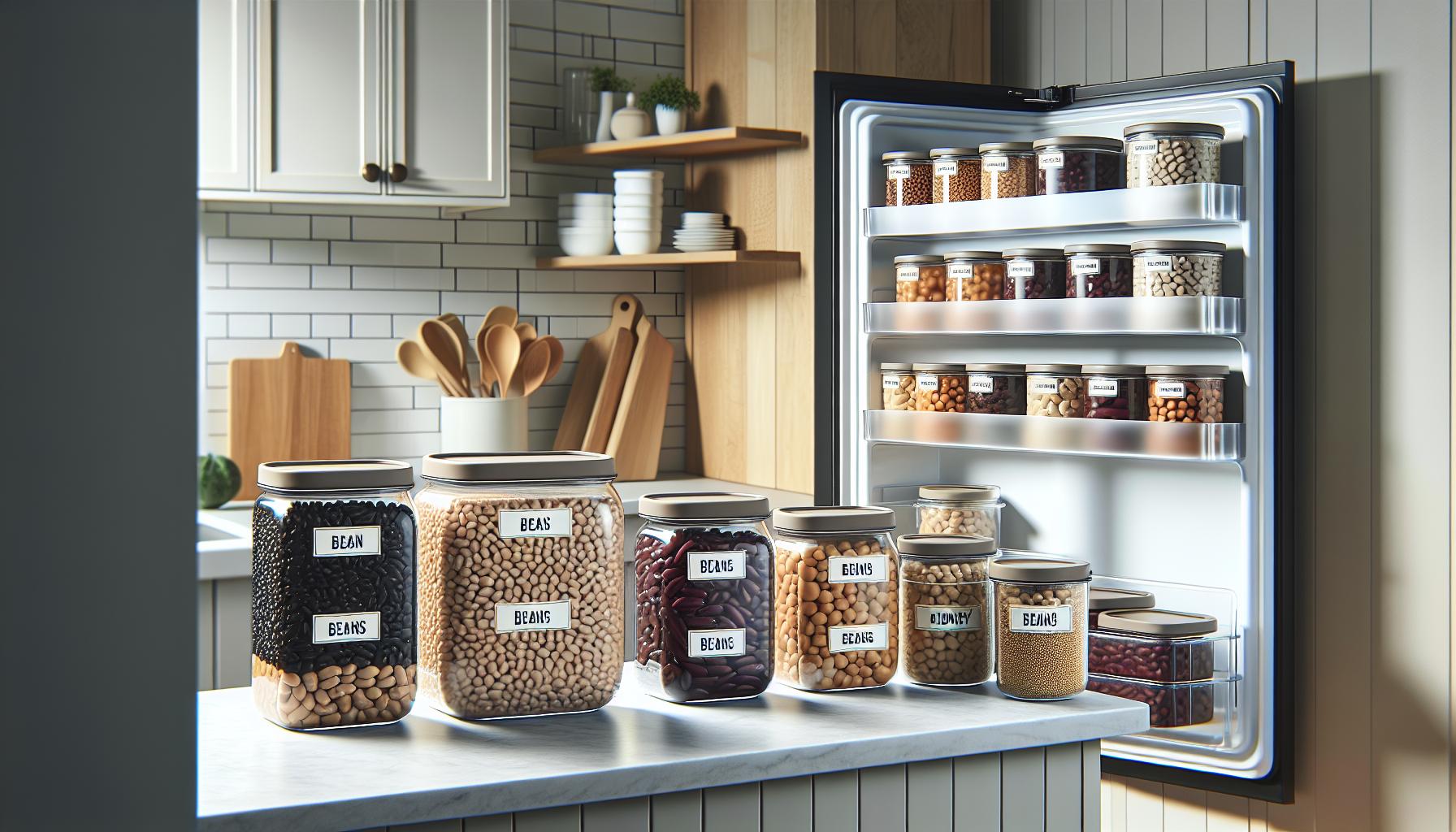
Storing cooked beans properly is essential to maintaining their quality and safety, directly impacting your meals’ taste and nutrition. When stored correctly, cooked beans can last in the fridge for about 3 to 5 days. To maximize their freshness and avoid spoilage, follow these best practices for storage.
First, ensure that the beans cool completely before placing them in the refrigerator. Hot beans can raise the fridge’s temperature, which can affect other food items. Use shallow containers for faster cooling; spreading the beans out helps dissipate heat more effectively. Once cooled, transfer the beans to airtight containers or resealable bags, removing as much air as possible to prevent oxidation and freezer burn.
Labeling is a crucial step often overlooked in food storage. Always date your containers with a marker so you can easily track how long the beans have been stored. If you have cooked beans that you doubt will be consumed within a few days, freezing is a great option that can extend their life significantly. Cooked beans can be frozen for up to six months. When freezing, it’s advisable to portion them into meal-sized servings for convenience and to make thawing easier.
Finally, always utilize the “first in, first out” (FIFO) rule when managing stored beans. Consume older batches before newer ones to ensure nothing is wasted. By implementing these simple yet effective storage practices, you can enjoy your cooked beans at their best, reducing waste and keeping meal preparation efficient.
Extending Shelf Life: Tips for Safe Storage
Keeping cooked beans fresh and safe for consumption involves a few simple yet crucial steps that can significantly extend their shelf life. One of the most effective methods is to ensure that beans are cooled adequately before storage. Placing hot beans directly into the fridge can raise the overall temperature, potentially compromising the safety of other food items. To avoid this, spread the beans in a shallow container to allow heat to dissipate quickly before transferring them to your refrigerator.
To maximize the longevity of cooked beans, store them in airtight containers. This prevents moisture loss and inhibits the growth of bacteria. Glass or BPA-free plastic containers with tight-sealing lids work well. If you’re using resealable bags, make sure to squeeze out as much air as possible before sealing. Label each container with the date to track how long they’ve been stored, as this simple practice can prevent confusion and help you consume older batches first, following the FIFO (first in, first out) principle.
For those instances when you know you won’t consume the cooked beans within the optimal 3 to 5 days, freezing them is a fantastic option. When properly frozen, beans can remain safe and tasty for up to six months. Divide the beans into meal-sized portions to make thawing and meal prep more convenient. Use freezer-safe containers or bags, ensuring to remove as much air as possible to help prevent freezer burn.
Lastly, always prioritize cleanliness during storage. Ensure that all utensils and surfaces are sanitized before handling cooked beans. This vigilance reduces the risk of cross-contamination and helps maintain the quality of your stored food. By following these storage tips, you can enjoy your cooked beans safely while minimizing waste and optimizing meal prep efficiency.
Reheating Cooked Beans: Safety Guidelines
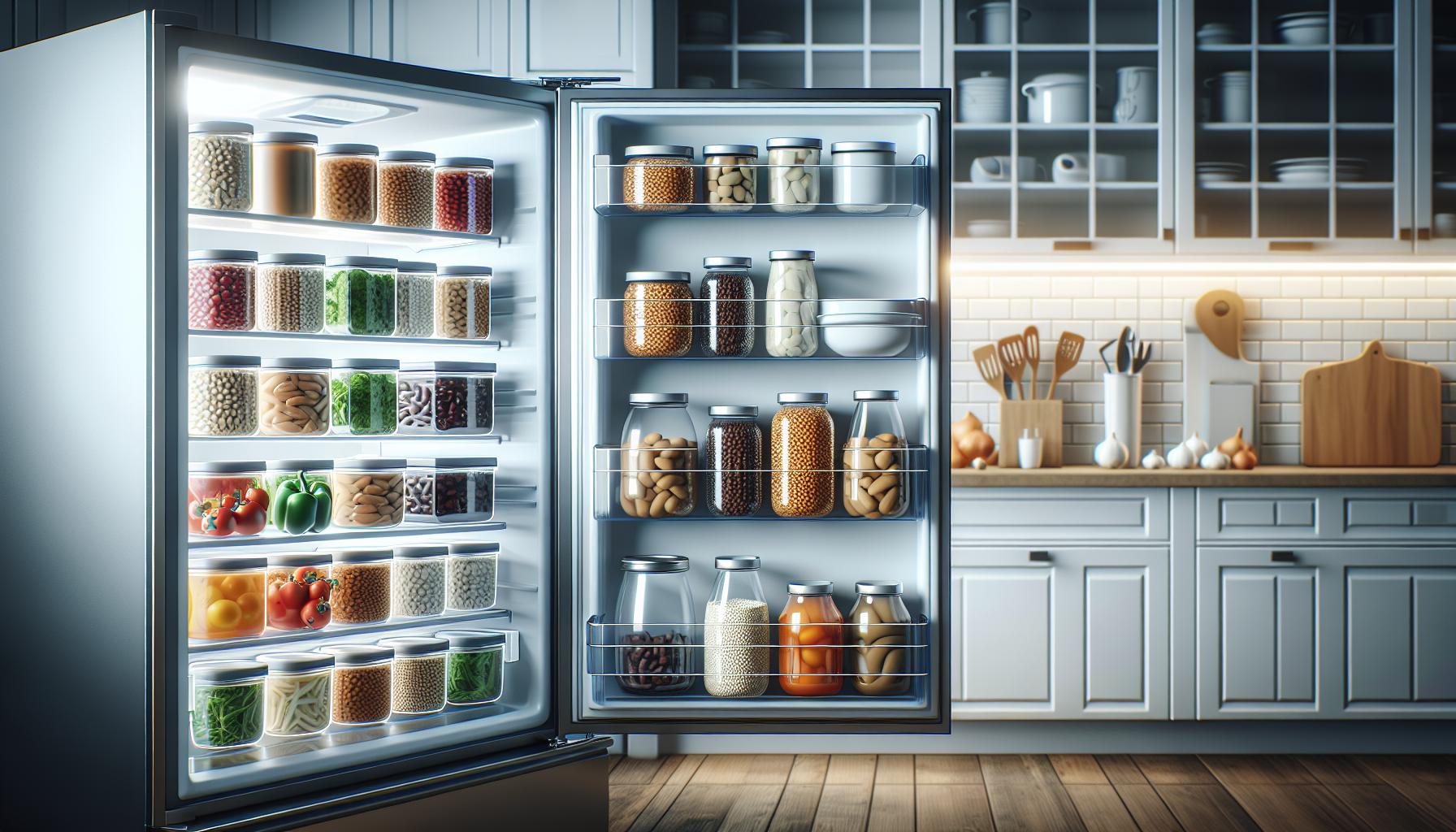
Properly reheating cooked beans not only enhances their flavor and texture but also ensures food safety, reducing the risk of foodborne illnesses. When beans are stored in the refrigerator, they remain safe to consume for 3 to 5 days. However, the way you reheat them plays a crucial role in maintaining their safety and quality.
To begin, always reheat cooked beans thoroughly. The USDA recommends that all leftover foods, including beans, reach an internal temperature of at least 165°F (74°C). This temperature is essential to kill any bacteria that may have developed during storage. You can check the temperature using a food thermometer, ensuring accurate results. To achieve even heating, consider transferring the beans to a saucepan or microwave-safe container. If using a microwave, stir the beans halfway through heating to promote even warmth and prevent cold spots, which can harbor bacteria.
When reheating, avoid repeated cycles of cooling and reheating, as this can significantly increase the risk of foodborne pathogens. Instead, try to only reheat the portion you plan to consume in one sitting. If you’re unsure about the beans’ freshness or if they have an off smell or unusual texture, it’s best to err on the side of caution and discard them. Remember, food safety is paramount, and when in doubt, throw it out.
Lastly, if you find that you regularly have leftover beans, consider only cooking what you need or utilizing the excess in other recipes. Beans can easily be added to soups, salads, or blended into dips, making them not just safe but versatile and delicious in their reheated form. By adhering to these simple reheating guidelines, you can enjoy your cooked beans while ensuring food safety is a top priority.
Freezing Cooked Beans: A Complete Guide
Freezing cooked beans is an excellent way to prolong their shelf life while retaining their nutritional value and flavor. If stored correctly, they can last up to six months in the freezer. This method not only prevents food waste but also allows for convenient meal preparation on busy days. Here’s how to effectively freeze your cooked beans to ensure they remain safe and delicious for future use.
Start by allowing the cooked beans to cool to room temperature. Rapidly cooling beans before freezing helps prevent the formation of ice crystals, which can degrade texture upon thawing. Once cooled, portion the beans into airtight freezer-safe containers or freezer bags. For added convenience, consider dividing them into single-serving sizes. This way, you can easily pull out only the amount you need without requiring a full thaw, which can compromise quality. Remember to leave some space at the top of the container or bag, as liquids expand when frozen.
Labeling your storage containers is essential for keeping track of when the beans were frozen. Use a permanent marker or label maker to note the date, and consider adding the type of bean if you have various kinds frozen. This step will help prevent keeping them in the freezer longer than recommended. For optimal quality, it’s best to consume frozen beans within three to six months, although they may remain safe to eat beyond that period.
When you’re ready to use the frozen beans, thaw them in the refrigerator overnight, or for quicker results, place the sealed container in cold water. You can also directly add frozen beans to soups or stews without thawing; just make sure to extend the cooking time slightly. Avoid refreezing beans that have already been thawed to minimize the risk of foodborne illness. By following these simple steps, you can enjoy the nutritional benefits of beans long after they’ve been cooked, making your meals both convenient and safe.
The Effects of Different Bean Varieties on Storage
Different varieties of beans not only bring unique flavors and textures to your meals but also exhibit varied storage behaviors, influencing how long they can last when cooked and stored in the fridge. For instance, black beans and kidney beans tend to have a denser structure compared to more delicate options like navy beans or lentils, which affects their moisture retention and shelf life.
Generally, cooked beans can last in the refrigerator for about three to five days, depending on their variety. The more fibrous and starchy beans, such as pinto and chickpeas, often retain quality for the longer end of this spectrum, while softer varieties may spoil sooner. The cooking method plays a crucial role too; beans that are boiled tend to store better than those cooked in broths or sauces that contain extra seasoning or ingredients, which can accelerate spoilage.
To optimize storage, it’s essential to cool beans rapidly and store them in airtight containers. For robust varieties like black or kidney beans, using vacuum-sealed bags can significantly enhance their longevity in the fridge. This is especially useful if you’re preparing large batches for meal prep. Conversely, legumes like lentils, which absorb water more readily, might benefit from being stored without any added liquid to minimize mushiness and spoilage risks.
Understanding the nuances among different bean types not only aids in maintaining their freshness but also enhances meal safety, ensuring that your culinary creations remain delicious and healthy to enjoy.
Common Mistakes in Bean Storage to Avoid
When it comes to storing cooked beans, several common mistakes can lead to unnecessary spoilage or decreased quality. Understanding these pitfalls can make a significant difference in both food safety and flavor retention, allowing you to enjoy your meals without worry.
One of the most critical errors is failing to cool beans quickly enough before refrigerating them. When cooked beans are left at room temperature for too long, bacteria can proliferate, increasing the risk of foodborne illness. It’s crucial to allow beans to cool to room temperature-ideally no more than two hours after cooking-before transferring them to the refrigerator. For even faster cooling, divide larger batches into smaller portions.
Another prevalent mistake is neglecting to use airtight containers. Storing cooked beans in open bowls or loosely covered dishes exposes them to air, which can lead to faster spoilage and freezer burn if frozen later. Instead, aim for airtight glass or plastic containers, or vacuum-sealed bags, to help retain moisture and prevent the absorption of odors from other foods in the fridge.
Additionally, many people overlook the importance of labeling containers with dates. This simple step can save you from consuming spoiled beans or guessing how long they’ve been stored. Always write the storage date on the container and try to use the beans within three to five days for optimal freshness. Keeping track of time helps ensure that you enjoy the beans at their best quality.
Finally, be mindful of the environment in which beans are stored. Avoid placing them in areas of the fridge that experience temperature fluctuations, such as the door. Instead, store them on a middle shelf where the temperature remains stable, helping to preserve their taste and texture.
By avoiding these common storage mistakes-proper cooling, using airtight containers, labeling, and selecting the right storage spot-you can extend the shelf life of your cooked beans and keep your meals safe and delicious.
Nutritional Impact of Storing Cooked Beans
Storing cooked beans properly not only ensures their safety for consumption but also preserves their nutritional value, making them a fantastic addition to any meal. Beans are packed with protein, fiber, and essential vitamins and minerals; however, improper storage can diminish their nutritional integrity. When beans are stored in the refrigerator, they generally retain their nutrients well for about three to five days. Beyond this timeframe, the quality may start to degrade, potentially leading to nutrient loss. After this period, the risk of spoilage increases, which can not only affect taste and texture but also diminish their health benefits.
To maximize their nutritional impact, it’s important to store cooked beans in airtight containers. This practice minimizes exposure to air and moisture, both of which can accelerate spoilage. Consider refrigerating beans in smaller portions. Doing so allows you to take out just what you need for a meal without repeatedly exposing the larger batch to air, thus preserving nutritional content. Beans should be cooled to room temperature before refrigeration, ideally within two hours of cooking, to maintain both their freshness and nutritional quality.
When reheating beans, it’s crucial to ensure they are heated to at least 165°F (74°C) to kill any potential bacteria. Reheating can make beans a bit softer or change their texture, but with careful storage, they should still provide you with a good amount of nutrients. Using cooked beans in various meals throughout the week can help you benefit from their high fiber content, which aids digestion and promotes satiety.
Incorporating a variety of beans, such as black beans, kidney beans, and chickpeas, into your diet can not only provide diverse nutrients but also keep meals interesting. Each variety has its unique micronutrient profile, so rotating between them can enhance overall dietary quality. Just remember to keep an eye on those storage guidelines to enjoy their health benefits to the fullest.
Understanding Food Safety: Dates and Labels Explained
Understanding how to read food dates and labels can significantly enhance your approach to food safety, especially for storing cooked beans. The best by or use by dates found on packaging are not merely suggestions; they can be essential indicators of quality and safety. For example, when cooking beans at home, they generally last about three to five days in the fridge. Once this timeframe is reached, it’s advisable to examine the beans closely for any signs of spoilage before consuming, as they may have begun to degrade in quality.
When storing cooked beans, pay attention to how you label them. Using a permanent marker or label to note the cooking date on your storage container can help you track their shelf life. Keeping an accurate record of when beans were cooked aids in preventing unintentional consumption of spoiled food. Consider color coding your storage containers based on cooking dates to make it even easier to implement a safety-first approach in your kitchen.
It’s also worth noting that “best by” dates apply to unopened packages in their original state and do not automatically indicate safety once opened or cooked. For instance, while a package of dried beans may have a shelf life stretching several months, once cooked, their lifespan in the refrigerator drops dramatically. To maximize safety, adhere to proper storage practices by ensuring cooked beans are cooled promptly and stored in airtight containers. This practice not only preserves their taste and texture but significantly reduces the risk of foodborne illness, as beans can grow harmful bacteria if stored improperly.
Familiarizing yourself with these guidelines allows you to enjoy cooked beans in your meals while remaining aware of their safety standards. Keeping a personal inventory of your food storage can prevent waste and ensure you’re always consuming fresh, nutritious options.
Meal Prep with Cooked Beans: Ideas and Tips
Incorporating cooked beans into your meal prep can elevate your dishes while keeping the nutritional value high and the cooking time low. Beans are versatile, protein-packed, and can serve as a base for meals throughout the week. By understanding how to utilize these culinary gems effectively, you can not only save time but also minimize food waste by ensuring you consume them while they are still at their best.
Start by batching your cooking: prepare a large quantity of beans at once and portion them into meal-sized servings. This way, you can keep a variety of cooked beans on hand for quick meals. Consider using clear, labeled containers that make it easy to see what’s inside and how long they’ve been stored. Range your containers by color for a visually appealing and organized fridge, which can make meal planning more exciting and streamlined.
Beans can be seamlessly integrated into various dishes. For instance, toss them into salads for a protein boost, blend them into soups for added creaminess, or use them in stir-fries or grain bowls. Try mixing different bean varieties to add different textures and flavors to your meals. Remember, cooked beans can last in the fridge for about three to five days, so ensure that you are using them efficiently throughout the week.
Lastly, don’t forget about using beans as fill-ins for sides or snacks. Whip up a quick bean dip or blend beans into smoothies to enhance their nutritional profile while keeping an eye on the time-sensitive aspects of storage. By making a conscious effort in your meal prep with cooked beans, you can enjoy flavorful, nutritious dishes while adhering to food safety practices that keep your family healthy.
FAQ
Q: How can I tell if cooked beans have gone bad?
A: To determine if cooked beans are spoiled, look for signs such as an off smell, discoloration, or a slimy texture. If you notice any of these indicators, it’s best to discard the beans to ensure safety[[1]].
Q: Can I eat cooked beans past the recommended storage time?
A: While cooked beans can last 3-5 days in the fridge, consuming them after this period poses a risk of foodborne illness. Always prioritize safety and discard beans that are beyond this timeframe[[2]].
Q: What’s the best method for reheating cooked beans safely?
A: Reheat cooked beans in a pot over medium heat or in the microwave until they reach at least 165°F (74°C). Stir occasionally for even heating, ensuring the beans are hot throughout[[3]].
Q: Is it safe to store cooked beans in plastic containers?
A: Yes, storing cooked beans in airtight plastic containers is safe as long as they are designed for food storage. Ensure they are sealed properly to prevent moisture and odors[[1]].
Q: How long do unopened canned beans last in the fridge after opening?
A: Once opened, canned beans should be transferred to an airtight container and can last for 3-4 days in the fridge. Always label the container with the date of opening[[2]].
Q: What are the effects of different bean types on storage duration?
A: Different types of beans may vary slightly in shelf life due to their moisture content. Generally, firmer varieties like kidney beans can last longer than softer varieties like black beans when stored properly[[3]].
Q: Can I freeze cooked beans for long-term storage?
A: Yes, cooked beans freeze well. Portion them into freezer-safe bags or containers, ensuring to remove excess air. They can be stored for up to 6 months[[1]].
Q: What are common mistakes to avoid when storing cooked beans?
A: Common mistakes include not cooling beans before refrigeration, leaving them uncovered, and storing leftovers for too long. Always refrigerate promptly and use airtight containers[[2]].
The Conclusion
Now that you know how long cooked beans last in the fridge and the best practices to keep your meals safe, it’s time to put this knowledge to work! Remember, for optimal freshness and safety, consume cooked beans within 3 to 5 days. If you have lingering questions about food storage or want to explore delicious ways to use leftover beans, check out our articles on “Meal Prep Tips for Beans” and “How to Freeze Cooked Beans for Longer Storage.”
Don’t miss out on maximizing your meal planning-subscribe to our newsletter for more valuable tips and resources! Taking these steps not only ensures your meals are safe but also helps reduce food waste, keeping your kitchen efficient. Share your experiences or ask questions in the comments below; we love to hear from you! Your journey to better meal safety starts here, so let’s keep those beans delicious and safe!