Scrambled eggs are a beloved breakfast staple, but have you ever wondered how long they can last in the fridge? Knowing the answer can help you enjoy quick, nutritious meals while ensuring food safety. Scrambled eggs, packed with protein and flavor, are perfect for busy mornings, but improper storage can lead to waste or foodborne illnesses.
In this article, we’ll delve into the best practices for storing scrambled eggs and how long you can safely keep them in your refrigerator. Whether you’re a meal-prepping pro or someone who loves to whip up eggs on the fly, understanding these guidelines will empower you to make informed choices and enjoy breakfast that’s always ready when you are. Let’s uncover the answers to your scrambled eggs storage questions!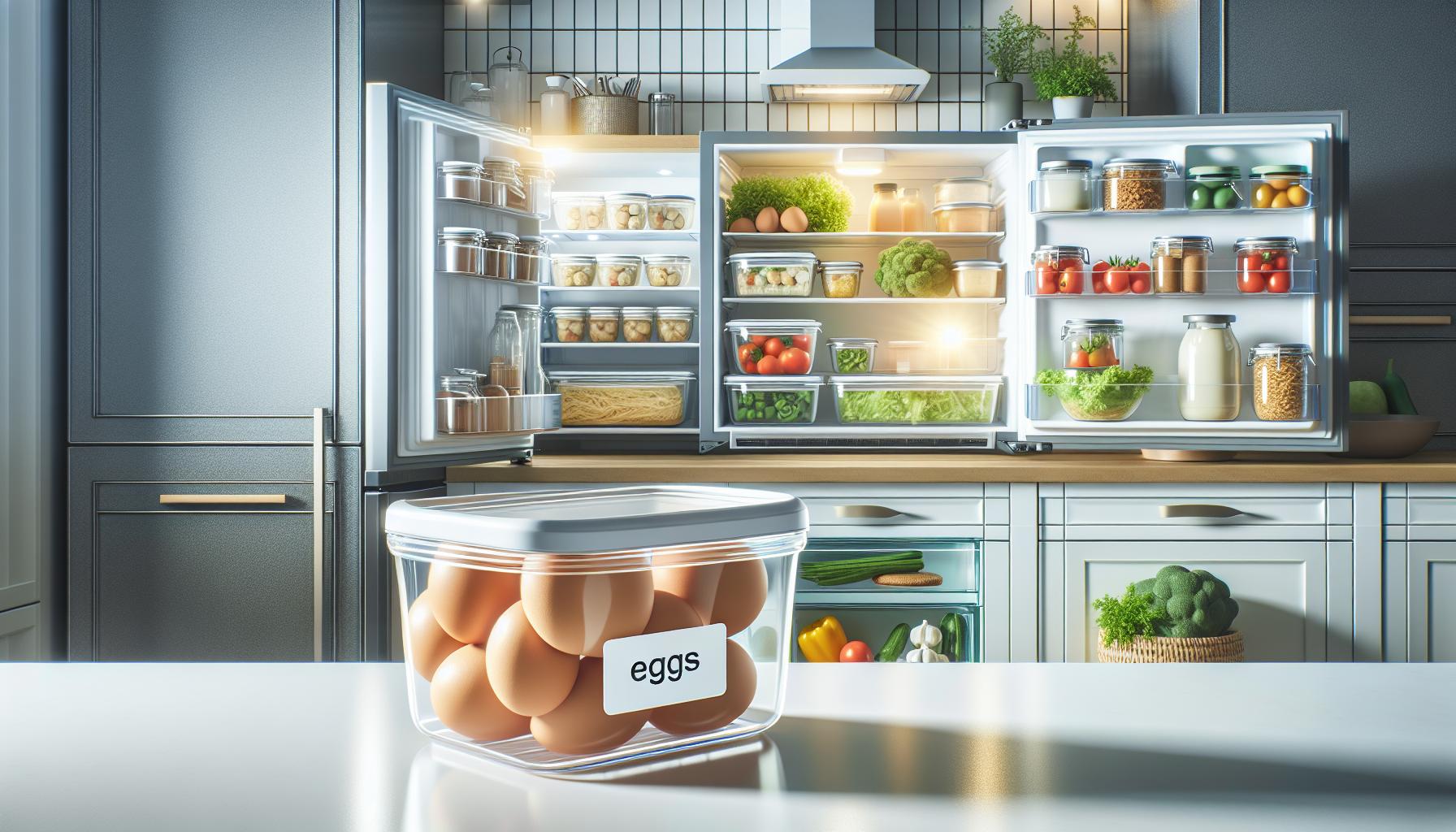
How Long Can You Store Scrambled Eggs?
Storing scrambled eggs properly is essential for both taste and food safety. When kept in the refrigerator, scrambled eggs can last for about 3 to 4 days. It’s important to store them in an airtight container to minimize exposure to air and bacteria. This will help maintain their moisture and flavor, ensuring that they remain enjoyable when you’re ready to eat them.
When reheating scrambled eggs, remember that they should be heated to an internal temperature of 165°F (74°C) to destroy any potential bacteria. If you’re considering longer-term storage, freezing is an option, as scrambled eggs can be frozen for about 2 to 3 months. However, it’s crucial to cool them completely before placing them in a freezer-safe container or zip-top bag. Labeling the container with the date can also help you keep track of their storage time.
For extra peace of mind, always check for signs of spoilage, such as an off-smell or odd texture, before consuming leftover scrambled eggs. Following these guidelines will not only extend the life of your scrambled eggs but also ensure that you enjoy them safely.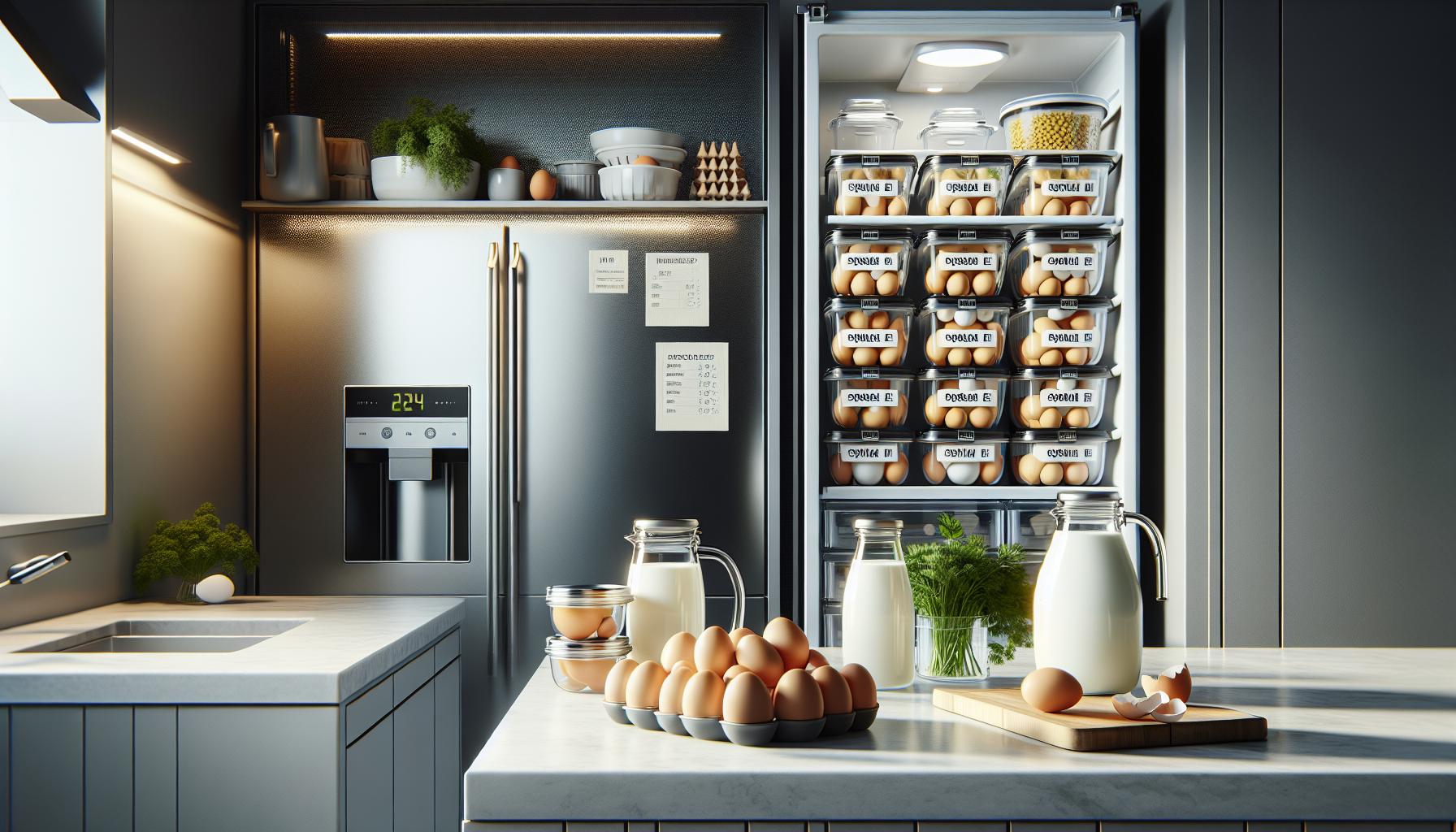
Factors Affecting Scrambled Egg Shelf Life
The shelf life of scrambled eggs is influenced by several crucial factors, including storage conditions, the ingredients used, and the cooking method. Understanding these elements helps ensure that your scrambled eggs remain safe and enjoyable to eat, even days after preparation.
Firstly, the environment in which scrambled eggs are stored plays a significant role. Eggs should always be kept in the refrigerator at a temperature below 40°F (4°C). If you repeatedly take them in and out of the fridge, this fluctuation can promote bacterial growth, shortening their lifespan. To maintain consistent cooling, avoid storing them in the fridge door, where temperatures can vary more widely. Instead, position them at the back of the refrigerator where it’s coldest.
Another factor is the additional ingredients mixed into the scrambled eggs. Ingredients like cream, cheese, vegetables, or meats can impact both flavor and spoilage rate. For instance, if you add cheese, it may increase moisture levels, which could expedite spoilage if not stored properly. Using fresh ingredients also matters; ingredients nearing their expiration can reduce the overall freshness of the dish.
Cooking technique can also affect shelf life. For example, undercooked scrambled eggs may harbor harmful bacteria, such as Salmonella, which can lead to foodborne illness. Ensure they are cooked thoroughly and then cooled quickly before refrigeration. Aim to refrigerate them within two hours of cooking to further prevent bacterial growth.
In summary, by focusing on optimal storage temperatures, ingredient freshness, and proper cooking techniques, you can extend the shelf life of your scrambled eggs effectively. Embrace these practices to enjoy a delicious and safe breakfast, ready whenever you are!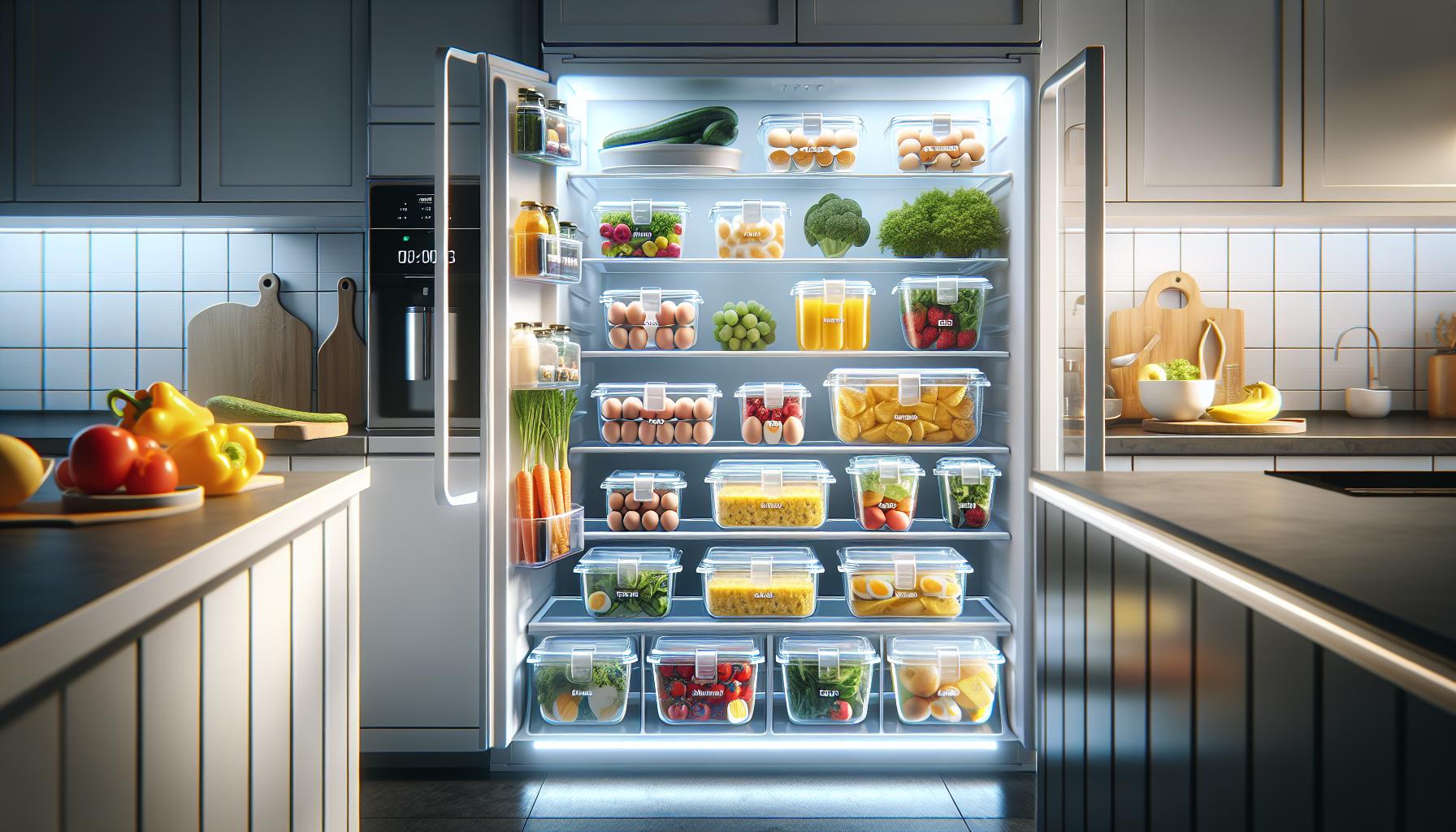
Storage Guidelines for Scrambled Eggs in the Fridge
Storing scrambled eggs in the fridge requires attention to detail to ensure they remain safe and delicious for future meals. After cooking, it’s important to cool the scrambled eggs quickly and store them in a suitable container to maintain their quality. Ideally, these eggs should be placed in an airtight container or tightly covered with plastic wrap to minimize exposure to air, which can lead to drying out and unpleasant odors.
To maximize freshness, store scrambled eggs in the refrigerator at a consistent temperature below 40°F (4°C). The back of the fridge is the best spot to help maintain this stable temperature, avoiding areas like the door where fluctuations are common. When done right, scrambled eggs can last up to 3 to 4 days in the fridge, allowing you to enjoy quick breakfasts any day of the week.
When reheating, remember to only heat the portion you plan to eat; this prevents repeated cooling and reheating, which can shorten shelf life. The best approach is to reheat scrambled eggs gently in a pan or microwave until they reach an internal temperature of 165°F (74°C), ensuring they are piping hot throughout. This precaution helps keep your meals safe and tasty.
By following these storage guidelines, you can enjoy the convenience of scrambled eggs whenever hunger strikes, while maintaining food safety and quality standards. With just a bit of care, you can incorporate this versatile dish into your meal prep seamlessly.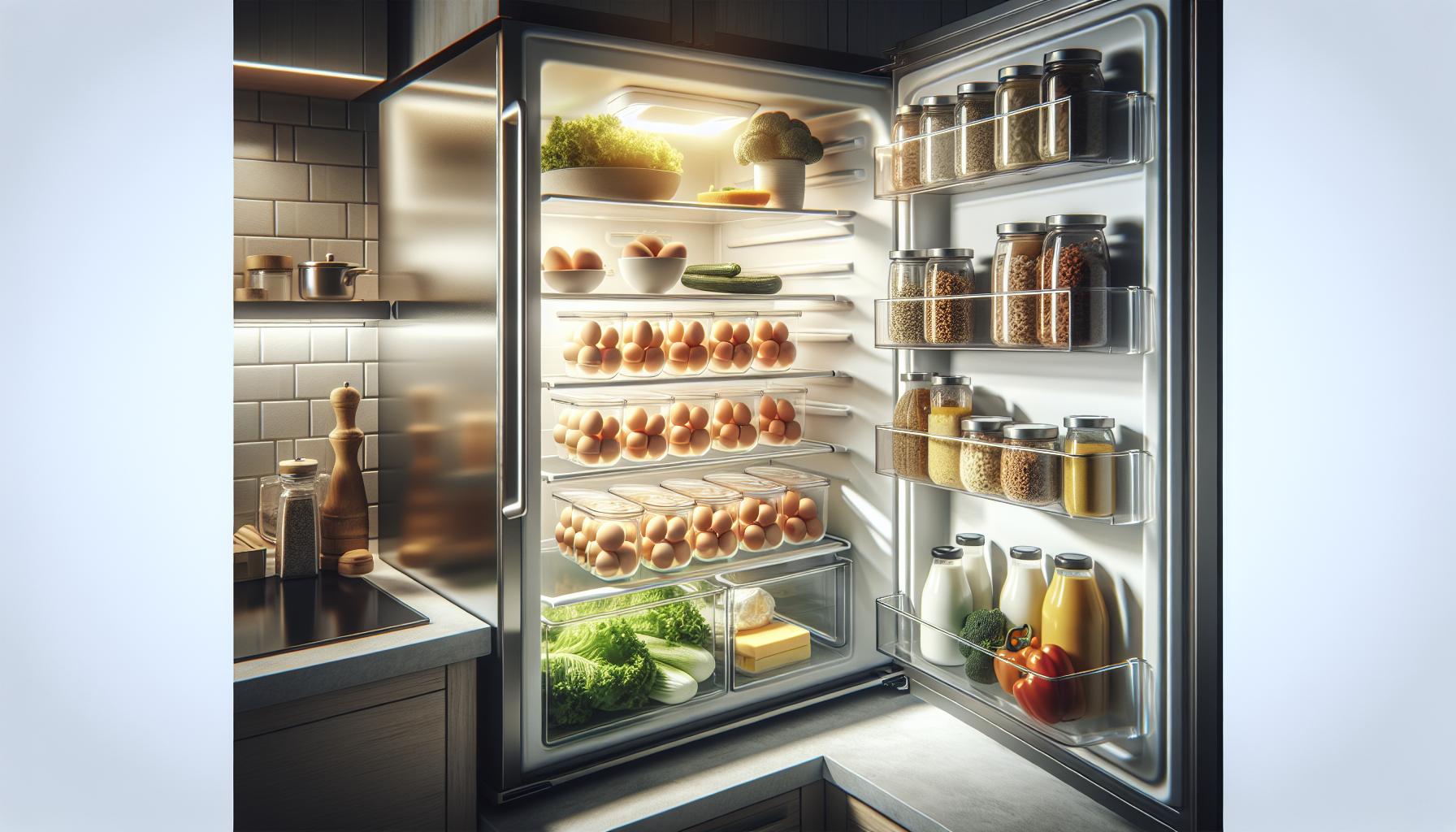
Signs Scrambled Eggs Have Spoiled
To ensure your scrambled eggs remain safe and delicious for future meals, it’s crucial to recognize the signs that they have spoiled. Spoilage can occur even when eggs are stored under optimal conditions in the refrigerator. If you notice any of the following indicators, it’s best to discard them to prevent foodborne illness.
One of the primary signs of spoilage is an unpleasant odor. Fresh scrambled eggs should have a mild, egg-like smell. If they emit a strong, sour, or rancid scent, this indicates bacterial growth and the eggs should not be consumed. Additionally, texture changes can be a signal; when scrambled eggs become excessively watery or exhibit a slimy surface, it’s time to part ways with your leftovers. A firm, somewhat fluffy texture is what you should expect when they’re still good.
Visual cues are also important. Look for discoloration or signs of mold, which may appear as green, blue, or black spots on the surface. If you see any of these, discard the eggs immediately, as they could harbor harmful bacteria. It’s also worth noting that the eggs may change color slightly as they age, but drastic changes suggest spoilage.
Finally, pay attention to the length of time the scrambled eggs have been stored. Even when stored correctly, they generally last only 3 to 4 days in the fridge. If you’re unsure about their safety after this period, it’s better to err on the side of caution and throw them away. By being vigilant and observant, you can enjoy your meals without worrying about food safety.
Can You Freeze Scrambled Eggs?
Did you know that scrambling eggs isn’t just a delicious breakfast choice but also a versatile food for meal prep? If you ever find yourself with a surplus of scrambled eggs, freezing them is a fantastic option to help you save time and reduce food waste. Freezing scrambled eggs is not only safe but can also preserve their taste and texture, making it easy to enjoy a hearty meal at your convenience.
To freeze scrambled eggs effectively, start by allowing them to cool completely after cooking. This step is crucial, as placing hot food directly into the freezer can raise the temperature inside, potentially affecting the quality of other frozen items. Once cooled, portion the scrambled eggs into airtight containers or resealable plastic bags. It’s wise to divide them into serving sizes to help you thaw just what you need later. Remove as much air as possible from the bags to prevent freezer burn, which can compromise texture and flavor.
For optimal quality, aim to consume frozen scrambled eggs within 2 to 3 months. While they can technically last longer, the texture may begin to deteriorate. When you are ready to enjoy your scrambled eggs, transfer the desired amount from the freezer to the refrigerator to thaw overnight. Alternatively, you can use the defrost setting on your microwave if you need them quickly. After thawing, reheat the scrambled eggs gently on the stovetop or in the microwave, stirring occasionally to ensure even heating. Enjoying frozen scrambled eggs can save you both time and effort, making breakfast ready anytime!
Best Practices for Reheating Scrambled Eggs
When it comes to enjoying leftover scrambled eggs, reheating them properly is essential to maintain their taste and texture. Overcooking or using high heat can lead to rubbery, dry eggs, which can ruin an otherwise delightful meal. By following a few simple best practices, you can ensure your reheated scrambled eggs are just as delicious as when they were first cooked.
Start by thawing your scrambled eggs properly if they were frozen. Ideally, place them in the refrigerator overnight to gently thaw. If you’re short on time, the microwave’s defrost setting can also work, but be vigilant to avoid cooking them in the process. Once they are thawed, it’s best to reheat them slowly.
Reheating Methods
For stovetop reheating, use a non-stick skillet and set the heat to low or medium-low. Add a splash of milk or a bit of butter to help restore moisture and creaminess. Pour the scrambled eggs into the skillet and stir frequently to ensure even cooking. This method typically takes about 5 to 7 minutes, depending on the amount you’re reheating.
If you prefer the microwave, transfer your scrambled eggs to a microwave-safe dish and cover them with a microwave-safe lid or a damp paper towel. Heat them in short intervals of 30 seconds, stirring after each interval to prevent hot spots. This method usually takes 1 to 2 minutes, but it’s important to monitor closely to avoid overheating.
Final Touches
Regardless of which reheating method you choose, once your scrambled eggs are heated through (they should reach an internal temperature of 165°F), you can enhance their flavor by adding fresh herbs, cheese, or spices. This not only elevates the taste but also makes for a more enjoyable meal.
By adhering to these reheating practices, you’ll savor delicious scrambled eggs that can stand up to their freshly made counterparts, all while minimizing waste and maximizing flavor. Remember, the key is low and slow-both for safety and taste!
Creative Ways to Use Leftover Scrambled Eggs
Leftover scrambled eggs can be a culinary treasure, offering versatility that can elevate a range of dishes beyond a simple breakfast. Instead of letting them sit idle in the fridge, unleash your creativity and transform those eggs into exciting new meals. For instance, consider adding them to a breakfast burrito. Wrap the scrambled eggs in a warm flour tortilla, accompanied by fresh vegetables, cheese, and your favorite sauces for a satisfying and portable meal.
Another fantastic option is to incorporate scrambled eggs into a hearty frittata. Simply mix the leftover eggs with sautéed vegetables, cheese, and herbs in an oven-safe skillet, then bake until set. This delicious dish not only makes for a nutritious breakfast but also serves beautifully for lunch or dinner. You can also try them in a savory quiche, paired with a crust for a delightful brunch treat.
For a quick snack or light meal, add scrambled eggs to a salad. Their creaminess can complement crisp greens, tomatoes, and a zesty vinaigrette, making for a nutrient-packed bowl. Alternatively, toss the eggs with cooked pasta and fresh herbs for a comforting and filling dish, adding olive oil and grated cheese for an extra layer of flavor.
Lastly, don’t forget about classic comfort food like egg drop soup. Simply whisk in your scrambled eggs toward the end of cooking for a rich, velvety texture. This not only adds a protein boost but enhances the soup’s overall depth.
In essence, with just a bit of imagination, you can transform leftover scrambled eggs into an array of delicious meals, ensuring that nothing goes to waste while maximizing both flavors and nutrition.
Safety Tips for Food Storage and Handling
To ensure the safety and quality of scrambled eggs stored in your fridge, it’s essential to follow precise guidelines. Cooked foods, including scrambled eggs, should be refrigerated within two hours of cooking to prevent the growth of harmful bacteria. Once stored, scrambled eggs can maintain their quality for up to three to four days when kept at a consistent refrigerator temperature set at 40°F (4°C) or lower. Always store them in an airtight container to minimize exposure to air, which can introduce bacteria and decrease freshness.
When handling scrambled eggs, consider these safety tips:
- Cross-contamination: Always use clean utensils and dishes to avoid contaminating your scrambled eggs with bacteria from raw foods, especially meats.
- Thawing and Reheating: If you’ve frozen your scrambled eggs, thaw them in the refrigerator, never at room temperature, to prevent bacteria growth. When reheating, ensure they reach an internal temperature of 165°F (74°C) to eliminate any potential pathogens.
- Check for spoilage: Before consuming stored scrambled eggs, observe their smell, texture, and appearance. If they emit an off odor, have an unusual color, or a slimy texture, it’s best to discard them to avoid foodborne illness.
- Use descriptive labels: When storing leftovers, label your containers with both the date they were cooked and a brief description, which can help you keep track of freshness and ensure food safety.
Being vigilant about safety practices not only protects your health but also maximizes the enjoyment and usability of your scrambled eggs. As a general rule, when in doubt about the safety of any stored food, it’s safer to err on the side of caution and dispose of it.
Nutritional Value of Scrambled Eggs
Eggs are often considered a staple in nutrition, renowned for their versatility and rich nutritional profile. Scrambled eggs, in particular, are quick to prepare and packed with essential nutrients, making them an ideal choice for breakfast or snacks. A standard serving of scrambled eggs provides a satisfying mix of proteins, fats, vitamins, and minerals that support a healthy diet.
One of the standout features of scrambled eggs is their protein content. A two-egg serving typically contains around 12 grams of high-quality protein, essential for muscle repair and growth, and helps keep you feeling full longer. Additionally, scrambled eggs provide healthy fats, primarily found in the yolk, which are crucial for absorbing fat-soluble vitamins A, D, E, and K. Interestingly, the yolk also contains choline, an important nutrient for brain health and development.
In terms of vitamins and minerals, scrambled eggs are a good source of B vitamins, particularly B12 and riboflavin. B12 is vital for red blood cell production and neurological function, while riboflavin supports energy production and metabolism. They also offer a noteworthy amount of selenium, an antioxidant that plays a role in immune function and thyroid health.
When considering the overall energy density, scrambled eggs can fit into a balanced diet when consumed in moderation. Incorporating vegetables into scrambled eggs, such as spinach, tomatoes, or peppers, enhances their fiber content and provides a broader range of nutrients. This makes for a colorful, nutrient-dense dish that not only contributes to a balanced diet but also keeps breakfast exciting and flavorful.
Common Mistakes to Avoid with Scrambled Eggs
Scrambled eggs are a popular breakfast option known for their simplicity and nutritional benefits, but the path to perfectly cooked scrambled eggs can be littered with pitfalls. One common mistake is overcooking. While it might be tempting to leave them on the stove until every last bit is firm, overcooked scrambled eggs become dry and rubbery. To achieve that creamy texture, aim to whisk them gently and remove them from heat when they are still slightly runny, as they will continue to cook from residual heat.
Another frequent misstep involves seasoning at the wrong time. Many people wait until the eggs are on the plate before adding salt or pepper, but this can lead to bland flavor. For the best taste, season the eggs during the cooking process, allowing the flavors to meld. Additionally, be cautious with the amount of milk or cream you add. While a splash can enhance texture, too much can make them watery and lose that desirable fluffiness. A tablespoon per egg is typically sufficient.
Storing Leftovers Incorrectly
Proper storage of leftovers is crucial for both flavor and safety. After cooking scrambled eggs, they should be stored in an airtight container within 2 hours. Many make the error of leaving them out longer, risking bacterial growth. Once stored, remember that scrambled eggs can last in the refrigerator for up to 3 to 4 days. If you anticipate not finishing them in that time frame, consider freezing them. Be sure to cool the scrambled eggs completely before transferring them to a freezer-safe container; they can be kept frozen for up to 6 months.
By avoiding these common mistakes and following guidelines, you can ensure delicious, safe, and perfectly scrambled eggs every time. With a few thoughtful practices, scrambled eggs can transform from a basic breakfast to a gourmet experience, ready when you are!
Alternative Storage Solutions for Eggs
Storing scrambled eggs properly is crucial not just for maintaining their flavor and quality, but also for ensuring food safety. One innovative storage method to consider is the use of silicone food storage bags. These reusable bags allow for easy portioning, while also being flexible enough to conform to the contents, helping to minimize air exposure. This can significantly prolong freshness, keeping your scrambled eggs better for a longer period. Additionally, always ensure the bags are tightly sealed to prevent any air from getting in, which could lead to spoilage.
Another alternative is to prepare scrambled eggs in muffin tins. This method allows you to bake your eggs in a way that creates individual portions, which can be easily stored in the fridge. Simply pour the egg mixture into greased muffin cups and bake until set. Once cooled, you can store these mini frittatas in an airtight container for up to four days. This not only aids in portion control but also makes for a quick breakfast option that’s convenient and ready to go.
For those who prefer to meal prep, consider using glass containers for storage. They are excellent for keeping scrambled eggs fresh and are microwave-friendly, making reheating easy and safe. When storing, make sure to leave a little space at the top to accommodate any expansion that might occur when the eggs are reheated. Always label your containers with the date of preparation to keep track of freshness.
Lastly, don’t overlook the potential of freezing your scrambled eggs. If you’re dealing with a large quantity, portion out servings into ice cube trays or smaller containers. This allows for easy thawing of only what you need, extending their shelf life in the freezer up to six months. The key is to cool the eggs completely before freezing to maintain optimal texture and flavor when reheated. This method not only saves time but also reduces food waste, ensuring you always have breakfast-ready scrambled eggs whenever you desire.
FAQ
Q: How long can scrambled eggs stay out of the fridge?
A: Scrambled eggs should not be left out of the fridge for more than 2 hours. Bacteria can grow rapidly at room temperature, so it’s important to refrigerate any leftovers promptly to ensure safety.
Q: What is the best way to store scrambled eggs in the fridge?
A: Store scrambled eggs in an airtight container to prevent odors and moisture loss. Make sure to refrigerate them within two hours of cooking for optimal freshness and safety.
Q: Can I eat scrambled eggs after 5 days in the fridge?
A: It is not recommended to eat scrambled eggs after 5 days in the fridge. They should ideally be consumed within 3 to 4 days for optimal taste and safety.
Q: How can you tell if scrambled eggs have gone bad?
A: Signs that scrambled eggs have spoiled include an off smell, discoloration, or a slimy texture. If any of these signs are present, it’s best to discard them to avoid foodborne illness.
Q: Is it safe to reheat scrambled eggs more than once?
A: It is generally safe to reheat scrambled eggs once, but reheating multiple times can increase the risk of bacterial growth. It’s more advisable to only reheat what you plan to consume at once to ensure safety.
Q: Why do scrambled eggs sometimes turn watery after refrigerating?
A: Scrambled eggs can become watery due to moisture released from the eggs while stored. To minimize this, ensure they are stored in an airtight container, and avoid adding excessive liquid during cooking.
Q: Can I use leftover scrambled eggs in other dishes?
A: Yes, you can incorporate leftover scrambled eggs into various dishes such as omelets, breakfast burritos, or salads. Just make sure they are reheated properly before consumption.
Q: What is the nutritional value of scrambled eggs?
A: Scrambled eggs are rich in protein, healthy fats, and essential vitamins like B12 and D. They also provide important minerals such as selenium and choline, contributing to a balanced diet and overall health.
To Conclude
Now that you know how long scrambled eggs can last in the fridge, you can confidently plan your breakfasts and reduce food waste. Remember, for the best quality, consume your scrambled eggs within 3 to 4 days of refrigeration. If you have any lingering questions about food safety or storage practices, be sure to check out our guides on “Food Storage Tips” and “How to Tell If Your Eggs Are Fresh.”
Don’t forget to explore our delicious breakfast recipes to inspire your morning meals! If you enjoyed this information, consider signing up for our newsletter to receive more handy tips and exclusive recipes straight to your inbox. Your kitchen adventures await-start today by making safe and informed choices!