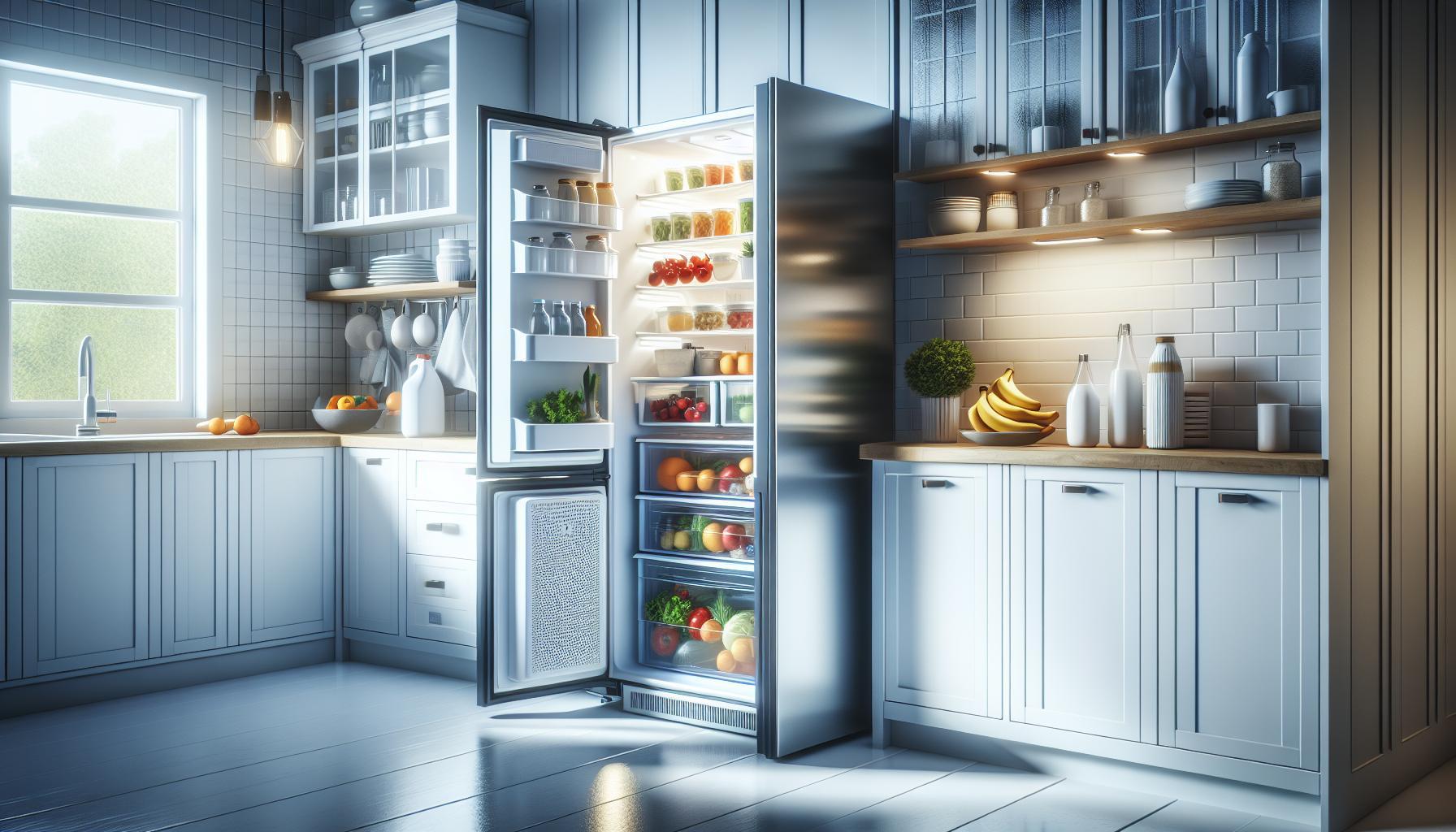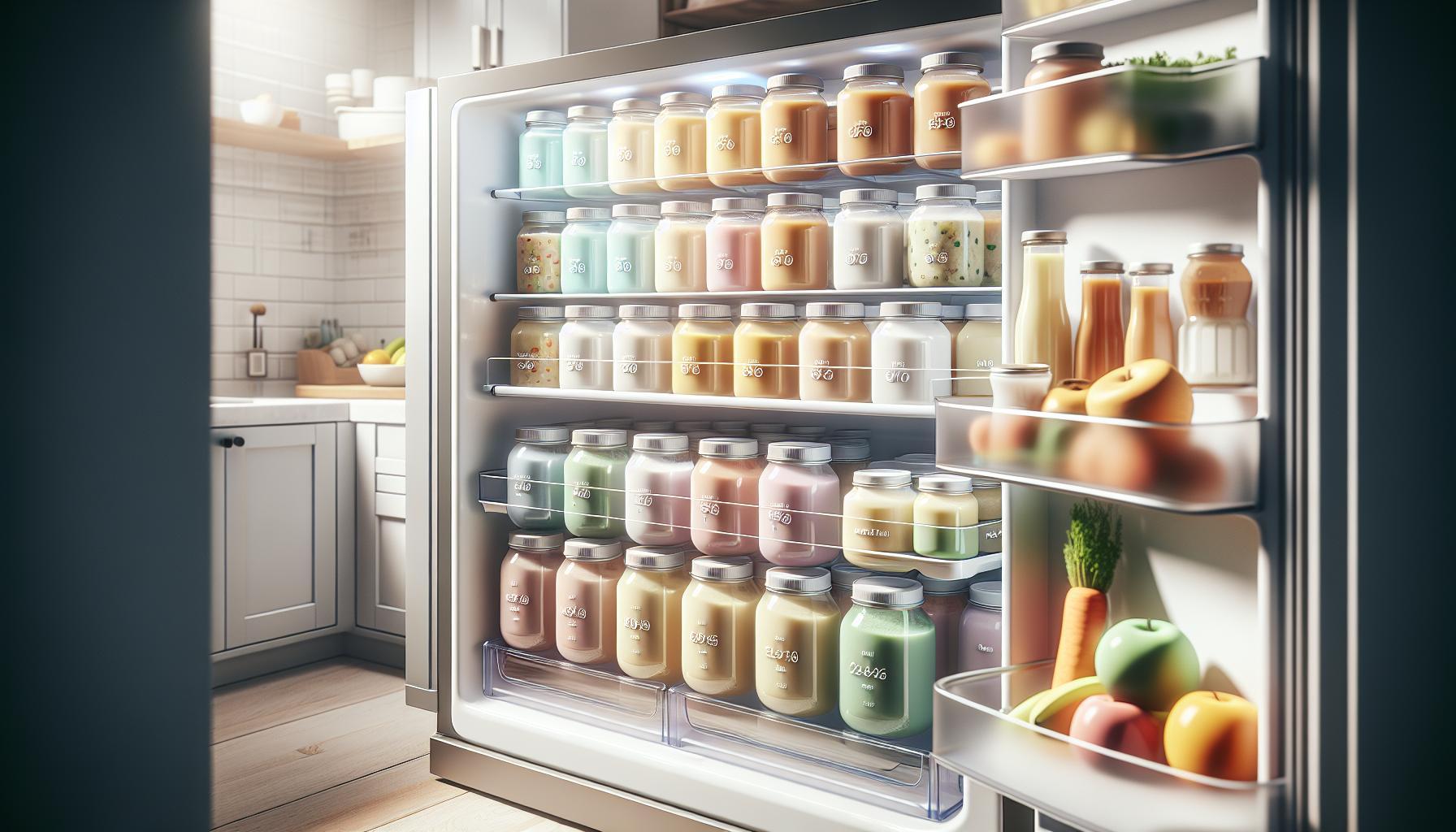

Did you know that properly storing baby food can significantly impact your little one’s health and safety? With busy schedules and the demands of parenthood, it’s easy to overlook how long baby food lasts in the fridge. Understanding safe storage times not only helps prevent waste but also protects your baby from potential foodborne illnesses.
In this article, we’ll explore the critical timeframes for refrigerating homemade and store-bought baby food, along with practical, science-based storage tips. By gaining knowledge about safe feeding practices, you’ll ensure that every bite your baby takes is both nutritious and safe. Let’s dive in and equip you with the essential guidelines to keep your baby’s meals fresh and healthy!
How Long Can Baby Food Be Stored in the Fridge?
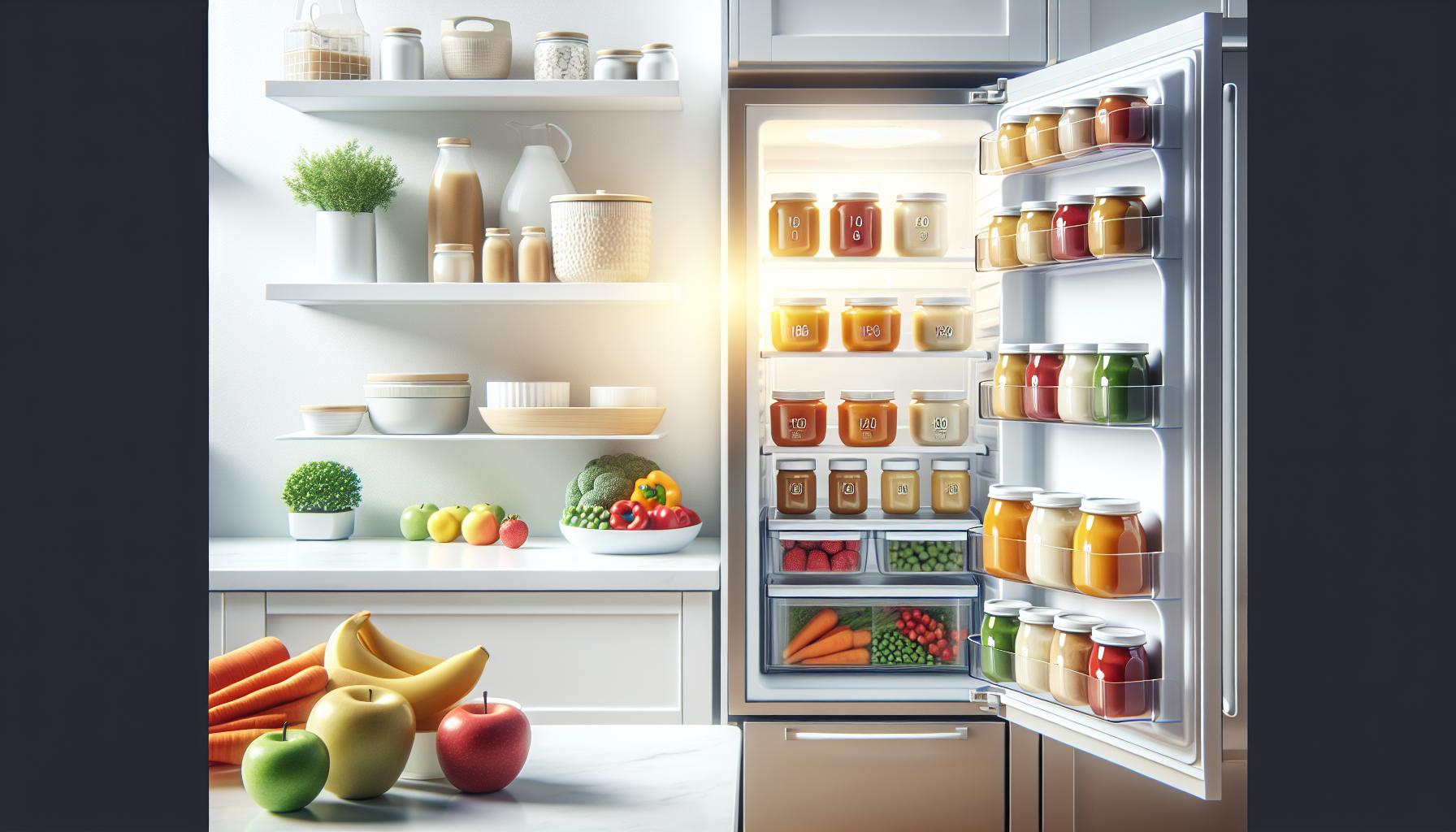
When it comes to keeping your baby’s food safe, knowing how long you can store it in the fridge is crucial. Typically, homemade baby food can be refrigerated for about 3 to 4 days. This timeframe ensures that the food maintains its nutritional quality and minimizes the risk of spoilage. For store-bought jars of baby food that have been opened, they usually last for a similar duration, provided they are stored correctly.
To maximize freshness and safety, always store baby food in airtight containers to reduce exposure to air and maintain moisture levels. While it’s tempting to store it directly in the jar, transferring it to another container can help prevent bacterial contamination. Additionally, labeling your containers with the date of preparation can be a quick reference point to track their freshness.
One crucial aspect of safety is to observe food for signs of spoilage before serving. If you notice any unusual color, texture changes, or an off smell, it’s best to err on the side of caution and discard the food. Remember, keeping your baby’s food safe is not only about following storage times but also about being vigilant for any signs of spoilage. Regularly reviewing your stored items can ensure that mealtime is safe and worry-free.
Signs Your Baby Food Has Spoiled
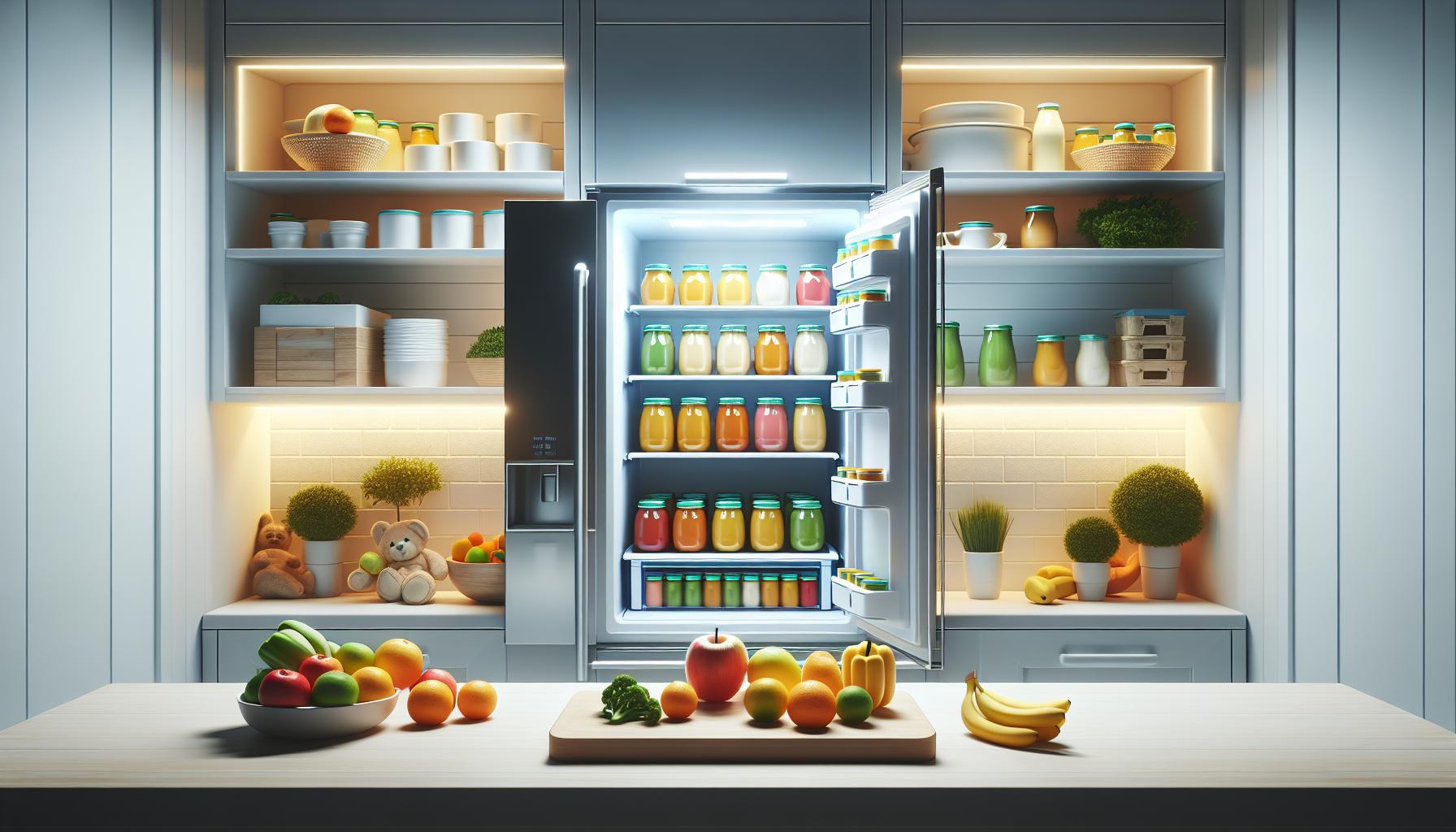
It’s essential for parents to be vigilant about the signs that baby food may have spoiled. Unlike adult food, which our bodies can sometimes handle better, babies are particularly susceptible to foodborne illnesses. Recognizing the indicators of spoilage is a crucial part of ensuring safe feeding practices.
One of the most obvious signs that baby food has spoiled is an off smell. Fresh baby food should have a pleasant aroma, often reminiscent of the fruits or vegetables used. If the food smells sour or otherwise unpleasant, it’s best to throw it away. Similarly, check for any changes in color; for example, a vibrant green puree turning brown may indicate oxidation, which can compromise safety.
Texture can also provide clues. If the food has developed an unusual graininess, separation, or excessive fluid on top, these alterations can signal that it is no longer safe. In some cases, mold can also develop, which is a clear indication to discard the food immediately. Always trust your instincts-if you have any doubts about whether the food is still good, it’s safer to err on the side of caution.
As a good practice, regularly inspecting your baby’s stored food before serving can help prevent spoilage issues. This vigilance not only contributes to your baby’s health but also promotes a habit of careful food storage and management. Always remember that new parents should consult with pediatricians regarding any specific concerns regarding food and feeding practices.
Best Practices for Storing Baby Food
Storing baby food safely is essential for ensuring the health and well-being of your little one. Proper storage practices can not only prolong the shelf life of homemade or store-bought baby food but also reduce the risk of spoilage and foodborne illnesses. The following practices provide a comprehensive guide for parents to follow.
Start by keeping baby food refrigerated promptly after preparing or opening. Generally, baby food can be stored in the fridge for up to 48 hours if it’s homemade and 1-3 days for commercially prepared options once opened. To ensure freshness, utilize airtight containers specifically designed for baby food. Glass or BPA-free plastic containers with tight-sealing lids are ideal as they prevent air exposure, reducing the risk of spoilage. Always label the containers with the preparation date to keep track of freshness and avoid confusion.
When it comes to portioning, consider using small containers or ice cube trays. Dividing food into single-serving sizes not only makes feeding more convenient but also limits the amount of food that needs to be reheated at once. Each time food is reheated, it should not be refrozen or refrigerated again, as this increases the chance of bacterial growth. Instead, only reheat what you plan to serve.
Freezing for Longevity
If you won’t be using homemade baby food within a few days, freezing is a fantastic option. Most purees freeze well and can last up to 3 months in the freezer. Ensure that you use freezer-safe containers or reusable pouches designed for freezing to prevent freezer burn. Thaw the food in the refrigerator overnight before serving, and make sure it is consumed within 24 hours after thawing.
By following these , you establish a routine that ensures your baby enjoys safe and nutritious meals, without the worry of spoilage or foodborne illness.
How to Safely Reheat Baby Food
To ensure that your baby enjoys safe and delicious meals, it’s essential to understand how to properly reheat baby food. Many parents find themselves asking, “What’s the best way to warm up baby food without compromising its safety and quality?” The key lies in gentle heating methods that preserve both the nutrients and flavor of the food, while also being mindful of food safety.
Start by selecting the right method for reheating. The safest approaches are using a stovetop or microwave, as they allow for even heating. When using a microwave, place the baby food in a microwave-safe container, cover it loosely to prevent splatter, and heat in short intervals-typically 15 to 30 seconds at a time. This gives you the chance to stir the food after every interval, ensuring that any hot spots are mixed in before feeding, thus preventing burns.
If you choose to reheat food on the stovetop, transfer the desired portion into a small saucepan. Heat it over low to medium heat, stirring frequently, until it reaches a temperature that’s warm enough for serving. Always test the temperature before offering it to your baby; it should be warm, not hot. Remember, baby food should never be refrozen or stored again once it has been reheated. To minimize waste, only reheat what you need for each feeding, keeping in mind that homemade baby food can generally be stored in the fridge for up to 48 hours.
Additionally, when dealing with leftovers, consider labeling your containers with dates to help track their freshness. This can assist you in managing leftovers and ensuring your baby is only fed food that is within the safe consumption time frame. By following these methods, you can maintain a focus on both safety and nutrition, offering your baby wholesome, reheated meals without the worry of spoilage or distressing temperatures.
Homemade vs. Store-Bought: Storage Differences
The differences in storage between homemade and store-bought baby food can significantly impact your baby’s safety and nutrition. Homemade baby food, while often fresher and tailored to your baby’s tastes and dietary needs, requires more attention to storage practices. Generally, it can be stored in the fridge for up to 48 hours. To optimize freshness, keep it in airtight containers and label them with dates to track how long the food has been stored. Portioning homemade foods into small servings before refrigeration can help you minimize waste and ensure that you only reheat what you need.
On the other hand, store-bought baby food is designed with longer shelf stability in mind. Unopened jars and pouches can usually last for months on the shelf until their expiration dates, but once opened, they should be treated similar to homemade options. Most store-bought varieties can be kept in the refrigerator for 24 to 48 hours after opening. It’s crucial to seal them tightly and store them in their original containers whenever possible to maintain their intended quality.
When considering nutrient retention, homemade baby food can yield higher quality nutrients since you control the ingredients. However, with store-bought options, the nutrient composition can vary based on processing methods. Parents should carefully read labels to select products without added sugars or preservatives. Making informed decisions about storage and preparation methods will protect your baby’s health while allowing for a variety of safe and nutritious meals.
Additionally, consider the importance of understanding expiration dates and the risks of consuming food past these limits. While homemade baby food offers control over ingredients, it also places the responsibility of safe storage on you. Always be vigilant about signs of spoilage, which can include unusual smells, changes in color, or texture alterations, whether with homemade or store-bought food. Prioritizing safe storage practices ensures your baby’s feeding routine remains nutritious and enjoyable.
Freezing Baby Food: What You Need to Know
Freezing baby food can be a game-changer for parents looking to efficiently manage meal prep while ensuring their little ones receive nutritious options. Properly freezing baby food allows you to retain more nutrients than other methods of preservation. When done correctly, you can store homemade baby food in the freezer for up to three months, ensuring that you always have healthy meals on hand.
To start, it’s important to choose the right containers for freezing. Use airtight containers or resealable freezer bags that are specifically designed for freezing. Avoid using regular plastic containers, as these may crack at low temperatures. When storing food in bags, remove as much air as possible before sealing to prevent freezer burn. For portioning, consider using ice cube trays; once the food is frozen solid, you can transfer the cubes into a freezer-safe bag, allowing you to defrost only what you need.
When it comes time to use your frozen baby food, it’s essential to follow safe thawing methods. The best practices include defrosting in the refrigerator overnight or using a microwave. Avoid leaving frozen food out at room temperature, as this can promote bacterial growth. Once thawed, homemade baby food can be kept in the fridge for up to 48 hours, similar to freshly made meals. Remember to never refreeze food once it has been thawed, as this can compromise the quality and safety.
In conclusion, freezing baby food not only provides efficiency in meal prep, but when done correctly, it assures that your baby has access to healthy meals. By following proper freezing and thawing guidelines, you can maintain the nutritional quality while making mealtimes easier for you and your child.
When to Throw Away Leftover Baby Food
It’s essential to prioritize the health and safety of your baby when it comes to food. Knowing when to discard leftover baby food can prevent potential health risks. Generally, homemade baby food should be consumed or discarded within a few days to ensure freshness and safety. If you’ve kept homemade baby food in the refrigerator, it’s crucial to follow a strict timeline: consume within 48 hours after preparation.
Here are some specific guidelines to help you make informed decisions about leftover baby food:
- Store-Bought Baby Food: Unopened jars or pouches usually have a long shelf life. However, once opened, store-bought baby food should be used within 24 to 48 hours. Always check the manufacturer’s instructions for safety.
- Signs of Spoilage: Look for changes in color, smell, or texture. If the baby food has an off odor, a bloated container, or visible mold, it’s best to toss it immediately.
- Leftovers after Baby’s Meal: If your baby has already eaten from a container, any uneaten food should be discarded. Bacteria from your baby’s mouth can contaminate the food, making it unsafe to save.
To keep food safety simple, consider implementing a system to label and date your homemade baby food. This way, you can easily track how long it’s been stored. If there’s any doubt about the freshness or safety of the food, it’s safer to err on the side of caution and throw it away. Being proactive and vigilant about food storage not only protects your baby’s health but also gives you peace of mind.
Essential Feeding Tips for New Parents
Feeding your baby can be both a delightful and daunting experience, especially when it comes to ensuring their food is safe and nutritious. One essential tip for new parents is to focus on proper food storage and understanding how long baby food lasts in the fridge. With the right practices in place, you can confidently provide fresh and safe meals for your little one.
When preparing or purchasing baby food, it’s crucial to adhere to safe timeframes for storage. Homemade baby food should ideally be used within 48 hours when stored in the refrigerator. For store-bought varieties, once opened, they must be consumed within 24 to 48 hours as well. This limited timeframe helps reduce the risk of bacterial growth that could lead to foodborne illnesses. Establishing a labeling system can greatly aid in keeping track of when food was prepared or opened, ensuring you always serve safe meals.
Understanding the signs of spoilage is equally important. Always look for changes in color, texture, or smell before serving any food to your baby. An off odor, a bloated container, or any visible mold indicates that the food is no longer safe to eat. If your baby has eaten from a container, be sure to throw away any leftover food that has been exposed to their mouth, as it may have been contaminated. By maintaining a proactive and vigilant approach to food storage, you help protect your baby’s health while providing peace of mind.
Lastly, keep the transition to solid foods gradual. Introduce one new food at a time to monitor for any adverse reactions, and store any uneaten food properly to maximize freshness. By doing so, you set up a healthy eating pattern right from the start, ensuring your baby enjoys nutritious meals while you maintain worry-free feeding practices.
Nutritional Considerations for Homemade Baby Food
Homemade baby food not only provides nutritional benefits but also allows parents to have complete control over their baby’s diet. When preparing these purees, it’s essential to focus on the nutritional quality of the ingredients and their safe storage. Fresh fruits and vegetables can be an excellent source of vitamins and minerals, but how you prepare, store, and serve them can significantly affect their nutritional value.
For optimal nutrition, it’s advisable to choose organic produce when possible, as it typically contains fewer pesticides and chemicals. The cooking method also matters; steaming or microwaving vegetables helps retain more nutrients compared to boiling, which can leach vitamins into the water. After preparing homemade baby food, allow it to cool before storing it in airtight containers.
Aim to use homemade purees within 48 hours when refrigerated. This timeframe ensures that the food remains safe and nutritious, minimizing the risk of bacterial growth. If your baby doesn’t finish a portion, it’s best to discard it rather than risk contamination from utensils or saliva.
Remember that the way you introduce different foods plays a crucial role in your baby’s nutritional journey. Introduce single-ingredient purees one at a time to monitor for allergies and ensure your baby is adjusting well. Mix and match combinations of fruits, vegetables, and grains as your baby grows to provide a diverse range of nutrients that support their development. By doing so and managing storage properly, you can guarantee that your little one receives the best nutritional start possible.
Understanding Expiration Dates on Baby Food
is essential for ensuring your little one’s safety and health. Manufacturers include these dates to indicate when the food is at its peak quality and safety for consumption. For store-bought baby food, you’ll typically find a “best by” or “use by” date stamped on the jar or container. These dates are closely related to the food’s nutritional quality and safety, but it’s important to note that baby food may still be safe to consume a short time after the printed date, provided it has been stored correctly.
For homemade baby food, the guidelines are more precise. Once prepared, it is advisable to use homemade purees within 48 hours when stored in the refrigerator. If freezing, homemade purees can last up to three months, retaining their quality better than if stored for longer. Always label containers with the date of preparation to keep track of freshness. Remember, any food that has an off smell, strange color, or visible mold should be discarded regardless of the date; signs like these suggest spoilage.
When purchasing baby food, always check for intact packaging, as this can indicate whether the food is still safe to eat. Store-bought food that’s in dented or bulging containers may pose risk and shouldn’t be consumed. If in doubt about whether to keep or toss food, err on the side of caution-it’s better to waste a little food than to risk your baby’s health. By adhering to proper storage guidelines and keeping an eye on expiration dates, you can help ensure your baby’s meals are both delicious and safe.
Common Mistakes Parents Make with Baby Food Storage
Many parents unknowingly compromise the safety and quality of baby food due to common storage mistakes. Understanding these pitfalls is essential not just for preserving food, but for ensuring your baby’s meals remain both nutritious and safe. One frequent error is failing to properly label containers with dates. Without clear markings, it can be easy to forget when a batch was made, leading to the risk of serving food that has exceeded its recommended storage time.
Another common oversight is storing opened jars of store-bought baby food in inappropriate conditions. Once opened, these jars should be kept in the refrigerator and used within 24 to 48 hours. Leaving them out at room temperature can encourage bacterial growth, posing health risks. Additionally, parents sometimes incorrectly store homemade baby food in large containers instead of smaller portions. Bulk storage makes it tempting to thaw an entire batch at once, which can result in repeated freezing and thawing, degrading the food’s quality and safety.
Many parents also overlook the importance of checking for spoilage signs, assuming that food is safe as long as it hasn’t reached the expiration date. Visible mold, off smells, or any changes in texture should not be ignored. These are clear indicators that the food is no longer safe for your baby. Moreover, mixing different batches of food in one container can lead to confusion about freshness, especially if the older food has a shorter shelf life.
To avoid these mishaps, make it a habit to always date your food storage containers, always refrigerate opened baby food, and portion out leftovers into smaller, airtight containers. Checking your food for spoilage before serving and keeping different batches separate can further ensure that your baby’s meals are safe and enjoyable. By being mindful of these common mistakes, you can make informed decisions that prioritize your child’s health.
How to Transition Baby Food in the Fridge
To effectively transition baby food in the fridge, it’s important to take deliberate steps to maintain freshness and safety. When introducing new foods or rotating older items, mindful organization can make a significant difference. Start by storing baby food in clearly labeled containers, ensuring each one is marked with the date of preparation or opening. This practice allows you to easily identify which items need to be used first, avoiding potential spoilage.
When transferring leftover homemade purees or opened jars from the counter to the fridge, consider portioning them into smaller, airtight containers that suit your baby’s meal size. Not only does this minimize the risk of contamination, it also helps with managing portions effectively. Ideally, baby food should be consumed within 24 hours if opened or after being cooked. Home-cooked purees can last in the refrigerator for up to 3 days, while store-bought baby food jars can be used within 48 hours once opened.
To ensure you’re making the most of your baby food, always check the fridge’s temperature settings. It should be at or below 40°F (4°C) to inhibit bacterial growth. Additionally, keep an eye on the contents of the fridge. If you notice any food that is close to its expiration date or looks questionable, prioritize using those items in your baby’s meals. Furthermore, if transitioning into a new type of puree, consider mixing it with familiar flavors to help your baby adjust without fuss.
Regularly reviewing what you have in the fridge helps avoid waste and ensures your baby’s meals are safe and nutritious. By following these steps, you’re not only extending the life of the food but also making sure your baby enjoys a varied and healthy diet.
FAQ
Q: How can I tell if baby food has gone bad?
A: To determine if baby food has spoiled, look for changes in color, texture, or smell. If it has an off odor or unusual consistency, it’s best to discard it. Additionally, check for bubbles or bulging packaging, which can indicate fermentation or spoilage.
Q: What is the best container for storing baby food in the fridge?
A: Glass or BPA-free plastic containers with airtight lids are ideal for storing baby food in the fridge. They help maintain freshness and prevent contamination. Always label with the date to track how long it has been stored [1[1].
Q: How long can homemade baby food last in the fridge?
A: Homemade baby food typically lasts 3 to 4 days in the fridge if stored in airtight containers. Always refrigerate promptly and consume within this timeframe for safety [2[2].
Q: Can I freeze baby food after it’s been in the fridge?
A: Yes, you can freeze baby food that has been stored in the fridge for up to 24 hours, but it should not be refrozen if it has been thawed. Store in freezer-safe containers to maintain quality [3[3].
Q: How do I safely reheat baby food?
A: To safely reheat baby food, use a microwave or stovetop, ensuring it reaches an internal temperature of 165°F (74°C). Stir well to avoid hot spots, and allow it to cool before feeding your baby [3[3].
Q: What should I do if my baby refuses to eat refrigerated food?
A: If your baby refuses refrigerated food, try warming it slightly. Sometimes, babies prefer food at room temperature. If the food has been stored properly and still poses a smell or texture issue, consider offering a different option [2[2].
Q: How can I avoid making common mistakes when storing baby food?
A: To prevent common mistakes, always label containers with dates, avoid mixing new food with older batches, and keep track of how long food has been stored. Ensure your refrigerator is at the correct temperature (below 40°F or 4°C) [3[3].
Q: Is it safe to give my baby leftover food from a meal?
A: Only offer leftovers that have been refrigerated within 2 hours of meal completion and have not been previously reheated. Store them in the fridge in airtight containers and always check for spoilage before serving to your baby [3[3].
In Retrospect
Now that you know how long baby food lasts in the fridge and the essential safe feeding tips, it’s time to put this knowledge into practice. Always prioritize your child’s health by sticking to the recommended storage times and utilizing proper sealing techniques. Don’t hesitate to explore our other informative articles on baby food safety and learn more about potential contaminants like heavy metals in baby food. You can check out “What Parents Should Know About Heavy Metals in Baby Food” to stay informed about safer options for your little one.
Your child’s nutrition is paramount, so why not take the next step? Sign up for our newsletter to receive updates on the latest health tips and product reviews tailored for parents. Remember, a little awareness goes a long way in ensuring the safety of your baby’s meals. Have questions or personal experiences to share? We invite you to leave a comment below-your insights could help another parent. Keep nurturing those healthy habits, and thank you for visiting!