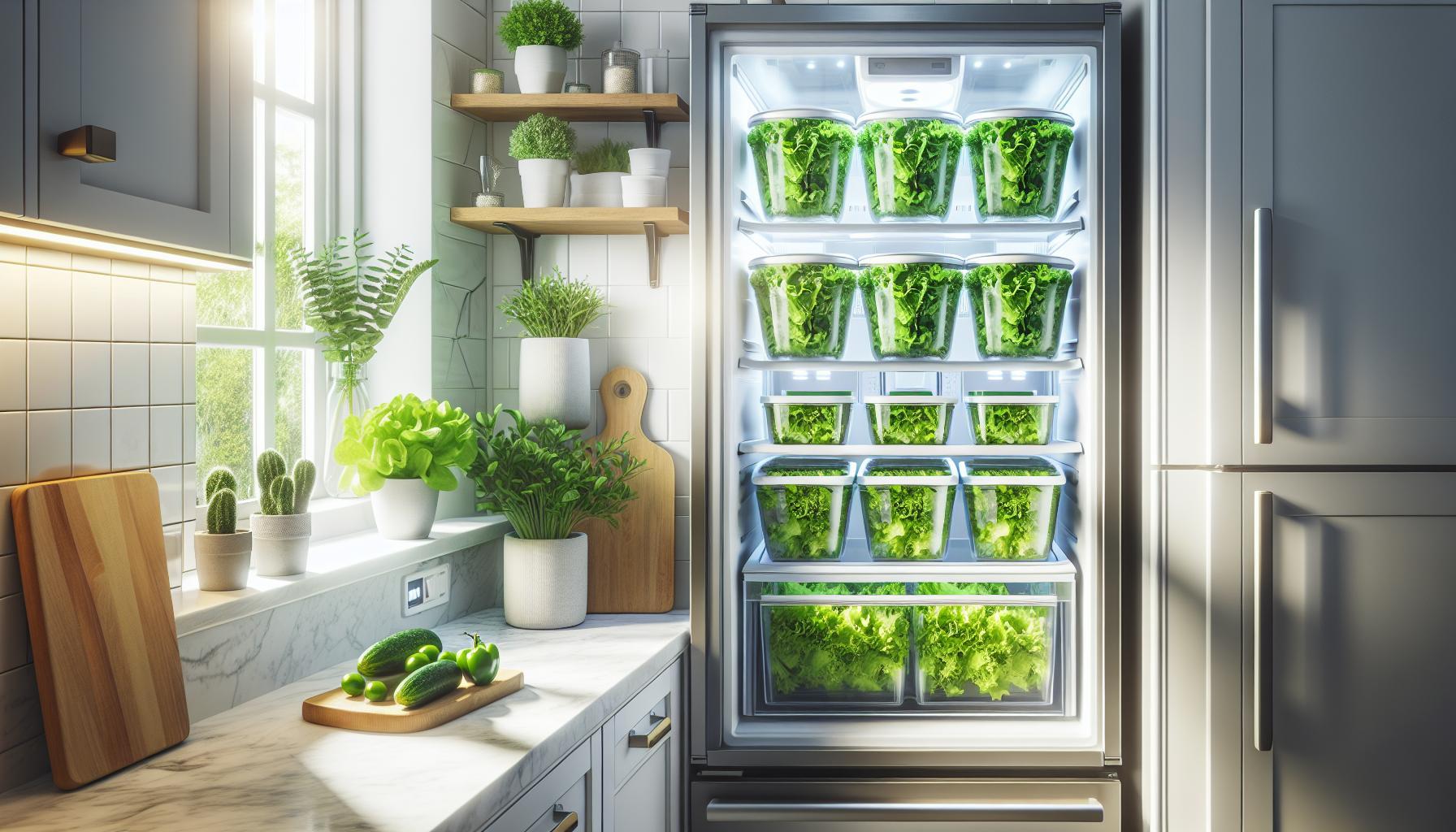

Did you know that the way you store your salad can significantly impact its freshness and safety? For many of us, salad is a go-to meal for its health benefits and convenience. However, knowing how long your favorite greens last in the fridge is crucial to maximizing their taste and preventing waste.
In this article, we’ll break down the shelf life of various salad ingredients, offer practical storage tips, and provide you with step-by-step guidance to keep your greens crisp and delicious. By understanding the best practices for salad storage, you can make informed decisions that support not only your culinary goals but also your commitment to food safety. Get ready to transform the way you handle salads, ensuring they’re always ready to shine on your plate!
How Long Will Your Salad Stay Fresh?
To maintain the crispness and freshness of your salad, understanding its shelf life in the fridge is essential. Generally, fresh salads can last anywhere from 3 to 7 days, depending on the ingredients used and how they are stored. Leafy greens, such as lettuce and spinach, are particularly susceptible to wilting and spoilage, often lasting just 5 to 7 days when stored properly. Ingredients like cucumbers and bell peppers can enhance the salad’s freshness but may also influence overall storage time. Proteins and dressings, when added, may further alter the longevity of the salad.
To maximize the freshness of your salad, consider the following factors that play a significant role:
- Moisture Content: Excess moisture can promote bacterial growth, leading to quicker spoilage. Ensuring greens are dry before storage is key.
- Ingredient Composition: Salads with hearty ingredients (like kale or cabbage) tend to last longer than those with delicate leafy greens (like arugula).
- Storage Temperature: Keeping salads at or below 40°F (4°C) is crucial for preventing spoilage. A well-functioning refrigerator can significantly extend freshness.
Keeping these factors in mind can help you enjoy your salad for a longer time while maintaining its delightful crunch. Remember to always check stored salads for signs of spoilage, and when in doubt, err on the side of caution and discard any questionable ingredients.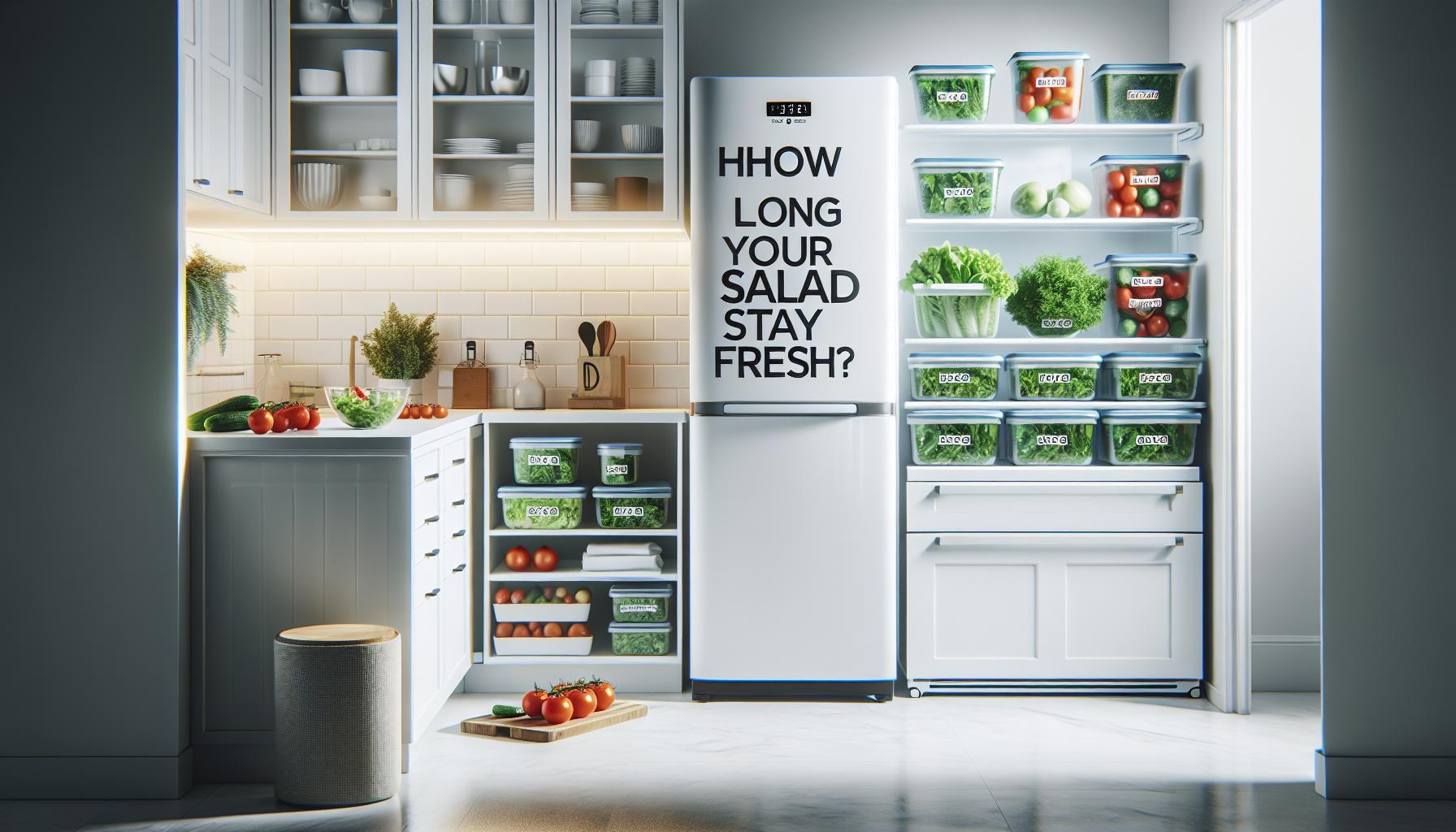
Factors Affecting Salad Freshness
The freshness of your salad is often an intricate dance between various factors, all of which play a significant role in determining how long your greens will maintain their delicious texture and flavor. Notably, the ingredients you select, the moisture they hold, and how you store them can drastically influence their lifespan. Understanding these aspects allows you to enjoy salads at their peak quality, enhancing both your culinary experience and your health.
One major factor affecting salad freshness is moisture content. When salad greens are stored with excessive moisture, they can quickly become a breeding ground for bacteria, leading to premature spoilage. To combat this, always wash and dry your greens thoroughly before storage. Using a salad spinner is an excellent way to ensure that the leaves remain crisp and dry. Additionally, wrapping greens in paper towels before placing them in a container can help absorb any residual moisture.
Another key element is the ingredient composition. Salads made up of heartier ingredients, such as kale, cabbage, or firm vegetables like carrots and radishes, tend to hold up better than those with softer greens like lettuce and spinach. This is because robust ingredients are less susceptible to wilting and bruising. If you know that your salad will be stored for several days, consider using these sturdier vegetables as a base to prolong freshness.
Lastly, maintaining the correct storage temperature is essential. Salads should be kept at a temperature below 40°F (4°C) to slow down the growth of spoilage-causing bacteria. Ensure your refrigerator is functioning well and avoid storing salads in the door, where temperatures fluctuate more. Instead, place your salad in the main compartment, ideally at the back, where it tends to be colder and more stable. Following these practical guidelines can make a substantial difference in extending your salad’s shelf life, allowing you to enjoy fresh, crisp greens right when you need them.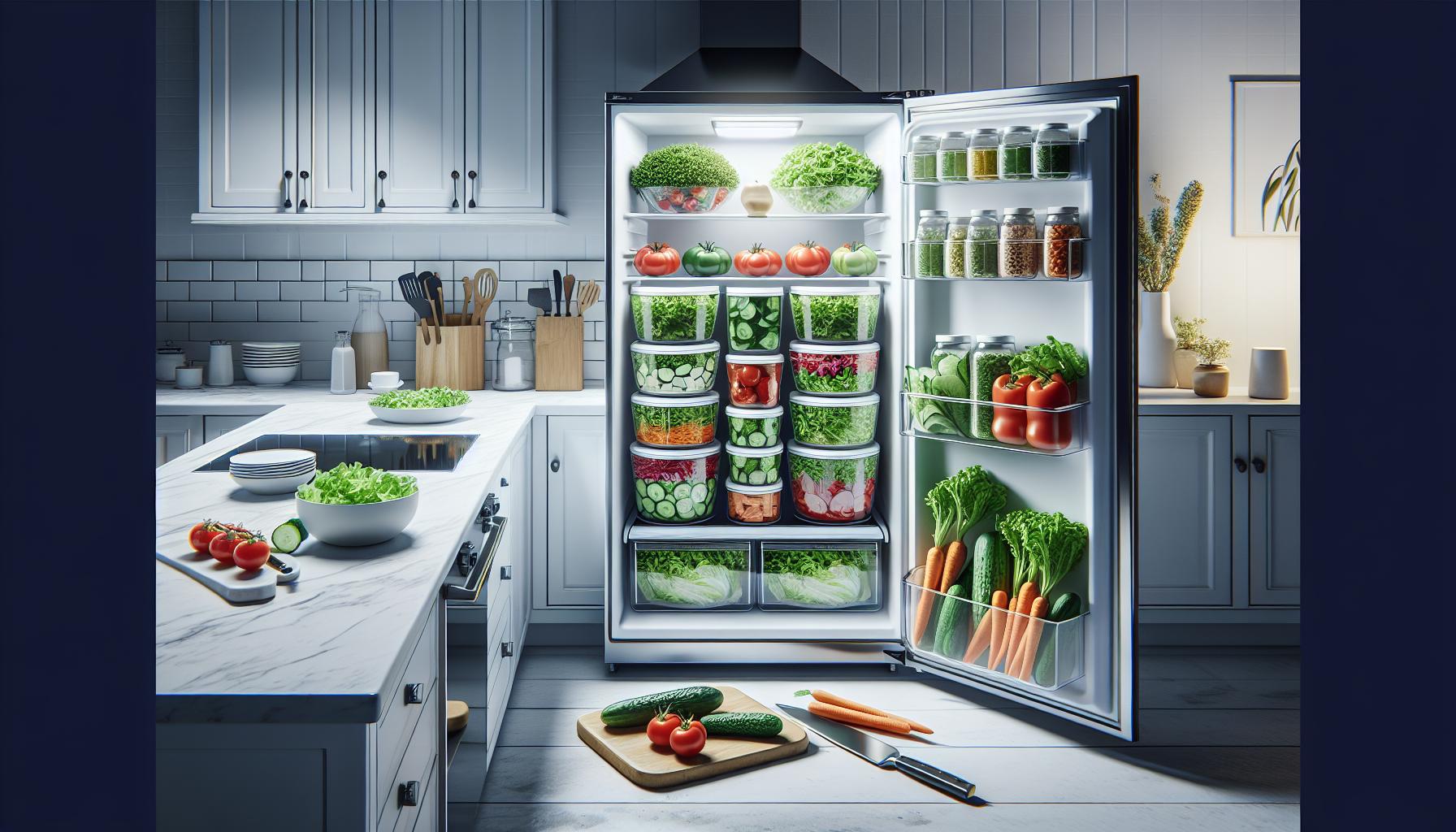
Best Storage Methods for Crisp Greens
To keep salad greens crisp and delicious, it’s essential to utilize the best storage methods that maximize their freshness and extend their shelf life. One of the most effective ways to store greens is by ensuring they are properly dried after washing. Excess moisture is a leading factor in spoilage, so using a salad spinner to remove excess water is crucial. After drying, store the greens in a breathable container such as a perforated plastic bag or a container lined with paper towels. This allows for air circulation while still absorbing stray moisture, helping to keep the leaves crisp for longer.
Optimal Storage Conditions
Temperature regulation is key to maintaining freshness. Greens should be stored at a temperature below 40°F (4°C). To achieve this, it’s advisable to place greens in the main compartment of your refrigerator, preferably at the back, where temperatures are more stable. Avoid the refrigerator door, as this area can fluctuate in temperature, leading to wilting and spoilage of your greens.
Another effective method is to utilize moisture control technologies, such as green bags designed specifically for produce. These bags help to maintain humidity levels while allowing excess moisture to evaporate, thereby slowing down the decay process. For leafy greens, consider using a container with a tight-fitting lid; adding a paper towel inside can help absorb moisture while keeping your greens fresh.
Specific Leafy Green Storage Tips
Different types of greens have specific storage needs. Here are tailored tips for common salad greens:
- Lettuce: Store in a sealed container with paper towels to absorb moisture. Romaine and butterhead varieties stay best when whole, rather than pre-cut.
- Spinach: Keep in a dry, breathable bag or container. Using paper towels will help wick away moisture.
- Kale: Can be stored similarly to spinach but benefits from being cut into pieces just before use to avoid bruising.
- Arugula: Best stored in a loose bag to allow for air circulation to preserve its crispness.
Implementing these storage methods will ensure that your salad greens remain fresh, crisp, and ready to enjoy, minimizing waste and enhancing your healthy eating habits. Overall, proper storage is the key to maximizing the longevity and quality of your salad ingredients.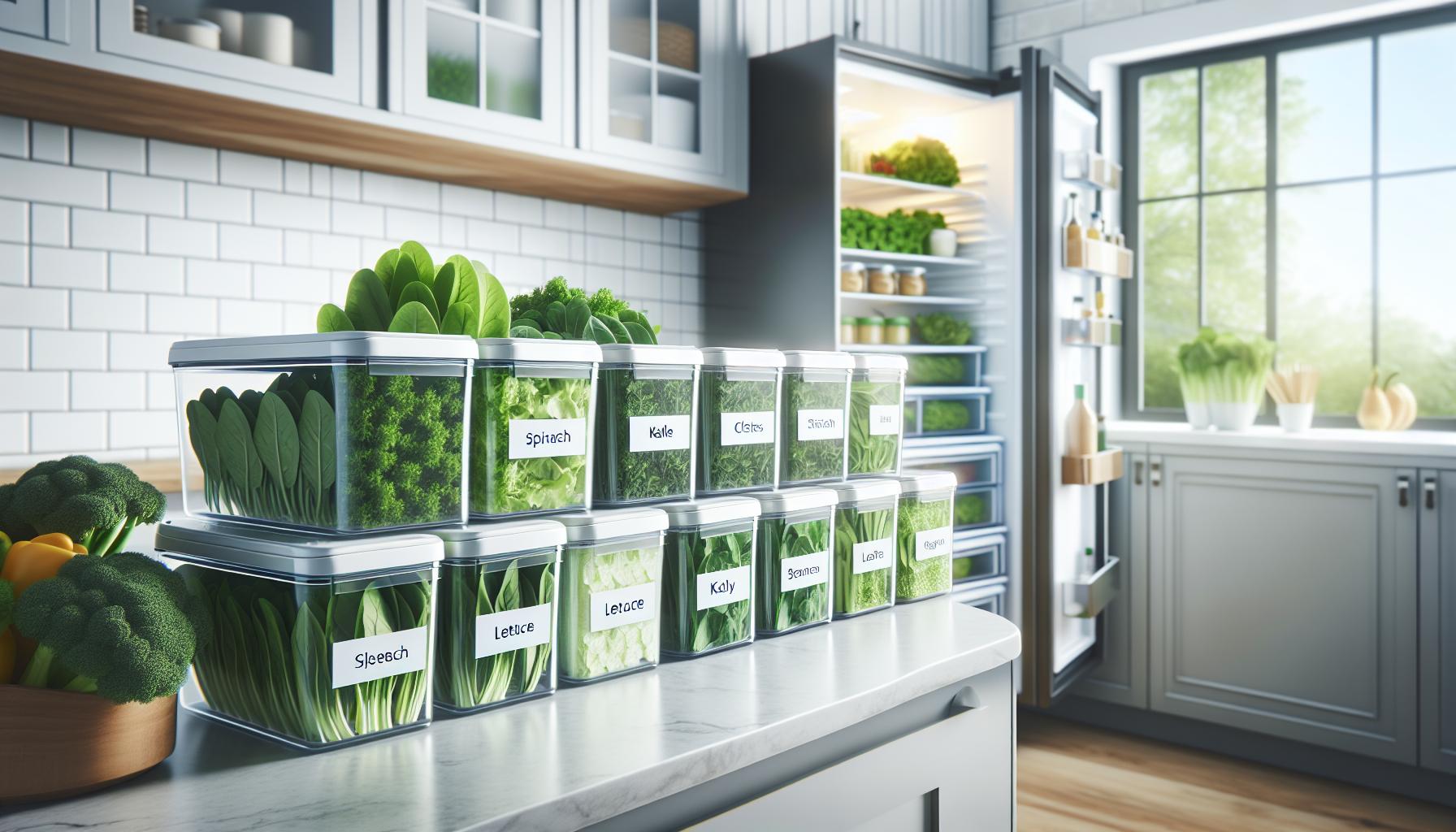
How to Prevent Wilting in Salad Greens
To keep salad greens looking vibrant and appetizing, proper care is essential to prevent unwanted wilting. A common culprit behind wilting is exposure to excess moisture or lack of hydration. One effective way to combat this issue is to ensure that greens are not washed until right before use. This practice reduces exposure to moisture in storage, which can lead to soggy or droopy leaves.
Once greens are ready for storage, they should be handled carefully. After washing, greens should be thoroughly dried using a salad spinner or clean kitchen towels. This step is critical because moisture left on the leaves can accelerate spoilage. After drying, store greens in a breathable container, such as a perforated bag or a container lined with paper towels. The paper towels can help to absorb any residual moisture while allowing air to flow, creating an ideal environment for freshness.
Another strategy includes using a produce mister that lightly sprays them with water, which mimics the humidity levels found in their natural environment. This method helps maintain their crispness without oversaturating them. Additionally, it’s essential to avoid stacking heavy items on top of salad greens in the fridge, as this can crush and bruise the delicate leaves, leading to faster wilting. Always aim to store greens in a spot where they remain undisturbed, ideally in a dedicated drawer that offers stable temperature and humidity levels.
By combining these techniques, you can effectively extend the shelf life of your greens, keeping your salads looking fresh and vibrant until it’s time to serve.
Signs Your Salad Has Gone Bad
When it comes to keeping salads fresh, recognizing the signs that your salad has gone bad is essential for both taste and food safety. One of the first indicators of spoilage is a change in texture. Fresh greens should be crisp and vibrant, but if they start feeling slimy or wilted, it’s time to consider tossing them out. Another telltale sign is discoloration; if the leaves begin to turn a brown or yellow hue rather than maintaining their bright green color, they are likely past their prime.
Smell can also provide valuable clues. A sour or off odor emanating from the salad can indicate the growth of bacteria and spoilage. If your salad has an unpleasant scent, it’s best not to consume it. Additionally, keep an eye out for the presence of mold or dark spots. Even small patches can be a sign that the entire batch has deteriorated, as mold may spread quickly and contaminate surrounding areas.
To help you quickly identify when your greens have gone bad, here’s a handy checklist:
- Slimy texture: Greens should feel crisp, not slick.
- Discoloration: Watch for browning or yellowing of leaves.
- Unpleasant odor: Fresh salads should have a clean, fresh smell.
- Mold growth: Any signs of mold or dark spots are a red flag.
If you notice any of these warning signs, it’s crucial to err on the side of caution. Discard the salad to avoid potential health risks associated with consuming spoiled produce. By staying vigilant and following these simple guidelines, you can better ensure your salads remain both safe and enjoyable to eat.
Storage Tips for Different Salad Types
Success in keeping salads fresh largely depends on how you store them based on their specific ingredients. Different types of salads have unique storage needs, and understanding these can significantly extend their shelf life in your fridge. For instance, leafy greens, hearty salads, and pasta salads each require tailored approaches to maintain their crispiness and flavor over time.
Leafy Green Salads
Leafy green salads, such as those with romaine, spinach, or mixed greens, thrive in a moisture-controlled environment. To preserve their crispness, wrap the greens in a damp paper towel and place them inside a sealed plastic bag or airtight container. The towel helps maintain humidity without making the leaves soggy. Ideally, consume these salads within 3 to 5 days to enjoy their best texture and flavor.
Hearty Salads
Hearty salads-those containing ingredients like grains (quinoa or barley), beans, or roasted vegetables-can last longer than their leafy counterparts. These salads tend to have a sturdier structure. Store them in a well-sealed container in the fridge, where they can last up to a week. Note, however, that dressings can affect freshness; store the dressing separately and add it just before serving to prevent the salad from becoming too soggy.
Pasta and Grain Salads
Pasta and grain salads can maintain their freshness for about 5 to 7 days if stored properly. Use airtight containers to minimize exposure to air, which can lead to faster spoilage. Keeping these salads refrigerated is key; however, storing them at a consistent temperature (below 40°F or 4°C) can help maintain their quality. Reinforce the flavor by adding fresh herbs or ingredients just before serving, as this can revive the salad’s overall appeal.
Fruit Salads
Fruit salads, particularly those with cut fruits, can start to degrade quickly due to oxidation, which leads to browning. To keep fruit salads fresh, sprinkle lemon or lime juice over the ingredients before storing; this helps slow down the oxidation process. Ideally, consume these salads within 1 to 3 days. Store them in a tightly sealed container to reduce exposure to air, which can cause fruits to lose their freshness.
By following these specific storage guidelines for different types of salads, you can confidently enjoy crisp, delicious greens and ingredients throughout the week. Additionally, always check for signs of spoilage before consuming and adjust your storage techniques as needed to maximize freshness and minimize waste.
Maximizing Salad Longevity: Expert Tips
To keep your salads fresh and crisp for as long as possible, understanding a few key tips can make all the difference. The first step is ensuring proper storage conditions. Refrigeration is essential, but it’s not just about putting your salads in any corner of the fridge. Aim to keep your refrigerator’s temperature below 40°F (4°C). This helps slow spoilage and maintain the freshness of greens and other ingredients.
Another crucial aspect is moisture control. For leafy greens, wrapping them in a slightly damp paper towel before placing them in a breathable bag or container can provide the necessary humidity. This method prevents them from drying out while avoiding excess moisture that leads to rot. Hearty salads, like those with grains or beans, can benefit from being stored in airtight containers to limit exposure to air, which speeds up deterioration.
Moreover, timing is key when it comes to consumption. Strive to consume leafy green salads within 3 to 5 days for optimal flavor and texture, while hearty salads can last up to a week when stored correctly. For pasta and grain salads, think about adding fresh herbs just before serving to enhance taste and appeal, which can make leftovers seem less like second-day food and more like a fresh meal.
Lastly, consider the inclusion of dressing. If possible, store dressings separately and add them just before serving. This approach not only prevents salads from becoming soggy but also provides a fresh burst of flavor with each serving. By following these guidelines, you can maximize the longevity and quality of your salads, making your meal prep more efficient and enjoyable.
How to Revive Wilted Salad Greens
Reviving wilted salad greens can be a game-changer, transforming sad, limp lettuce into a crisp, fresh addition to your meal. The great news is that you don’t have to toss those tired greens; with a few simple techniques, you can restore their vitality and enjoy them again. When greens begin to wilt, it usually means they’ve lost moisture, but a quick soak can initiate the rehydration process.
One effective method is to fill a large bowl with cold water and submerge the wilted greens for about 30 minutes. This allows the cells within the leaves to reabsorb water, plumping them back to their original state. After soaking, gently remove the greens and carefully pat them dry with a clean kitchen towel or use a salad spinner to eliminate excess moisture. The cold water bath refreshes the greens and can enhance their crispness, providing a satisfying crunch when served.
In addition to soaking, you can also try spritzing your greens lightly with cold water and placing them in a container lined with a damp paper towel. This method creates a humid environment that prevents further wilting, helping to maintain freshness for a longer period. Remember, the key to maintaining salad greens is moisture balance; too little can cause wilting, while too much can lead to rot. Following these techniques not only extends the life of your greens but also elevates your salads with the freshness that they deserve.
When to Use Leftover Salad Ingredients
Leftover salad ingredients can be a treasure trove of culinary potential, transforming what might be considered waste into delicious new meals. Knowing when and how to use these ingredients effectively not only helps reduce food waste but also maximizes the value you get from your grocery purchases. To make the most of your leftover greens, vegetables, and toppings, consider a few guiding principles.
Start by assessing the freshness of your salad components. Generally, leafy greens can last about 3 to 7 days in the refrigerator, while other salad ingredients like tomatoes and cucumbers may stay fresh for up to 5 days. If your greens are still crisp but nearing their preferred eating window, they are perfect for a quick stir-fry, soup, or smoothie. Incorporating wilting greens into cooked dishes is a great way to prevent spoilage while adding a nutritional boost. For example, sauté leftover spinach with garlic and olive oil for a quick side dish, or blend kale into a morning smoothie.
Toppings such as nuts, seeds, and cheese can be repurposed in various creative ways as well. For instance, walnuts or almonds can add a crunchy element to oatmeal or yogurt, while feta cheese can enhance the flavor of scrambled eggs or pasta dishes. If you have leftover protein such as chicken or chickpeas, toss them into a new salad or grain bowl, refreshing your meal options while utilizing what you have on hand.
Best Practices for Timing and Safety
It’s essential to keep track of how long ingredients have been stored. Generally, cooked proteins should be eaten within 3 to 4 days in the fridge, and any salad dressings should be consumed based on their expiration date if store-bought, or within a week if homemade. Using a clear container with a note on the date can help keep track of freshness. Always check for signs of spoilage, such as off smells or discoloration, before using any ingredients.
Utilizing leftover salad ingredients creatively can be both satisfying and sustainable. By being mindful of their freshness and finding ways to incorporate them into your cooking, you can enjoy a variety of meals while honoring the resources you’ve invested in your groceries.
Food Safety: Handling Salad Properly
Maintaining the safety of your salad is crucial, not just for freshness but also to prevent foodborne illnesses. Bacteria can thrive in moist environments, making salads, especially those with perishable ingredients, potential risk factors if not handled properly. One of the most significant aspects of salad safety begins at the grocery store. Choose fresh ingredients with firm leaves and avoid any pre-packaged greens that show signs of damage or spoilage. It’s equally important to keep raw vegetables and fruits separate from cooked proteins in your cart to prevent cross-contamination.
When preparing your salad at home, always wash your hands thoroughly with soap before and after handling food. Rinse all vegetables and fruits under running water, even if you plan to peel or cut them. Use separate cutting boards for vegetables and animal products to eliminate the risk of transferring harmful bacteria, such as Salmonella or E. coli. Once your salad is prepared, keep it chilled and serve promptly; salads should not sit out at room temperature for more than two hours, or just one hour if the room temperature exceeds 90°F (32°C).
After enjoying your salad, proper storage is key to maintaining freshness and safety. Store any leftovers in airtight containers, ideally glass or BPA-free plastic, and refrigerate immediately. For leafy greens, wrap them in slightly damp paper towels before placing them in a container to help retain moisture without making them soggy. Make sure your fridge is set at or below 40°F (4°C). Always check for freshness before consuming leftovers; if the salad has an off smell or an unusual texture, it’s safest to discard it.
Lastly, be mindful of how long your ingredients have been stored. Leafy greens can last around 3 to 7 days in the refrigerator, while ingredients like tomatoes and cucumbers typically last up to 5 days. Adhering to these safety practices not only enhances your culinary experience but also protects your health, allowing you to savor nutritious salads worry-free.
Faq
Q: How can I tell if salad greens have gone bad?
A: Salad greens have gone bad if they appear slimy, discolored, or wilted. Additionally, an off or sour smell indicates spoilage. Always check for these signs before consumption to ensure your salad is safe to eat. For more details, see the section on “Signs Your Salad Has Gone Bad.”
Q: What types of salads last the longest in the fridge?
A: Salads with sturdier greens like kale, Swiss chard, or spinach tend to last longer in the fridge, often up to a week when stored properly. Avoid adding dressing until you’re ready to eat, as this helps maintain freshness. Check “Storage Tips for Different Salad Types” for more information.
Q: Can I freeze salad to extend its shelf life?
A: Freezing salad is not recommended as greens tend to wilt and lose texture when thawed. Instead, focus on proper refrigeration techniques to keep your salad fresh. Consider light blanching for some greens before freezing if you’re looking to preserve them long-term.
Q: How can I store salad dressing to keep it fresh?
A: Store salad dressing in an airtight container in the refrigerator. Homemade dressings typically last about a week, while store-bought varieties can last several months. Always check the expiration date and store according to the ingredients used.
Q: Is it safe to eat leftover salad after a few days?
A: Yes, it is generally safe to eat leftover salad within 3-5 days if stored properly in the fridge at or below 40°F (4°C). However, assess it for freshness and any signs of spoilage before consuming. For handling leftovers, refer to “When to Use Leftover Salad Ingredients.”
Q: What should I do if my salad greens start to wilt?
A: To revive wilted salad greens, soak them in ice water for about 10-15 minutes to rehydrate. Afterward, gently dry them with a salad spinner or paper towels. This method helps restore their crispness, as mentioned in “How to Revive Wilted Salad Greens.”
Q: How does the type of container affect salad freshness?
A: Using airtight containers can significantly extend the freshness of your salad by reducing moisture and airflow. Glass or BPA-free plastic containers are ideal choices. For optimal storage practices, see the “Best Storage Methods for Crisp Greens” section.
Q: What should I avoid adding to salads to make them last longer?
A: Avoid adding moist ingredients like tomatoes or cucumbers until just before serving, as they release moisture that can cause greens to wilt faster. For more strategies on maintaining freshness, check the section on “Maximizing Salad Longevity: Expert Tips.”
Concluding Remarks
To ensure your salads stay fresh and delicious, remember to store them properly and consume them within the recommended timeframe-typically 3-7 days in the fridge. This way, you’ll always enjoy crisp greens with optimal flavor and nutritional value. If you still have questions about food safety or want to maximize your meal prep, check out our guides on “Meal Prep Safety Tips” and “Top 10 Foods to Keep Fresh Longer.”
Don’t let your greens go to waste-take action now! Subscribe to our newsletter for the latest tips and recipes directly to your inbox, and share your salad storage hacks in the comments below. For even more culinary insights, explore our related articles! Let’s keep your kitchen adventures going strong while ensuring your meals are always safe and tasty.