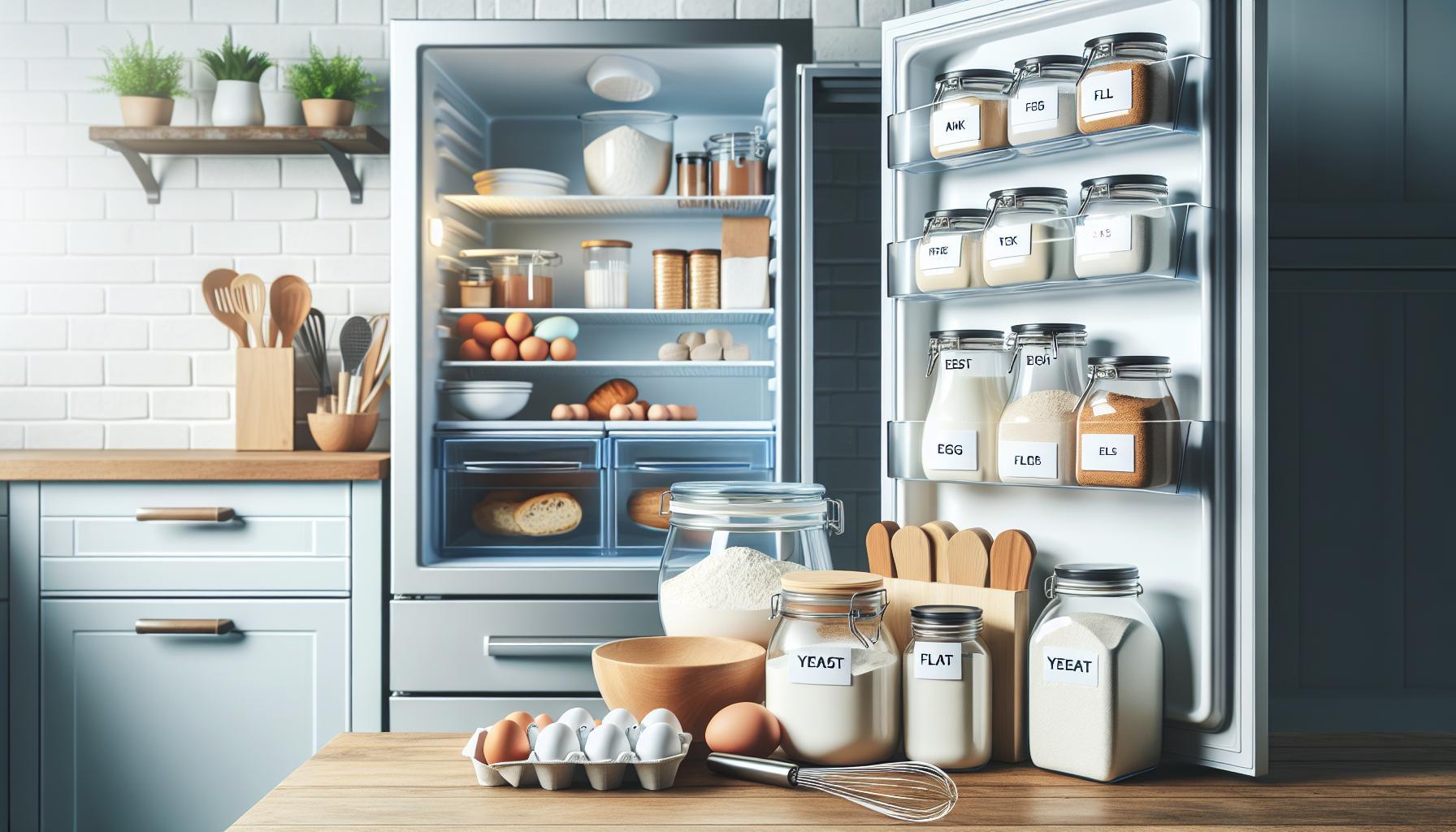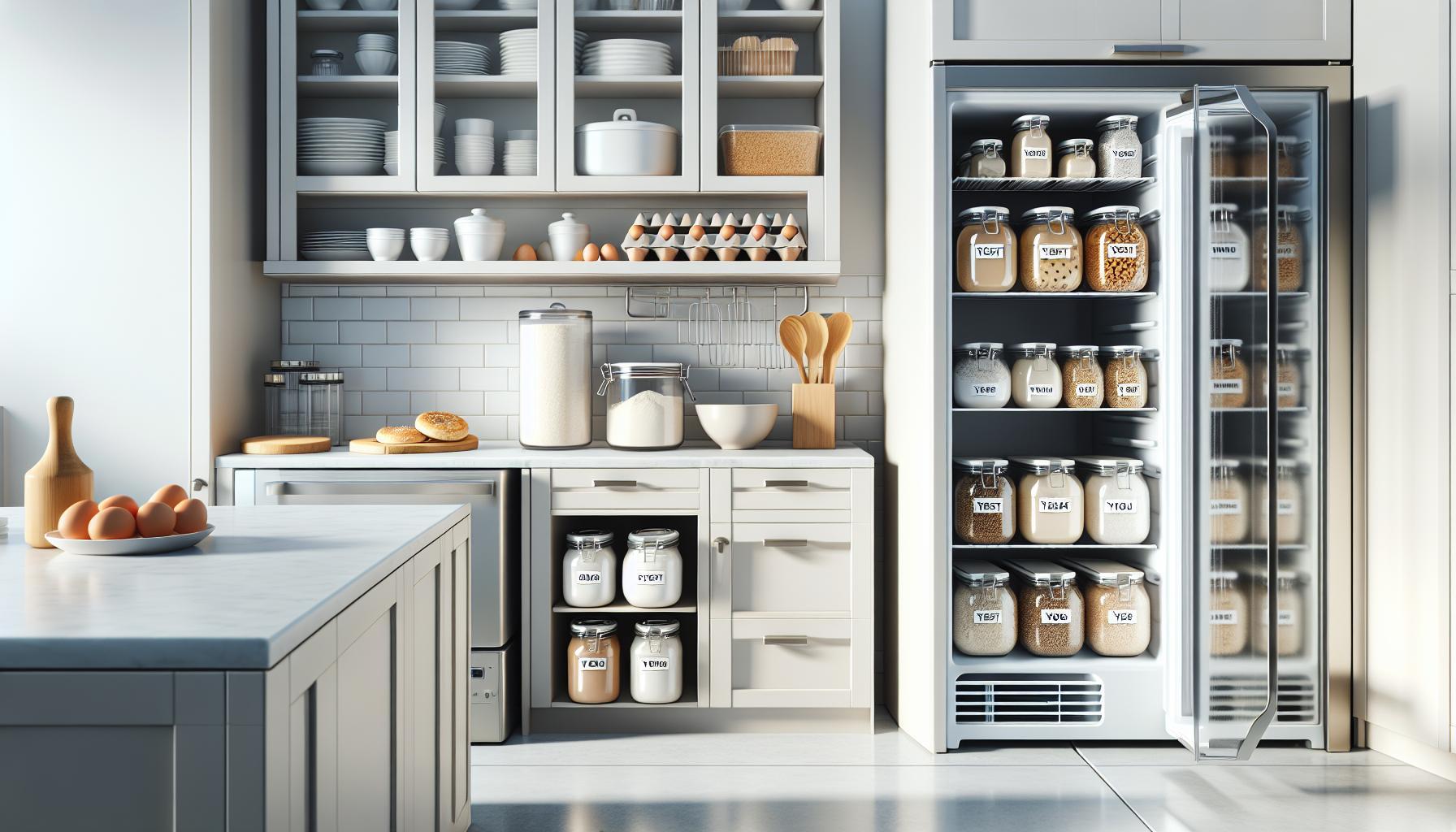

Did you know that properly stored yeast can last significantly longer than you might expect? Understanding how long yeast lasts in the freezer is crucial for anyone who enjoys baking or cooking with it. Freezing yeast not only extends its shelf life but also preserves its potency, ensuring your bread rises beautifully and your baked goods turn out just right.
For many home bakers, the challenge lies in knowing when yeast is past its prime. Spoiled yeast can lead to flat loaves and disappointing meals, potentially disrupting your culinary adventures. By learning how to effectively store yeast in your freezer, you can maintain its freshness and performance, reducing waste and saving money.
Join us as we explore the ins and outs of freezing yeast, including best practices, what to watch for, and how to revive your yeast before using it. You’ll feel empowered to elevate your baking game and avoid any future mishaps in the kitchen!
How Long Can Yeast Be Frozen?
You can confidently freeze yeast to extend its shelf life and maintain its potency, but understanding the optimal duration for freezing is crucial for successful results. Generally, yeast can be frozen for up to six months while retaining its viability. However, if stored correctly, some sources suggest that it might remain effective for as long as a year. Preservation methods impact the yeast’s longevity, so the freezing conditions and packaging matter significantly.
When freezing, ensure the yeast is in an airtight container to prevent moisture and air exposure that could diminish its quality. Rapid freezing is ideal to minimize the formation of ice crystals, which can damage the yeast cells. It’s recommended to divide larger quantities into smaller portions, allowing you to defrost only what you need. This way, the remaining yeast can stay in ideal conditions for future use.
For optimal performance in baking, it’s best to use the yeast within the first six months of freezing. Regularly test the yeast’s viability by activating it with warm water and sugar before baking, especially if it has been in the freezer for an extended period. This ensures that your baked goods rise beautifully with every use.
Understanding Yeast Types for Freezing
Understanding the different types of yeast is essential for effective freezing and storage. Yeast primarily falls into three categories: active dry yeast, instant yeast, and fresh yeast (also known as cake yeast). Each type behaves differently under freezing conditions, making it crucial to select the appropriate kind based on your baking needs and storage capabilities.
Active dry yeast is the most commonly used variety for home bakers. It consists of dormant yeast cells that must be rehydrated before use. When properly frozen in an airtight container, active dry yeast can remain viable for up to one year, although using it within six months is recommended for optimal results. Instant yeast, similar to active dry yeast but milled more finely, can also be frozen with similar timeframes in mind, retaining its potency when stored correctly. Both types benefit from rapid freezing to prevent damage from ice crystals, which can occur if yeast is improperly packaged or thawed multiple times.
Fresh yeast, on the other hand, requires a different approach. This moist, perishable form of yeast doesn’t freeze as well as its dry counterparts. It can be frozen but typically lasts only about three months before losing effectiveness. To make the most of fresh yeast, consider breaking it into smaller portions before freezing, allowing you to use only what you need without repeatedly thawing the entire packet.
When selecting the yeast type for freezing, factor in your baking habits and how quickly you will use the yeast. For those who bake regularly, active or instant yeast may be the best choice for long-term storage. But for occasional bakers, using fresh yeast within a short timeframe may suffice. Always label containers with freezing dates to keep track of storage durations and ensure that your yeast maintains its performance when you need it most.
Best Practices for Freezing Yeast
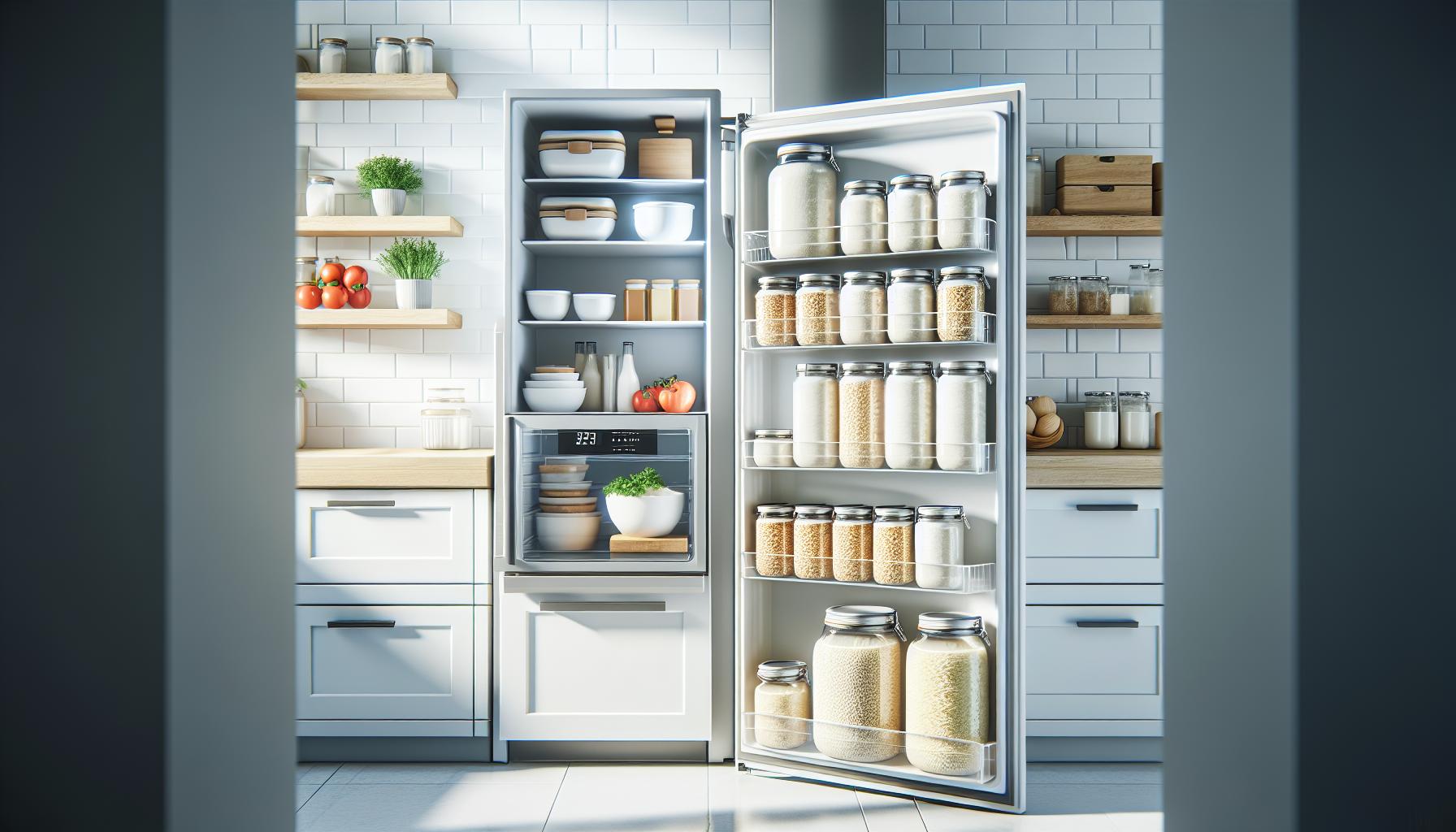
Freezing yeast can be a game changer for both avid bakers and occasional enthusiasts, ensuring the yeast remains potent until you’re ready to whip up your next batch of bread or pastry. To guarantee the best results when freezing yeast, it’s essential to follow a few best practices that enhance its longevity and performance when it’s time to use.
Start by choosing the right storage containers. Airtight containers are crucial; they prevent moisture from entering, which can activate the yeast prematurely or lead to frost damage. It’s advisable to split larger packages into smaller portions, ideally enough for a single use, minimizing exposure with each thaw. Wrap these portions in plastic wrap and then place them in a labeled, airtight freezer bag to provide an additional layer of protection.
Temperature consistency is vital when freezing yeast. Ensure your freezer temperature is at or below 0°F (-18°C) to halt yeast activity effectively. Avoid fluctuations in temperature which can lead to ice crystals forming and damage the yeast cells. For those who frequently bake, it’s wise to keep yeast in a dedicated area of the freezer for easy access while minimizing the time the container is open.
Lastly, always check the viability of your yeast after thawing. Before use, perform a quick test by mixing a small amount of the yeast with warm water and sugar. If it bubbles and foams within 10 minutes, it’s still active and good to use. When handled correctly, frozen yeast can provide you with reliable results for months, allowing you to maintain your baking schedule without waste.
Tips to Thaw Yeast Safely
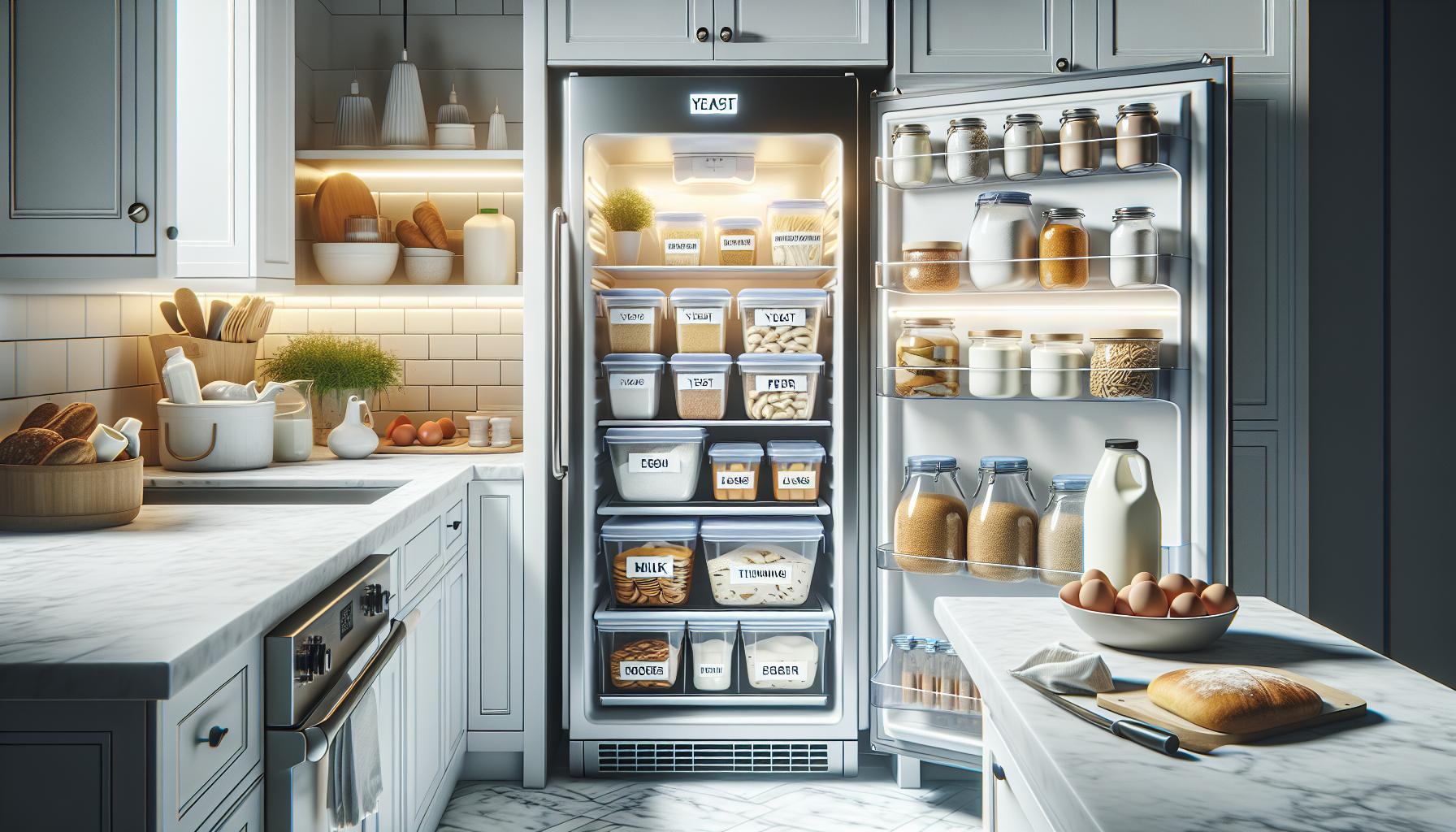
If you expect your next baking session to include frozen yeast, knowing how to thaw it safely is crucial to preserving its potency. The ideal method involves carefully managing the temperature and time, ensuring that the yeast remains viable for your recipes. A successful thawing process starts with moving your sealed packages from the freezer to the refrigerator. This gradual transition, done at least 24 hours before you plan to use the yeast, helps maintain its cellular structure and effectiveness.
Once your yeast has thawed in the fridge, it’s essential to allow it to come to room temperature before use. Take the yeast out and let it sit on the countertop for about 30 minutes. This step helps reactivate the yeast, allowing it to fully regain its living properties, ready to work its magic in your dough. However, avoid using a microwave or hot water to expedite the process, as rapid temperature changes can shock the yeast and diminish its performance.
To verify the yeast’s viability after thawing, conduct a simple test: mix one teaspoon of the thawed yeast with a small amount of warm water (around 110°F) and a pinch of sugar. If the mixture bubbles and froths within 10 minutes, it indicates that the yeast is still active and ready for your baking needs. If there’s no reaction, it’s a sign that the yeast may have lost its potency during freezing or thawing, and you’d be best served by starting with a fresh batch.
By adhering to these thawing tips, you can unlock the potential of your frozen yeast, ensuring successful baking outcomes while maximizing storage efficiency. Properly thawed yeast contributes to rising dough and perfect baked goods, essential for both novice bakers and seasoned pros alike.
Signs Yeast Has Gone Bad
Recognizing when yeast has gone bad is essential for successful baking, as using inactive yeast can lead to disappointing results. One of the most telling signs of spoiled yeast is the lack of activity when proofed. If you mix a teaspoon of the yeast with warm water and sugar and it doesn’t bubble or foam within 10 minutes, this indicates that the yeast is no longer viable. This test is crucial, especially after thawing yeast that has been stored in the freezer, as freezing can impact its efficacy over time.
Another indication of spoiled yeast is a noticeable off-smell. Fresh yeast exudes a mild, pleasant aroma, while expired yeast may have a sour or musty odor that signals degradation. If you notice any unusual smells, it’s best to err on the side of caution and discard the batch. Additionally, the appearance of the yeast can provide clues; clumped or discolored yeast typically suggests that it has absorbed moisture or has been exposed to unfavorable conditions.
When evaluating yeast stored in the freezer, consider its storage duration. While dry yeast can remain effective for up to a year when properly stored, fresh yeast has a shorter lifespan. If fresh yeast has been frozen for more than three months, its viability may be compromised. Always check the expiration dates and storage conditions. Investing a little time in checking your yeast before use can save you from baking failures, ensuring your bread rises beautifully and your baking endeavors are successful.
In summary, by monitoring the proofing response, scent, appearance, and storage duration, you can confidently determine the usability of your yeast and avoid potential baking mishaps. Keeping these signs in mind will help ensure that your yeast remains a reliable partner in your culinary creations.
Storage Tips for Maximum Potency
To ensure that your yeast maintains its effectiveness while frozen, careful storage practices are crucial. Freezing allows yeast to last for extended periods, potentially up to several years, but proper techniques can significantly affect its potency. Begin by purchasing high-quality yeast and keeping it sealed in an airtight container or vacuum-sealed bag to minimize moisture absorption and exposure to air. Remember to label the container with the date of freezing to keep track of storage duration.
Best Storage Practices
- Portion Control: If you frequently use yeast, consider dividing it into smaller portions before freezing. This prevents repeated thawing of the entire batch, which can lead to moisture build-up and decreased potency.
- Temperature Consistency: Store your yeast in the coldest part of the freezer, typically at 0°F (-18°C) or lower. Avoid placing the yeast in the freezer door, where temperatures may fluctuate more with frequent opening and closing.
- Inspection Before Use: Even when stored properly, check your yeast before use. If it appears clumpy, discolored, or emits an off smell, it is best to discard it to avoid baking mishaps.
By following these guidelines, you can significantly extend the shelf life and effectiveness of your frozen yeast, ensuring that it remains a reliable ingredient in your baking endeavors. Properly stored yeast not only saves time and money but also enhances the quality of your baked goods, allowing for consistent, delightful results each time you bake.
Impact of Freezing on Yeast Performance
Freezing yeast may seem like an unusual step in baking preparation, but its impact on yeast performance is significant and can extend the lifespan and usability of your baking ingredient when handled correctly. When yeast is exposed to freezing temperatures, the low moisture content within the yeast cells often leads to a dormant state, effectively preserving the yeast’s potency. However, the freezing process can also cause structural changes to the yeast cells, which may affect their viability when thawed.
Long-term freezing can compromise the yeast’s performance as the freezing and thawing cycles can create ice crystals that may rupture yeast cell walls. These damaged cells often result in reduced fermentation activity, leading to slower rising times or inconsistent baking results. Typical storage recommendations suggest that active dry yeast can last about 6-12 months in the freezer without significant degradation in performance if stored properly, while fresh yeast typically lasts around 3-6 months. Thus, it’s essential to utilize proper freezing practices to minimize potential damage and keep yeast active longer.
For optimal performance post-freezing, it’s crucial to follow best practices, such as dividing yeast into smaller portions before freezing. This reduces the frequency of thawing the entire batch, which can degrade more yeast than necessary. When you’re ready to use your frozen yeast, allowing it to thaw slowly in the refrigerator-or at room temperature protected from moisture-will help maintain its performance. This method fosters a gradual reactivation of the yeast without shocking the cells.
Finally, always remember to perform a simple activation test prior to using thawed yeast in your baking. Mix a small amount of the yeast with warm water and a pinch of sugar, and observe for bubbling or foaming within ten minutes. If you see activity, your yeast is still good to use. By understanding how freezing affects yeast, you can ensure that your baking remains successful and your recipes consistent, even with stored ingredients.
Using Frozen Yeast in Baking Recipes
can be a game changer, especially when you’re in the middle of a baking project and realize you have no fresh yeast on hand. Frozen yeast, if handled correctly, can perform just as well as fresh yeast, giving your bread and pastries the rise they need. Understanding a few key steps can ensure that your baking does not suffer from the transitions of freezing and thawing.
First, before you begin your recipe, make sure to thaw your yeast properly. The safest way to do this is to transfer it from the freezer to the refrigerator and let it sit overnight. If you’re in a rush, you can thaw it at room temperature for a couple of hours; just avoid direct heat or water. After thawing, it’s crucial to activate the yeast to confirm its viability. Mix a small portion of the thawed yeast with warm water (around 110°F or 43°C) and a pinch of sugar, and watch for bubbling or foaming within 10 minutes. If you see this activity, your yeast is ready to use!
Integrating Frozen Yeast into Your Dough
When incorporating thawed yeast into your baking recipes, you can use it in the same way you would use fresh yeast. Simply mix it with the dry ingredients and activate it as usual according to your recipe’s instructions. If your recipe calls for instant yeast, remember that you can directly add thawed active dry yeast without rehydrating, as long as it’s been activated first. This method eliminates the need for pre-dissolving in water and ensures a smooth mixing process.
While using frozen yeast is generally reliable, keep in mind that its rising power might be slightly reduced, depending on how long it has been stored. Active dry yeast, when frozen properly, tends to retain potency for about 6-12 months, whereas fresh yeast is best used within 3-6 months. Always adjust your expectations and possibly the rising times needed for your dough. A good rule of thumb is to allow a bit more time for the dough to rise, especially if you’re unsure of your yeast’s strength post-thaw.
In short, frozen yeast can seamlessly fit into your baking routine. With proper thawing and activation, it can provide that essential lift in your baked goods. Just ensure to keep an eye on rising times, and you’ll enjoy flavorful, well-leavened bread and pastries, no matter when you chose to freeze your yeast.
Dos and Don’ts of Yeast Storage
Storing yeast properly is crucial not only for maintaining its potency but also for ensuring consistent results in your baking endeavors. Here are essential dos and don’ts to guide your yeast storage practices, particularly when freezing.
Dos:
- Do seal yeast tightly: Use airtight containers or vacuum-sealed bags to prevent moisture from entering, which can compromise yeast viability.
- Do label and date: Always label your containers with the type of yeast and the date of freezing. This practice will help you keep track of freshness and potency.
- Do freeze in portions: If you buy yeast in bulk, consider dividing it into smaller portions before freezing. This way, you only expose the amount you need to thaw, preserving the rest.
- Do check the expiry date: Make sure to use yeast before its expiration date, as even frozen yeast can lose effectiveness over time.
Don’ts:
- Don’t refreeze thawed yeast: Once you’ve thawed your yeast, do not put it back in the freezer. This practice can damage the yeast cells and reduce its performance.
- Don’t store yeast in the fridge for long periods: Although it’s possible to refrigerate yeast temporarily, long-term storage should be in the freezer. Fridge temperatures are not low enough to prevent yeast from becoming less viable over time.
- Don’t expose yeast to high temperatures: Avoid placing yeast near the oven or any heat source, as this can kill the living organisms within the yeast.
- Don’t ignore signs of spoilage: Always perform a viability test on thawed yeast before using it in a recipe. If there’s no bubbling or foaming after activation, it’s best to discard it.
By following these guidelines, you can maximize the freshness and effectiveness of your yeast, ensuring that your baking remains dependable and delightful. Proper yeast storage not only enhances your baking experience but also helps you avoid potential mishaps in the kitchen.
Alternative Storage Methods for Yeast
Understanding how to properly store yeast can significantly affect your baking outcomes, especially when considering alternative methods beyond freezing. While the freezer is effective for extending the shelf life of yeast, other storage techniques can help you maintain its potency and maximize your baking results.
One practical alternative is to store yeast in a cool, dark pantry or cabinet. If you don’t have immediate plans to use your yeast, keeping it in an airtight container in a controlled environment can help preserve its activity for a shorter duration-typically up to a few months. For dry yeast, ensure that the container is hermetically sealed, as exposure to air and moisture can diminish its effectiveness.
For those who use yeast frequently, investing in a vacuum sealer can be worthwhile. This device allows you to store yeast in smaller portions while effectively removing air, which further prolongs its viability. As a rule of thumb, if you plan to use the yeast within a month, refrigerating it can also work, provided that it is sealed tightly. However, remember that longer-term storage, especially for larger quantities, is best achieved through freezing.
Additionally, consider utilizing ice cube trays to freeze portions of activated yeast mixtures. Once the yeast is mixed with water and sugar, pour it into the trays and freeze. Once solid, transfer the cubes into a freezer bag. This method not only extends the yeast’s shelf life but also enables you to thaw only what you need for your baking projects. By exploring these alternative storage methods alongside freezing, you can enjoy the benefits of fresh, active yeast in your kitchen without the fear of spoilage.
Frequently Asked Questions About Yeast Storage
When it comes to yeast storage, many home bakers wonder how to keep their yeast fresh and potent, especially when considering freezing. Below are answers to some of the most frequently asked questions about storing yeast effectively, ensuring it performs at its best when you’re ready to bake.
How long can yeast last in the freezer?
Generally, dry yeast can be stored in the freezer for up to six months. This extended period allows you to use your yeast over multiple baking sessions without worrying about spoilage. After freezing, it’s crucial to proof the yeast before using it, as this will confirm its viability. Proofing involves mixing the yeast with warm water and sugar and waiting for it to bubble, indicating activity.
Can I store yeast indefinitely in the freezer?
While freezing significantly extends yeast’s shelf life, it does not make it last indefinitely. Over time, even in the freezer, yeast can lose potency. It is advisable to label your packages with the date of freezing and to use them within six months for optimal results. Always check for signs of activity after defrosting.
What are the best methods for freezing yeast?
To maximize yeast’s shelf life, store it in an airtight container or vacuum-sealed bag. This prevents moisture and air from degrading quality. For activated yeast, freeze it in ice cube trays filled with a mixture of yeast, water, and sugar and then transfer the cubes to a freezer bag. This allows you to thaw only the amount needed for each baking session.
How can I tell if my yeast has gone bad?
In addition to not bubbling when proofed, yeast that has gone bad may produce an off smell or color changes. Always do a quick check of the yeast before using it in your recipes, as using inactive yeast can lead to flat baked goods.
Employing these storage strategies will not only enhance your baking experience but also ensure that your yeast remains a reliable ingredient in your pantry or freezer. Whether you freeze unused packets or activate and freeze portions, proper care can make all the difference in your baking quality.
Frequently Asked Questions
Q: How does freezing affect yeast viability?
A: Freezing can preserve yeast viability for long periods, allowing it to remain potent for up to six months or longer. However, the freezing process can cause some yeast cells to become inactive. Proper storage in airtight containers at 0°F (-18°C) helps maximize viability.
Q: Can I use yeast directly from the freezer?
A: Yes, you can use yeast directly from the freezer, but it’s recommended to let it thaw in the refrigerator overnight or at room temperature for 30 minutes before use. This helps reactivate the yeast for better baking results.
Q: What is the best type of yeast to freeze?
A: Both active dry yeast and instant yeast freeze well. However, instant yeast tends to have a longer shelf life and may retain potency better after freezing. Always ensure it’s stored in airtight packaging to prevent moisture absorption.
Q: How can I tell if frozen yeast is still good?
A: To test frozen yeast, mix a teaspoon of yeast with warm water (around 110°F or 43°C) and a pinch of sugar. If it bubbles and foams within 10 minutes, it’s still active. If not, it’s best to discard it.
Q: Can I freeze yeast packets after opening?
A: Yes, opened yeast packets can be frozen, but it’s crucial to transfer the yeast to an airtight container to prevent moisture. This will help maintain its potency for a longer duration.
Q: What should I do if my yeast doesn’t rise?
A: If your yeast doesn’t rise, it may be inactive. Start by checking its expiration date and perform a freshness test by mixing it with warm water and sugar. If it fails, it’s time to replace it.
Q: Is it safe to thaw yeast at room temperature?
A: While it’s safe to thaw yeast at room temperature, it’s preferable to thaw it in the refrigerator to ensure gradual warming, which helps maintain its viability and reduces the risk of temperature shock.
Q: How long does opened active dry yeast last in the freezer?
A: Opened active dry yeast can last about six months in the freezer when stored properly in an airtight container. For best results, avoid frequent thawing and refreezing.
To Conclude
To keep your yeast potent longer, remember to store it properly in an airtight container in the freezer and note that it can last up to six months, retaining its effectiveness for baking. If you have any lingering questions about yeast storage or want to learn about other food preservation techniques, check out our articles on “Best Practices for Freezing Food” and “Ultimate Guide to Baking with Yeast” linked below. Your baking success depends on it!
Don’t forget to share this article with fellow baking enthusiasts, and leave a comment with your experiences or tips! For more handy food storage tips and expert advice, subscribe to our newsletter to stay updated. Remember, knowledgeable decisions lead to delicious results, so take action today to enhance your kitchen skills!