
Brussels sprouts are a nutritious addition to your meals, but proper storage is key to enjoying their crisp texture and vibrant flavor. Knowing how long Brussels sprouts last in the fridge not only helps reduce food waste but also ensures you get the most out of your grocery purchases. Typically, fresh Brussels sprouts can last up to a week in the refrigerator if stored correctly.
By following simple food safety practices, you can maintain their freshness and prevent spoilage, which ultimately enhances your culinary experience. The right storage techniques will not only keep your Brussels sprouts crispy but also help you make the most of this seasonal vegetable. Read on to discover the best methods for storing Brussels sprouts and tips to keep them tasting their best!
How Long Can You Keep Brussels Sprouts in the Fridge?
Brussels sprouts, those miniature cabbages beloved for their unique flavor and versatility, can effectively enhance your meals when stored properly. When kept in the refrigerator, fresh Brussels sprouts can last for about 3 to 5 days. This brief window highlights the importance of correct storage techniques to maintain their quality and crispness.
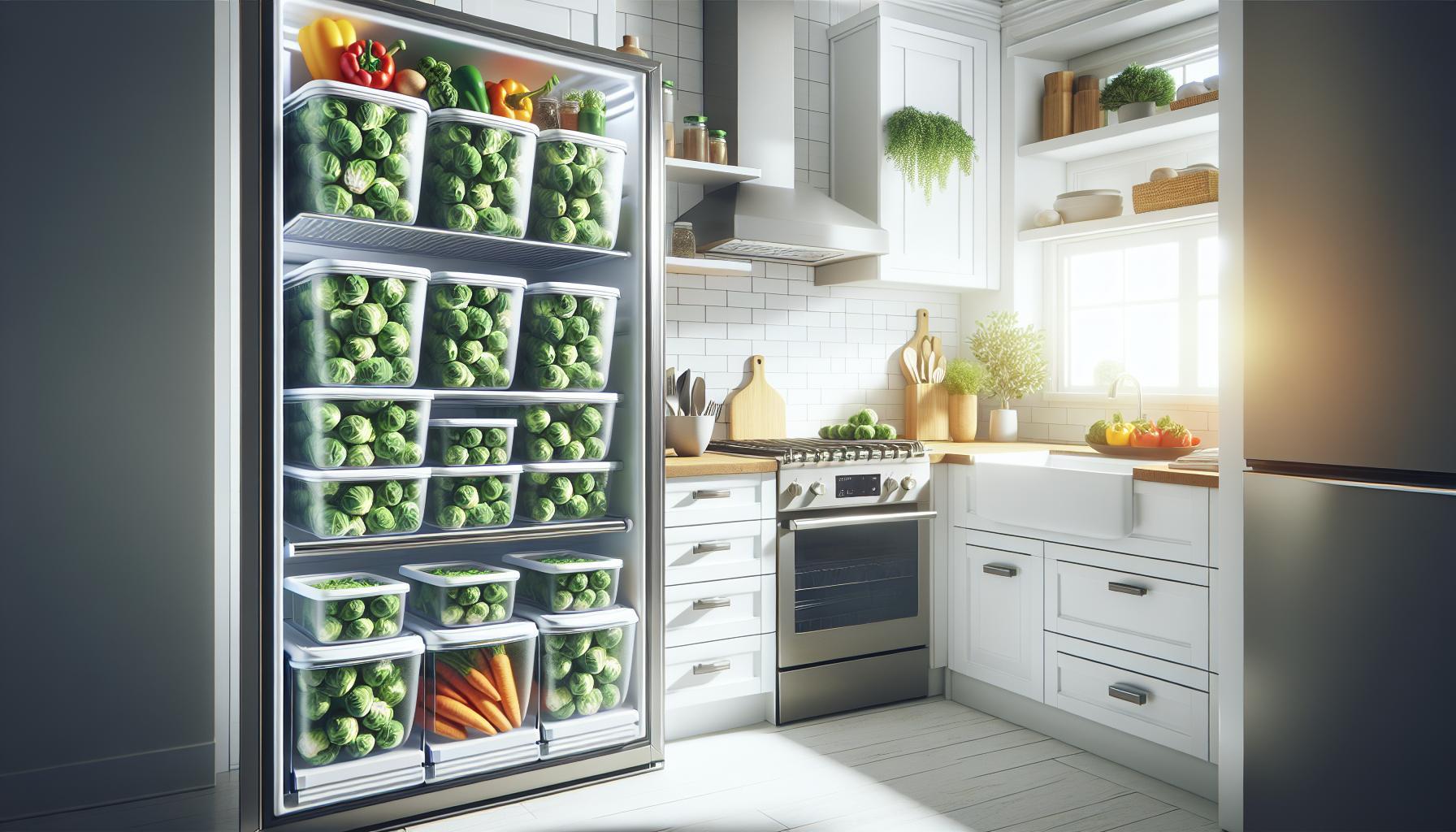
To maximize the freshness of Brussels sprouts, it’s essential to store them in a cool environment. Ideally, place them in the vegetable crisper drawer of your fridge, where the temperature is typically above freezing but cool enough to prevent spoilage. Keeping them in a perforated plastic bag can help maintain moisture levels while allowing air circulation, preventing wilting and decay. Avoid washing the sprouts until you are ready to use them, as excess moisture can contribute to faster spoilage.
If you notice that your Brussels sprouts are beginning to wrinkle or soften, it may be time to consider their usability. Always inspect them before cooking; a slight blemish can often be trimmed away, but if they develop a sour smell or dark spots, it’s best to discard them. By adhering to these guidelines, you can enjoy the fresh taste of Brussels sprouts while ensuring food safety and reducing waste.
Ideal Storage Temperature for Fresh Brussels Sprouts
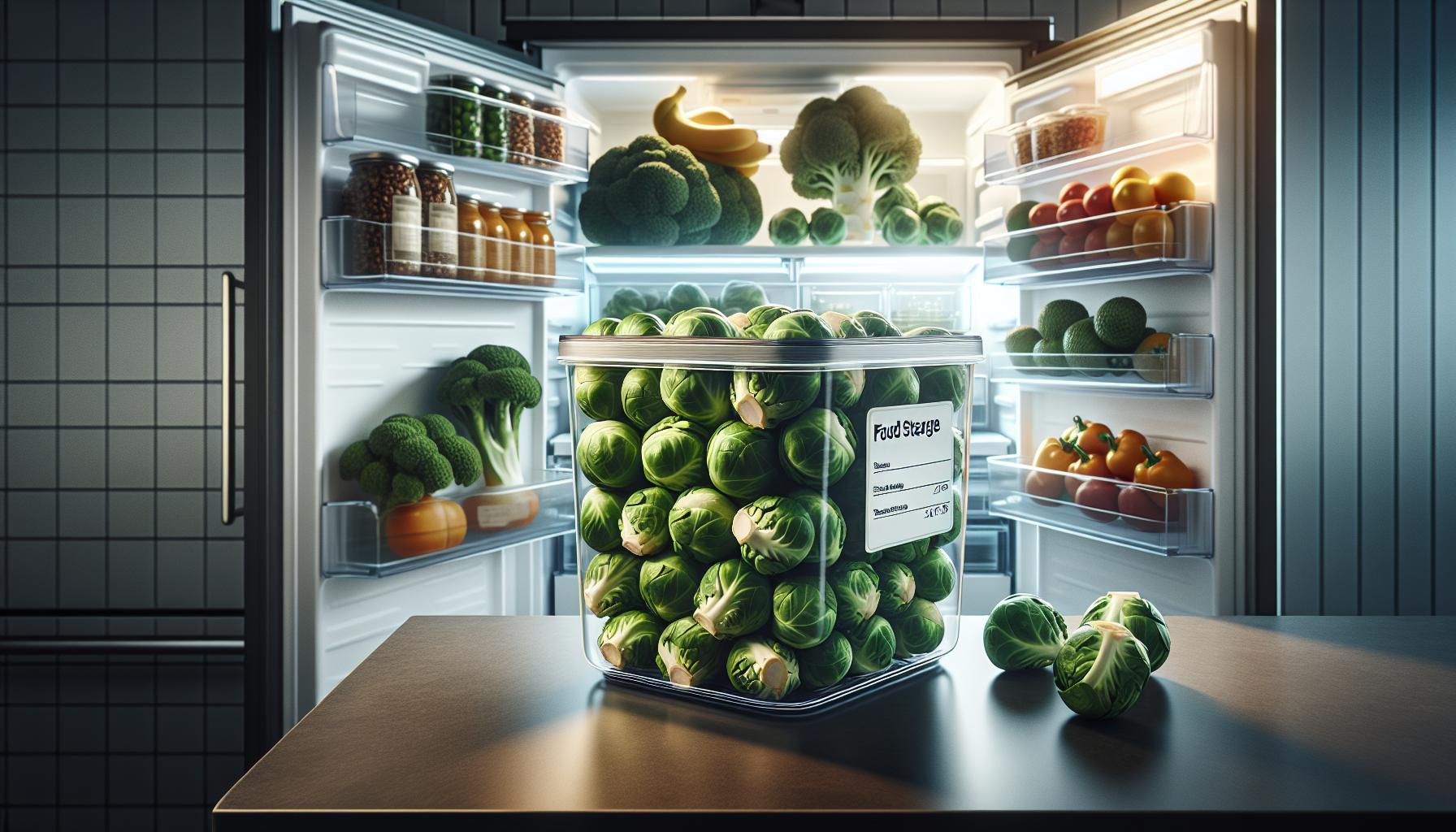
To keep Brussels sprouts at their freshest, understanding the ideal storage temperature is crucial. These nutritious vegetables thrive in cooler environments, which significantly prolong their shelf life and maintain their crispness. Proper refrigeration can prevent spoilage and ensure that when you’re ready to cook, your Brussels sprouts still have that delightful texture and vibrant flavor.
The best temperature range for storing fresh Brussels sprouts in the refrigerator is between 32°F (0°C) and 40°F (4°C). This range is cool enough to slow down the natural decaying process without freezing the vegetables, which can cause significant textural damage. Ideally, place your Brussels sprouts in the vegetable crisper drawer of your fridge, where they are shielded from the cold air of the fridge’s main compartment that can dry them out.
Using a perforated plastic bag or a container that allows airflow can vastly improve storage conditions. The perforations provide necessary ventilation while retaining moisture, helping keep the sprouts from becoming wilted or mushy. As a rule of thumb, avoid washing your Brussels sprouts until you’re ready to use them. Excess moisture can speed up decay, encouraging mold growth and sapping the vegetables of their crisp texture. By paying attention to these storage guidelines, you’ll maximize the shelf life of your Brussels sprouts and keep them ready for your next culinary creation.
Tips for Storing Brussels Sprouts to Maintain Crispness
To truly enjoy the delightful crunch of Brussels sprouts, proper storage is essential. These vibrant vegetables can last up to a week in the refrigerator when stored correctly, but maintaining their crispness can be a bit of an art. The key to preserving their texture lies in a few thoughtful practices that minimize moisture loss and prevent spoilage.
Choose the right container for your Brussels sprouts. A perforated plastic bag is ideal, as it allows for airflow while maintaining humidity levels. This prevents the sprouts from becoming wilted or mushy. If you don’t have a perforated bag, use a regular plastic bag but leave it slightly open to let some air circulate. Avoid storing them in sealed containers as this can trap moisture and lead to quicker decay.
Another crucial tip is to keep your Brussels sprouts unwashed until you are ready to use them. Washing them before storage introduces extra moisture, which can encourage mold growth and spoilage. If you do find yourself with washed Brussels sprouts that need to be stored, ensure they are thoroughly dried before placing them in the refrigerator. Additionally, try to store the sprouts in one layer if possible. Stacking them can lead to bruising and damage, compromising their integrity.
Lastly, consider the placement of your Brussels sprouts in the fridge. They should be kept in the crisper drawer, specifically designated for fruits and vegetables, where the environment is more humid compared to the rest of the refrigerator. By following these storage tips, you can significantly extend the freshness and crunch of your Brussels sprouts, ensuring they are ready for a delicious dish whenever you are.
Signs That Brussels Sprouts Are Spoiling
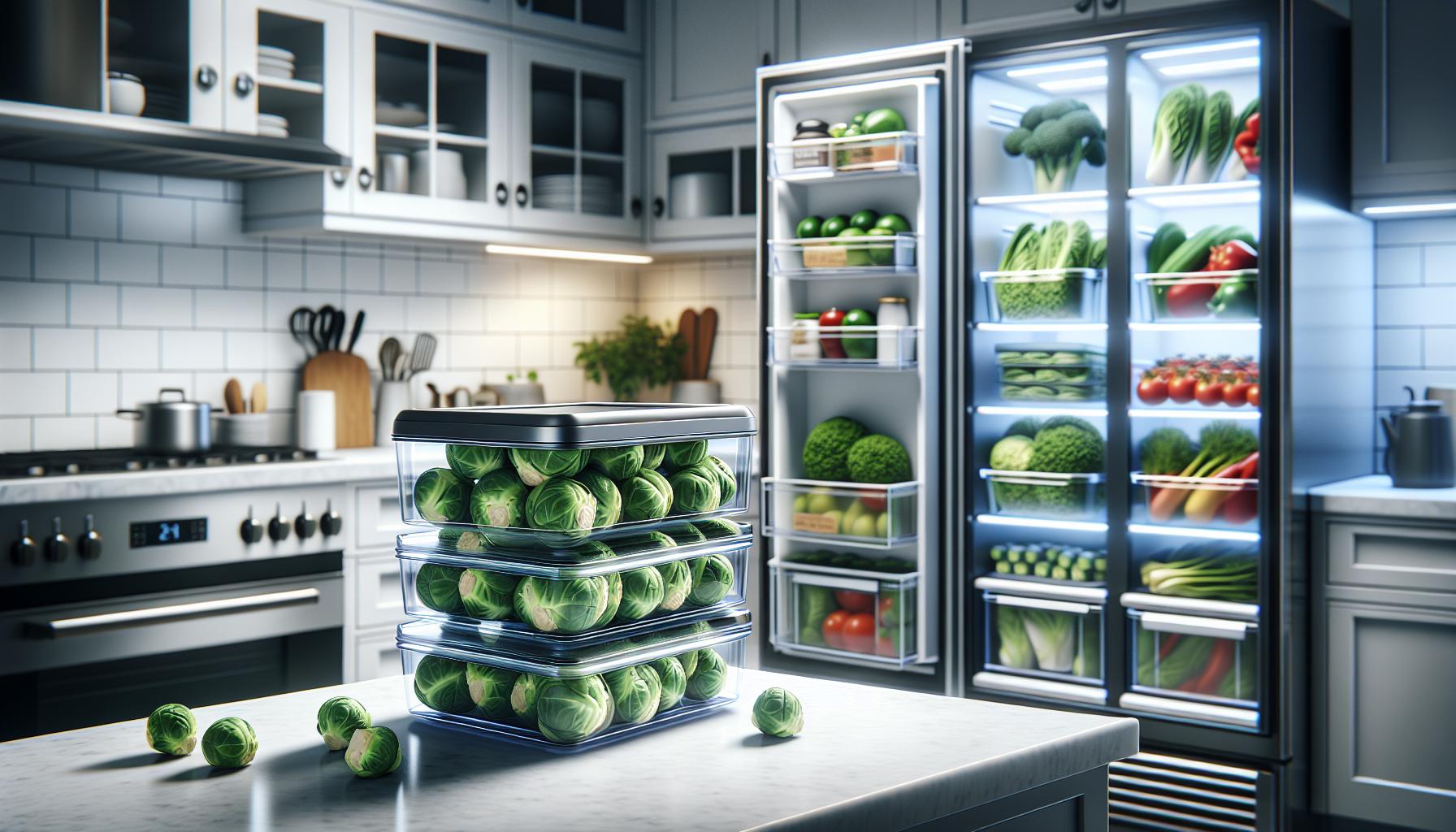
To ensure that your Brussels sprouts remain fresh and crisp, it’s essential to be able to identify when they are starting to spoil. Spoilage can occur due to a variety of factors, and recognizing these signs early can help you avoid waste and ensure food safety.
One of the most immediate indicators of spoilage is discoloration. Fresh Brussels sprouts should have a vibrant green color. If you notice any yellowing or browning, it’s time to consider discarding them. Additionally, look for softness or mushiness. Fresh sprouts should be firm to the touch; if they feel squishy or limp, this is a clear sign that they have started to deteriorate.
Another critical sign is the presence of black or moldy spots on the surface. These spots can develop due to excess moisture or contact with other spoiled vegetables. If you find any such spots, it’s best to remove them immediately, but if the damage is extensive, it’s safer to dispose of the entire batch. An off or sour odor can also indicate spoilage. Fresh Brussels sprouts have a mild, earthy scent; if they begin to smell pungent or foul, it’s a signal that they are no longer good to eat.
Below are common signs to monitor for freshness:
- Yellowing or browning leaves: Indicates aging or decline in quality.
- Soft texture: Fresh sprouts are firm, while soft ones are likely spoiled.
- Mold or dark spots: Remove any affected areas; if widespread, discard.
- Unpleasant odor: A sour smell suggests spoilage.
By being attentive to these signs, you can make informed decisions about the freshness of your Brussels sprouts, ensuring you enjoy them at their best and reduce the risk of foodborne illness. Regularly check your storage conditions and handle these vegetables with care to prolong their shelf life.
How to Freeze Brussels Sprouts for Long-Term Storage
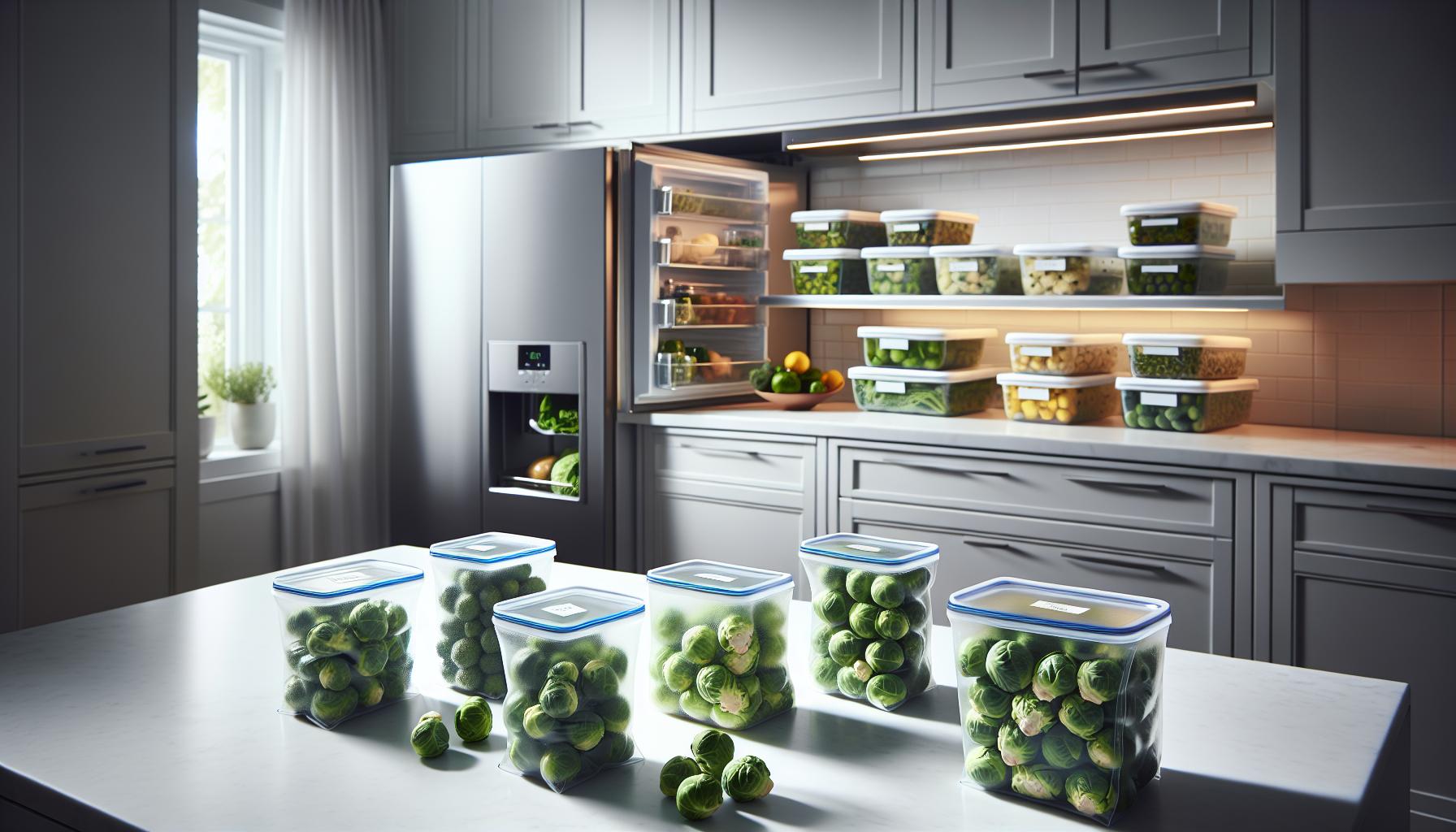
To preserve the freshness and nutritional quality of Brussels sprouts for an extended period, freezing is an excellent method. When properly frozen, these vegetables can maintain their taste and texture for up to 12 months, making them a great option for meal prepping or reducing waste. The key to successful freezing is blanching, which helps stop enzyme actions that can cause loss of flavor, color, and texture.
Begin by selecting fresh, firm Brussels sprouts, ideally with tightly closed heads. Rinse them thoroughly under cold water to remove any dirt or debris. Once clean, trim off the stems and cut any larger sprouts in half to ensure even cooking. Next, bring a pot of water to a rolling boil and prepare an ice bath in a separate bowl filled with cold water and ice.
Blanch the sprouts by placing them in the boiling water for 3-5 minutes, depending on their size. This brief cooking process helps to lock in their vibrant color and flavor. Once the time is up, promptly transfer the sprouts to the ice bath using a slotted spoon, allowing them to cool completely for the same amount of time they were blanched. After cooling, drain and pat them dry with a clean towel to remove excess moisture, which can lead to freezer burn.
Once dried, arrange the Brussels sprouts in a single layer on a baking sheet and place them in the freezer for about an hour. This prevents them from sticking together during long-term storage. After they are frozen, transfer the sprouts into airtight freezer bags or containers, removing as much air as possible to prevent freezer burn. Label the bags with the date, and store them in the freezer. With this method, you can enjoy Brussels sprouts at their best even several months later!
The Best Way to Prepare Brussels Sprouts After Storage
To enjoy Brussels sprouts at their peak after storage, it’s essential to properly prepare them, especially if they have been frozen. A great starting point is to thaw the sprouts in the refrigerator overnight. This gentle thawing process helps retain their texture and prevents them from becoming mushy. If you’re short on time, you can also submerge the stored sprouts in cold water for about an hour to hasten the thawing process.
Once thawed, consider the method of cooking that suits your dish. Roasting is a popular choice that enhances their natural sweetness and creates a lovely caramelized exterior. Preheat your oven to 400°F (200°C), toss the thawed Brussels sprouts in a bit of olive oil, salt, and pepper, and spread them out on a baking sheet. Roast for 20-25 minutes, turning them halfway through, until they are golden brown and tender. If you enjoy a bit of crunch, finish them with a drizzle of balsamic vinegar or a sprinkle of parmesan cheese before serving.
Sautéing is another excellent option that works well for maintaining the sprouts’ firmness and flavor. Heat a skillet over medium heat, add a bit of olive oil or butter, and sauté the thawed Brussels sprouts for about 5-7 minutes. You can add garlic, onions, or even nuts like walnuts or pecans for extra flavor and texture. For those who prefer a steaming effect while enhancing the taste, toss in a splash of vegetable broth and cover the pan for a couple of minutes until they’re tender.
No matter how you choose to prepare your Brussels sprouts, remember that freshness plays a crucial role in flavor and nutrition. Properly thawed and cooked Brussels sprouts can be deliciously crispy and packed with vitamins, making them a wholesome addition to your meals. Enjoy experimenting with various herbs, spices, and cooking methods to discover what suits your palate best!
Common Myths About Storing Brussels Sprouts
Brussels sprouts are a staple in many kitchens, valued for their versatility and health benefits. However, several myths about their storage can lead to waste and diminished quality. One prevalent misconception is that washing Brussels sprouts before storing them is a good practice. In reality, washing them can introduce moisture, promoting mold and spoilage. Instead, it is best to store them unwashed and clean them just before use to extend their freshness.
Another common myth is that all vegetables can be stored in the same way. Brussels sprouts require specific conditions for optimal longevity. Many think that keeping them in the crisper drawer of the fridge is sufficient. While it’s true that cooler temperatures extend shelf life, Brussels sprouts still benefit from being placed in a perforated bag to allow for airflow and prevent excess humidity, which can lead to sliminess and decay.
It’s also a common belief that Brussels sprouts can be stored indefinitely in the refrigerator. In reality, fresh Brussels sprouts should ideally be consumed within 3 to 5 days of refrigeration for the best flavor and nutritional quality. After this timeframe, even if they look okay, their taste and texture can deteriorate.
Lastly, some people believe that aroma is a reliable indicator of freshness, but this can mislead. While fresh Brussels sprouts have a mild, slightly nutty scent, once they start to spoil, they can develop an off-putting odor. It’s always best to visually inspect them for signs of yellowing leaves or wilting before consuming. Understanding these myths will not only help in maintaining the quality of Brussels sprouts but also support sustainable practices by reducing unnecessary food waste.
Nutritional Value of Brussels Sprouts: Why Freshness Matters
Brussels sprouts are not only a delightful addition to any meal but are also packed with essential nutrients that contribute to overall health. The freshness of Brussels sprouts plays a pivotal role in their nutritional value. When freshly harvested, these small cruciferous vegetables are rich in vitamins, minerals, and antioxidants, making them a superfood with numerous health benefits. However, as time passes, the nutrient content can diminish significantly, particularly if they are not stored properly.
Maintaining the nutritional integrity of Brussels sprouts hinges on several factors, starting with proper storage. When stored in the refrigerator, these sprouts maintain their vitamin C levels, fiber, and beneficial compounds like glucosinolates, which have been linked to cancer prevention. Ideally, consuming them within 3 to 5 days ensures that you are getting the most benefits. If you notice wilting or yellowing leaves, these are indicators that the sprouts have started to lose their nutritional quality and should be used immediately or discarded.
The importance of freshness also extends to how Brussels sprouts are prepared and cooked. Fresh sprouts not only taste better but also retain more nutrients when lightly steamed or roasted. Overcooking can lead to a significant loss of vital nutrients, particularly water-soluble vitamins such as vitamin C and certain B vitamins. Moreover, fresh Brussels sprouts can enhance the flavor of any dish, whether in a salad, stir-fry, or an accompaniment to a hearty protein, showcasing their versatility while promoting a healthy diet.
In summary, the shorter the time Brussels sprouts spend in the fridge, the more health benefits you will reap. For optimal nutrition, focus on purchasing fresh sprouts, storing them correctly, and consuming them shortly after purchase. Incorporating these practices ensures that you get the most flavor and health benefits from this nutritious vegetable.
Creative Recipes with Fresh Brussels Sprouts
Brussels sprouts can be a culinary delight when prepared fresh, and the way you utilize them after their short storage time can make all the difference. Here are some creative recipes that elevate Brussels sprouts beyond their common perception, ensuring you make the most of their crispness and flavor retained from proper storage.
Roasted Brussels Sprouts with Balsamic Glaze
Roasting Brussels sprouts not only enhances their natural sweetness but also creates a delightful crunch. Start by halving the sprouts and tossing them with olive oil, salt, and pepper. Spread them on a baking sheet and roast at 400°F (200°C) for about 20-25 minutes until golden brown. Drizzle with balsamic glaze before serving for a tangy finish that complements the earthy flavor of the sprouts.
Brussels Sprouts Salad with Apples and Walnuts
For a fresh take, consider making a Brussels sprouts salad. Shred the raw sprouts using a mandoline or food processor, then combine with thinly sliced apples, toasted walnuts, and crumbled feta cheese. Dress with a mixture of olive oil, lemon juice, Dijon mustard, and a hint of honey for a balanced flavor. This dish is not only vibrant but also a great way to incorporate raw Brussels sprouts into your diet.
Brussels Sprouts Stir-Fry
Stir-frying is a quick and effective way to maintain the sprouts’ crispness while adding an array of flavors. Slice Brussels sprouts thinly and sauté them with garlic, ginger, and your choice of protein (like chicken or tofu) in a hot skillet or wok. Add soy sauce and sesame oil for an Asian-inspired dish that is loaded with nutrition and taste.
Brussels Sprouts and Bacon Hash
Combining Brussels sprouts with bacon creates an irresistible breakfast or brunch option. Chop the sprouts and cook them in a skillet with crispy bacon until tender. Serve topped with a fried egg for added richness. This savory dish is perfect for starting your day or as a comforting side.
Embracing the versatility of Brussels sprouts not only reduces waste but also opens doors to countless flavor profiles, allowing you to enjoy them in different forms. Whether you opt for roasting, raw salads, stir-fries, or hearty hashes, leveraging the freshness of Brussels sprouts can turn a simple meal into something exceptional.
Sustainable Practices: Reducing Waste with Brussels Sprouts
Reducing waste in the kitchen is a crucial aspect of sustainability, and Brussels sprouts are often overlooked in this regard. These nutrient-dense vegetables not only provide excellent culinary value but can also be a staple for minimizing waste when stored and cooked properly. When you prioritize freshness and smart storage, you ensure that every bite contributes positively to your meals while decreasing the amount of food that ends up in landfills.
To maximize the freshness of Brussels sprouts, start by choosing the right ones. Look for firm, vibrant green sprouts that are tightly packed in their outer leaves. Store them in an airtight container or a perforated plastic bag in the refrigerator’s crisper drawer, where they can last for up to a week. Properly stored, these vegetables will maintain their crispness, flavor, and nutritional value, reducing the likelihood of spoilage. If you notice any yellowing leaves or soft spots, remove those immediately to extend the life of the remaining sprouts.
Another impactful practice is utilizing every part of the Brussels sprout. The leaves can be removed and cooked separately, contributing a unique flavor to salads or soups. The stems, often discarded, can be sliced thin and added to stir-fries or sautés for an additional texture and taste. Creating a delicious broth with leftover vegetable trimmings, including Brussels sprout scraps, not only reduces waste but adds depth to your meals. These practices not only promote sustainability by minimizing waste but also challenge you to get creative in the kitchen.
Incorporating Brussels sprouts into your meals in versatile ways can also help you reduce waste. Roasting, steaming, or shredding them for salads or slaws ensures that you are making the most of their shelf life while exploring various culinary possibilities. By planning meals that feature these greens throughout the week, you can prevent last-minute food waste and embrace sustainable eating habits. By being mindful of storage, utilizing the whole vegetable, and incorporating it creatively into your diet, you can turn Brussels sprouts into both a delicious and environmentally friendly choice.
FAQ
Q: How do you keep Brussels sprouts crisp in the fridge?
A: To keep Brussels sprouts crisp in the fridge, store them in a perforated plastic bag or a container with ventilation. This helps maintain humidity while allowing airflow, which prevents moisture buildup that can lead to spoilage. Place them in the vegetable drawer for optimal freshness.
Q: Can you eat Brussels sprouts after the expiration date?
A: While it’s generally safe to eat Brussels sprouts a few days after their expiration date if they are stored properly, check for signs of spoilage like discoloration, a foul smell, or mushiness. If any signs are present, it’s best to discard them to avoid food safety risks.
Q: What is the best way to wash Brussels sprouts before storage?
A: Before storing Brussels sprouts, rinse them under cold water to remove dirt and debris, then pat them dry with a paper towel. Avoid soaking them, as excess moisture can lead to spoilage more quickly. Storing them dry helps maintain their crisp texture.
Q: How can you tell if Brussels sprouts are fresh?
A: Fresh Brussels sprouts should be firm, bright green, and tightly closed. Avoid those that are yellowing, have visible blemishes, or feel soft to the touch, as these indicate that they may be past their prime and potentially spoiled.
Q: Is it okay to cook wilted Brussels sprouts?
A: Cooking wilted Brussels sprouts is acceptable if they are not spoiled. Trim any discolored leaves and soak them in cold water to revive some crispness before cooking. However, if they have an off smell or slimy texture, it’s safer to discard them.
Q: How long can cooked Brussels sprouts be stored in the fridge?
A: Cooked Brussels sprouts can typically be stored in the fridge for up to 3-5 days. Ensure they are in an airtight container to maintain freshness. Reheat properly before consuming for optimal taste and safety.
Q: Can you store Brussels sprouts with other vegetables?
A: It’s best to store Brussels sprouts separately from ethylene-producing fruits and vegetables like apples and bananas, as ethylene can accelerate spoilage. Keep them isolated to extend their shelf life and maintain freshness.
Q: What’s the ideal refrigerator temperature for storing Brussels sprouts?
A: The ideal refrigerator temperature for storing Brussels sprouts is between 32°F to 40°F (0°C to 4°C). Maintaining this range will keep them fresh and crisp for a more extended period. Regularly check your fridge’s temperature settings to ensure optimal conditions.
In Retrospect
Now that you know how long Brussels sprouts last in the fridge and how to keep them fresh, take action to maximize their crispness and flavor. Storing them properly can extend their shelf life up to a week, so don’t let those nutritious veggies go to waste! Consider exploring related topics such as “Best Ways to Prep Brussels Sprouts” or “Creative Recipes for Brussels Sprouts” to enhance your culinary adventures.
Ready to dive deeper? Subscribe to our newsletter for exclusive tips on food storage and delicious recipes delivered straight to your inbox. If you have any lingering questions or unique storage hacks, share them in the comments below-your insights could benefit fellow food enthusiasts! Make the most of your Brussels sprouts today and enjoy the benefits of quality food safety practices. Remember, fresh ingredients create unforgettable meals!