
Did you know that properly stored cooked broccoli can keep its freshness for several days in your fridge? In our busy lives, it’s common to whip up a nutritious batch of steamed broccoli, but knowing how long it stays safe to eat is essential for both taste and safety.
If you’ve ever wondered when it’s time to toss leftovers, you’re not alone. Many people struggle with food waste and want to ensure they’re making the most of their meals. By understanding how to store cooked broccoli effectively, you can enjoy its health benefits longer while minimizing waste.
Join us as we unveil the secrets to extending the shelf life of your cooked broccoli, ensuring you enjoy every last bite with confidence. Whether it’s enhancing your meal prep skills or simply avoiding spoilage, knowing the right storage techniques will empower you in the kitchen.
How Long Can You Keep Cooked Broccoli?
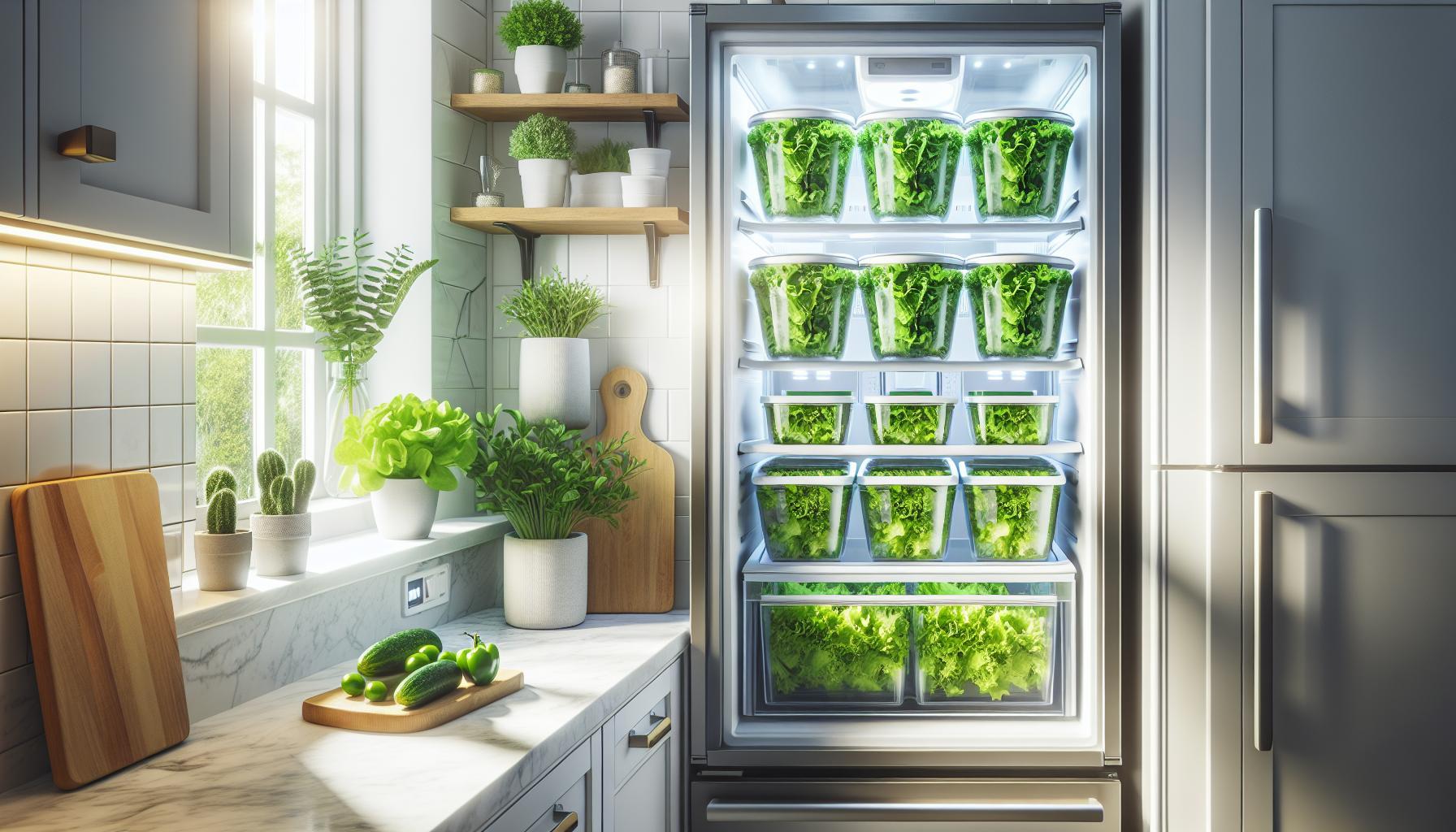
Cooked broccoli is a popular side dish rich in nutrients, but knowing how long you can safely keep it stored is essential for both health and quality. Generally, cooked broccoli can be kept in the refrigerator for about 3 to 5 days. This timeframe ensures that the vegetable retains its flavor and nutritional value while minimizing the risk of foodborne illnesses. To maximize freshness, it’s crucial that the broccoli is stored in an airtight container or wrapped tightly in plastic wrap or aluminum foil.
When storing cooked broccoli, try to place it in the coldest part of your refrigerator, which is usually near the back and away from the door. Keeping cooked vegetables at a consistent temperature can help prevent spoilage. If you’re uncertain about the freshness of your broccoli after a few days, be on the lookout for signs such as off smells, discoloration, or a mushy texture, which indicate that it is no longer safe to eat.
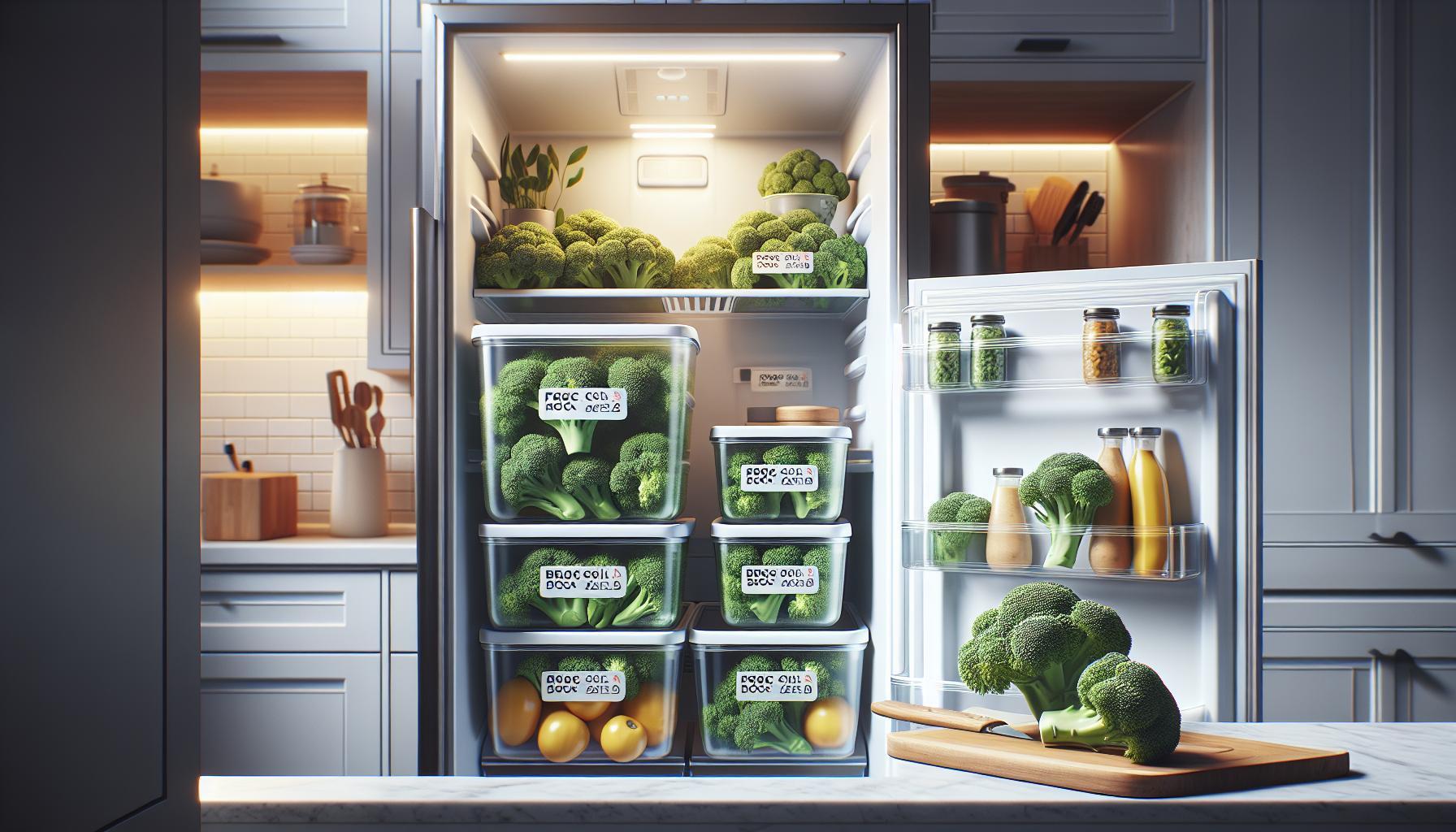
To ensure you are making the most of your leftovers, label your containers with the date they were cooked. This simple habit makes it easier to track how long your food has been stored and helps reduce food waste. If you find you can’t eat your cooked broccoli within the recommended timeframe, consider freezing it to extend its shelf life. Freezing can preserve the vegetable for up to 10 to 12 months, allowing you to enjoy cooked broccoli long after your initial preparation.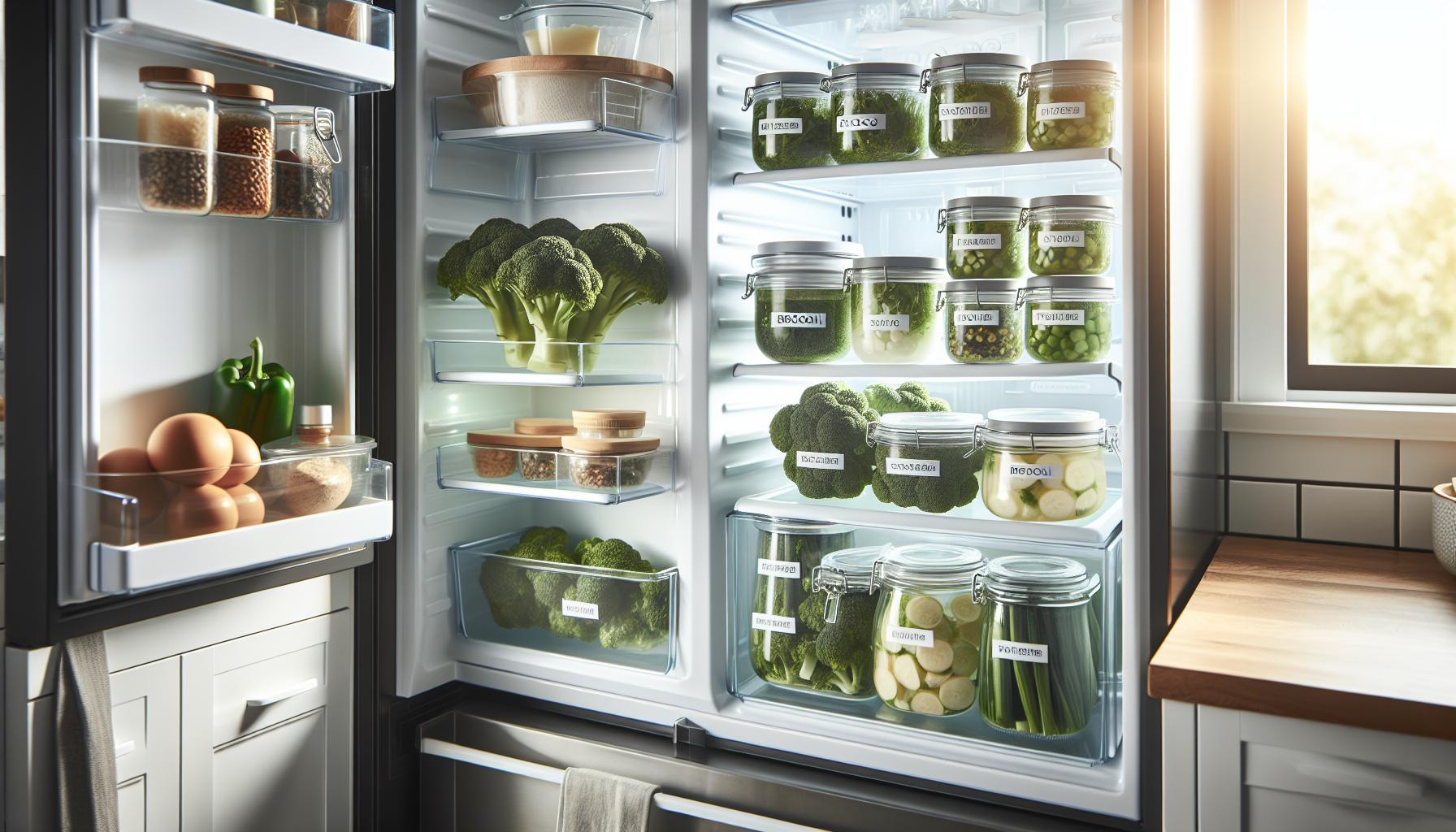
Signs Your Cooked Broccoli Has Gone Bad
Determining when cooked broccoli has gone bad is crucial for your health and dining experience. The vegetable, when properly cooked and stored, should maintain its delightful flavor and nutritional benefits for a few days. However, after the 3 to 5 days mark, it’s essential to be vigilant for signs that indicate spoilage.
The first indicator of bad cooked broccoli is an unpleasant odor. Fresh broccoli has a mild, earthy scent, but when it starts to emit a strong, sour, or off-putting smell, it’s time to discard it. Additionally, physical appearance plays a significant role: look for color changes, such as yellowing or browning, which signal that the broccoli is no longer fresh. The texture is another critical detail; fresh-cooked broccoli should be firm and crisp. If you notice it has become soft, mushy, or slimy, that’s a clear sign of spoilage.
To evaluate whether your cooked broccoli is still safe to eat, conduct a visual and sensory check. If there are any signs of mold, such as fuzzy spots or discoloration, this indicates that bacteria have started to grow, and the broccoli should not be consumed. Remember that food safety is paramount; when in doubt about the freshness of your food, it’s always best to err on the side of caution and throw it away.
By understanding these signs, you can enjoy your meals without the worry of foodborne illnesses. Ensuring proper storage and conducting regular checks will help you make the most of your nutritious sides while maintaining safety in your kitchen.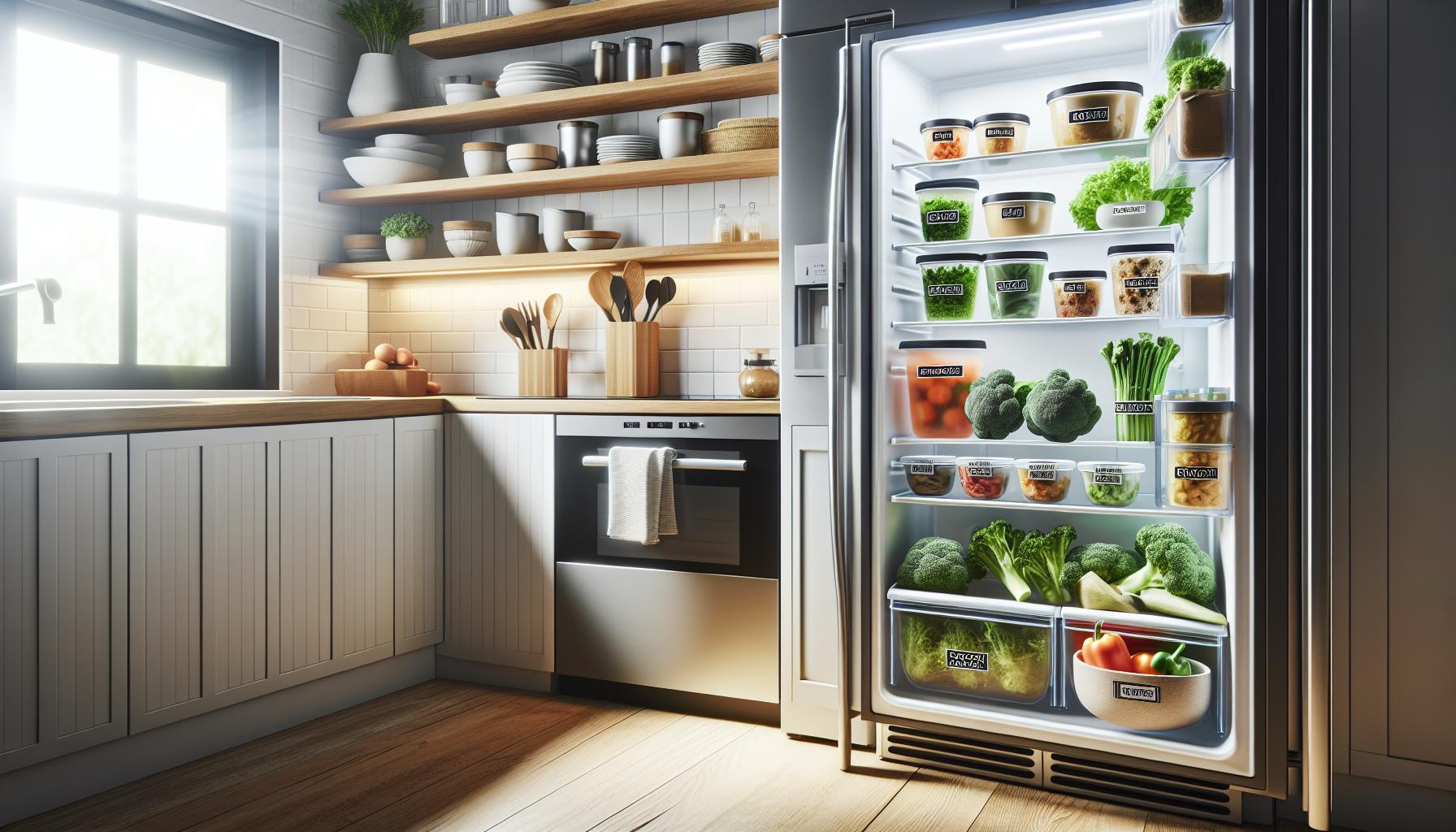
Best Practices for Storing Cooked Broccoli
Ensuring that cooked broccoli stays fresh and safe to eat is essential for both flavor and health. Proper storage methods can significantly extend the lifespan of this nutritious vegetable, making it a valuable addition to your meals throughout the week. To keep cooked broccoli at its best, follow these guidelines.
Start by allowing the cooked broccoli to cool to room temperature before storage, which helps prevent condensation that can lead to spoilage. Once cooled, store it in airtight containers or resealable plastic bags to limit exposure to air, which can cause the broccoli to dry out or develop off-flavors. It’s advisable to label the containers with the date of cooking so you can easily track its freshness. Cooked broccoli can be kept safely in the refrigerator for about 3 to 5 days.
When it comes to the refrigerator’s temperature, aim to keep it below 40°F (4°C) to inhibit bacterial growth. If you plan to keep cooked broccoli for an extended period beyond this timeframe, consider freezing it instead. Before freezing, portion it into smaller servings to make reheating easier later. To maintain its quality, blanch the broccoli briefly in boiling water for about 2-3 minutes before freezing; this step helps preserve its color and texture.
For reheating cooked broccoli, avoid using high temperatures that can lead to further overcooking. Instead, reheat gently in the microwave or on the stovetop, adding a splash of water if necessary to maintain moisture. Keeping these storage practices in mind not only enhances your cooking experience but also ensures that your meals remain healthy and enjoyable.
Freezing Cooked Broccoli: Step-by-Step Guide
Freezing cooked broccoli is an excellent way to extend its shelf life and preserve its nutritious benefits. By following a few straightforward steps, you can ensure that your cooked broccoli remains flavorful and safe to eat whenever you need it. This method is particularly useful for those who prepare large batches of vegetables and want to maximize their freshness.
Start by allowing the cooked broccoli to cool down completely at room temperature. This helps to prevent condensation inside your storage containers, which can lead to freezer burn. Next, consider blanching the broccoli if you haven’t already; this involves briefly boiling the florets for 2-3 minutes and then placing them in ice water to halt the cooking process. Blanching preserves the vegetable’s vibrant color and texture, making for a more appealing dish when it’s time to eat.
Once the broccoli is cooled (and blanched, if applicable), you can proceed to portion it into smaller servings. This not only allows for quicker and easier reheating but also prevents you from having to thaw more than you need. Use airtight containers or resealable freezer bags for storage; removing as much air as possible helps prevent freezer burn and maintain quality. Label each container with the date of freezing to keep track of freshness.
When you’re ready to enjoy your frozen broccoli, simply take out the desired portion and reheat it directly from the freezer. You can steam it, add it to soups, or microwave it. Remember, frozen cooked broccoli can be stored for up to 10-12 months, but for the best taste and texture, it’s ideal to consume it within the first few months. By implementing these freezing techniques, you can enjoy delicious, nutritious broccoli long after it’s been cooked.
Reheating Cooked Broccoli Safely
When it comes to enjoying leftover cooked broccoli, reheating it safely is essential not only for maintaining its flavor but also for preserving its nutritional value and ensuring that it remains safe to eat. Cooked broccoli, when stored properly in the refrigerator, can typically last for about 3 to 5 days. However, knowing how to effectively reheat it can make all the difference in taste and texture.
To reheat cooked broccoli, the microwave could be your quickest option. Simply place the broccoli on a microwave-safe plate, cover it with a microwave-safe lid or a damp paper towel to retain moisture, and heat it for about 1 to 2 minutes on high, stirring halfway through. Always check that it is heated evenly and reaches a temperature of 165°F (74°C) to ensure safety.
Alternatively, steaming is an excellent way to reheat broccoli while preserving its crunch and nutrients. Simply fill a pot with a couple of inches of water, place a steaming basket above the water level, and cover it. Bring the water to a boil, then add the broccoli, steaming it for around 3-5 minutes until heated through. This method not only warms the broccoli but also helps to maintain its vibrant green color and vitamins.
Oven reheating is another option, especially if you’re serving broccoli alongside other dishes. Preheat the oven to 350°F (175°C), spread the broccoli in a single layer on a baking sheet, and cover it with aluminum foil to keep the moisture in. Heat for about 10 to 15 minutes, checking to ensure it’s hot throughout. Regardless of your preferred method, always remember to enjoy your reheated broccoli within 3 to 5 days of initial cooking for the best flavor and safety.
Nutritional Value of Cooked Broccoli Over Time
Broccoli is a powerhouse of nutrients, but did you know that its nutritional profile can change over time after cooking? When broccoli is cooked, it undergoes chemical changes that can enhance or diminish its nutritional value, making the window of freshness and proper storage even more critical.
Once broccoli is cooked, it retains much of its original nutrients for about 3 to 5 days when refrigerated. However, as it sits, water-soluble vitamins, such as vitamin C and certain B vitamins, can gradually degrade. For instance, studies show that cooked broccoli can lose nearly 30% of its vitamin C content after just a few days in the fridge. This means that while it may still be safe to eat within that timeframe, the nutritional benefits are best enjoyed when it’s freshest.
To optimize the retention of nutrients, focus on how you store cooked broccoli. Keeping it in airtight containers and minimizing its exposure to air and light can significantly help preserve its vitamins. Additionally, the method of reheating matters-microwaving or steaming tends to be more beneficial compared to boiling, which can lead to further nutrient loss.
For those looking to extend the shelf life and nutritional value of their cooked broccoli for future meals, freezing is an excellent option. Freezing not only halts the degradation of nutrients but can preserve them for months. When properly thawed and reheated, frozen cooked broccoli can still provide substantial health benefits while offering flexibility in meal planning.
Creative Ways to Use Leftover Cooked Broccoli
Leftover cooked broccoli can be a culinary treasure rather than a waste. With its vibrant color and nutritious profile, it presents ample opportunities for creative use in various dishes. Instead of simply reheating it as a side, consider transforming it into delightful new meals that are not only enjoyable but also save food and reduce waste.
One of the easiest ways to repurpose cooked broccoli is by incorporating it into a hearty stir-fry. Simply add it to a pan with a mix of your favorite proteins, such as chicken, tofu, or shrimp, along with other vegetables like bell peppers and carrots. Toss in a flavorful sauce-like soy sauce or teriyaki-and you’ve got a quick and nutritious meal that elevates leftovers to a delicious main course.
Another fantastic option is to blend the cooked broccoli into a creamy soup. Combine it with vegetable broth, sautéed onions, and garlic for depth of flavor. Blend until smooth, and finish with a splash of cream or a dollop of yogurt for a comforting dish that’s perfect for any day of the week. This method not only enhances the flavors but also helps retain the nutrients that might otherwise degrade if left unused.
For breakfast, don’t overlook the potential of your broccoli in a frittata. Mixing chopped cooked broccoli with eggs, cheese, and other veggies not only adds fiber but also brings a burst of color and texture to your morning routine. Bake until set, and serve it warm or at room temperature for a nutritious start to your day.
Lastly, consider tossing leftover cooked broccoli into salads or grain bowls. Mixing it with grains like quinoa or farro, along with nuts, seeds, and a zesty dressing, creates a filling and nutritious lunch option. This approach not only makes use of leftover veggies but also brings a variety of tastes and textures to your meal.
Each of these ideas supports your kitchen creativity while ensuring that healthy ingredients do not go to waste, providing nourishment and flavor in the process. Embracing leftovers can make meal preparation more efficient and enjoyable, allowing you to savor every morsel of your delicious cooked broccoli.
Common Mistakes When Storing Cooked Broccoli
When it comes to storing cooked broccoli, one small misstep can lead to a rapid decline in its freshness and safety. Many people overlook simple storage practices that can greatly extend the shelf life and quality of this nutritious vegetable. A significant mistake is leaving cooked broccoli at room temperature for too long. Food safety guidelines recommend that perishable foods not be left out for more than two hours, as bacteria thrive in the temperature danger zone of 40°F to 140°F (4°C to 60°C).
Another common error is failing to use airtight containers. Simply placing cooked broccoli in a non-sealed dish can expose it to air and moisture, which can lead to spoilage. Always opt for airtight or vacuum-sealed containers to protect your leftovers. Additionally, it’s important to cool down cooked broccoli before refrigerating it. Placing hot broccoli directly into the fridge can raise the internal temperature of your refrigerator, potentially putting other stored foods at risk. Instead, let it cool for a short period at room temperature, but not over two hours, before transferring it to the refrigerator.
Using clear labeling is essential to avoid confusion later on. Many people neglect to write the date on their containers, which can result in forgotten leftovers sitting for too long. A simple label with the date of storage will help keep track of how long the broccoli has been in the fridge-the recommendation is to consume it within three to five days. Lastly, blending cooked broccoli with other foods, such as sauces or dressings, can accelerate spoilage. Keep broccoli separate until you’re ready to use it to help maintain its flavor and texture longer.
By avoiding these common pitfalls, you can ensure your cooked broccoli remains flavorful and safe to eat for as long as possible, turning what could be waste into a valuable meal component.
The Science Behind Food Spoilage
Understanding the underlying science of food spoilage can significantly enhance your food storage practices, particularly when it comes to nutritious vegetables like broccoli. When cooked broccoli is left stored improperly, it can quickly become a breeding ground for bacteria. As food is prepared, the heating process kills most bacteria, but it doesn’t eliminate the potential for future contamination. Once the broccoli cools down, it becomes susceptible to pathogens if not stored correctly, especially when left at room temperature for too long.
Bacteria such as Salmonella, E. coli, and Listeria monocytogenes can proliferate on cooked foods if they are not maintained at safe temperatures. The USDA recommends keeping hot food above 140°F (60°C) and cool foods below 40°F (4°C) to combat these risks. When cooked broccoli is stored in the refrigerator, its lifespan is typically 3 to 5 days; this timeframe is crucial as microbial growth can double in as little as 20 minutes under optimal conditions-between 40°F and 140°F.
The process of spoilage involves not only bacteria but also enzymes that continue to act on the food even after cooking. These enzymes can cause changes in color, texture, and flavor over time. For instance, over time, cooked broccoli may develop a slimy texture or off-odors, indicating spoilage. This enzymatic activity can be slowed significantly by thorough cooking and proper storage, including quickly cooling the broccoli before refrigerating and using airtight containers to limit exposure to air.
Practicing good food safety habits and understanding the science behind spoilage ensures that your cooked broccoli remains safe and tasty for as long as possible. Always aim to refrigerate your leftovers within two hours post-cooking, allowing them to cool briefly at room temperature. By staying informed and proactive about food storage, you can minimize waste and enjoy your leftovers without fear of spoilage.
Faq
Q: How long can cooked broccoli be left out at room temperature?
A: Cooked broccoli should not be left out at room temperature for more than two hours to prevent bacterial growth. If the ambient temperature is above 90°F (32°C), reduce this time to one hour. Always refrigerate leftovers promptly to ensure food safety.
Q: Can you smell when cooked broccoli has gone bad?
A: Yes, spoiled cooked broccoli often emits a sour or off odor. If you notice any unusual smells, it’s safest to discard it. For additional signs of spoilage, refer to the section on signs your cooked broccoli has gone bad in our article.
Q: What is the best way to reheat cooked broccoli without losing nutrients?
A: The best way to reheat cooked broccoli while preserving nutrients is to steam it briefly, about 2-3 minutes, until heated through. Use a microwave-safe dish with a lid and add a little water to maintain moisture. Check our section on reheating cooked broccoli safely for more advice.
Q: Is it safe to eat cooked broccoli after a week in the fridge?
A: No, cooked broccoli is generally safe to eat for up to 3-5 days in the fridge. If it’s been longer than that, it’s best to discard it to avoid the risk of foodborne illness. For storage details, refer to how long you can keep cooked broccoli in our article.
Q: Can you freeze cooked broccoli to extend its shelf life?
A: Yes, you can freeze cooked broccoli to extend its shelf life. Ensure it is cooled and sealed in an airtight container. Frozen broccoli can last up to 10-12 months when properly stored. Check our guide on freezing cooked broccoli for step-by-step instructions.
Q: How can you tell if cooked broccoli is still good to eat?
A: You can tell if cooked broccoli is still good by checking for signs like a pleasant color (still bright green), firm texture, and an absence of unpleasant odors or mold. For a detailed look at spoilage signs, see the section on signs your cooked broccoli has gone bad in our article.
Q: What nutrients are lost when cooked broccoli is stored for a long time?
A: Nutrients can degrade over time, especially vitamin C and some B vitamins. Storing cooked broccoli properly can help maintain its nutritional value. For a comprehensive look into nutritional value over time, refer to the relevant section in our article.
Q: Can cooked broccoli be mixed with other leftovers for storage?
A: Yes, cooked broccoli can be mixed with other cooked vegetables or plain grains for storage. However, ensure all ingredients are fresh and cooled before combining. For best practices, check our section on best practices for storing cooked broccoli.
Insights and Conclusions
Now that you know how long cooked broccoli lasts in the fridge, you can confidently store your leftovers without worry. Remember, best practices involve keeping it in an airtight container and consuming it within 3 to 5 days to ensure maximum freshness and safety. If you’re curious about other storage tips, check out our guide on “How to Store Fresh Vegetables” and discover “Reheating Tips for Leftovers” for a delicious meal tomorrow!
Before you go, don’t forget to subscribe to our newsletter for more handy food storage tips and tasty recipes right in your inbox. Have questions or experiences to share? We’d love to hear from you in the comments below! Keep exploring our blog for more information on food safety and cooking, and never let your veggies go to waste again!