Cherry tomatoes are not only a burst of flavor and color in your meals, but they are also a delicate fruit that requires proper handling to maintain their freshness. Understanding how long cherry tomatoes last in the fridge is crucial for preserving their juicy goodness and avoiding waste. Did you know that improper storage can significantly shorten their lifespan?
As you strive to enjoy these tasty treats longer, it’s important to recognize the best practices for chilling and storing cherry tomatoes without losing their vibrant taste and texture. Whether you’re a home cook looking to maximize your grocery purchases or a meal prep enthusiast wanting to keep ingredients fresh, being informed about the storage life of cherry tomatoes will help you avoid soggy or spoiled produce.
In this article, we’ll delve into the ideal refrigerator storage time for cherry tomatoes, share tips to keep them succulent, and guide you on how to tell when they’re past their prime. By following these guidelines, you’ll be well-equipped to keep your cherry tomatoes fresher for longer, ensuring every bite remains delicious.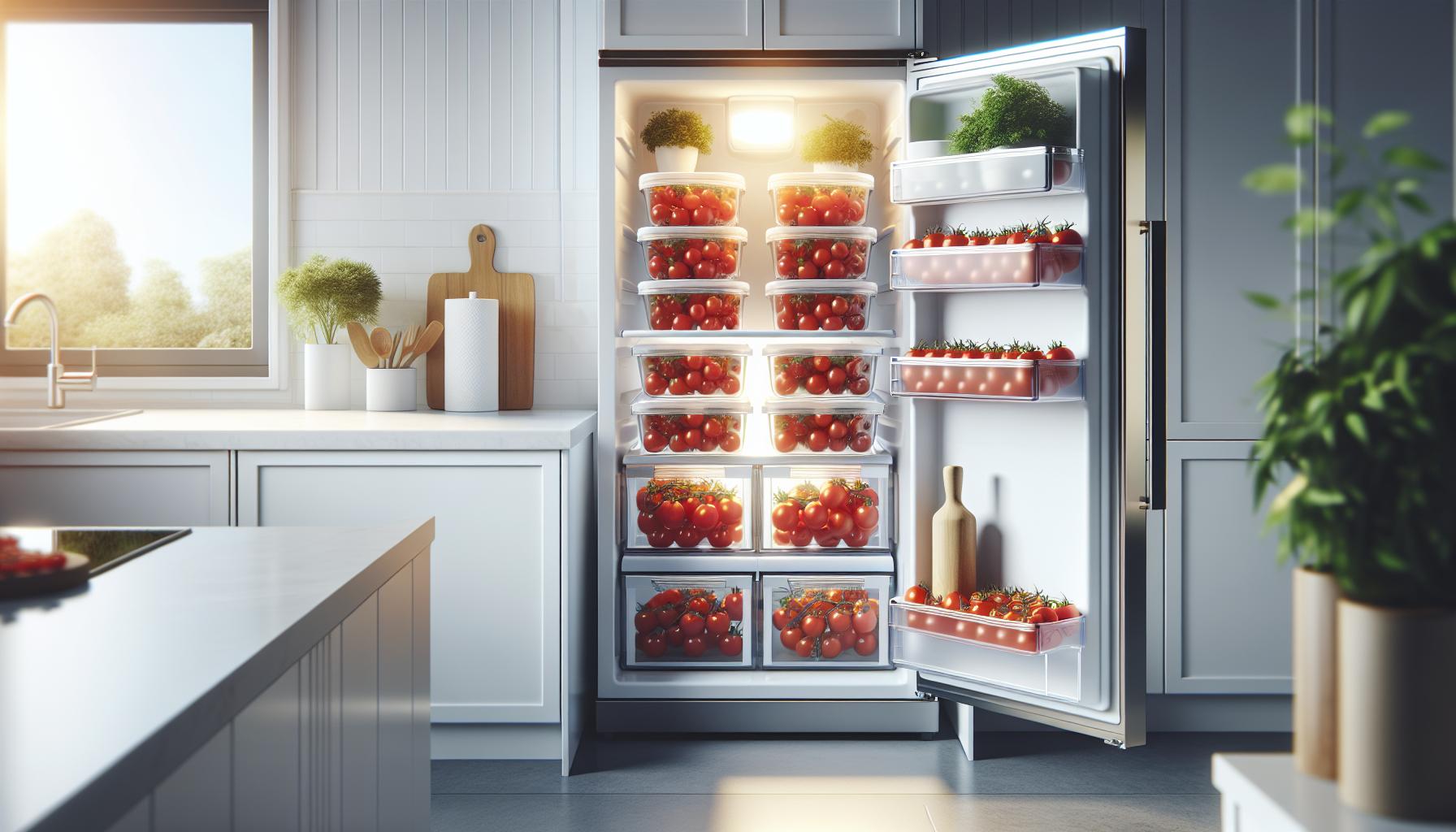
How Long Do Cherry Tomatoes Last in the Fridge?
Cherry tomatoes are a vibrant and flavorful addition to any kitchen, but knowing how long they can last in the fridge is crucial to enjoying their freshness. When properly stored in the refrigerator, cherry tomatoes can generally last between 5 to 10 days. However, the exact duration may vary based on their ripeness at the time of storage and the conditions in your refrigerator.
To maximize their shelf life, store cherry tomatoes in their original container or a breathable bowl instead of plastic bags, as airflow helps reduce moisture accumulation and mold growth. Ideally, place them in the crisper drawer, where the temperature is slightly more stable. It is important to note that while refrigeration extends their lifespan, it can also impact their flavor and texture, leading them to become mealy over time.
If you notice soft spots or wrinkles, it’s best to use or discard them promptly. A key tip is to avoid washing cherry tomatoes until right before consumption, as excess moisture can lead to spoilage. By following these guidelines, you can keep your cherry tomatoes fresher for longer, ensuring their delightful taste enhances your meals.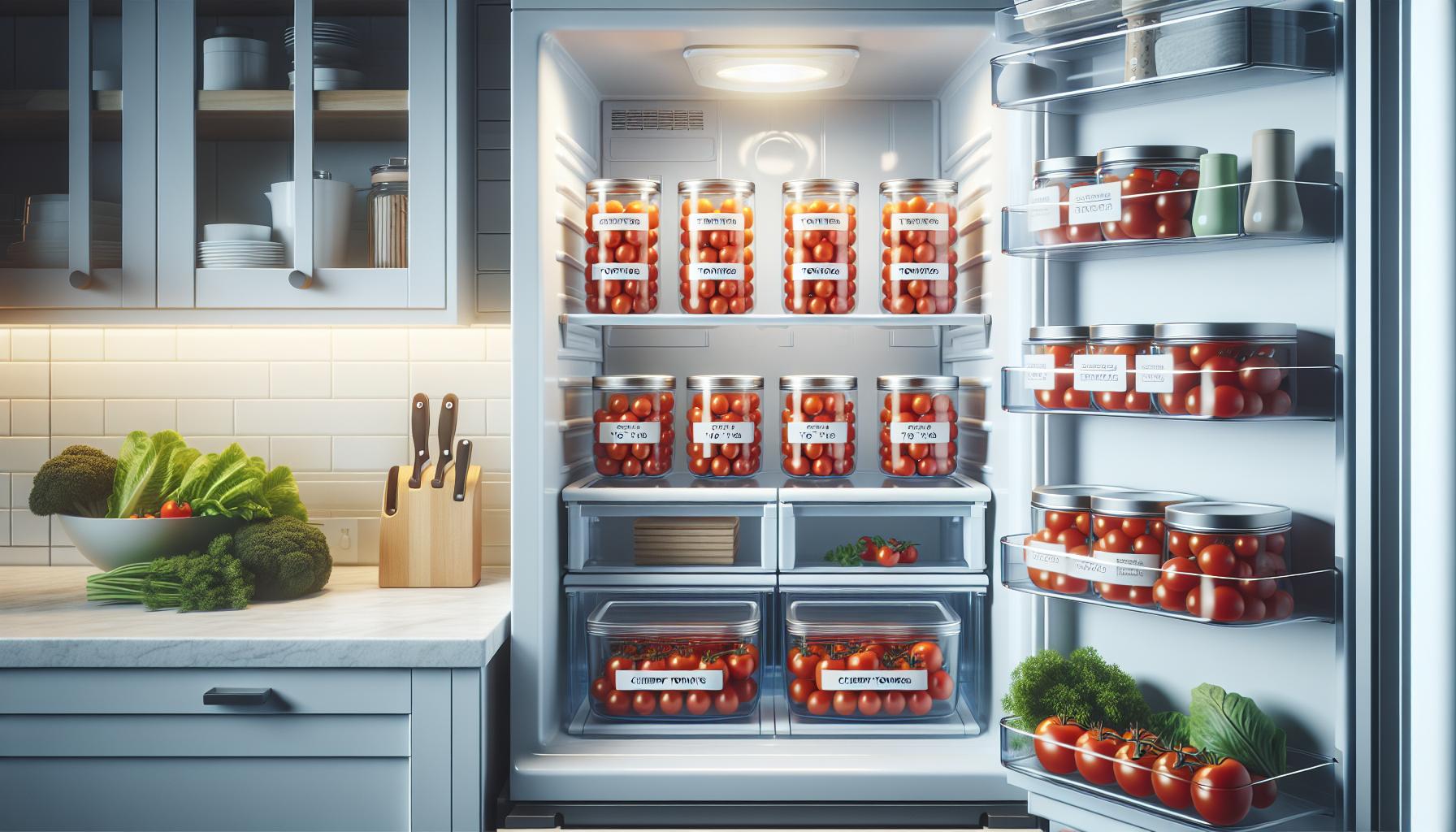
Optimal Storage Conditions for Cherry Tomatoes
Storing cherry tomatoes correctly can significantly impact their freshness and flavor. The ideal environment for cherry tomatoes balances temperature and humidity while allowing for proper airflow. To maintain their vibrant taste and crisp texture, keep them at a temperature between 55°F to 70°F (13°C to 21°C). While refrigeration can extend their shelf life to about 5 to 10 days, it’s essential to note that chillier temperatures can degrade their quality and lead to a mealy texture.
To achieve optimal storage conditions, it is best to place cherry tomatoes in a breathable container such as a bowl lined with a paper towel or their original carton. This setup promotes airflow, minimizing excess moisture that can encourage mold growth. Avoid plastic bags, as they trap humidity and increase the risk of spoilage. For locations within your refrigerator, the crisper drawer is often a better option for controlling temperature fluctuations compared to other areas.
When selecting a spot, aim for an area that maintains a consistent and cool temperature but is also not too cold. If you notice any tomatoes exhibiting soft spots or wrinkles, use those immediately or consider discarding them. Remember to refrain from washing your cherry tomatoes until just before consumption; excess moisture can lead to faster spoilage. By adhering to these storage principles, you can savor your cherry tomatoes’ delightful taste and maximize their shelf life, ensuring they remain a juicy ingredient in your culinary creations.
Signs of Freshness: Identifying Good Tomatoes
To ensure you’re making the most of your cherry tomatoes, it’s crucial to recognize their signs of freshness. Fresh cherry tomatoes exhibit a vibrant color, typically ranging from bright red to orange or yellow, depending on the variety. Look for a uniform hue with no green blemishes or dark spots. The skin should appear smooth and taut, indicating that the fruit is juicy and ripe. Additionally, fresh tomatoes should feel firm when gently squeezed; if they are overly soft or mushy, it’s a sign of possible spoilage.
Pay attention to the aroma as well. A fresh cherry tomato emits a sweet and earthy fragrance that signals ripeness. If you detect an off-putting or sour smell, it’s best to discard those tomatoes as they might have started to ferment or decay. Finally, don’t overlook the stem area; a healthy cherry tomato will have a fresh, green stem, while a dried or brown stem can indicate age and potential spoilage.
Incorporating these visual and sensory checks into your routine when purchasing cherry tomatoes can help you select the best quality produce. By identifying and choosing only the freshest tomatoes, you can enhance your meals and minimize food waste, ensuring every bite is packed with the delightful flavor these little fruits are known for.
How to Extend the Shelf Life of Cherry Tomatoes
To keep your cherry tomatoes juicy and flavorful for as long as possible, implementing proper storage techniques is essential. One effective method is to store them at room temperature, ideally in a single layer and away from direct sunlight. This prevents them from becoming too cold and losing flavor, as tomatoes can start to degrade in taste and texture when chilled. If you know you won’t consume them within a few days, consider moving them to the refrigerator, but do so with caution.
When storing in the fridge, it’s best to use a breathable container, such as a produce bag or a bowl covered with a paper towel, to allow for some air circulation while protecting them from drying out. This method can extend the shelf life of cherry tomatoes to about one week. It’s crucial to check them regularly for any signs of spoilage or soft spots, as damaged tomatoes can lead to quicker deterioration of neighboring fruits.
Another tip to maximize freshness is to leave the stems intact until you’re ready to eat the tomatoes. The stem helps seal in moisture, prolonging their life. If you’ve cut or used any tomatoes, ensure you store any leftover pieces in an airtight container to minimize air exposure, which can lead to faster spoilage.
By taking these proactive steps to manage how you store your cherry tomatoes, you’ll enjoy them at their best for longer. Always remember that the way you treat your produce during storage directly influences its flavor and texture when it’s time to enjoy your delicious, juicy cherry tomatoes.
Best Practices for Storing Cherry Tomatoes
To preserve the deliciousness of cherry tomatoes, proper storage techniques are key. When storing them, consider the balance between convenience and flavor retention. Ideally, you should keep cherry tomatoes at room temperature, preferably in a single layer and away from direct sunlight. This method helps maintain their sweet taste and firm texture, as exposure to cold can cause their flavor to diminish.
When you must refrigerate cherry tomatoes-especially if they are overripe or you don’t plan to eat them promptly-make sure to do so thoughtfully. Use a breathable container, such as a mesh produce bag or a shallow bowl covered loosely with a paper towel. This allows for some airflow, preventing moisture buildup that can lead to mold and spoilage. Under these conditions, they can last about one week in the fridge.
Additionally, it’s advisable to leave the stems attached to the tomatoes until you’re ready to eat them. The stems help to seal in moisture, prolonging their freshness. For any cut or leftover tomatoes, immediately store them in an airtight container to minimize exposure to air, which can accelerate spoilage. Regularly check your stored tomatoes for any signs of soft spots or spoilage, as these can quickly affect the quality of others nearby.
Maintaining these storage practices not only keeps your cherry tomatoes juicy and flavorful but also enhances your overall culinary experience, ensuring that your recipes and snacking remain satisfying.
Chilling Effects: The Science of Cold Storage
Storing cherry tomatoes in the fridge is a topic worth exploring, especially considering their delicate nature and how cold affects their quality. When tomatoes are exposed to temperatures below 55°F (13°C), a phenomenon known as “chilling injury” can occur. This injury disrupts the balance of internal gases and biochemical processes, leading to a breakdown of texture and flavor. The result can be mushy tomatoes lacking the vibrant taste that makes them a favorite in salads, salsas, and other dishes.
To maximize the benefits of refrigeration while minimizing downsides, certain precautions should be taken. If you must refrigerate cherry tomatoes, it’s best to do so only when they are overripe or you know you won’t consume them soon. Place them in a breathable container-like a mesh bag or a bowl covered loosely with a paper towel-to allow for air circulation and prevent moisture build-up. This setup can help prolong their shelf life in the fridge to about a week. Regularly inspect your tomatoes for any signs of spoilage, such as soft patches or changes in color, and remove any affected ones immediately to prevent them from causing issues for the others.
By understanding the chilling effects on cherry tomatoes, you can make informed decisions on storage methods that uphold their delightful sweetness and firmness. Remember to bring refrigerated tomatoes back to room temperature before consuming them, as this can enhance their flavor, making them a more enjoyable addition to your meals. This little adjustment can transform your culinary experience, ensuring those vibrant, juicy morsels maintain their signature taste even after a brief stint in the cold.
Freezing Cherry Tomatoes: A Complete Guide
Freezing cherry tomatoes is an excellent way to preserve their vibrant color and fresh taste, allowing you to enjoy these delightful fruits well beyond their typical shelf life. When properly frozen, cherry tomatoes can maintain their quality for up to 6 months. This method is particularly effective for those who grow their own tomatoes or purchase them in bulk during peak season, ensuring none of the bounty goes to waste.
To get started, wash the tomatoes thoroughly under cool water and remove any stems. For the best results, you might consider blanching them briefly in boiling water for about 30 seconds. This step helps preserve the color and texture. Immediately after blanching, plunge the tomatoes into an ice water bath to stop the cooking process. Once cooled, drain them and pat them dry gently with a clean towel.
When it comes to freezing, there are a few effective methods. You can choose to freeze the tomatoes whole, slice them for easier use in recipes, or even purée them if you plan to use them for sauces or soups later. If freezing whole or sliced, spread them out in a single layer on a baking sheet to prevent them from sticking together, then freeze for 2-3 hours. Once frozen, transfer the tomatoes to airtight freezer bags or containers, removing as much air as possible before sealing. Label the bags with the date for easy reference, and store them in the freezer.
Thawing and Using Frozen Cherry Tomatoes
When you’re ready to use your frozen tomatoes, thaw them by placing them in the refrigerator overnight or using a microwave’s defrost setting. Keep in mind that the texture will change once frozen, making them best suited for cooked dishes like sauces, casseroles, or soups. Their flavor will remain deliciously sweet, providing a burst of summer in your winter meals.
By following these steps, freezing cherry tomatoes can be a straightforward and rewarding way to extend their shelf life while still enjoying their flavor and nutritional benefits throughout the year.
Do Cherry Tomatoes Lose Flavor in the Fridge?
Storing cherry tomatoes in the refrigerator may seem like a practical choice for prolonging their life, but it’s essential to understand the potential impact on flavor. Refrigeration can cause cherry tomatoes to lose their beloved sweetness and complexity. This is due to a combination of cold temperatures inhibiting the natural ripening process and the breakdown of volatile compounds responsible for their aromatic qualities. As a result, while refrigeration can preserve the texture and prevent spoilage for a short time, it often dulls the flavor profile you’d typically enjoy.
To maintain the taste of cherry tomatoes, it’s recommended to keep them at room temperature until they ripen fully. If you do need to refrigerate them, consider only doing so after they are at their peak ripeness and for no longer than a few days. Here are some tips to minimize flavor loss:
- Store in a breathable container: Use a basket or a container with ventilation to allow air circulation.
- Keep them stem side up: This position helps avoid bruising and retains moisture.
- Allow them to return to room temperature: Before consuming refrigerated tomatoes, let them sit out for a couple of hours to help regain some flavor.
Ultimately, cherry tomatoes showcase their best flavor when stored properly and enjoyed fresh. By following these practices, you can savor their sweetness and juiciness to the fullest.
Common Mistakes When Storing Cherry Tomatoes
Storing cherry tomatoes can seem straightforward, yet many overlook common pitfalls that can compromise their flavor, texture, and longevity. One prevalent mistake is storing these vibrant fruits in a closed plastic bag. This traps moisture, creating a breeding ground for mold and leading to rapid spoilage. Instead, opt for a breathable container, such as a basket or perforated bowl, which allows for adequate air circulation. This simple adjustment can dramatically extend their freshness.
Another frequent error occurs when cherry tomatoes are tossed into the refrigerator without consideration of ripeness. Refrigerating unripe tomatoes halts their development, preventing the natural sugars and acids from balancing, resulting in a bland taste. It’s best to allow them to ripen at room temperature first. Once they reach peak ripeness, refrigerate them for no longer than three to five days to prevent flavor loss. Properly timing the refrigeration process is crucial for maintaining that sweet, juicy flavor you desire.
Additionally, mishandling cherry tomatoes during storage can lead to unintended bruising. Many people stack tomatoes haphazardly or pile them on top of each other. This not only bruises the bottom fruits but also accelerates spoilage. To prevent this, always store them stem side up and avoid overcrowding containers. Incorporating a single layer when possible helps protect them from damage.
Lastly, neglecting to check the tomatoes regularly can result in overlooked spoilage. One bad tomato can rapidly affect the others, leading to more waste. Make it a habit to inspect your cherry tomatoes every few days, removing any that show signs of decay. This proactive approach can help keep the rest of the batch fresh and delicious. By sidestepping these common mistakes, you can ensure that your cherry tomatoes remain as delightful as possible for your culinary creations.
Using Leftover Cherry Tomatoes in Recipes
Leftover cherry tomatoes can be a delightful addition to various dishes, ensuring that none of these sweet, juicy gems go to waste. Their vibrant colors and fresh flavor make them versatile ingredients that can elevate simple meals. With just a bit of creativity, you can transform leftover cherry tomatoes into delicious and satisfying meals.
One of the easiest ways to use leftover cherry tomatoes is by combining them with pasta. Simply halving the tomatoes and sautéing them with garlic and olive oil creates a quick and flavorful sauce that pairs perfectly with your favorite pasta. You can enhance the dish with fresh herbs like basil or parsley and a sprinkle of Parmesan cheese. Another excellent option is to roast them; roasting concentrates their flavors while adding sweetness. Toss with a bit of olive oil, salt, and pepper, then roast in the oven until they are blistered. These roasted tomatoes can be served atop crostini for a delicious appetizer or stirred into salads for added brightness.
For a heartier dish, consider adding leftover cherry tomatoes to omelets or frittatas. The tomatoes add moisture and flavor, making your breakfast vibrant and delicious. Simply chop the tomatoes and fold them into your eggs along with some cheese and herbs before cooking. This not only transforms a basic egg dish but also ensures that your tomatoes are used effectively.
Lastly, if you’re feeling adventurous, why not puree those leftover cherry tomatoes into a fresh salsa? Combine them with onions, cilantro, lime juice, and jalapeño for a zesty topping for tacos, grilled chicken, or fish. This simple recipe not only makes for a flavorful dish but also showcases the tomatoes’ natural sweetness and acidity.
By incorporating leftover cherry tomatoes into your cooking, not only do you minimize waste, but you also enhance your meals with fresh flavors. Embrace these versatile fruits and enjoy the myriad of possibilities they bring to your kitchen.
Healthy and Delicious Ways to Enjoy Cherry Tomatoes
Cherry tomatoes are not just a delicious snack; they are also an excellent source of vital nutrients, making them a great addition to a healthy diet. These vibrant fruits pack a punch with antioxidants, vitamins C and K, and a wealth of flavor, whether eaten raw, roasted, or incorporated into various dishes. Their versatility makes them perfect for a range of culinary creations, allowing you to enjoy their freshness in numerous ways.
One delightful approach is to add cherry tomatoes to salads. Their natural sweetness pairs wonderfully with greens, nuts, and cheeses, adding a burst of color and flavor. A simple mixed salad featuring cherry tomatoes, arugula, feta cheese, and a balsamic vinaigrette can be both satisfying and nourishing. Not only do they enhance the dish, but their juiciness can provide a refreshing contrast to crisp greens.
Another healthy and tasty way to enjoy cherry tomatoes is by incorporating them into your main dishes. They can be a standout ingredient in pasta recipes, where their flavor truly shines when lightly sautéed in olive oil with garlic, fresh basil, and a pinch of salt. This quick recipe not only highlights the tomatoes’ natural sweetness but also makes for a nutritious meal perfect for busy weeknights.
For those looking to snack healthily, cherry tomatoes can be paired with hummus or Greek yogurt dip for a quick, flavorful treat. Their bite-sized nature makes them easy to grab, providing a nutrient-dense alternative to traditional snack foods.
Lastly, don’t overlook the power of roasted cherry tomatoes. Roasting brings out their inherent sweetness and can transform their texture, making them ideal for tossing into grain bowls or serving alongside grilled proteins. Simply drizzle with olive oil, season with salt and pepper, and roast until blistered for a delicious side or topping.
Incorporating cherry tomatoes into your diet is not just about enjoying their taste; it’s also about reaping their health benefits. Whether you are adding them to salads, pasta, or enjoying them as snacks, cherry tomatoes can enhance your meals while providing a wealth of nutrients.
Sustainable Practices: When to Toss Cherry Tomatoes
When it comes to enjoying cherry tomatoes, knowing when to toss them is key to minimizing waste and ensuring food safety. Cherry tomatoes can last about 1 to 2 weeks in the fridge, but several signs indicate they may have overstayed their welcome. It’s essential to inspect your tomatoes regularly to keep your meals fresh and delicious.
Look for visible signs of spoilage, such as wrinkles, soft spots, or mold. If the tomato feels notably mushy or leaking juice, it’s best to discard it. Additionally, tomatoes that have a dull color or show changes in texture are likely no longer good to eat. Keeping an eye out for these specific signs will help you determine the right time to toss them.
Another aspect to consider is the storage conditions you’ve provided. Cherry tomatoes that have been stored in a sealed container may not last as long as those kept in a breathable arrangement like a bowl. This can lead to quicker spoilage due to moisture accumulation. If you discover a few tomatoes beginning to spoil, it’s wise to check the others in the container to prevent a cascading effect of spoilage.
To promote sustainable practices, always wash your tomatoes before use. However, this should be done only right before consumption, as washing them beforehand can lead to faster spoilage. Incorporating a habit of regularly checking and removing any deteriorating tomatoes allows the remaining ones to breathe and extend their shelf life, ultimately contributing to less food waste. By staying proactive about your cherry tomatoes’ condition and handling them thoughtfully, you can enjoy their fresh, vibrant flavors longer while making sustainable choices in your kitchen.
FAQ
Q: How can I tell if cherry tomatoes are still good to eat?
A: To determine if cherry tomatoes are still good, look for vibrant color, smooth skin, and firmness. Avoid tomatoes that are excessively soft, moldy, or have dark spots. Check for an off smell, which indicates spoilage. For more on identifying freshness, refer to the “Signs of Freshness” section.
Q: Can cherry tomatoes be stored at room temperature instead of in the fridge?
A: Yes, cherry tomatoes can be stored at room temperature for a few days to maintain their flavor and texture. Keep them in a cool, dry place, away from direct sunlight. For longer shelf life, refrigerate them as detailed in the “Optimal Storage Conditions” section.
Q: What is the best way to store opened cherry tomato containers?
A: Opened cherry tomato containers should be resealed and stored in the fridge. Place them in a breathable container, like those covered with a paper towel. This helps to keep them dry and prevents mold growth. Check the “Best Practices for Storing Cherry Tomatoes” for more tips.
Q: How long do cherry tomatoes last once cut?
A: Once cut, cherry tomatoes can last in the fridge for about 2-3 days if stored in an airtight container. Ensure they are kept dry and refrigerated promptly. For additional storage insights, see the “How to Extend the Shelf Life of Cherry Tomatoes” section.
Q: Do cherry tomatoes lose nutrients when refrigerated?
A: Yes, refrigeration can cause some loss of flavor and certain nutrients in cherry tomatoes. It’s recommended to consume them fresh for maximum taste and quality. For better nutrient retention, consider storing them at room temperature unless absolutely necessary to refrigerate.
Q: What is the ideal temperature for storing cherry tomatoes?
A: The ideal temperature for storing cherry tomatoes is between 55°F to 70°F (13°C to 21°C) when kept at room temperature. If storing in the fridge, keep them in the crisper drawer. Detailed temperature guidelines can be found in the “Chilling Effects: The Science of Cold Storage” section.
Q: How can you use leftover cherry tomatoes creatively?
A: Leftover cherry tomatoes can be utilized in various recipes such as salads, pasta dishes, or roasted as a side. They can also be pureed into sauces or added to omelets for a burst of flavor. For more ideas, check the “Using Leftover Cherry Tomatoes in Recipes” section.
Q: Are there any safety concerns with eating overripe cherry tomatoes?
A: Eating overripe cherry tomatoes isn’t typically unsafe, but they may have an unpleasant texture and taste. Ensure they are not moldy or squishy, as these can indicate spoilage. For guidelines on when to toss tomatoes, refer to the “Sustainable Practices: When to Toss Cherry Tomatoes” section.
The Way Forward
Now that you know how to keep your cherry tomatoes juicy in the fridge, make the most of their vibrant flavor and nutrition by incorporating them into your meals. Remember, fresh cherry tomatoes can last around 5 to 10 days in your refrigerator, so be sure to enjoy them before they lose their peak freshness. For more tips on keeping your produce fresh, check out our guide on “Best Practices for Storing Fruits and Vegetables” and discover the health benefits of cherry tomatoes in our “Nutritional Value of Cherry Tomatoes” article.
Don’t miss out on enhancing your culinary skills! Sign up for our newsletter for the latest tips on food storage and delicious recipes that feature these delightful little fruits. Have any questions or want to share your favorite cherry tomato recipes? Drop a comment below-we’d love to hear from you! Explore more about how to make the best of your kitchen with our helpful resources, and let’s keep the conversation going about making the most of your fresh produce!