
Collard greens are a nutritional powerhouse, rich in vitamins A, C, and K, making them a staple in many healthy diets. However, knowing how long they last in the fridge is essential to avoid food waste and ensure optimal freshness. Proper storage can keep your collard greens crisp and nutritious, but improper handling can lead to spoilage and loss of quality.
If you’re wondering how to maximize the lifespan of these leafy greens before they wilt, you’re not alone. Many people aim to enjoy their fresh produce for as long as possible, and understanding the ideal storage conditions is key. In this guide, we’ll provide you with practical tips and guidelines for keeping your collard greens fresh and delicious, so you can make the most of your grocery haul.
How Long Do Collard Greens Last in the Fridge?
Collard greens are a powerhouse of nutrition, but understanding how long they last in the fridge can help you enjoy their benefits to the fullest without waste. When stored correctly, fresh collard greens typically remain crisp and fresh for about 3 to 5 days in the refrigerator. This timeframe can vary slightly depending on factors such as the freshness of the greens when purchased and how they are stored.
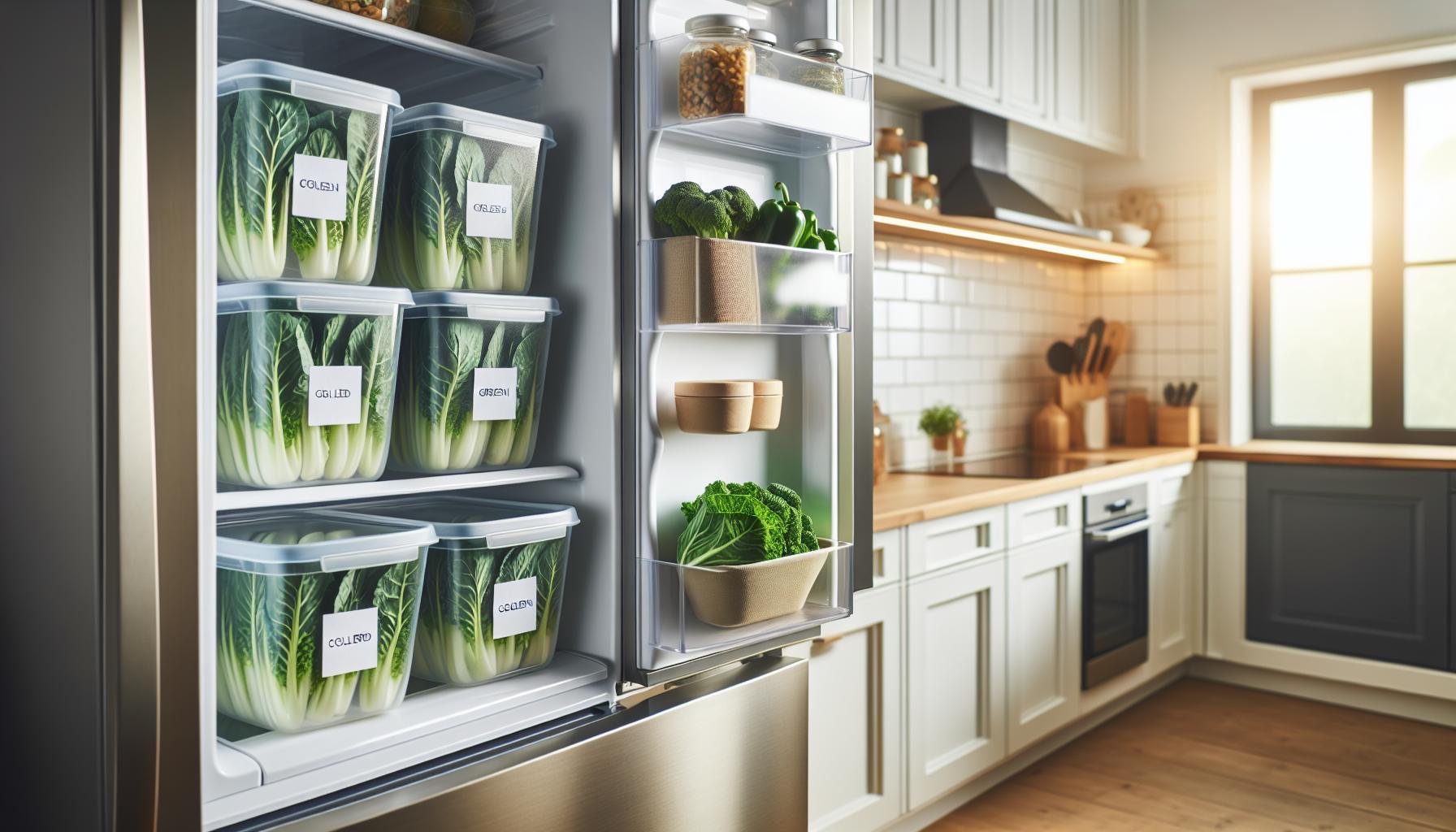
For optimal storage, keep collard greens in a produce drawer wrapped in a damp paper towel inside a perforated plastic bag. This method helps maintain their moisture without creating excessive humidity, which can lead to spoilage. Additionally, avoid washing them until you’re ready to use them, as excess moisture can accelerate decay.
Keep an eye on your collard greens, as they should be vibrant and crisp. If they begin to wilt or develop dark spots, it’s a sign they’re past their prime and should be used quickly or discarded. Maintaining these simple practices not only extends their shelf life but also ensures you’re able to enjoy the delicious and nutritious benefits of collard greens in your meals.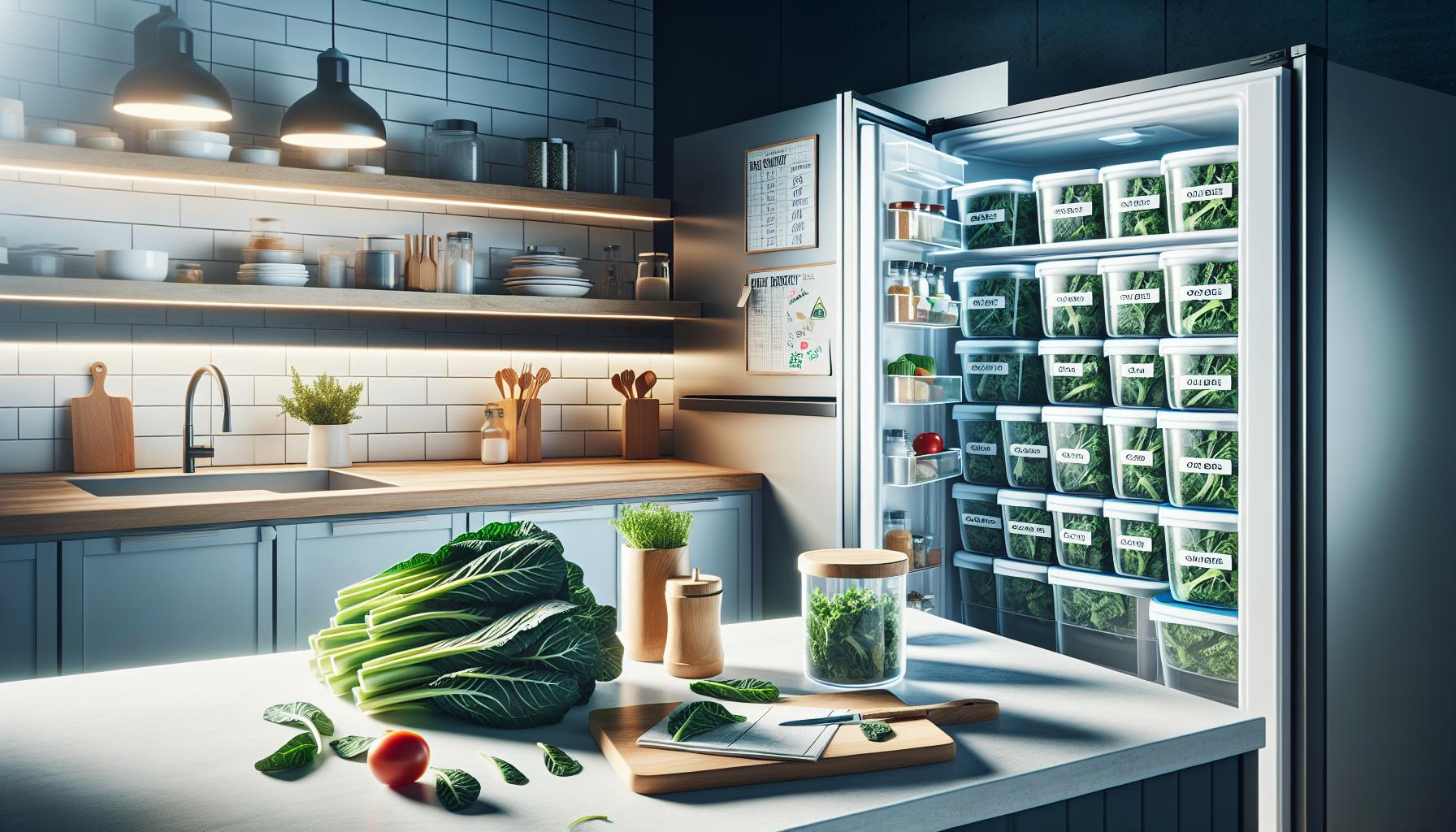
Best Storage Methods for Collard Greens
To preserve the delightful crunch and nutritional benefits of collard greens, the way you store them matters greatly. Fresh collard greens are best kept in the refrigerator, where they can typically last for 3 to 5 days. However, employing effective storage methods can extend their freshness and prevent premature spoilage.
One of the best practices is to place collard greens in a perforated plastic bag, which allows for airflow while retaining some moisture. Before sealing the bag, line it with a damp paper towel. This combination keeps the greens hydrated without creating a damp environment that encourages mold growth. Avoid washing the greens until you are ready to use them, as excess moisture can lead to quicker decay. If possible, store them in the vegetable crisper drawer of your fridge, which is specifically designed to maintain high humidity suited for leafy greens.
Furthermore, check on your collard greens regularly. Make it a habit to inspect them for any signs of wilting or dark spots, which indicate that they may be past their prime. Using them sooner rather than later not only ensures you enjoy them at their best quality but also reduces waste. If you notice any damaged leaves, remove them immediately to slow down the deterioration process. Implementing these practical storage strategies will allow you to maximize the shelf life and enjoyment of your collard greens while ensuring their leafy vitality remains intact.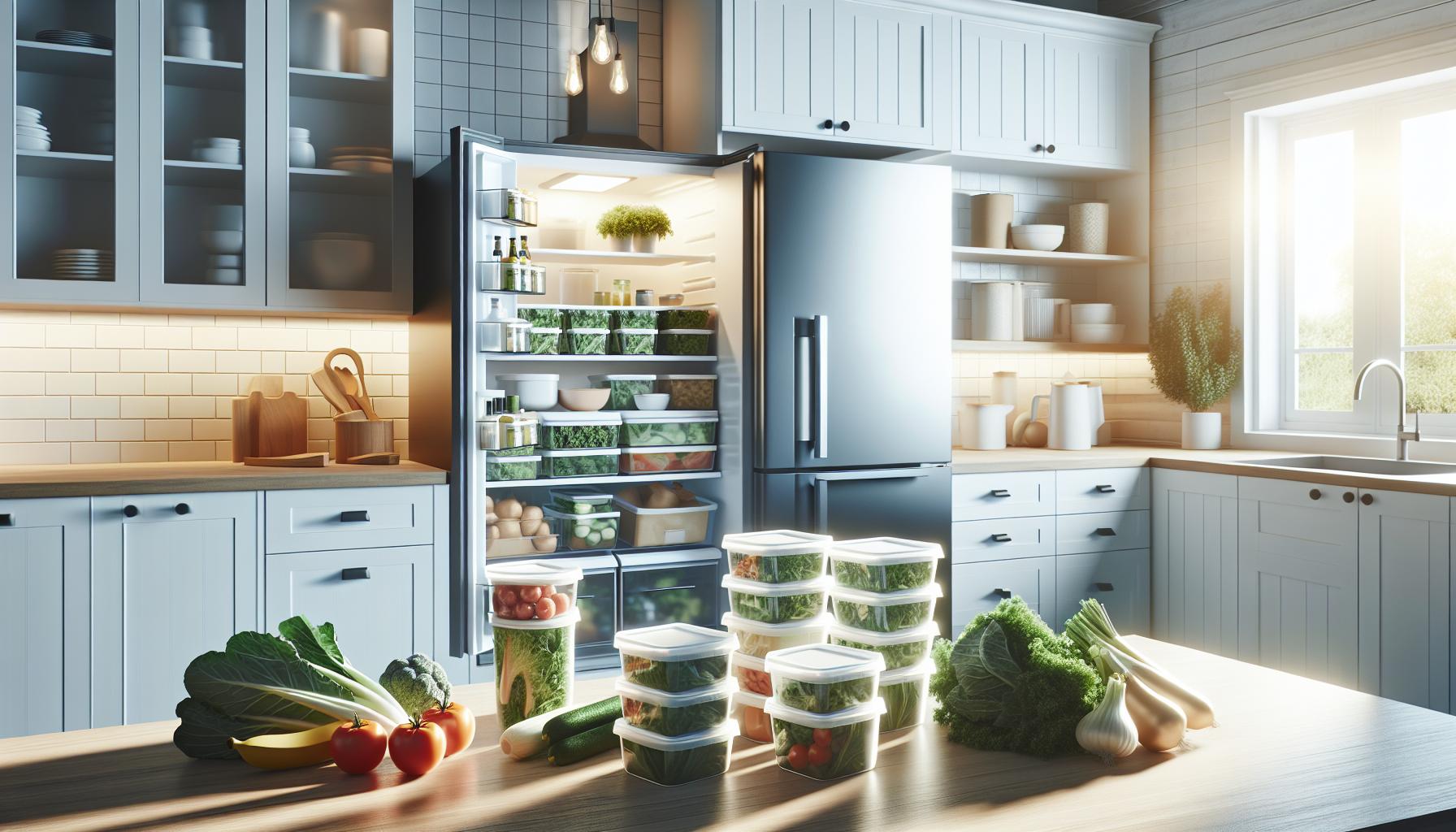
Signs Your Collard Greens Have Gone Bad
Determining the freshness of collard greens can be crucial to maintaining both flavor and safety in your meals. With their robust leaves, collard greens can sometimes hide spoilage signs, making regular inspection essential. Look closely for specific indicators to ensure you’re consuming quality greens.
One of the most evident signs of spoilage is the change in color. Fresh collard greens should be a vibrant, deep green. If you notice any yellowing of the leaves or browning around the edges, it’s an indication that your greens are starting to deteriorate. Additionally, texture plays a significant role; fresh collards should be crisp and firm. If they feel slimy or overly soft, it’s time to discard them.
Another key sign to watch for is wilting. While some slight wilting can sometimes be reversed by soaking the greens in water, excessive wilting generally indicates that the greens have lost their prime freshness. Look for dark spots or patches as well; these blemishes are often signs of mold or decay. If you observe any foul or sour odor when handling the greens, this is a clear indication that they have spoiled and should not be consumed.
By staying mindful of these signs-color changes, texture loss, wilting, spots, and odors-you can effectively gauge the freshness of your collard greens. Regular inspections ensure that you not only enjoy their nutritional benefits at their peak but also minimize food waste and maintain your kitchen’s safety.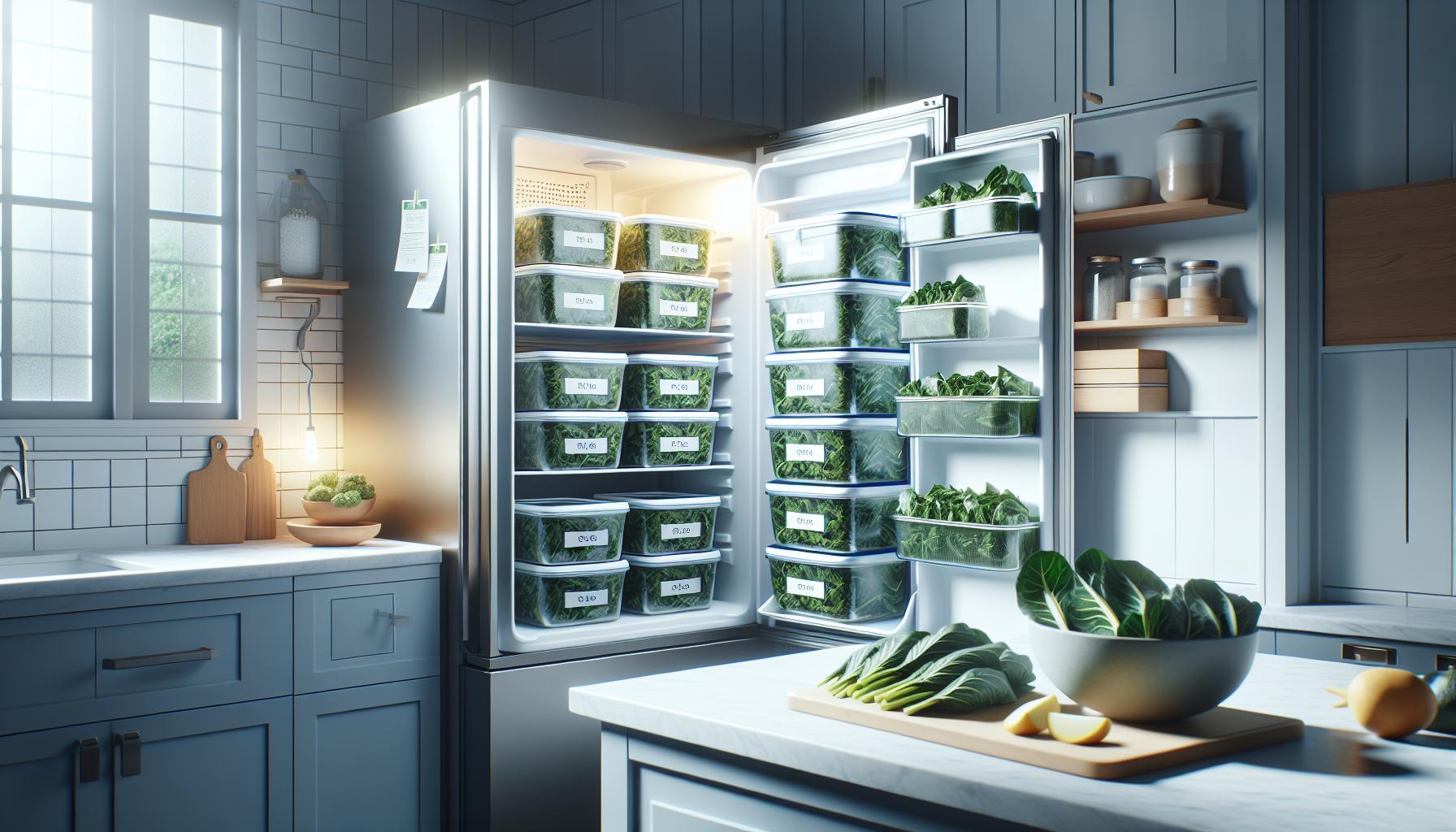
Freezing Collard Greens for Long-Term Storage
Freezing collard greens is an excellent way to extend their shelf life while preserving their nutritional benefits. A common misconception is that freezing will compromise the flavor and texture of fresh greens; however, when done correctly, you can retain their vibrant qualities for several months. By following a few simple steps, you can ensure that your collard greens remain flavorful and nutritious in the freezer.
Start by washing the collard greens thoroughly under cold running water to remove any dirt or insects. Once cleaned, you should blanch them before freezing. Blanching involves briefly boiling the greens (about 3-4 minutes for collard greens) and then immediately plunging them into ice water. This process halts enzyme activity that can cause color and flavor loss over time. After chilling, drain the greens well and pat them dry with a clean kitchen towel or paper towels to remove excess moisture, which can result in freezer burn.
Once properly blanched and dried, measure out portions suitable for your cooking needs-typically one to two cups. Place the portions in airtight freezer bags or containers, removing as much air as possible to prevent freezer burn. Label the bags with the date, and for optimal quality, use them within six to twelve months. The collard greens can be added directly to soups, stews, or sautés without thawing, giving you convenient access to this nutritious leafy green whenever you want.
By freezing collard greens using these methods, you can enjoy their hearty texture and delicious flavor long after the harvest season. Remember, along with proper preparation, always check the freezer for any signs of spoilage when you’re ready to use the greens, such as unwanted ice crystals or off smells-these are indicators that your greens might not be safe to eat. Regular inspection ensures that you maintain a safe and tasty supply of collard greens for your meals.
How to Prep Collard Greens for Maximum Freshness
To maintain the freshness of collard greens and maximize their shelf life in the fridge, it’s essential to follow a few careful preparation steps. Fresh collard greens are packed with nutrients and flavor, but improper handling can lead to spoilage. One effective practice begins right at the supermarket-choose vibrant greens that are tightly packed and avoid wilted or yellowing leaves. Once you’ve brought them home, storing them correctly is crucial.
Start by washing the collard greens under cold running water to eliminate any dirt or pesticides. After rinsing, shake off the excess water and pat them dry with a clean kitchen towel or paper towel. Moisture is a primary factor in promoting spoilage, so ensuring your greens are completely dry can significantly extend their freshness. Once dry, remove the thick stems since they can lead to quicker wilting. A sharp knife is ideal for this task, and it’s best to store the leaves intact as cutting them can expose more surface area to air, increasing spoilage.
Next, consider how you store the collard greens. Storing them in a breathable bag, like a perforated plastic bag or using an open container, allows for proper airflow while minimizing moisture buildup. By placing them in the crisper drawer of your refrigerator, you can create an ideal environment to preserve their crisp texture. It’s advisable to check on your greens periodically; ideally, fresh collard greens can last about 5 to 7 days in the fridge when properly stored, but it’s best to use them as soon as possible for optimal flavor and nutritional benefits.
If you find yourself with an excess of collard greens, it’s wise to prep and store them for later use. Blanching the greens for a few minutes before freezing can significantly enhance their longevity and maintain nutritional value. Whether used fresh or frozen, taking the time to prepare collard greens correctly ensures they remain a tasty and healthful addition to your meals.
Meal Prep Ideas Using Fresh Collard Greens
Fresh collard greens are not only nutrient-dense but also incredibly versatile, making them an excellent addition to meal prep. With a bit of creativity, you can incorporate these leafy greens into various dishes that span multiple cuisines, ultimately maximizing their freshness and flavor before they begin to spoil.
One of the simplest ways to use collard greens is in stir-fries. When added to a hot skillet with your choice of protein (like chicken, beef, or tofu) and a variety of vegetables, collard greens provide a hearty texture and absorb the flavors of the dish. Sauté them briefly to maintain their vibrant color and nutritional value. Another popular meal prep idea is to create collard green wraps. Use large, blanched leaves as a substitute for tortillas; fill them with lean meats, grilled vegetables, or even quinoa and beans for a nutritious handheld meal.
Soups and stews are also a fantastic way to utilize collard greens while enhancing their shelf life. Chop them into bite-sized pieces and add them to broth-based soups for an added source of fiber and vitamins. They hold up well to cooking, which allows you to prepare large batches that can be frozen for future meals. For those who enjoy salads, consider making a warm collard greens salad. Quickly sauté the greens with garlic and olive oil, then toss with roasted nuts, dried fruits, and your favorite vinaigrette for a delightful side dish that can complement any main course.
When it comes to safety and freshness, remember to store any prepped collard greens in airtight containers in the fridge, where they can last 3 to 5 days. This ensures you have nutritious meals ready to go while maintaining their quality. By exploring these meal prep ideas, you’ll not only enjoy the great taste of collard greens but also ensure that you’re making the most out of your purchases.
Nutritional Benefits of Collard Greens to Know
Collard greens are a powerhouse of nutrition, offering a wealth of health benefits that can significantly enhance your diet. These leafy greens are rich in vitamins A, C, and K, as well as providing a notable source of calcium, magnesium, and iron. Vitamin K, in particular, plays a crucial role in bone health and blood clotting, making collard greens an excellent addition to meals aimed at maintaining overall health. Just one cup of cooked collard greens can provide more than 100% of your daily recommended intake of vitamins A and K, alongside a healthy dose of fiber, which aids in digestion and promotes a feeling of fullness.
In addition to their impressive vitamin profile, collard greens are low in calories, making them an ideal choice for those looking to maintain or lose weight without sacrificing nutrition. Their high fiber content is not just beneficial for digestion but also helps regulate blood sugar levels, making them a smart choice for individuals managing diabetes. The antioxidants present in collard greens, such as beta-carotene and quercetin, help combat oxidative stress in the body, potentially reducing the risk of chronic diseases such as heart disease and cancer.
When it comes to incorporating collard greens into your meals, their versatility allows for endless possibilities. Whether sautéed, steamed, or added to soups and smoothies, the benefits remain intact. It’s essential to consume these greens while they’re fresh, as prolonged storage may diminish their nutritional value. Proper storage methods, such as keeping them wrapped in a damp paper towel and placed in an airtight container, can help maintain their freshness in the refrigerator for up to 5 days. By ensuring they are consumed within this timeframe, you can maximize the health benefits they offer while enjoying their delicious flavor in your favorite recipes.
Common Mistakes to Avoid When Storing Greens
Properly storing collard greens can be the difference between enjoying fresh, nutritious meals and wasting food that has turned slimy or wilted. One common mistake is failing to wash them before storage. While it may seem logical to rinse off dirt or residues, this can introduce excess moisture that accelerates spoilage. Instead, it’s best to store collard greens unwashed and only clean them right before use. This simple step helps prevent mold growth, allowing your greens to stay crisp for longer.
Another frequent error is neglecting the storage container used for greens. Airtight containers are ideal for maintaining freshness, but if you place the collard greens directly in plastic bags, they may trap moisture and cause rot. To avoid this, you can wrap your greens in a damp paper towel and then place them in a loosely closed plastic bag. This method helps strike the right balance of humidity-enough to keep the greens hydrated but not so much that they become soggy. Aim to use collard greens within 3-5 days for optimal taste and nutrition.
Storing collard greens in the wrong part of the refrigerator is another oversight. These greens prefer the crisper drawer, where the temperature is cooler and maintains humidity levels better than the rest of the fridge. Furthermore, avoid storing collard greens near ethylene-producing fruits like apples or bananas, as this gas can accelerate their decomposition. Keeping your collard greens away from these fruits helps extend their shelf life significantly.
Lastly, ensure that you’re regularly inspecting your collard greens for signs of spoilage, such as yellowing leaves or a foul odor. Consuming those that show early signs of decline can prevent deterioration from spreading to the good greens. By steering clear of these common storage pitfalls, you can enjoy your collard greens for longer while maximizing their nutritional benefits.
How to Use Leftover Collard Greens
Leftover collard greens can serve as a versatile base or complement to a variety of dishes, enabling you to reduce waste while enjoying their robust flavor and nutritional benefits. Whether you have sautéed, steamed, or incorporated collard greens into another recipe, there are ample ways to repurpose them in your next meal. With a bit of creativity, these resilient greens can be transformed into exciting new dishes that delight.
One approach is to add the leftover greens to soups and stews. They can enhance hearty broths by simply stirring them in during the last few minutes of cooking. This not only revitalizes the greens but also enriches the dish with their unique flavor and nutrients. Alternatively, you can blend collard greens into smoothies for a nutritious boost. They pair well with fruits like bananas, mangoes, and berries, providing a hearty dose of vitamins without altering the sweet flavors.
Another delicious way to enjoy your leftover collard greens is in a frittata or omelet. Simply chop the greens and sauté them with your choice of vegetables and proteins, pour in beaten eggs, and cook until set. This simple recipe makes for a quick, protein-rich breakfast or lunch that is both satisfying and healthy. Consider mixing them with cheese such as feta or cheddar for added flavor.
For a hearty side dish, try making collard green pesto. Blend the greens with nuts, garlic, olive oil, and Parmesan cheese for a delicious spread or dressing that can be used on pasta, sandwiches, or as a dip. This method elevates your leftover greens into a dish that is not only fresh but also packed with flavor.
By exploring these creative avenues, you can ensure that your leftover collard greens are utilized to their fullest potential, reducing waste and enhancing your meals with nutritional density.
Comparison: Collard Greens vs. Other Leafy Greens
When it comes to leafy greens, consumers often find themselves choosing between several varieties, each with unique flavors, textures, and nutritional profiles. Collard greens, known for their sturdy leaves and slightly bitter taste, stand out among other leafy greens like kale, spinach, and Swiss chard. Understanding the differences can enhance your meal prep decisions and ensure optimal freshness during storage.
Collard greens are particularly hardy and can last longer in the fridge compared to more delicate greens. Typically, they can stay fresh for up to a week when stored properly, while spinach and lettuce may wilt within a few days. This durability allows for flexible meal planning. Kale, similar in sturdiness, also retains a longer shelf life but tends to become bitter if stored too long; thus, timing in consumption is crucial.
Nutritionally, collard greens are packed with vitamins A, C, and K, making them a fantastic addition to your diet. When compared to spinach, which is lower in fiber but may contain higher iron levels, collards provide a hearty dose of calcium and are excellent for promoting bone health. Swiss chard offers a vibrant color and slightly sweeter flavor but has a shorter lifespan in the fridge, making timely usage more essential.
For optimal freshness, all leafy greens should be washed and thoroughly dried before storage, ideally in a moisture-proof container. Keep them in a designated produce drawer within the refrigerator to maintain humidity levels. Monitoring the freshness of collard greens, in contrast to their counterparts, allows you to enjoy their robust flavor while minimizing waste. Emphasizing these comparisons cultivates informed decisions in both your culinary adventures and food storage practices.
Safe Handling Practices for Leafy Greens
Fresh leafy greens, including collard greens, are packed with nutrients but can sometimes harbor harmful bacteria if not handled properly. By adhering to recommended safe handling practices, you can not only extend the lifespan of your greens but also safeguard your health. It’s essential to approach greens with care from the moment you bring them home to the time you prepare them for meals.
One of the first and most crucial steps begins with washing. Always wash collard greens thoroughly under cool, running water before consuming or storing. Even pre-washed products can bear residual soil and bacteria. When you rinse the leaves, gently rub them to dislodge any dirt or contaminants, and then dry them using a clean kitchen towel or a salad spinner. After drying, it’s vital to remove any outer leaves that are wilted or discolored, as these can hasten the deterioration of the remaining greens.
Storage Guidelines
When storing collard greens, a moisture-proof container is recommended to prevent excess moisture, which can lead to spoilage. Here are essential points to consider:
- Do not wash collard greens before storing; wait until you are ready to use them.
- Wrap collard greens in dry paper towels before placing them in a sealed plastic bag or container.
- Store them in the crisper drawer of your refrigerator to maintain optimal humidity.
- Aim to consume collard greens within 5 to 7 days for the best flavor and nutritional value.
Safe Preparation Practices
When you’re ready to prepare your collard greens, ensure that all surfaces and utensils are clean. A cutting board should be used solely for vegetables to avoid cross-contamination. If you’ve prepared meats or other non-plant foods, clean the surface thoroughly before handling the greens.
Furthermore, be mindful of the cooking process. This is especially important if consuming raw greens in salads. Cooking collard greens not only enhances their flavor but also effectively kills any lingering bacteria. If opting for raw consumption, ensure your greens are impeccably clean and have been stored properly to minimize risk.
Following these practical guidelines helps maintain the freshness of your collard greens, providing you with delicious, nutritious meals while safeguarding your health. By implementing these safe handling practices, you can enjoy the benefits of collard greens without unnecessary risk.
Frequently asked questions
Q: How should I wash collard greens before storing them?
A: To wash collard greens, rinse them under cold running water, ensuring you remove any dirt or grit. It’s best to soak them in a bowl of water for a few minutes, then rinse again. Pat dry with a clean towel before storing to maximize freshness.
Q: Can I store collard greens without washing them first?
A: Yes, you can store unwashed collard greens, but it’s generally better to wash them first to remove dirt. If you choose to store them unwashed, be sure to handle them gently to avoid bruising, and wash them right before use.
Q: What is the best way to keep collard greens fresh longer?
A: To keep collard greens fresh longer, wrap them in a damp paper towel and place them in a breathable container or a perforated plastic bag. This method maintains humidity without trapping moisture, preventing mold growth while extending freshness.
Q: How can I tell if collard greens are still good to eat?
A: Check collard greens for signs of spoilage such as wilting, yellowing leaves, or a foul odor. Fresh collard greens should be bright green and crisp. If they exhibit sliminess or brown spots, it’s best to discard them.
Q: Can I eat collard greens past their expiration date?
A: Eating collard greens past their expiration date is not advisable if they show visible signs of spoilage such as discoloration or an off smell. Always evaluate freshness and safety before consuming any leafy greens.
Q: Is it safe to store collard greens in a plastic bag?
A: Yes, collard greens can be stored in a plastic bag, but ensure it’s perforated or allow air circulation. This helps control moisture and prevent the greens from becoming slimy, maximizing their shelf life.
Q: How long can I keep cooked collard greens in the fridge?
A: Cooked collard greens can be stored in the refrigerator for 3 to 5 days. Store them in an airtight container to maintain freshness and prevent bacterial growth. Always reheat thoroughly before consuming.
Q: What can I do with leftover collard greens?
A: Leftover collard greens can be added to soups, stews, or stir-fries for extra nutrients. You can also blend them into smoothies or use them as a nutrient-rich filling for wraps.
In Retrospect
To ensure your collard greens retain maximum freshness, remember that they typically last in the fridge for about 5 to 7 days. By properly storing them in a moisture-resistant bag, you can enjoy their vibrant flavor and rich nutrients while minimizing waste. Don’t let your greens go bad-consider cooking or freezing any leftovers to extend their usability!
If you’re looking for more tips on preserving other greens or veggies, check out our articles on “How to Store Spinach for Longer Freshness” and “The Best Way to Freeze Greens” to optimize your kitchen’s bounty. Feel free to share your experiences or ask questions in the comments below, and stay tuned for more practical food storage insights. Take action now to elevate your culinary adventures and minimize food waste!