Proper storage of cooked beets is crucial for maximizing their freshness and maintaining their vibrant flavor. Did you know that improperly stored cooked beets can spoil quickly, leading to waste and potential food safety concerns? Understanding how long cooked beets last in the refrigerator is key to making the most of this nutritious vegetable, which is packed with vitamins and minerals.
As you plan your meals, it’s essential to keep in mind not just how to cook beets but also how to store them effectively afterward. Ensuring that your cooked beets stay fresh can help you avoid food waste and enjoy the health benefits longer. In this guide, we’ll explore how to properly store cooked beets, provide timeframes for optimal freshness, and share tips to extend their shelf life, ensuring you get the most out of your culinary efforts. Read on to discover how to enhance your kitchen strategy and enjoy your beets at their best.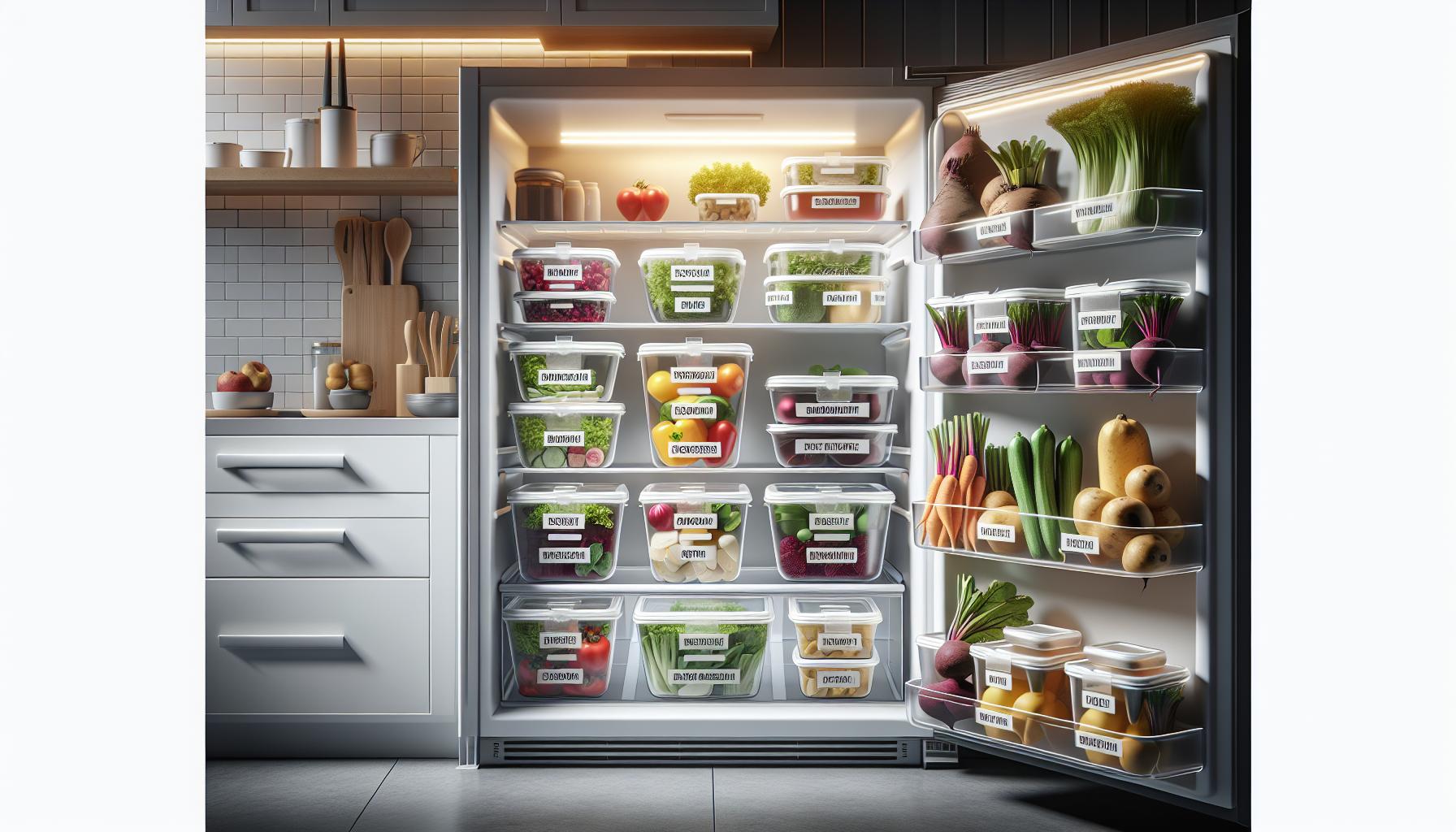
How Long Can Cooked Beets Last in the Refrigerator?
Cooked beets are a versatile and nutritious ingredient, perfect for meal prep and side dishes. Once prepared, the key to maximizing their shelf life lies in proper refrigeration techniques. Typically, cooked beets can last in the refrigerator for about 3 to 5 days when stored correctly. To ensure freshness, it’s essential to place them in an airtight container. This not only helps to preserve the beets’ natural flavors but also prevents them from absorbing other odors present in the fridge.
When storing cooked beets, consider using glass containers with tight-fitting lids or high-quality plastic containers specifically designed for food storage. To further maintain their quality, allowing the beets to cool completely before sealing can prevent condensation buildup, which may lead to spoilage. Additionally, labeling the containers with the date of cooking can help you keep track of their freshness, making it easier to consume them within the safe timeframe.
It’s important to check for signs of spoilage after a few days in the fridge. If you notice any off-odors, changes in color, or a slimy texture, these are indicators that the beets have gone bad and should be discarded. Keeping these guidelines in mind will ensure that your cooked beets remain safe to eat while enabling you to enjoy their flavor and health benefits throughout the week.
Optimal Storage Conditions for Cooked Beets
To keep cooked beets fresh and flavorful, it’s essential to provide the right storage conditions. Beets, known for their vibrant color and nutritional value, can be easily spoiled if not stored correctly. The ideal environment for storing cooked beets is cool and dry, with minimal exposure to air. This preservation enables you to extend their shelf life while also retaining their delicious taste and health benefits.
Using airtight containers is critical for proper storage. Glass containers with tight-fitting lids are particularly effective as they create a seal that protects against moisture and air, which can speed up spoilage. If opting for plastic, ensure that the containers are high-quality and specifically designed for food storage. Before sealing, it’s advisable to let the cooked beets cool completely; this practice prevents condensation, which can promote mold growth and deterioration.
Additionally, labeling your containers with the date of cooking can significantly help in managing freshness. Aim to consume stored cooked beets within 3 to 5 days. Always ensure that your refrigerator maintains a consistent temperature below 40°F (4°C), as fluctuations can lead to faster spoilage. By adhering to these optimal storage conditions, you can enjoy your cooked beets at their best while minimizing food waste.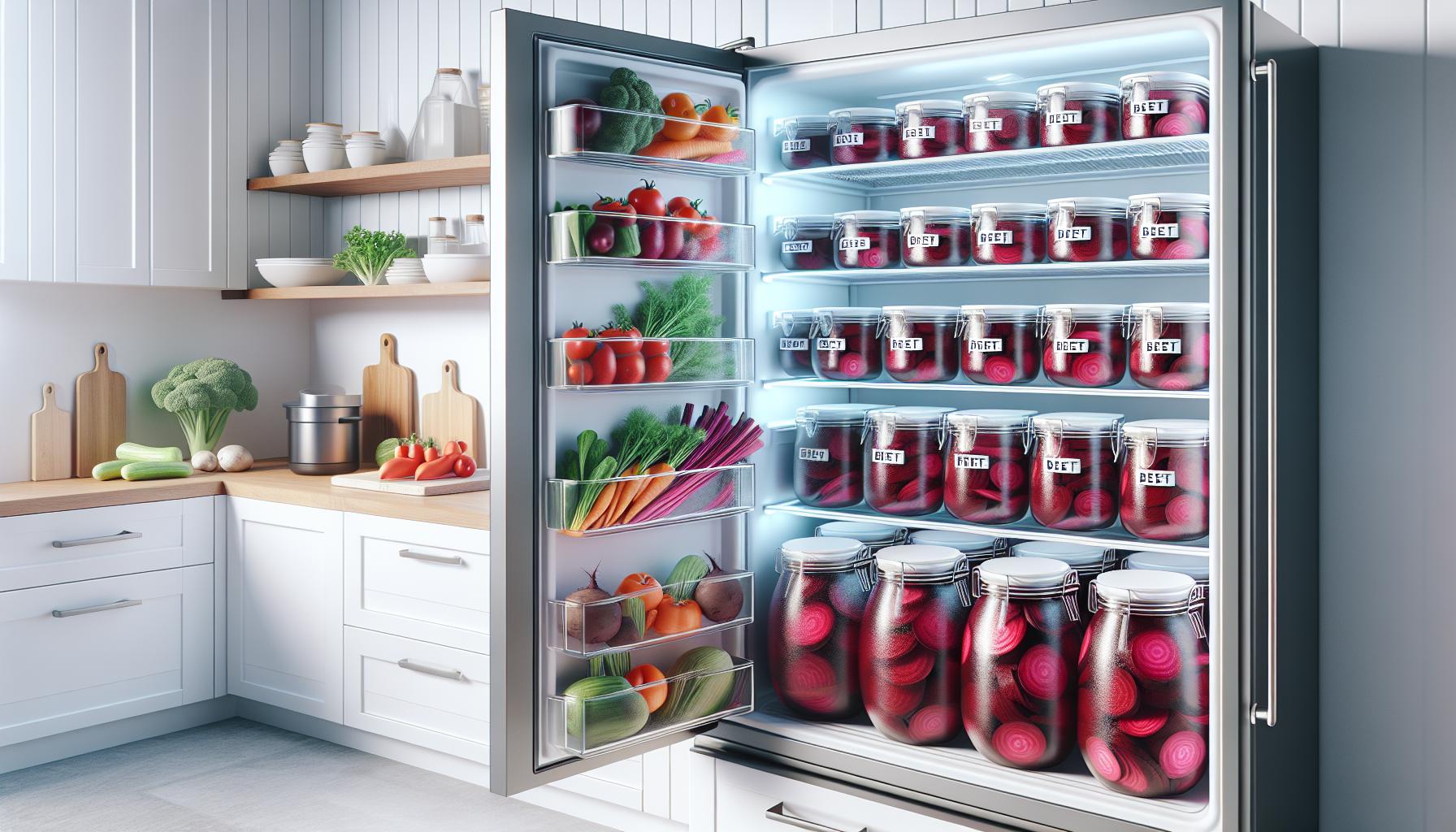
Signs That Cooked Beets Have Spoiled
Determining whether cooked beets have spoiled is crucial for maintaining food safety and enjoying their nutritional benefits. Signs of spoilage in cooked beets can be subtle, but recognizing them early ensures that you can avoid any potential health risks.
The first indication that your cooked beets may be past their prime is a change in appearance. Freshly cooked beets have a vibrant, deep red color. If you notice that they appear dull, discolored, or have dark spots, it could be a sign of spoilage. Additionally, any slimy texture or excessive moisture on the surface is a red flag that the beets have started to deteriorate.
Another key aspect to consider is the smell. Cooked beets should have a mildly earthy aroma. If they emit an off-putting or sour scent, it signifies that microbial growth may have begun, indicating that they are no longer safe to eat. Lastly, it’s important to consider the timeline; if you’ve stored your cooked beets for more than five days, it’s wise to err on the side of caution and discard them, even if they don’t show other signs of spoilage.
In summary, regularly inspecting your cooked beets for changes in color, texture, and smell, as well as adhering to storage timeframes, will help ensure that you consume them safely and enjoy their full flavor and health benefits. Always trust your senses, and when in doubt, throw it out!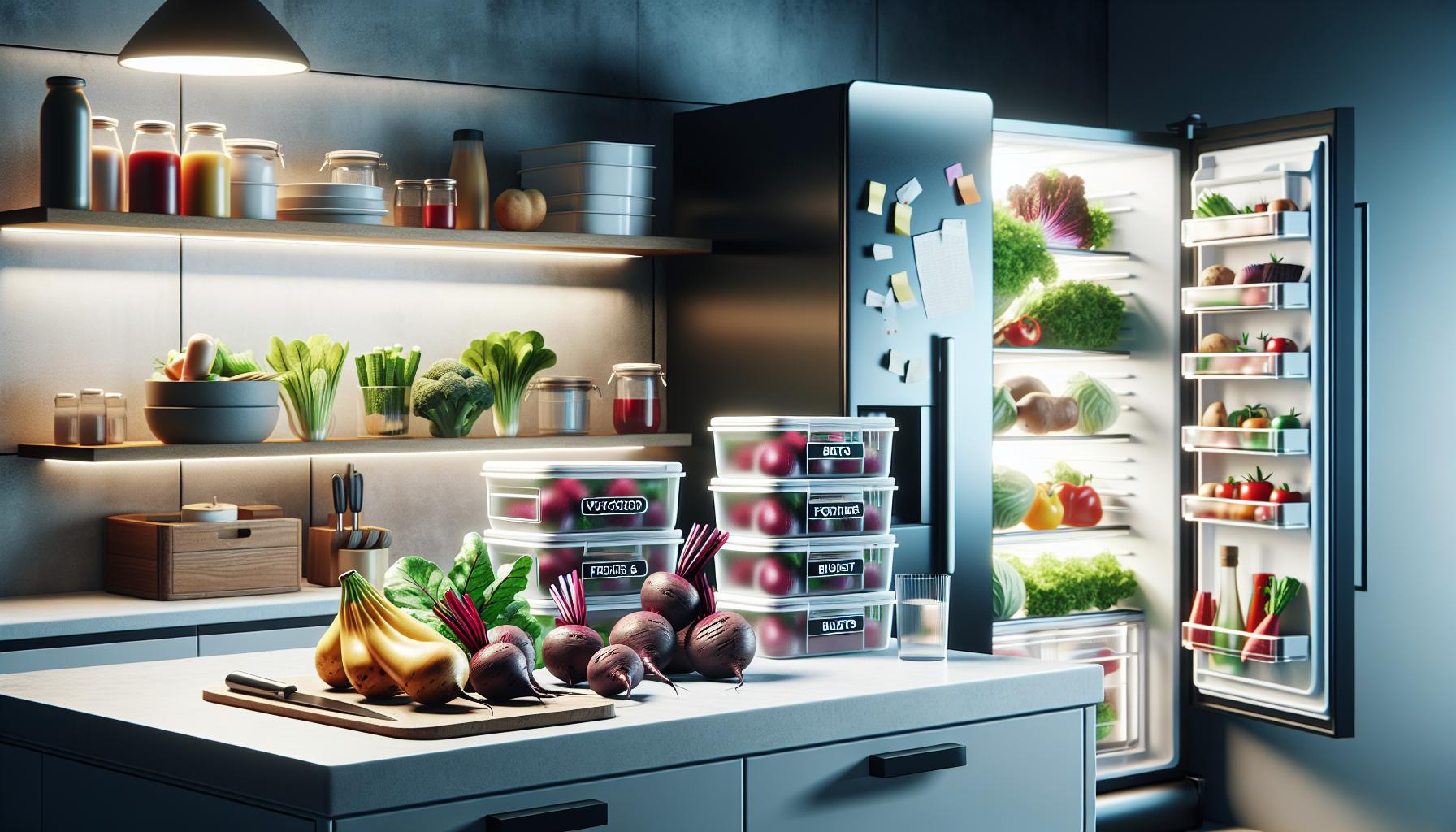
Best Practices for Refrigerating Cooked Beets
To ensure that cooked beets maintain their freshness and nutritional quality in the refrigerator, it’s essential to follow some best practices for storage. Cooked beets can last about five days when properly refrigerated, but implementing effective storage methods can help maximize their shelf life and prevent spoilage.
First and foremost, allowing cooked beets to cool to room temperature before refrigeration is crucial. Placing hot beets directly in the fridge can raise the temperature inside and create an environment conducive to bacterial growth. Once cooled, be sure to transfer them to an airtight container to safeguard against moisture and odor absorption from other foods. Clear glass or hard plastic containers are excellent choices, as they allow you to see what’s inside and keep your beets well-protected.
Maintaining a consistent refrigerator temperature of 40°F (4°C) or lower is also key. Use a refrigerator thermometer to monitor the temperature accurately, ensuring food safety and prolonging the shelf life of your cooked beets. Additionally, try to store the beets towards the back of the refrigerator, where temperatures tend to be most stable, rather than in the door where fluctuations can occur.
Another valuable tip is to label containers with the date of storage. This simple practice not only helps you keep track of freshness but also allows you to use cooked beets strategically throughout the week. If you’re unable to consume them within a few days, consider freezing them for longer storage – cooked beets freeze well and can retain their quality for up to a year when properly packaged. Always remember to portion them out before freezing for easy use later.
By following these , you can enjoy their flavor and health benefits while minimizing waste and ensuring food safety.
Freezing Cooked Beets: A Comprehensive Guide
Freezing cooked beets is an excellent way to extend their shelf life beyond the few days they can stay fresh in the refrigerator, allowing you to enjoy their flavor and health benefits at your convenience. Cooked beets can last up to one year in the freezer if stored correctly, making them a fantastic option for meal prepping or reducing food waste.
To get started, it’s important to let the cooked beets cool completely before freezing. This prevents excess moisture buildup in the packaging, which can lead to freezer burn. After cooling, peel the beets and slice or cube them for easier portioning. Use airtight freezer bags or containers designed for freezing; removing as much air as possible from the bags before sealing will help maintain the quality of the beets. It’s highly recommended to label the containers with the date of freezing to keep track of their freshness.
When you’re ready to use your frozen beets, there are a couple of methods for thawing them. For a quick thaw, you can place the desired amount of beets in a bowl of cold water. Alternatively, for a gentler approach, transfer them to the refrigerator the night before you plan to use them. This gradual thawing helps maintain their texture and flavor. When it comes to incorporating thawed beets into dishes, they can be easily added to salads, smoothies, or roasted vegetables, enhancing your meals with their vibrant color and natural sweetness.
By following these guidelines, you can enjoy the deliciousness and nutritional benefits of cooked beets long after you initially prepare them, making meal planning less stressful and more versatile.
How to Revive Leftover Cooked Beets
Reviving leftover cooked beets can transform what might seem like a monotonous dish into an exciting culinary experience. If you’ve found some cooked beets lingering in your refrigerator, don’t fret! They can be easily revitalized to enhance their flavor and texture. Properly stored cooked beets can last up to a week in the refrigerator, but even beyond this timeframe, you can breathe new life into them with a few simple techniques.
To invigorate leftover cooked beets, consider reheating them gently. There are multiple methods to achieve this:
- Sautéing: Slice the beets and toss them in a non-stick pan with a small amount of olive oil over medium heat. Adding a dash of salt and pepper can awaken their natural sweetness.
- Microwaving: Place sliced or cubed beets in a microwave-safe dish. Add a splash of water, cover loosely, and microwave on high for 1-2 minutes until heated through. Stir halfway for even heating.
- Roasting: Preheat your oven to 375°F (190°C). Cut the beets into wedges, toss them with oil and your favorite herbs, and roast for about 15-20 minutes until warmed and slightly crisped.
If the beets have dried out slightly, adding some moisture can also help. Consider dressing them with a squeeze of lemon juice or a drizzle of balsamic vinegar right before serving, which will not only revitalize the flavor but also give them a refreshing zing. For those who enjoy adding textures, tossing the warmed beets into salads or mixing them with grains like quinoa can elevate a meal while providing nutritional benefits.
By employing these simple methods, leftover cooked beets can be properly revived, ensuring that they remain delicious and worthy of your culinary efforts. Enjoy experimenting with flavors and textures to make the most of your cooked beets while minimizing food wastage.
Creative Ways to Use Leftover Cooked Beets
Leftover cooked beets are not just a second-rate side dish; they hold the potential to elevate various culinary creations. With their earthy sweetness and vibrant color, these versatile root vegetables can be transformed into numerous dishes that delight both the palate and the eye. From salads to dips, the possibilities are endless!
One of the simplest yet most elegant ways to use cooked beets is by incorporating them into salads. Slice or dice the beets and combine them with fresh greens, goat cheese, and walnuts for a refreshing salad. A drizzle of balsamic vinaigrette can enhance their natural sweetness while adding a tangy contrast. You can also blend cooked beets into a smoothie for a nutritional boost. Their mild flavor melds well with fruits like bananas and berries, providing a vibrant color without overpowering the taste.
For a more adventurous option, consider transforming cooked beets into a flavorful hummus. Simply blend cooked beets with chickpeas, tahini, lemon juice, garlic, and a dash of cumin until smooth. This unusual twist on a classic dip not only provides a beautiful, vibrant hue but also adds extra nutrients and fiber to your snacks. Serve it with pita chips or fresh vegetables for a deliciously healthy appetizer.
Additionally, roasted beetroot can make an excellent accompaniment to grains or proteins. Toss warmed cooked beets with quinoa or farro, adding herbs like parsley or mint and tossing in some feta cheese for added creaminess. They can also be paired with grilled chicken or fish, enhancing your meals both nutritionally and aesthetically. By thinking creatively and experimenting with flavors, you can easily integrate leftover cooked beets into your meals, ensuring you make the most of their delightful taste and vibrant color while maximizing shelf life.
Nutritional Benefits of Cooked Beets and Storage Impact
Cooked beets are a nutritional powerhouse, packed with vitamins and minerals that contribute to overall health. When stored properly, they can maintain their nutritional value for up to one week in the refrigerator. Rich in dietary fiber, manganese, potassium, iron, and vitamins A and C, beets not only support heart health but also aid in digestion and enhance immunity. Their vibrant red color comes from betalains, which possess antioxidant properties that can help combat oxidative stress and inflammation in the body.
Storing cooked beets properly is essential to preserving their nutritional benefits. It’s crucial to allow them to cool completely before refrigerating them in a tightly sealed container. This helps prevent moisture loss and maintains the beets’ texture and flavor. If stored correctly, cooked beets can last about 5-7 days in the refrigerator. Beyond this timeframe, they may begin to lose their nutrients and can develop off-flavors or spoilage.
To maximize the shelf life of cooked beets, consider freezing them if you don’t plan to consume them within a week. Freezing can significantly prolong their storage time, allowing you to enjoy this nutritious vegetable for up to a year. Simply blanch the cooked, diced beets for a couple of minutes, cool them in an ice bath, and then package them in airtight freezer bags. By understanding how storage impacts the nutritional quality of cooked beets, you can ensure that they not only remain safe to eat but also retain their health benefits, enriching your meals long after they’ve been prepared.
Safety Guidelines for Storing Beets
To keep your cooked beets fresh and safe for consumption, adhering to proper storage guidelines is essential. Cooked beets can harbor bacteria that might not only spoil the beets but could also pose health risks if consumed. It is crucial to cool beets properly before refrigerating. Allow them to reach room temperature and place them in a shallow container; this accelerates cooling, reducing the time they spend in the temperature danger zone (between 40°F and 140°F), where bacteria thrive.
When storing cooked beets, a tightly sealed container is key. This minimizes exposure to air and moisture, which can lead to spoilage or freezer burn if you choose to freeze them later. Here are some vital storage practices:
- Refrigeration: Store cooked beets in the refrigerator at or below 40°F (4°C) and consume them within 5-7 days to ensure safety and flavor.
- Freezing: If you need to store cooked beets for longer, freeze them within two hours of cooking. Ensure they are in airtight containers or freezer bags, removing as much air as possible to prevent freezer burn. Properly frozen cooked beets can last up to a year.
- Check for Spoilage: Always inspect the beets before consumption. Look for changes in texture, off odors, or discoloration as indicators of spoilage.
In addition, it’s important to consider meal prep practices; keep cooked beets separate from uncooked foods to avoid cross-contamination. Regularly check the refrigerator temperature with a thermometer to ensure that it remains at safe levels. Implementing these safety guidelines will help you enjoy your cooked beets while maintaining their quality and nutritional integrity.
Common Mistakes When Storing Cooked Beets
Storing cooked beets can be deceptively simple yet filled with pitfalls that might lead to spoilage or a decline in quality. One of the most common mistakes is neglecting to cool the beets sufficiently before refrigerating them. Allowing them to sit at room temperature for too long can create an ideal environment for bacteria to flourish. Always aim to let cooked beets cool down to room temperature, and place them in shallow containers to expedite the cooling process. This practice ensures they spend minimal time in the temperature danger zone.
Another frequent error is using improperly sealed containers. Airtight containers are crucial for preserving freshness and preventing the beets from absorbing odors from other foods. A common oversight is leaving containers only loosely covered or improperly sealed, which can lead to freezer burn if the beets are frozen later. Be sure to press any air out of resealable bags or ensure that lids are tightly fitted before storing.
It’s also important to forget about the fridge’s temperature. Cooked beets should be maintained at or below 40°F (4°C). Regularly check your refrigerator with a thermometer to confirm it is at the correct temperature. Relying solely on the appliance’s settings can lead to fluctuations that could jeopardize food safety.
Finally, many people underestimate the shelf life of cooked beets. While they remain safe for consumption for roughly 5-7 days when refrigerated, they may lose flavor and texture beyond this timeframe. To maximize quality, label storage containers with the date of cooking so that you can easily track how long they have been stored. By avoiding these common mistakes, you can enjoy your cooked beets longer while ensuring they remain tasty and safe to eat.
Tips for Meal Prepping with Cooked Beets
Meal prepping with cooked beets can elevate your dishes while ensuring you maximize their freshness and nutritional value. These vibrant vegetables are not only packed with essential vitamins and minerals, but they are also incredibly versatile, making them a perfect candidate for meal prep. To get the most out of your cooked beets, consider these practical tips that will help maintain their quality and enhance your culinary creations.
First and foremost, store your cooked beets in airtight containers to preserve their freshness and avoid unwanted odors from other foods. It’s beneficial to slice or cube the beets before storing them, as it allows for quicker cooling and easier incorporation into meals later. By portioning them into meal-sized servings, you facilitate both organization and accessibility during busy weekdays. Remember to label containers with prepared dates to keep track of their freshness. Cooked beets generally last 5-7 days in the refrigerator, so plan your meals accordingly-this timeframe ensures you consume them at their peak taste and quality.
When incorporating cooked beets into your meal prep, think about their unique flavor profile. They can be roasted, pureed, or added to salads, smoothies, and grain bowls, providing a nutritional boost and a delightful burst of color. To further enhance their longevity and flexibility, consider freezing cooked beets. After cooling, wrap them tightly in freezer-safe bags, removing as much air as possible to prevent freezer burn. These frozen beets can last up to 8-12 months and are easily thawed for use in soups, stews, or as side dishes, making them an excellent staple for your meal prep.
Lastly, include cooked beets in various recipes to keep your meals exciting and prevent monotony. Try incorporating them into hummus or as a topping for avocado toast, or mix them with grains and spices for hearty bowls. By exploring different culinary uses, you’ll not only appreciate the versatility of beets but also ensure you’re making the most out of your meal prep efforts. With these strategies, you’ll maximize both the shelf life and the enjoyment of your delicious cooked beets.
FAQ
Q: How can I tell if cooked beets are spoiled?
A: Cooked beets are spoiled if they exhibit a bad odor, slimy texture, or discoloration. Always check for any signs of mold. If in doubt, it’s safer to discard them. For more on spotting spoilage, refer to the section on signs of spoiled beets.
Q: Can cooked beets be left out overnight?
A: Cooked beets should not be left out at room temperature for more than two hours. This can promote bacterial growth, making them unsafe to eat. Always refrigerate promptly after cooking.
Q: How should I store cooked beets to maximize freshness?
A: To maximize freshness, store cooked beets in an airtight container in the refrigerator. This prevents moisture loss and exposure to odors. For optimal preservation guidance, check the optimal storage conditions section.
Q: Is it safe to reheat cooked beets?
A: Yes, it is safe to reheat cooked beets. Make sure they are heated to at least 165°F (74°C) to ensure they are safe to eat. For best results, reheat only the portion you plan to consume.
Q: How long do cooked beets stay good in the freezer?
A: Cooked beets can last in the freezer for up to 10-12 months if stored properly in airtight containers or freezer bags. For further details, see the freezing cooked beets section.
Q: Do cooked beets lose nutrients when stored?
A: While cooked beets retain most of their nutrients when stored properly in the refrigerator, some vitamin content may diminish over time. It’s best to consume them within a week for optimal health benefits.
Q: What are some tips for meal prepping cooked beets?
A: For meal prepping, cook and cool beets completely before storing. Cut them into portions and store in airtight containers. This makes them easy to use in salads or as sides throughout the week. Refer to the meal prepping section for more tips.
Q: Can you drink beet juice made from cooked beets after a few days?
A: Yes, beet juice made from cooked beets can be kept in the refrigerator for up to 3 days. Make sure it is stored in a tightly sealed container. However, freshness and taste will decline over time. For safe storage practices, see the safety guidelines section.
In Conclusion
To keep your cooked beets fresh and delicious for as long as possible, remember that proper storage is key; they can last in the refrigerator for up to a week when stored correctly. If you’re unsure about any signs of spoilage, it’s best to err on the side of caution. For more tips on maximizing the freshness of other vegetables, check out our guide on “Vegetable Storage Tips” and don’t miss our article on “Understanding Food Safety Basics” for comprehensive advice.
As you enjoy your beets, consider signing up for our newsletter to receive the latest tips and recipes delivered straight to your inbox. Share your favorite beet recipes or storage hacks in the comments below, and invite friends to explore our content too. Your health and culinary adventures matter, so let’s keep cooking safely and creatively!