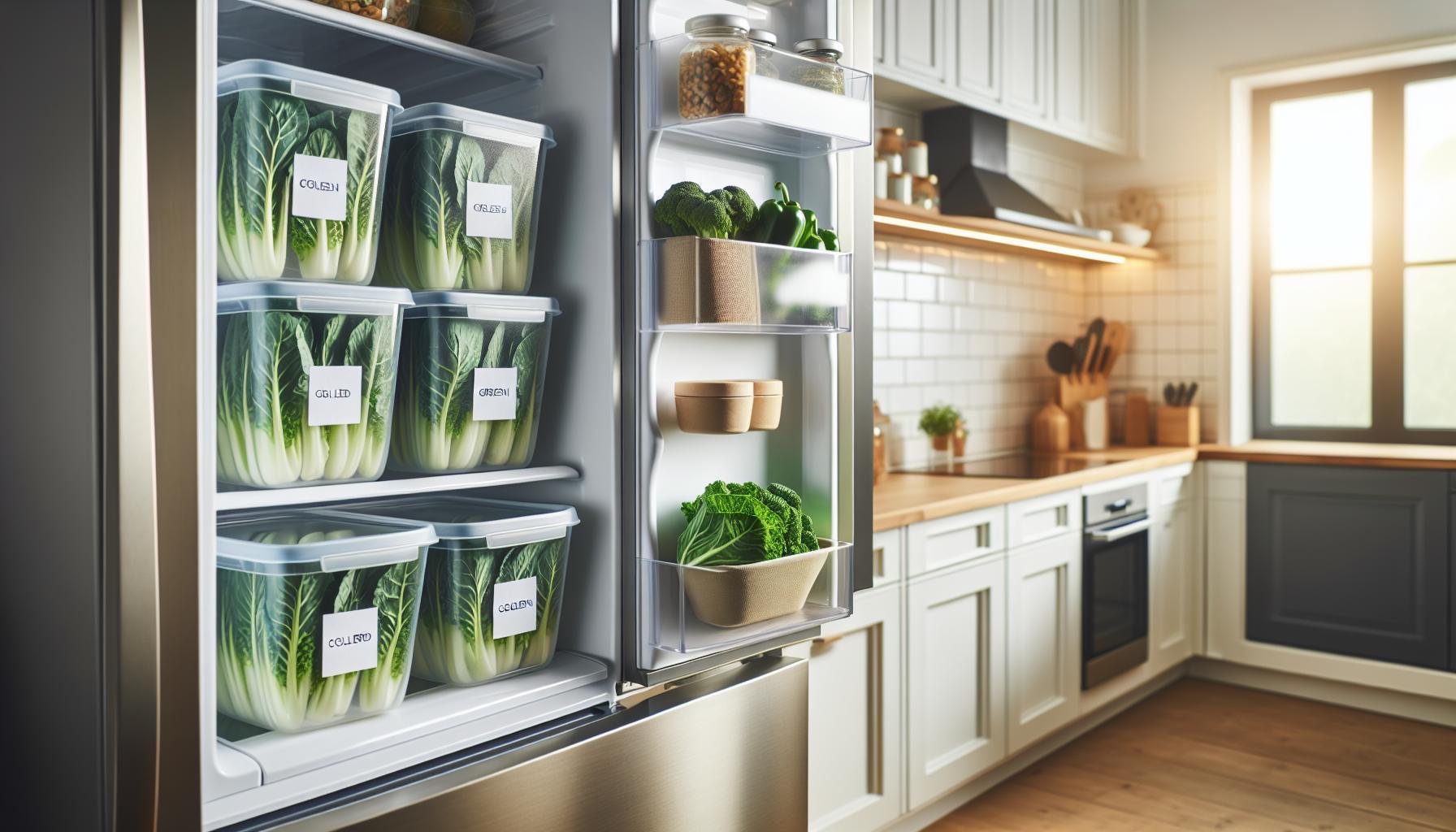
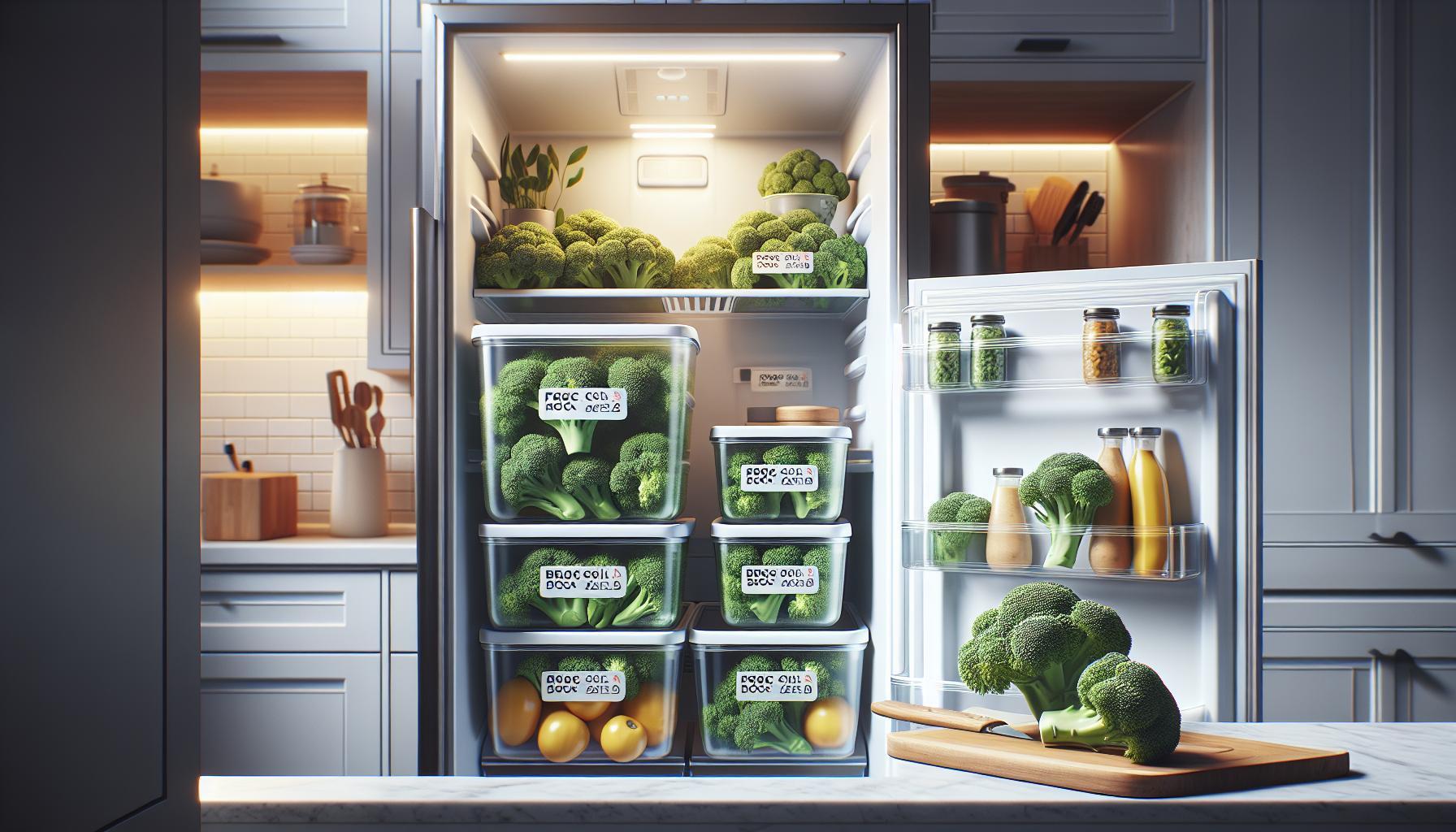
Did you know that properly stored broccoli can last up to five days in the refrigerator and even longer if you freeze it? This vibrant vegetable is not only a nutritional powerhouse but also a staple in many kitchens. However, many struggle with keeping it fresh and crisp after bringing it home from the store. Understanding how long broccoli lasts and how to store it effectively can help you reduce food waste and enjoy its numerous health benefits.
In this article, we’ll explore essential tips for maximizing the shelf life of your broccoli, ensuring you get the most out of this versatile vegetable. Whether you’re a cooking enthusiast or just looking to keep your fridge organized, knowing how to store broccoli safely will enhance your culinary experience while safeguarding your health. Continue reading to uncover practical storage methods and insights into extending the freshness of your broccoli.
How Long Can Broccoli Stay Fresh in the Fridge?
Properly stored broccoli can stay fresh in the fridge for about 3 to 5 days. To ensure you maximize its freshness, it’s essential to understand how to store it correctly. Fresh broccoli is best kept unwashed, as excess moisture can lead to quicker spoilage. Storing broccoli in the vegetable crisper drawer of your refrigerator helps maintain the ideal humidity levels needed for its longevity.
To keep your broccoli fresher for longer, place it in a loose plastic bag or wrap it loosely in plastic wrap, allowing for some airflow. This method prevents the buildup of moisture while still providing protection from the fridge’s cold air. Alternatively, you can use a microperforated plastic bag, which is designed to maintain humidity without trapping excess moisture, effectively prolonging freshness.
Regularly checking your broccoli is important; any signs of wilting or yellowing should be addressed promptly. If you notice a few florets starting to yellow, you can still salvage the rest if they appear green and firm. Remember, temperature fluctuations due to frequent opening of the fridge may also affect how long your broccoli lasts, so try to minimize how often you access the crisper drawer. Taking these simple yet effective storage measures can help you enjoy that fresh, crunchy broccoli well into the week.
Understanding the Ideal Storage Conditions for Broccoli
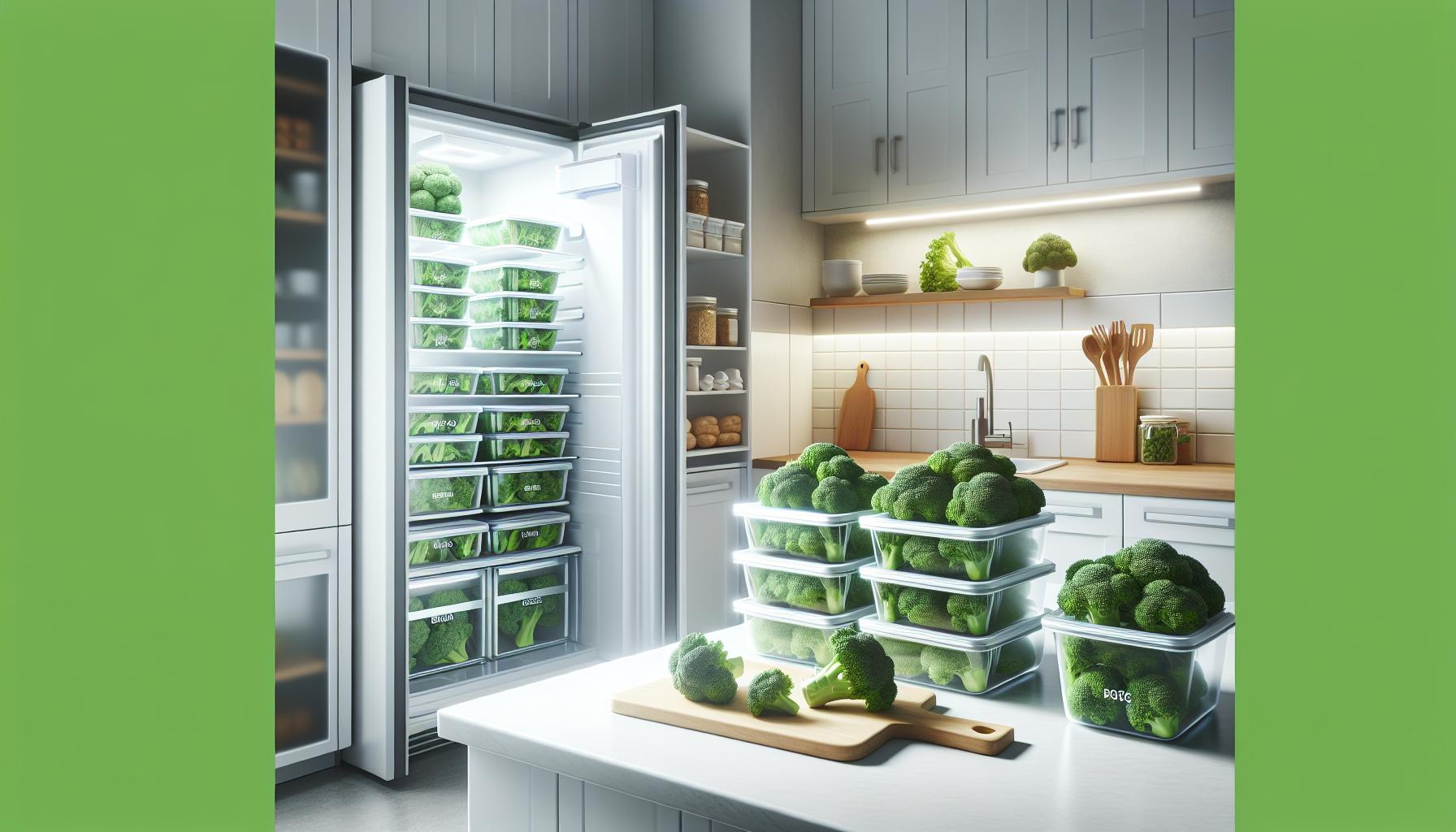
To keep broccoli fresh for as long as possible, understanding its ideal storage conditions is crucial. Broccoli thrives in a controlled environment that maintains balanced humidity and temperature. The vegetable’s sensory features-its vibrant green color and crisp texture-indicate its freshness and are best preserved under specific conditions.
When storing broccoli, aim for a temperature of approximately 32°F to 35°F (0°C to 1.6°C), which is commonly found in the crisper drawer of your refrigerator. This cooler area helps slow down the vegetable’s respiration and aging processes. Additionally, broccoli benefits from a certain level of moisture, but excess moisture can lead to spoilage. Therefore, it’s advisable to keep fresh broccoli unwashed prior to storage to prevent any added moisture from accelerating deterioration.
Regarding packaging, one effective method is to place the broccoli in a loose plastic bag that allows for airflow. This approach prevents the accumulation of moisture while still providing sufficient protection from the cold air inside the fridge. For even better performance, consider using a microperforated bag, which strikes a balance between humidity retention and moisture escape-essential for prolonging freshness. Alternatively, wrapping the broccoli in damp paper towels and then placing it in a plastic bag can also help maintain the ideal balance of moisture without making it soggy.
Lastly, regular monitoring is key. Inspect the broccoli for any signs of spoilage, such as wilting, yellowing, or a slimy texture. Promptly removing and discarding any affected parts can help rescue the remaining healthy florets, allowing you to enjoy this nutritious vegetable for several days. By adhering to these storage principles, you can optimize the shelf life of your broccoli and enjoy its nutritional benefits for as long as possible.
Signs of Spoiled Broccoli: What to Look For
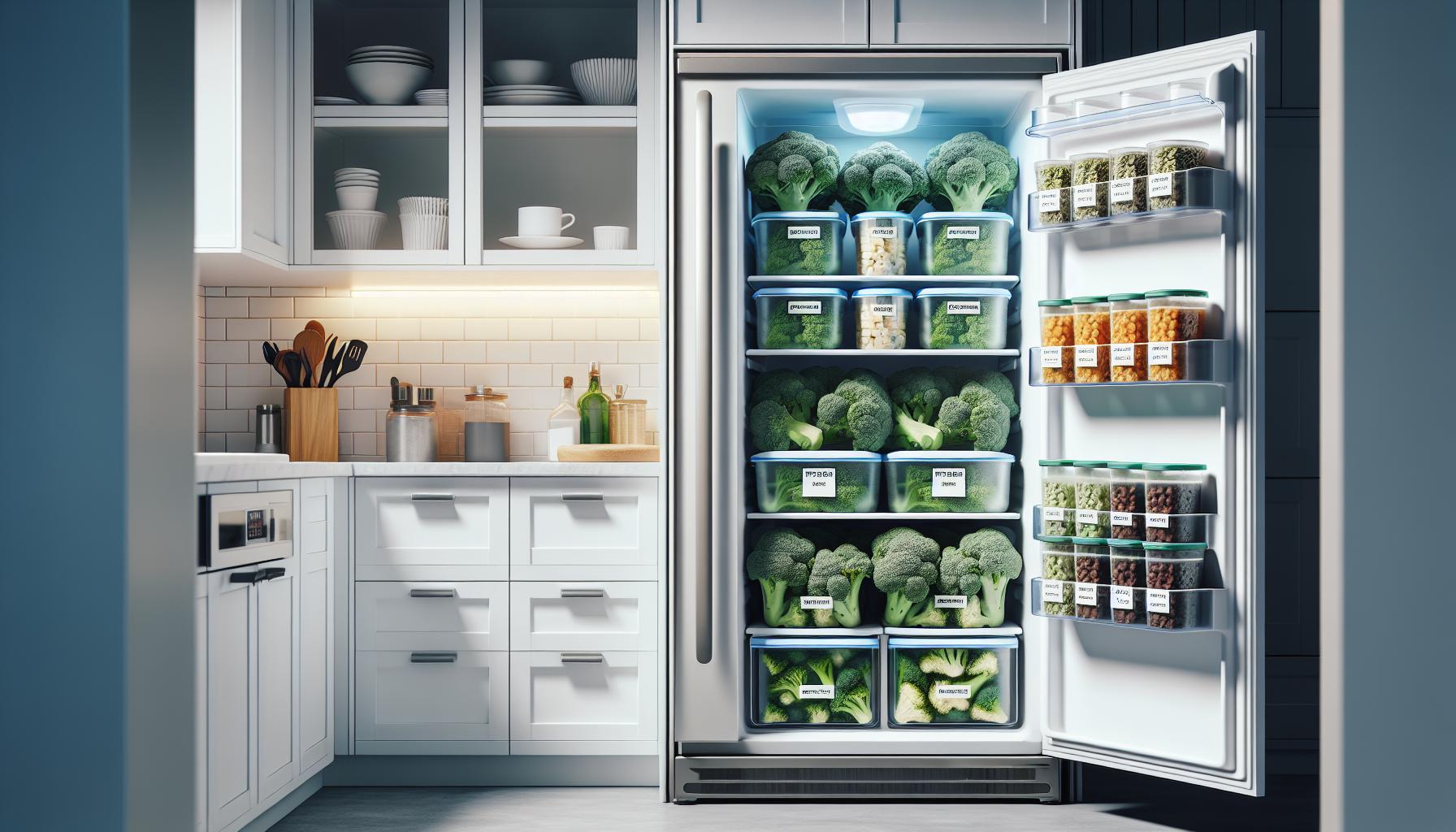
To ensure you serve the best quality broccoli from your fridge, it’s essential to recognize the signs of spoilage before you prepare it for your meal. Fresh broccoli should exhibit a vibrant green color and a firm texture, but various indicators can suggest it has begun to go bad.
One of the most noticeable signs is the discoloration of the florets. If you see yellowing or browning at the tips, it’s an indication that the broccoli is aging and potentially losing its nutritional value. Additionally, the stalks should be crisp. If they feel mushy or have developed a slimy film, it is a clear sign of spoilage and you should discard the affected parts.
Another crucial aspect to check is the smell. Fresh broccoli has a mild, earthy scent, while spoiled broccoli often gives off an unpleasant odor that may signal decay. If there’s an off smell, it’s best to err on the side of caution and throw it away.
Lastly, be mindful of any wilting in the leaves. While broccoli can lose some firmness over time, if the leaves are excessively wilting or shriveling, this can indicate that it’s no longer fresh. To prolong its life, regularly inspect your stored broccoli for these signs and be proactive about consuming it before it spoils. By doing so, you not only enjoy the peak flavors and textures of this nutritious vegetable but also avoid unnecessary waste.
Top Tips for Keeping Broccoli Fresh Longer
To maximize the freshness of your broccoli and extend its shelf life in the fridge, there are several essential strategies you can employ. Proper storage not only preserves the vegetable’s vibrant color and crisp texture but also helps maintain its nutritional integrity.
One vital tip is to keep broccoli unwashed until you’re ready to use it. Excess moisture can promote mold growth and spoilage, so it’s best to store it dry. When preparing to store, place the broccoli in a perforated plastic bag or a breathable container to allow for proper air circulation while still providing some protection. This method helps regulate moisture levels while keeping the environment conducive to freshness.
Additionally, storing broccoli in the vegetable crisper drawer of your refrigerator is ideal. This drawer maintains a slightly higher humidity level compared to the rest of the fridge, which is beneficial for retaining the broccoli’s moisture without leading to condensation buildup. Aim to consume your freshly stored broccoli within three to five days for optimal freshness.
For longer storage, freezing is an excellent option. Blanch broccoli before freezing to deactivate enzymes that could affect taste and texture. Once blanched, cool the broccoli quickly in ice water, drain, and then pack it into airtight containers or bags, removing as much air as possible to prevent freezer burn. This method allows you to enjoy your broccoli for up to six months without significant loss in flavor or nutrients.
Implementing these tips will ensure that your broccoli remains delicious and nutritious, allowing you to enjoy it as a staple in your meals while minimizing waste.
Best Practices for Washing and Preparing Broccoli
To maintain the freshness and crispness of broccoli, understanding the washing and preparation process is crucial. Broccoli, like many vegetables, can harbor dirt and microorganisms, making proper washing a necessary step before consumption. Begin by placing the broccoli under cool running water; the cool temperature helps preserve its bright color and nutrients. Gently rub the florets and stems to remove any dirt or residue, especially in the crevices. For added assurance, soak the broccoli in a solution of water and vinegar (1 part vinegar to 3 parts water) for about five minutes to help dislodge any pests or lingering dirt, then rinse thoroughly.
Once washed, it’s essential to prepare broccoli properly for cooking or storage. If you’re planning to eat it soon, cut the broccoli into uniformly-sized pieces to ensure even cooking. Use a sharp knife to trim the stems slightly, as tougher parts can be fibrous. For those stocking up for later use, consider blanching. This method involves briefly boiling the broccoli, followed by plunging it into ice water to stop the cooking process. Blanching not only helps to lock in color and nutrients but also enhances the texture, making it a great candidate for freezing.
When it comes to storing prepared broccoli, always ensure it’s dry before placing it in a storage container. Use air-tight containers or reusable silicone bags to minimize exposure to air, which can cause oxidation and speed up spoilage. Ideally, consume fresh broccoli within three to five days for peak quality. If you’ve blanched the broccoli for freezing, it can last up to six months without significant nutrient loss, offering you a great way to enjoy this nutritious vegetable long after its harvest. Remember to label your containers with dates to keep track of freshness.
These practices not only enhance the flavor and texture of broccoli but also align with food safety standards, helping you enjoy this green powerhouse in a healthy way.
Storing Broccoli: Airtight Containers vs. Plastic Wrap
For keeping broccoli fresh in the refrigerator, the choice between airtight containers and plastic wrap can significantly impact its quality and longevity. When properly stored, broccoli can typically remain fresh for about three to five days. However, how you choose to contain it plays a crucial role in extending that timeframe.
Airtight containers are designed to create a seal that minimizes exposure to air, helping to prevent moisture loss and oxidation. When you store broccoli in a well-ventilated airtight container, you protect it from environmental factors that can accelerate spoilage. This option not only helps to maintain the crispness of the florets and stems but also minimizes the risk of the broccoli absorbing odors from other foods in the fridge. For optimal results, ensure that any broccoli you place in a container is completely dry and avoid overcrowding, which can lead to bruising and faster decay.
On the other hand, while plastic wrap is a popular method for wrapping fresh vegetables, it can be less effective for broccoli. Plastic wrap tends to trap moisture, which can promote mold growth and lead to mushy textures. However, if you choose to use plastic wrap, it’s advisable to wrap the broccoli loosely. This method allows for some airflow, reducing the risk of excess moisture accumulation. Still, it’s generally recommended to use airtight containers for the best preservation.
Overall, the best practice for storing broccoli in the refrigerator is to utilize airtight containers for their superior protective qualities. Implementing this storage method will not only keep your broccoli fresh longer but also enhance your cooking experience by maintaining its crisp texture and vibrant color.
Freezing Broccoli: A Step-by-Step Guide
To enjoy broccoli well beyond its fridge lifespan, freezing is a remarkably effective method to preserve both its flavor and nutritional value. When done correctly, this process can extend the shelf life of broccoli for several months, allowing you to enjoy its vibrant taste and benefits at your convenience. Here’s a comprehensive guide to freezing broccoli step by step.
Start by selecting fresh, vibrant broccoli. Choose heads that are dark green with tightly packed florets, avoiding any that show signs of yellowing or wilting. Once you’ve selected your broccoli, wash it thoroughly under cold water to remove any dirt or potential pesticide residues.
Next, blanch your broccoli to preserve its color and texture during freezing. Prepare a large pot of boiling water and add the broccoli. Blanch for about 3 minutes, ensuring that the broccoli remains crisp. Immediately after, plunge the broccoli into a bowl filled with ice water. This quick transition halts the cooking process, helping to lock in color and nutrients. Leave it in the ice water for the same amount of time it was blanched, then drain it thoroughly.
Once the broccoli is cooled and drained, it’s time to package it for freezing. Transfer the blanched broccoli to airtight freezer bags or containers. For optimal storage, remove as much air as possible from the bags before sealing, as this minimizes freezer burn. Label each bag or container with the date to keep track of how long it’s been stored. Broccoli can be kept in the freezer for up to 10 to 12 months, although it’s best used within the first six months for optimal taste.
When you’re ready to use your frozen broccoli, there’s no need to thaw it beforehand. You can cook it directly from frozen by steaming, sautéing, or adding it to soups and casseroles. This method not only saves you time in preparation but also ensures that your broccoli retains its vibrant color and nutritional benefits when served. Adopting these effective freezing techniques allows you to minimize waste and enjoy the fresh taste of broccoli long after the harvest.
How to Revive Wilting Broccoli: Simple Techniques
If you’ve ever opened the fridge to find a head of broccoli looking a bit limp and tired, you might be wondering if it’s still salvageable or if it belongs in the compost. Fortunately, reviving wilting broccoli is not only possible but also quite simple. With just a few straightforward techniques, you can restore some crunch and freshness, allowing you to enjoy this nutritious vegetable before it loses its potential entirely.
One effective method to rejuvenate wilting broccoli is to give it a cold water bath. Start by filling a large bowl with ice water and submerging the broccoli for about 30 minutes. The cold water helps rehydrate the florets and revive their crispness. After soaking, gently shake off excess water and place the broccoli upright in a jar with a little water at the bottom, much like you would with flowers. Cover the top loosely with a plastic bag and store it in the fridge. This creates a humid environment that helps maintain its texture for a longer period.
Another technique is steaming the broccoli lightly, which can also help rejuvenate it. Heat a small amount of water in a pot, and when it’s steaming, place the wilted broccoli in a steaming basket above the water, cooking it for just a few minutes. This quick steaming process not only restores some moisture but also enhances the vibrant green color, making it look more appealing. Be careful not to overcook, as you don’t want it to become mushy.
Utilizing these techniques not only helps in restoring broccoli but also minimizes waste, allowing you to enjoy this versatile vegetable. Keeping broccoli crisp can enhance its culinary use, whether it’s in salads, stir-fries, or as a standalone side dish. Remember to always store it properly to prolong its life in your fridge – ideally wrapped loosely in a plastic bag or in a container that allows for some air circulation, which can also help prevent wilting in the first place. With these simple strategies, you can make the most out of your broccoli and keep it fresh and delicious for days!
Nutritional Impact of Improper Storage
The nutritional value of broccoli can significantly diminish if not stored properly. This cruciferous vegetable is packed with essential vitamins, minerals, and antioxidants, but improper handling can lead to nutrient loss and spoilage. For instance, when broccoli is exposed to air and moisture for extended periods, it not only wilts but also becomes a breeding ground for bacteria and mold, which can degrade its overall quality and safety.
Keeping broccoli in the fridge can extend its freshness, typically up to five days when properly stored. However, if it’s left in a plastic bag that traps moisture or if it’s forgotten in the vegetable drawer for a longer duration, the nutrients can begin to decline. Vitamin C, a crucial antioxidant found abundantly in broccoli, is particularly sensitive to heat, light, and air. Studies indicate that prolonged exposure to these factors can lead to a reduction in vitamin content, with losses more pronounced in overcooked or overly stored broccoli.
To maximize the nutritional benefits and ensure safety, store broccoli in a breathable container. Options like perforated plastic bags or wrapped loosely in a damp paper towel help maintain optimal moisture levels without creating a damp environment. Moreover, consider the timing of your consumption; using broccoli within a few days of purchase not only ensures better taste and texture but also retains more of its health benefits.
In summary, taking care to store broccoli correctly is essential for preserving its nutritional integrity. By keeping it cool, dry, and well-ventilated, you can enjoy its full spectrum of vitamins and minerals while minimizing waste and food safety concerns.
Creative Ways to Use Leftover Broccoli
Broccoli is not only a nutritional powerhouse but also a versatile ingredient, making it easy to incorporate into a variety of dishes, even when it’s starting to slightly wilt or lose its crispness. Getting creative with leftover broccoli not only minimizes waste but also adds flavor and nutrition to your meals. Here are some delightful ways to utilize those leftover florets:
1. Broccoli Stir-Fry
One of the simplest and fastest ways to use up leftover broccoli is to add it to a stir-fry. Pair it with your choice of protein such as chicken, tofu, or shrimp, and toss in a mix of colorful vegetables. A flavorful sauce made with soy sauce, garlic, and ginger can elevate the dish. Just sauté everything together in a hot pan for a few minutes, and you’ll have a delicious meal ready in no time.
2. Creamy Broccoli Soup
Transform wilted broccoli into a comforting soup. Start by sautéing onions and garlic in a pot, then add chopped broccoli and vegetable or chicken broth. Simmer until the broccoli is tender, then blend until smooth. Stir in a splash of cream or a dollop of Greek yogurt for added richness. This soup is perfect for a cozy evening and is a great way to enjoy the nutrients of broccoli.
3. Broccoli Frittata
Leftover broccoli can easily be mixed into eggs for a nutritious frittata. Whisk eggs with a splash of milk, and stir in chopped broccoli along with other vegetables, cheese, and seasonings of your choice. Pour the mixture into a preheated skillet and cook until set. This dish is perfect for breakfast, brunch, or even a light dinner.
4. Broccoli Salad
Refresh slightly wilted broccoli by turning it into a crunchy salad. Combine with ingredients like chickpeas, nuts, dried cranberries, and a tangy vinaigrette for a balanced and flavorful dish. Incorporating nuts such as almonds or walnuts not only adds texture but also boosts the healthy fat content of the meal.
By utilizing these creative ideas, you can ensure that no part of your broccoli goes to waste, while also enhancing your meals with its nutritional benefits. Remember, leftover broccoli is still packed with fiber and vitamins, making it a valuable addition to your culinary repertoire. With just a little imagination, those dried-out florets can shine brightly in your next meal.
Common Myths About Broccoli Storage Debunked
It’s a common misconception that all vegetables require the same storage techniques, but broccoli has its own specific needs to stay fresh. One prevalent myth is that washing broccoli before storing it in the fridge is ideal. In reality, excess moisture can lead to rapid spoilage. It’s best to store broccoli unwashed and only rinse it just before cooking or consuming to maintain its crispness and longevity. For optimal freshness, broccoli generally lasts about 3 to 5 days in the fridge when stored correctly, depending on its freshness at the time of purchase.
Another myth revolves around the idea that all parts of broccoli must be stored together. In fact, separating the florets from the stem can enhance its shelf life. The stems can stand up to moisture better than the delicate florets. Consider storing them separately in a breathable bag or wrapping them in a damp paper towel to keep them hydrated yet not soggy.
Additionally, some believe that plastic wrap is the best option for broccoli storage. While it can be used, it’s more effective to place broccoli in a perforated plastic bag or a container with ventilation. This setup allows for proper airflow, mimicking the conditions found in the fresh produce section of the grocery store and further preventing moisture accumulation.
Lastly, a myth persists that cooking broccoli before refrigerating it will prolong its shelf life. While cooked broccoli can last 3 to 5 days in the fridge, it’s often better enjoyed fresh. If you do have leftovers, ensure they are in an airtight container to prevent them from drying out or absorbing other odors in the refrigerator. By debunking these myths and following best practices, you can keep your broccoli fresh longer, maximizing both its taste and nutritional benefits.
Faq
Q: How long does fresh broccoli last in the fridge?
A: Fresh broccoli typically lasts about 3 to 5 days in the fridge when stored correctly. To maximize freshness, keep it unwashed and stored in a perforated plastic bag in the vegetable crisper drawer, which provides the right humidity and circulates air.
Q: What is the best way to store cut broccoli?
A: To store cut broccoli, place it in an airtight container with a damp paper towel. This moisture helps maintain crispness, and the container prevents exposure to air, which can cause wilting. Consume the cut broccoli within 2 to 3 days for optimal freshness.
Q: Can broccoli be stored in water?
A: Yes, broccoli can be stored in water to maintain crispness. Trim the stems and place the broccoli upright in a jar or bowl with about an inch of water. Cover it loosely with a plastic bag and refrigerate. Change the water every few days to keep it fresh.
Q: How can you tell if broccoli is still good to eat?
A: Fresh broccoli should be bright green and firm with tightly closed florets. Signs of spoilage include yellowing, soft spots, a strong odor, or wilting. If you notice any of these, it’s best to discard it.
Q: What temperature should broccoli be stored at in the fridge?
A: Broccoli should be stored at a temperature between 32°F and 40°F (0°C and 4°C) in the refrigerator. Keeping it in the crisper drawer helps maintain optimal humidity and temperature for freshness.
Q: Is it safe to eat broccoli that has turned yellow?
A: While yellow broccoli is not necessarily dangerous to eat, it indicates that the vegetable is past its peak freshness. If it’s mostly yellow or has soft spots, it’s best to discard it for the best quality and taste.
Q: Should broccoli be washed before storing?
A: It’s best not to wash broccoli before storing, as moisture can promote mold growth and spoilage. Instead, wash it just before consumption to ensure it stays fresh longer.
Q: How can I freeze broccoli for long-term storage?
A: To freeze broccoli, first blanch it in boiling water for 2-3 minutes, then quickly cool it in ice water. Drain well, pack it in airtight containers or freezer bags, and store in the freezer. Properly frozen, broccoli can last up to a year while retaining its nutrients.
Insights and Conclusions
Thank you for exploring how long broccoli lasts in the fridge and the best tips for keeping it crisp. Remember, storing broccoli properly can extend its freshness for up to a week, ensuring you enjoy all of its nutritional benefits. If you have other questions about food storage or want to learn about the best methods for preserving other veggies, check out our guides on “The Best Way to Store Veggies” and “How to Keep Your Greens Fresh Longer.”
Don’t miss out on more valuable tips-subscribe to our newsletter for regular updates and expert advice on food safety! Have you tried any of these tips yet? Share your experiences in the comments below, or join our community on social media to discuss more ways to enhance your cooking and storage techniques. We’re here to help you make the most of your kitchen!