
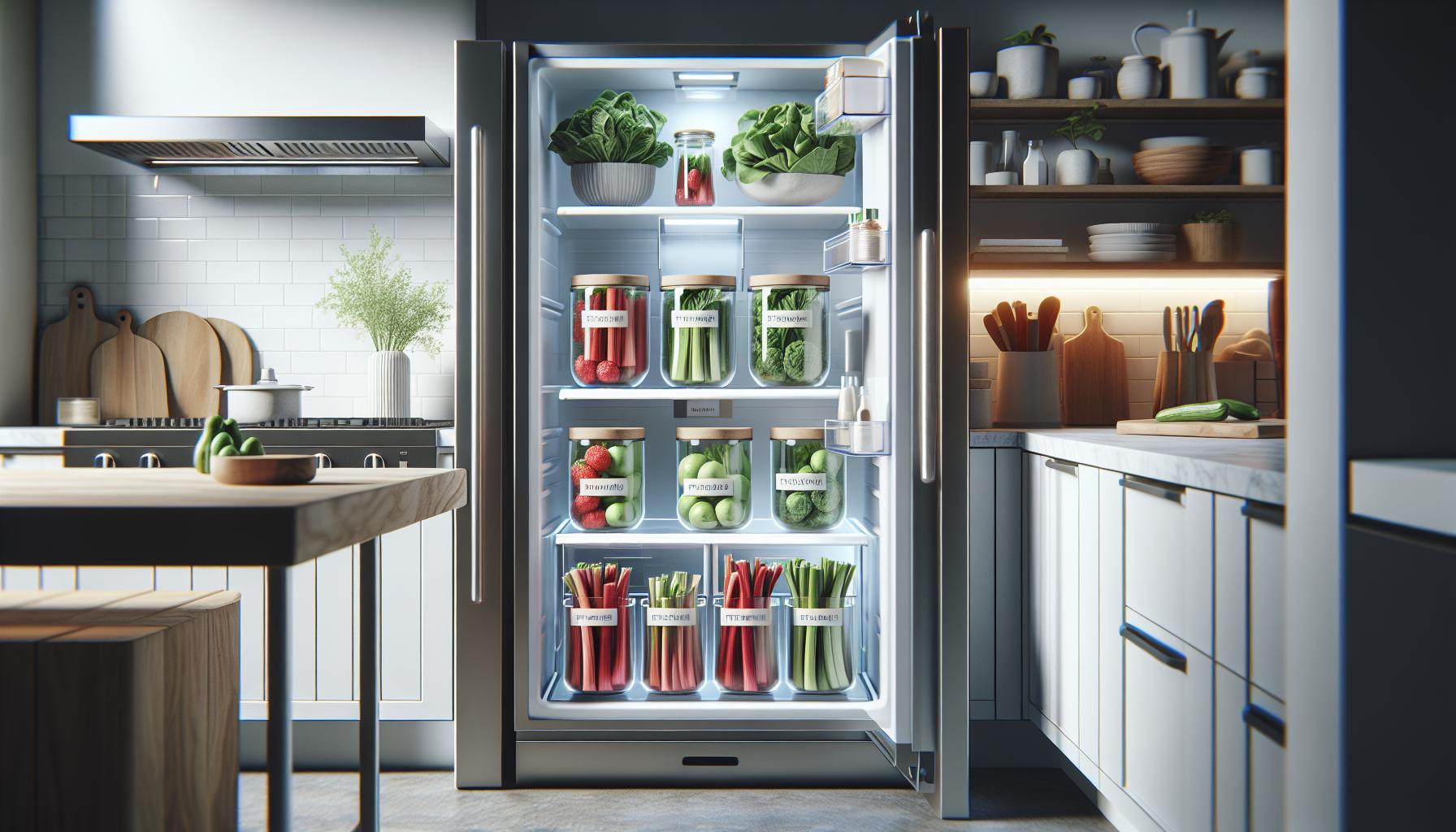

Rhubarb is a delightful yet often underappreciated vegetable that can add a unique tartness to your culinary creations. However, knowing how long rhubarb can last in the fridge is crucial to maximizing its freshness and flavor. On average, fresh rhubarb can maintain its quality for about 1 to 2 weeks when stored correctly in your refrigerator.
Imagine opening your fridge only to find your rhubarb has wilted or gone bad before you had a chance to use it. By understanding proper storage methods, you can enjoy this vibrant ingredient at its best, whether for a pie, jam, or simply sautéed as a side dish. Dive into this guide to learn effective tips for keeping your rhubarb fresh longer and making the most of your harvest.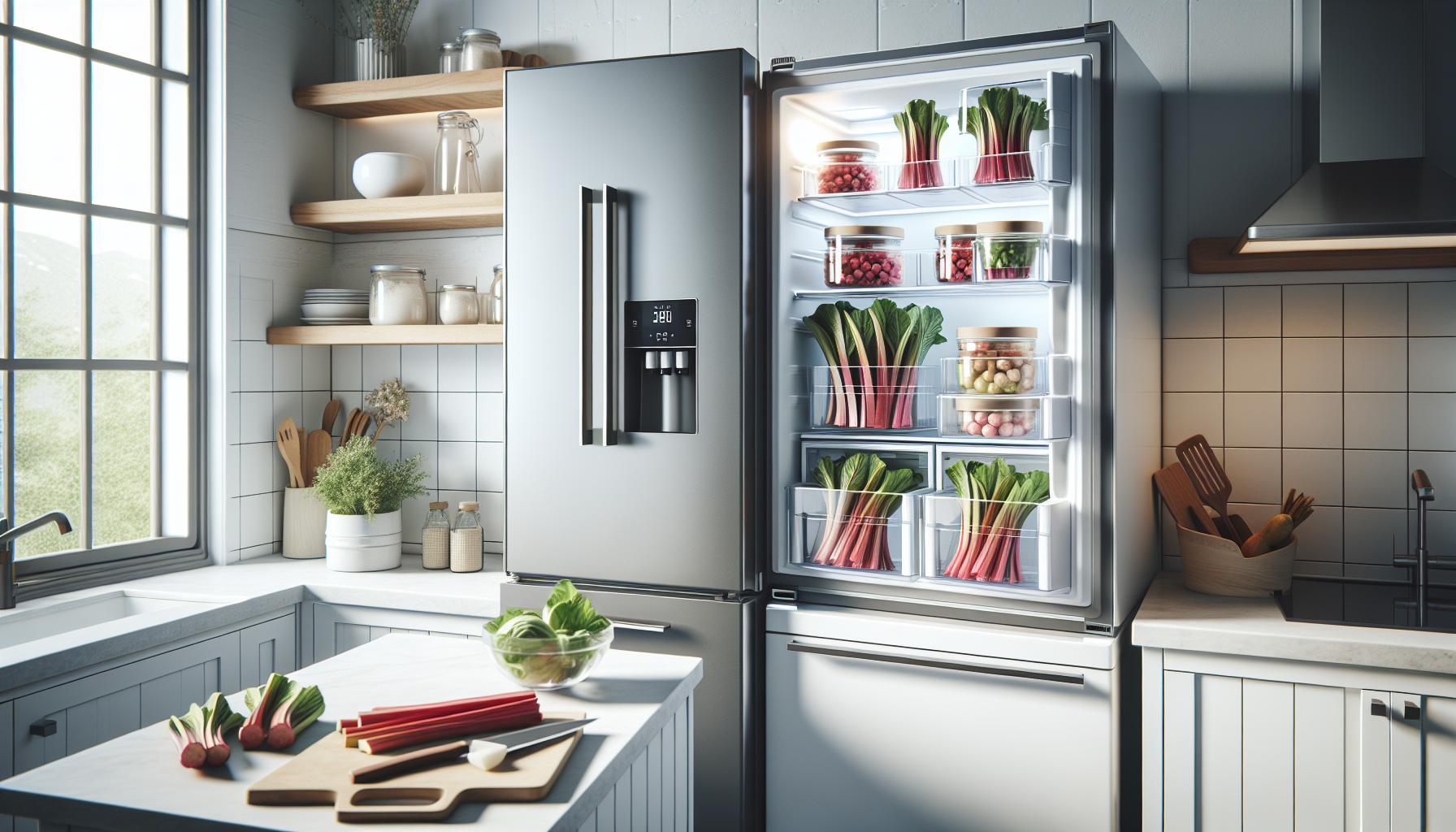
How Long Can Rhubarb Stay Fresh in the Fridge?
Rhubarb is a vibrant vegetable that, when stored properly, can stay fresh in your fridge for about 1 to 2 weeks. This duration can vary based on how well you prepare and store the rhubarb before placing it in the refrigerator. To maximize freshness, it is advisable to keep the rhubarb unwashed and wrapped loosely in plastic wrap or placed in a sealed bag, which helps maintain moisture while preventing it from becoming soggy. Always store it in the crisper drawer, designed to keep fruits and vegetables fresh.
When assessing the freshness of rhubarb in the fridge, a few key indicators can help determine if it’s still good to eat. Fresh rhubarb should have firm, crisp stalks and vibrant colors-either deep red or bright green, depending on the variety. If the stalks start to become limp, discolored, or develop a mushy texture, it’s time to toss them out. Keep an eye out for any signs of mold or excessive wilting, as these too indicate spoilage.
To ensure optimal storage conditions, keep your fridge temperature set to around 32°F to 40°F (0°C to 4°C). This range helps maintain the crispness of rhubarb while slowing down any decay processes. If you don’t plan on using the rhubarb within a week or so, consider cooking or freezing it to extend its shelf life further and to preserve its flavor for future use.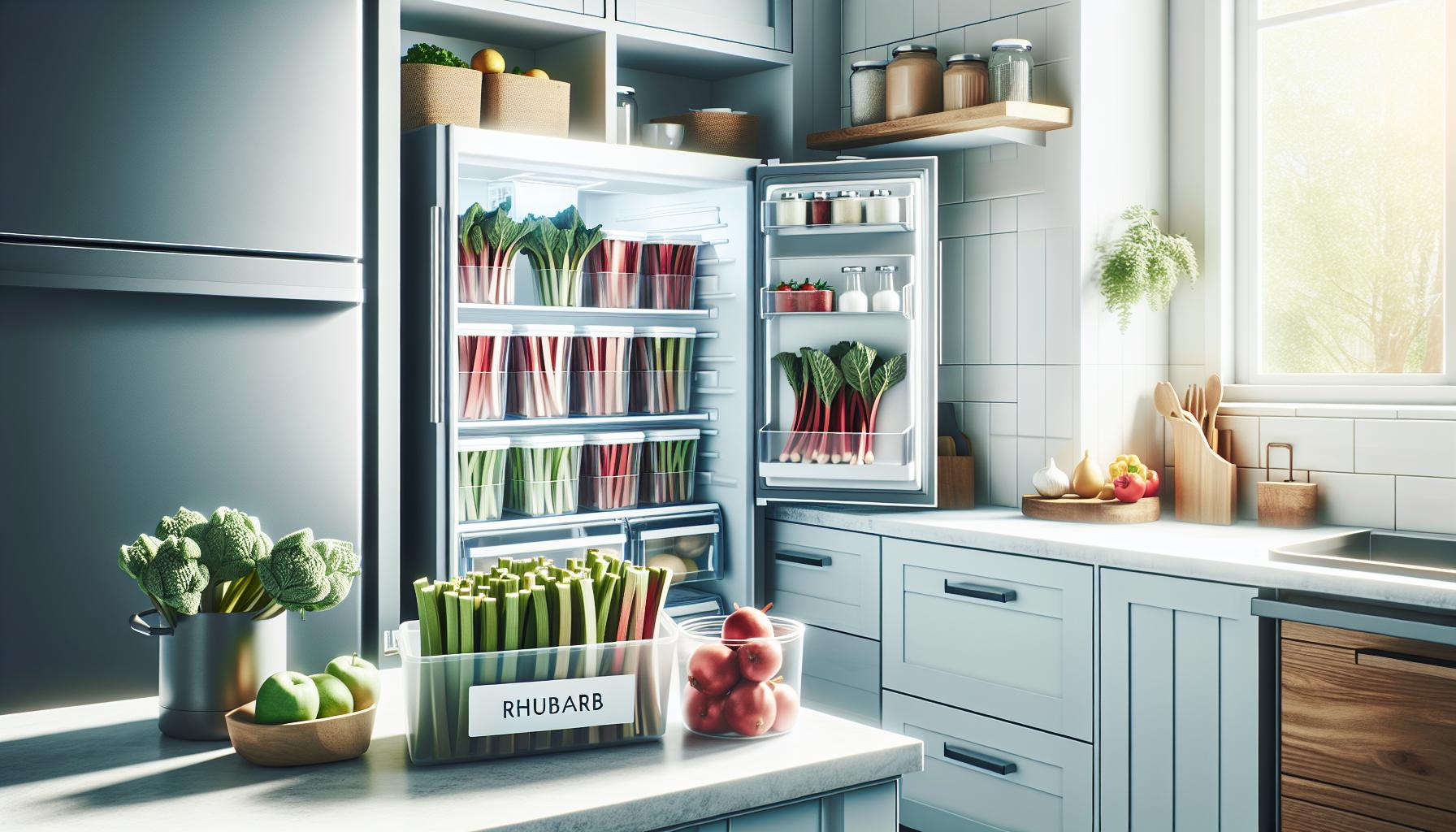
Signs of Spoilage: When to Toss Rhubarb
Rhubarb is a versatile ingredient in many kitchens, but knowing when it has passed its prime is crucial for both safety and flavor. To ensure you keep your culinary creations delicious, it’s important to recognize the signs that indicate it’s time to toss your rhubarb. Fresh rhubarb should always appear vibrant and firm, but over time, even when stored correctly, it can begin to deteriorate.
When examining your rhubarb, pay close attention to the color and texture. Ideal stalks should have a firm, crisp quality with a rich hue-either deep red or bright green, depending on the variety. If you notice any stalks turning dark, developing a brownish hue, or exhibiting a mushy texture, these are clear signals of spoilage. Additionally, limp stalks that no longer hold their shape or integrity should be discarded as their quality has significantly decreased.
Mold is another major red flag; if any visible mold appears on the surface of the stalks, it’s best to err on the side of caution and dispose of the rhubarb entirely. Excessive wilting or an off-putting smell are additional indicators that your rhubarb has seen better days. Keeping these signs in mind will help you use rhubarb at its peak freshness, ensuring your recipes taste their best and are safe to consume.
In summary, maintaining vigilance about rhubarb’s appearance can extend its usability. Always check for firmness, color, and any signs of mold every few days, particularly if your rhubarb has been in the fridge for over a week. Following these practical tips will enhance your culinary experience, allowing for delicious dishes that showcase the vibrant flavors of fresh rhubarb.
Best Practices for Storing Rhubarb
Fresh rhubarb is a seasonal delight, often celebrated for its tart flavor and culinary versatility, but its perishability demands proper handling for maximum freshness. Understanding how to store rhubarb correctly can significantly extend its life in your fridge, keeping those vibrant stalks ready for your favorite recipes. By adopting a few straightforward practices, you can ensure your rhubarb remains crisp and flavorful far longer than if left to its own devices.
To start, always remove the leaves immediately after purchasing rhubarb. The leaves are not only toxic but also draw moisture from the stalks, hastening deterioration. Once the leaves are gone, wash the stalks with cold water to remove any dirt, but refrain from cutting or peeling them until you’re ready to use them. After washing, wrap the unwashed stalks in a damp paper towel and place them inside a perforated plastic bag or container in your fridge’s crisper drawer. This method allows for optimal airflow while retaining the necessary moisture, helping to keep the rhubarb from wilting.
Storage Timeframes: Under these ideal conditions, fresh rhubarb can last up to one to two weeks. However, it’s a good practice to check regularly for any signs of spoilage. If you notice moisture build-up inside the bag, replace the paper towel and bag to prevent mold growth, which can occur in overly humid environments.
For longer storage, consider freezing the rhubarb. This requires cleaning, cutting, and blanching it for a couple of minutes before placing it in freezer bags with as much air removed as possible. When properly frozen, rhubarb can last up to 12 months, allowing you to enjoy its unique flavor beyond the growing season. By following these simple yet effective storage techniques, you can extend the life of your rhubarb and ensure your recipes maintain their bright and tangy essence.
The Ideal Temperature for Rhubarb Preservation
Maintaining the right temperature is crucial for prolonging the freshness of rhubarb. Ideally, freshly harvested rhubarb should be stored in the refrigerator, with the recommended temperature set between 32°F to 36°F (0°C to 2°C). This cool environment slows the respiration rates of the stalks, helping to retain their texture and flavor. The crisper drawer is usually the perfect spot, as it provides higher humidity and a stable temperature-both essential for preventing the stalks from wilting.
To further enhance the effectiveness of your storage, consider the conditions inside your refrigerator. It’s beneficial to keep the fridge well-organized, ensuring the air can circulate around the rhubarb without interference from other items. Avoid storing rhubarb next to ethylene-producing fruits like apples and bananas, as these can accelerate spoilage. Instead, give your rhubarb its space, wrapped as recommended, to hug its natural crispness for as long as possible.
When distressing temperatures occur-such as a family barbecue or an outdoor gathering leading to fridge door openings-it’s wise to check on your rhubarb. Sudden temperature fluctuations can lead to condensation, promoting mold growth. Also, if your fridge tends to run on the warmer side, consider a refrigerator thermometer to confirm it remains in that optimal range. Proper vigilance in temperature management can keep rhubarb fresh for one to two weeks, maximizing your enjoyment and reducing waste.
How to Prep Rhubarb for Maximum Freshness
To preserve the vibrant flavor and crisp texture of rhubarb, proper preparation is essential from the moment you bring it home. Start by selecting fresh stalks that are firm and smooth, avoiding any that are wilted or bruised. Once you’ve made your selection, rinse the rhubarb under cold water to remove dirt or residue, which also helps to refresh its appearance. After rinsing, gently pat the stalks dry with a clean towel.
When it comes to trimming, remove any leaves and discard them, as these can be toxic when ingested. Cut the rhubarb into manageable pieces, usually around 1-inch segments, to make it easier to store and use later. If you plan to freeze it for long-term storage, consider blanching the stalks briefly in boiling water for about one minute, followed by an ice bath to stop the cooking process. Blanching not only preserves color and flavor but also helps to maintain the nutritional value of the rhubarb during freezing.
For immediate storage in the fridge, wrap the trimmed rhubarb in a slightly damp paper towel, then place it inside a plastic bag or airtight container. This method helps maintain moisture without creating excess humidity, which can lead to spoilage. Store it in the crisper drawer where humidity levels are higher and temperatures more stable, allowing the rhubarb to maintain its freshness for up to two weeks. If you’ve prepped more than you can use, freezing is an excellent option. Ensure you label the storage container with the date to keep track of its freshness, as frozen rhubarb is best used within 12 months for optimal quality.
With these simple steps, you can maximize the freshness and flavor of rhubarb, ensuring that each bite retains its delightful tang whether you’re using it fresh in recipes or sweetening up your winter dishes with frozen reserves.
Can You Freeze Rhubarb? Tips and Tricks
Freezing rhubarb is an excellent way to extend its shelf life and ensure you can enjoy this versatile vegetable long after its peak season. Properly frozen, rhubarb maintains its vibrant flavor and nutritional value, making it a fantastic ingredient for pies, jams, and a variety of savory dishes later on. To maximize freshness and flavor when freezing, it’s important to follow some straightforward steps.
Begin with selecting fresh stalks-look for firm, crisp, and smooth pieces while discarding any that are wilted or bruised. Rinse them thoroughly under cold water to eliminate any dirt. The next crucial step is blanching the rhubarb: briefly submerge cut stalks in boiling water for about one minute. This process not only ensures food safety but also helps preserve the bright color and nutrients. Immediately transfer the blanched rhubarb to an ice bath to stop the cooking process. Once cooled, drain the water thoroughly.
For storage, cut the rhubarb into desired pieces, typically 1-inch segments, and then place them into airtight freezer bags or containers. Be sure to remove as much air as possible from the bags before sealing, as this helps prevent freezer burn. Label each package with the date to keep track of its freshness, since frozen rhubarb is best used within 12 months for optimal quality. Additionally, when you’re ready to use the frozen rhubarb, there’s no need to thaw it beforehand. You can directly add it to your recipes, whether you’re making a delicious pie or a tangy sauce.
Remember, while freezing does extend the shelf life of rhubarb, it’s still important to keep an eye on the condition of your frozen goods. Always check for signs of freezer burn or dehydration before use. With these tips and tricks, you can enjoy the delightful flavor of rhubarb all year round, adding a touch of tartness and brightness to your culinary creations.
The Impact of Rhubarb Varieties on Freshness
While many people enjoy rhubarb for its tart flavor and unique culinary possibilities, it’s essential to know that not all varieties of rhubarb have the same shelf life and freshness characteristics. Different varieties can affect how long your rhubarb stays fresh in the fridge, which can greatly influence your culinary plans and food waste.
Generally, the most common types of rhubarb are the green stalks and red stalks. Green rhubarb tends to be less sweet and more tart, while red varieties, such as the popular Victoria and Canada Red, are sweeter and often preferred for desserts. In terms of freshness:
- Green Varieties: These may have a slightly longer shelf life in the fridge due to their lower sugar content, which can make them less susceptible to spoilage. Typically, green stalks can remain fresh for about 5 to 7 days when properly stored.
- Red Varieties: While flavorful, these can spoil more quickly, usually within 3 to 5 days in the fridge, especially after being cut. Their higher sugar content encourages microbial growth, leading to a shorter shelf life.
It’s important to note that regardless of the variety, optimal storage conditions-such as cool temperatures and low humidity-can help prolong freshness. You can also enhance their longevity by storing rhubarb unwashed and wrapped in a damp paper towel within a plastic bag in the crisper drawer of your refrigerator. Disregarding the variety, if the stalks show signs of wilting, discoloration, or a mushy texture, it’s a clear indication that the rhubarb has reached the end of its shelf life and should be discarded.
Understanding these differences allows you to make more informed choices, whether you are a gardener harvesting from your own patch or a home cook purchasing rhubarb from a market. By selecting the right variety and employing proper storage techniques, you can enjoy the delightful flavor of rhubarb for days, maximizing its potential in your recipes.
Rhubarb Shelf Life: Unopened vs. Opened
Rhubarb’s shelf life can vary significantly depending on whether it is unopened or opened. When stored properly, unopened rhubarb can maintain its freshness for a longer duration compared to stalks that have already been cut or handled. If you purchase fresh rhubarb and keep it intact, it will typically last about 5 to 7 days in the fridge, especially when stored in a cool environment like the crisper drawer, ideally wrapped in a damp paper towel within a plastic bag to maintain humidity.
Once the rhubarb stalks are cut or opened, their perishability increases, primarily due to exposure to air and moisture loss. Opened rhubarb should generally be used within 3 to 5 days for optimal freshness. This is especially crucial for sweeter red varieties, which are more prone to spoilage. To maximize freshness after opening, ensure that the stalks are trimmed and wrapped tightly. Any exposed cuts should be minimized, as they promote microbial growth and spoilage, leading to a shorter shelf life.
Storage Tips for Each Stage
- Unopened Rhubarb: Store in a plastic bag, unwashed, to preserve moisture.
- Opened Rhubarb: Cut stalks should be wrapped tightly in plastic wrap or placed in an airtight container. Consider adding a damp paper towel to maintain humidity.
By paying attention to how you store rhubarb, you can enjoy its tart flavor without waste. Regular checks for signs of spoilage, such as wilting or a mushy texture, can help you determine when the rhubarb should be used or discarded. Understanding these differences and implementing effective storage practices can enhance your culinary experience with this versatile ingredient.
Creative Ways to Use Leftover Rhubarb
Rhubarb is a versatile ingredient that often surprises with its culinary potential. If you find yourself with leftover rhubarb, there are many creative ways to utilize it before it spoils. Not only can this reduce waste, but it also allows you to enjoy the unique tart flavor that rhubarb brings to dishes.
One of the simplest and most rewarding methods is to make a delicious rhubarb compote. Just chop the rhubarb stalks and cook them with sugar and a splash of water until they break down into a thick sauce. This compote can be served over yogurt, ice cream, or even pancakes for a delightful breakfast or dessert. If you’re looking to preserve the rhubarb for a longer period, consider canning the compote. Canned rhubarb can last for months, providing a tasty topping for many dishes all year round.
Another inventive way to use up leftover rhubarb is by adding it to savory dishes. Chopped rhubarb can be sautéed with onions and added to sauces, stews, or even as a filling for tacos or burritos. The tartness of rhubarb complements meats like pork or chicken beautifully, enhancing the overall flavor profile of your meal. Don’t overlook baking-rhubarb can be used in pies, crisps, or even savory galettes, blending well with strawberries or apples for a sweet contrast.
Additionally, consider incorporating rhubarb into smoothies or juices. When blended with fruits like strawberries, bananas, or even greens, rhubarb can add a refreshing tartness, making your drink not only tasty but also packed with nutrients. For those who enjoy cocktails, rhubarb-infused simple syrup can elevate beverages with a unique sweet-tart flavor.
Incorporating rhubarb into your meals doesn’t just add variety to your menu; it also maximizes the use of your leftovers, reducing waste and promoting sustainability in your kitchen. Explore the many possibilities that this tart vegetable offers and enjoy its zingy flavor in a multitude of creative dishes.
Understanding Rhubarb Safety: Handling and Storage
Rhubarb, with its vibrant stalks and tart flavor, can bring a zesty twist to various dishes, but it’s crucial to handle and store it safely to maximize both freshness and safety. First and foremost, proper preparation is a key step in ensuring rhubarb is safe for consumption. Always remove the leaves before storage, as rhubarb leaves contain toxic components, including oxalic acid, which can be harmful if ingested in significant quantities. Only the stalks should be eaten, and they should be washed thoroughly under cold water to remove any dirt or potential contaminants.
When it comes to storing fresh rhubarb, the refrigerator is the best environment. Store the stalks in a perforated or loosely closed food-safe plastic bag, which helps maintain moisture without trapping excess humidity that could cause spoilage. Ideally, fresh rhubarb will stay crisp and flavorful for about 1 to 2 weeks in the refrigerator. It’s best used sooner rather than later to enjoy its full flavor and nutritional benefits.
Monitoring for signs of spoilage is essential. Fresh rhubarb stalks should be firm and crisp, vibrant in color. If you notice wilting, softness, or a change in color, it may be time to discard them. Additionally, any signs of mold or an off odor are indicators that the rhubarb has gone bad and should not be consumed.
In terms of safety during preparation and storage, keep your work surfaces and utensils clean to avoid cross-contamination. Wash your hands before handling food to ensure no harmful bacteria are transferred to the rhubarb or any dish you intend to make. Employing these safe handling practices will help you enjoy the delightful tartness of rhubarb without compromising your health.
Maximizing Flavor: Cooking with Fresh Rhubarb
Cooking with fresh rhubarb can elevate your culinary creations, transforming dishes with its unique tartness. When you integrate this vibrant ingredient, you’ll not only benefit from its refreshing flavor but also from its nutritional properties. Utilized in both sweet and savory recipes, fresh rhubarb remains versatile, allowing you to experiment with flavors and cuisines. To truly maximize its potential, knowing how to prepare and cook with rhubarb effectively is essential.
One of the most popular methods of cooking with rhubarb is to make a classic rhubarb compote or sauce. By simmering chopped rhubarb with sugar and a splash of water, you create a delicious topping for desserts or a flavorful filling for pastries. For a balance of sweetness, consider adding fruits like strawberries or apples, which pair beautifully with rhubarb’s natural tartness. This compote can be served warm or cold, making it a flexible component for breakfast dishes like yogurt or oatmeal, or as a sweet accent for grilled meats.
Rhubarb can also be a fantastic addition to savory dishes. It complements proteins like pork or chicken, adding a tangy element that cuts through richness. Try roasting or grilling the stalks alongside your main dish, drizzled with olive oil, salt, and pepper for a refreshing side that brightens the plate. Additionally, incorporating rhubarb into a chutney offers a great way to preserve its flavor while extending its shelf life, allowing you to enjoy its taste well beyond the initial storage period.
When using fresh rhubarb, remember to taste as you go. Its tartness can vary depending on several factors, including the variety and season. Adjust the sweetness in your recipes accordingly to ensure a well-balanced dish. Properly cooking rhubarb will soften the stalks while enhancing their flavor, making them a delightful addition to both sweet and savory meals. Enjoy the thrill of creating with this unique ingredient and relish the flavors it brings to your table.
What Happens to Rhubarb When It Ages?
As rhubarb ages, its vibrant color and crisp texture begin to fade, which can significantly impact its culinary versatility. Fresh rhubarb typically maintains its best quality for about 1 to 2 weeks when stored correctly in the fridge. However, various changes occur as time progresses. The stalks may become limp, developing a mushy texture that is less appealing for many recipes. Nutritionally, aging rhubarb can lead to a decline in flavor and potentially some of its beneficial compounds, diminishing its tartness and making it less enjoyable in dishes.
It’s essential to keep an eye out for specific signs that indicate rhubarb has aged past its prime. The stalks may begin to exhibit signs of yellowing, which is a clear indication of spoilage. Stalks that feel overly soft or show dark spots should be discarded, as these can harbor mold or indicate rot. As rhubarb ages, the acidity may also decrease, affecting its compatibility in recipes that need that characteristic tartness to balance sweetness, such as pies and sauces.
To mitigate aging effects and maximize freshness, proper storage techniques play a critical role. Wrapping rhubarb in a damp paper towel and placing it in a perforated plastic bag can help maintain moisture while allowing airflow, helping it stay crisp for longer. Freezing excess rhubarb is another excellent option, preserving its flavor and nutrients. When frozen, rhubarb retains its integrity for up to a year, allowing you to enjoy its taste in off-seasons without compromising quality.
Ultimately, understanding how rhubarb changes over time empowers you to make informed decisions about storage and usage, ensuring you take full advantage of this tangy vegetable while it’s at its best. Proper handling and awareness of spoilage signs will keep your culinary endeavors bright and enjoyable, allowing rhubarb to shine in your dishes.
Frequently Asked Questions
Q: How do I know if my rhubarb is still fresh?
A: Fresh rhubarb should have firm, crisp stalks with vibrant color, whether red or green. Look for any signs of wilting or sliminess, which indicate spoilage. If the stalks are soft or mushy, it’s best to discard them.
Q: Can I store rhubarb in water to keep it fresh?
A: Yes, storing rhubarb in a jar of water can help maintain its freshness. Trim the ends and place the stalks upright in a jar filled with water, then cover loosely with a plastic bag. This method can extend its shelf life in the fridge.
Q: What’s the best way to wrap rhubarb for storage?
A: To store rhubarb, wrap the stalks in a damp paper towel and place them in a plastic bag. This method helps retain moisture without causing the stalks to rot, keeping them fresh for about 1-2 weeks in the fridge.
Q: Is it safe to eat rhubarb that has turned brown?
A: If rhubarb stalks have developed brown spots but are still firm, they may be salvageable after trimming the affected areas. However, if they are overly soft, slimy, or smell bad, it’s best to discard them for safety.
Q: How long does cut rhubarb last compared to whole rhubarb?
A: Cut rhubarb typically lasts about 3-5 days in the fridge, while whole stalks can remain fresh for about 1-2 weeks. For maximum freshness, store the whole rhubarb until you’re ready to use it.
Q: Can I store rhubarb with other fruits or vegetables?
A: It’s best to store rhubarb separately from other fruits and vegetables. Ethylene gas produced by some fruits can accelerate spoilage in rhubarb, reducing its shelf life and freshness.
Q: What is the ideal temperature for storing rhubarb?
A: The ideal storage temperature for rhubarb is between 32°F to 36°F (0°C to 2°C). Keeping rhubarb in the crisper drawer of your refrigerator can help maintain this temperature for optimal freshness.
Q: How often should I check my stored rhubarb for spoilage?
A: It’s wise to check your stored rhubarb every few days. Inspect for any signs of spoilage, such as wilting, mushiness, or brown spots, to ensure you use it while it’s still fresh.
In Conclusion
To ensure your rhubarb stays fresh and delicious for as long as possible, remember to store it properly in the fridge, ideally covered in a damp paper towel within a plastic bag, where it can last about one to two weeks. Don’t let your garden bounty go to waste! Explore our tips on 15 Creative Rhubarb Recipes or How to Freeze Rhubarb for Future Use to make the most of your harvest. For more food storage insights, check out our detailed guides on other fruits and vegetables like How to Store Strawberries and Maximizing Freshness in Produce.
We’d love to hear how you keep your rhubarb fresh! Share your own tips or favorite rhubarb dishes in the comments. If you found this information helpful, consider signing up for our newsletter for more expert advice and recipes straight to your inbox. Keep your cooking adventures vibrant, and don’t miss the chance to explore the many wonderful ways to enjoy rhubarb in your kitchen today!


