
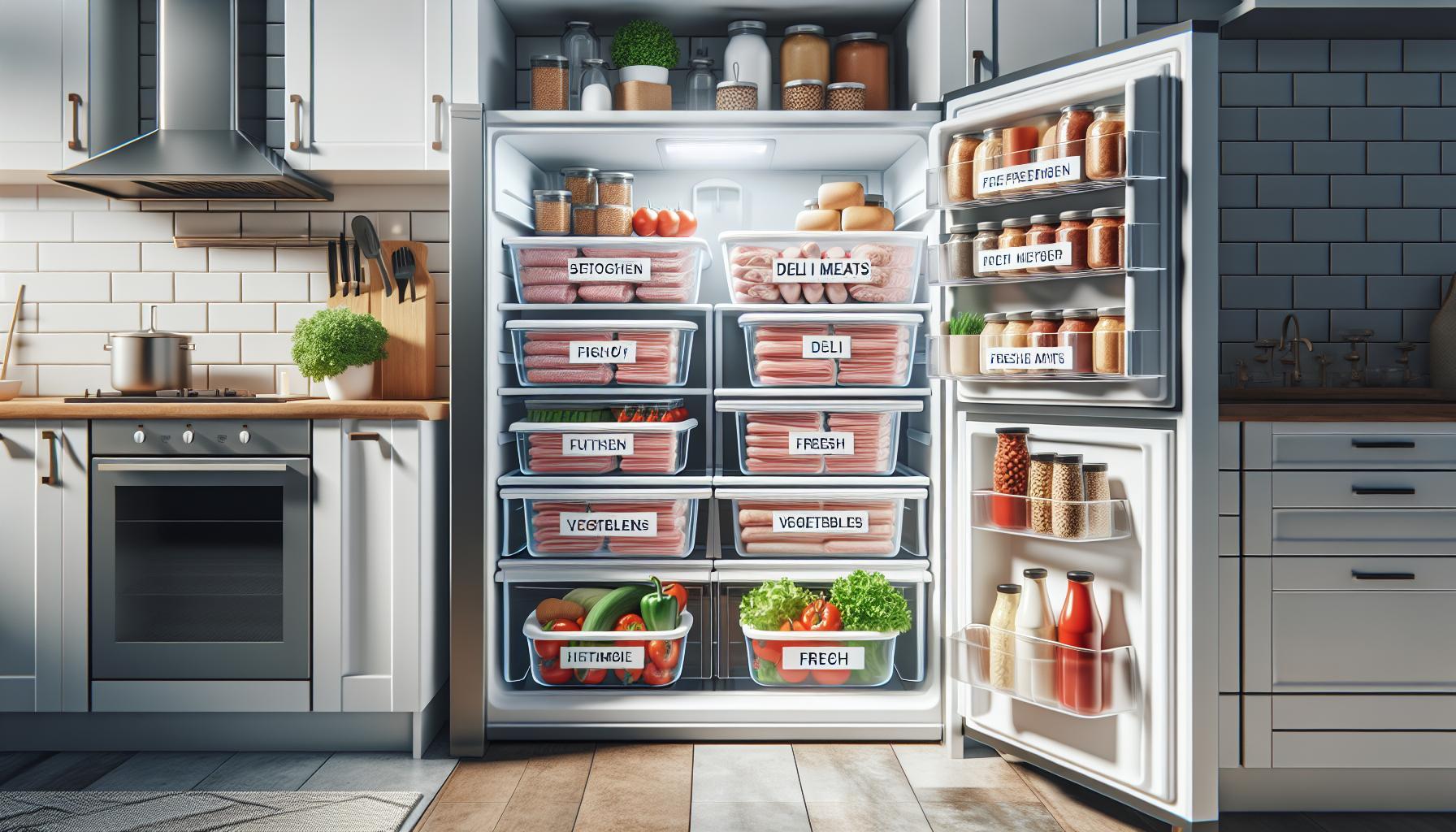

Did you know that improperly stored deli meat can spoil faster than you think, potentially leading to food waste and health risks? Understanding how long deli meat can last in the fridge is crucial for maintaining its flavor and safety. Proper storage not only ensures that you enjoy delicious sandwiches or wraps but also helps prevent foodborne illnesses.
Concerned about how long your favorite cold cuts will stay fresh? With a few simple guidelines on storage and shelf life, you can savor your deli meats longer and make informed decisions about when to toss or keep them. Keep reading to discover the best practices for storing deli meat safely and extending its delicious life in your fridge. Your taste buds-and your wallet-will thank you!
How Long Can Deli Meat Last in the Fridge?
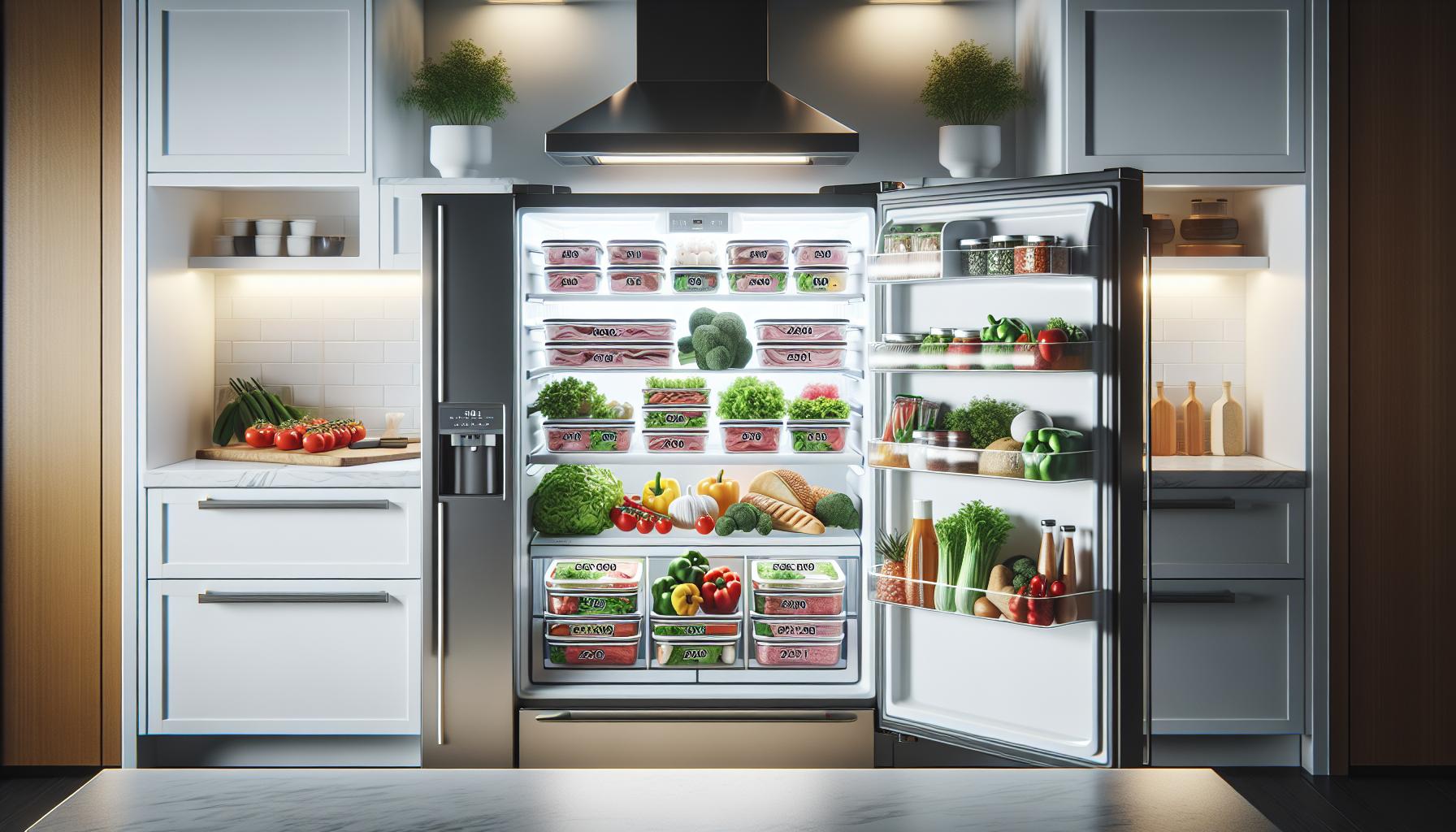
Deli meat can be a convenient addition to meals and snacks, but it’s crucial to understand how long it can be safely stored in the fridge to avoid spoilage and foodborne illness. In general, once you open the package of deli meat, it should be consumed within three to five days. This timeframe allows you to enjoy the meat while it is still fresh and safe to eat. For unopened packages, deli meats typically last about two weeks in the refrigerator, depending on the type and processing methods used.
To maximize the freshness of deli meats, storage conditions play a significant role. It’s essential to keep the meat tightly sealed, preferably in the original packaging or in airtight containers. When stored properly, deli meat maintains its quality and safety, which is particularly important as it is often sliced thin and more susceptible to bacterial growth.
Furthermore, be vigilant about the symptoms of spoilage. Signs that the deli meat has gone bad include changes in color, off-putting odors, or a sticky texture. If you notice any of these indicators, it’s best to err on the side of caution and discard the meat to prevent potential health risks. Following these guidelines not only keeps your meals safe but also ensures the best taste and quality of your deli products.
Understanding Deli Meat Shelf Life
Deli meat is a staple in many households, prized for its convenience and versatility in meals. To ensure you are getting the most out of your deli meat while maintaining food safety, understanding its shelf life is essential. The longevity of deli meat in the fridge can vary significantly based on whether the package is opened or unopened. Unopened pre-packaged deli meats can last about two weeks in the refrigerator, largely due to preservatives such as sodium nitrate and salt which inhibit bacterial growth. Once opened, however, most deli meats should ideally be consumed within three to five days to ensure freshness and safety [2[2].
Storage conditions play a pivotal role in how long deli meats remain safe to eat. Keeping the meat in its original packaging or in an airtight container helps to minimize exposure to air and moisture, both of which can accelerate spoilage. As deli meats are typically sliced thin, they are particularly vulnerable to rapid deterioration despite these precautions. To maximize their shelf life, store deli meats at a consistent temperature below 40°F (4°C) in the refrigerator. A meat thermometer can provide peace of mind in confirming that your storage temperatures are safe [1[1].
Understanding the specific type of deli meat you have can also aid in proper storage practices. For instance, while pre-packaged turkey may only last five to six days once opened, hard salami can last up to three weeks. Familiarizing yourself with these nuances allows you to manage your deli meat better, reducing food waste while ensuring your meals remain safe and delicious [3[3].
Proper Storage Techniques for Deli Meat

To keep deli meat fresh and safe for consumption, proper storage techniques are essential. Deli meats are typically sliced thin and can spoil quickly if not handled correctly. One of the most effective practices is to store deli meat in its original packaging, if possible, or transfer it to an airtight container. This reduces exposure to air and moisture, both of which can lead to spoilage. Additionally, always ensure that the meat is stored in the refrigerator at a consistent temperature below 40°F (4°C). Using a meat thermometer can help you monitor this crucial detail and provide peace of mind regarding food safety.
Another important aspect is to keep deli meat sealed tightly between uses. After opening a package, it’s advisable to consume the deli meat within three to five days for optimal freshness. If you’re unsure of the exact date opened, marking the container with a date label can serve as a helpful reminder. For those who purchase deli meats in bulk, consider dividing large quantities into smaller portions, wrapping them securely, and freezing what you won’t use immediately. When properly wrapped and frozen, deli meats can last for one to two months without significant loss of quality.
Additional Tips for Storage
- Use Plastic Wrap: Wrap the deli meat tightly in plastic wrap before placing it in a container. This adds an extra layer of protection against air exposure.
- Avoid Slicing Before Storage: If you buy whole deli meats, keep them intact until you’re ready to use them. Slicing increases the surface area exposed to air, which can speed up spoilage.
- Keep Away from Strong Odors: Store deli meats away from items with strong odors, such as onions or certain cheeses, as deli meats can absorb these scents.
By adhering to these storage guidelines, you can extend the shelf life of your deli meats and ensure they remain a convenient and delicious part of your meals. Ensuring food safety while enjoying your culinary favorites should always be the top priority.
Signs of Spoilage: When to Toss Deli Meat
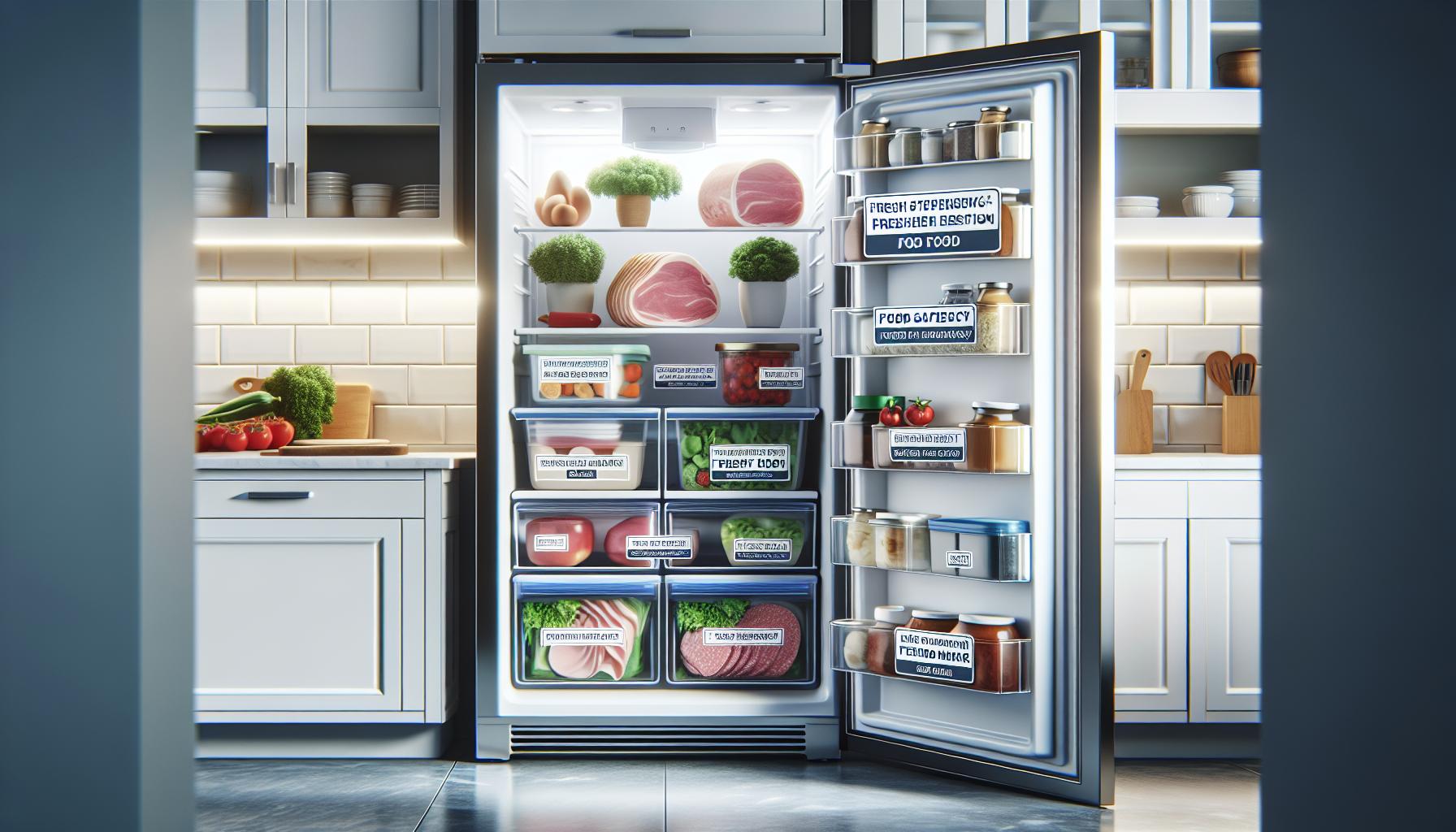
Deli meat can be a delicious and convenient option, but it’s essential to know how to identify spoilage to maintain your health and safety. Fresh deli meat typically exhibits a pink or red color with a moist appearance. However, if you notice any color changes, such as a gray or brown tint, that is often a warning sign. Additionally, the presence of a slimy film on the surface is another red flag indicating spoilage. These changes occur due to the growth of bacteria, which thrive in environments where meat is improperly stored or kept for too long.
Odor also plays a crucial role in determining the freshness of deli meat. Fresh deli meat has a mild, appetizing scent, while spoiled meat often gives off a sour or foul smell. If you catch a whiff of an unpleasant odor, it’s best to err on the side of caution and dispose of the meat immediately. Always trust your instincts; if something seems off, it’s better to be safe than sorry.
To avoid any confusion about shelf life, remember that opened deli meats should generally be consumed within three to five days when stored correctly in the fridge. If these meats have been left out at room temperature for more than two hours, they should be tossed to prevent any risk of foodborne illness. Implementing these simple guidelines can help you savor deli meats while prioritizing your health and safety.
Safe Thawing Methods for Frozen Deli Meat
Thawing deli meat correctly is crucial to maintaining both its quality and safety. Many people may not realize that improper thawing can lead to the growth of harmful bacteria, risking foodborne illnesses. To ensure your deli meat remains safe and delicious after freezing, follow these safe thawing methods.
The most effective way to thaw frozen deli meat is in the refrigerator. This method allows the meat to defrost slowly while remaining at a safe temperature, ideally below 40°F (4°C). Depending on the size and thickness of the meat, this can take anywhere from several hours to overnight. For instance, a pound of sliced deli ham typically takes about 6-8 hours to thaw completely in the fridge, ensuring that the meat stays out of the danger zone where bacteria can proliferate.
If you need to thaw deli meat quickly, the cold water method is a viable alternative. First, ensure the meat is sealed in a leak-proof plastic bag to prevent water from contaminating it. Submerge the bag in cold water, changing the water every 30 minutes to maintain a low temperature. This method typically takes around 1-2 hours for a pound of deli meat. Avoid using hot water, as it can raise the outside temperature of the meat into the danger zone rapidly.
Lastly, for immediate use, you can thaw deli meat in the microwave. However, this method requires caution, as it can partially cook the meat if not monitored closely. After microwaving, it is essential to cook the meat right away, as some areas can become warm enough to allow bacterial growth.
In summary, proper thawing methods are crucial for maintaining the safety and quality of frozen deli meat. Whether you choose to thaw in the refrigerator, cold water, or microwave, ensure to always follow safety practices to enjoy your deli meats without worry.
Extending Freshness: Tips for Longer-Lasting Deli Meat
To ensure your deli meat stays fresh for as long as possible, adopting the right storage practices is essential. Many people might not realize that the way deli meat is stored can significantly affect its longevity. By implementing a few simple strategies, you can extend the shelf life of your favorite cold cuts, reducing waste and saving money. Here are some effective tips to keep your deli meat tasting fresh longer.
First and foremost, the choice of storage container matters. Opt for airtight containers, which will minimize exposure to oxygen, thereby reducing spoilage. If you buy deli meat in bulk or larger quantities, consider dividing it into smaller portions and wrapping them tightly in plastic wrap or aluminum foil before placing them in an airtight container. Additionally, vacuum sealing is an excellent option, as it removes air and can keep deli meats fresh for several weeks in the refrigerator. If using commercially packaged deli meats, ensure to rewrap any opened packages in plastic wrap, as resealing them can help preserve freshness.
Temperature control is another critical factor. Always store deli meat in the coldest part of the refrigerator, typically near the back, to keep the temperature consistently below 40°F (4°C). Avoid storing deli meats in the refrigerator door, where temperature fluctuations are more likely. Another common practice is checking the “use by” or expiration dates. While deli meat can often remain safe to eat within a few days past its sell-by date, use your senses; if it smells off or has a slimy texture, it’s best to err on the side of caution and discard it.
Lastly, consider how you handle deli meat. Always wash your hands before and after handling food, and use clean utensils to prevent cross-contamination. When preparing sandwiches or meals, try to use only the amount of deli meat you intend to consume right away, putting any leftovers back in the fridge promptly. By incorporating these strategies into your food storage routine, you can ensure that your deli meats stay fresh and delicious for a longer period, providing satisfying meals without the worry of spoilage.
The Risks of Eating Expired Deli Meat
Eating expired deli meat poses significant health risks that consumers should take seriously. Deli meats are perishable products, and consuming them after their expiration date can lead to foodborne illnesses, such as listeriosis, salmonellosis, and E. coli infections. These pathogens can cause severe gastrointestinal distress, including nausea, vomiting, and diarrhea, and can be particularly dangerous for vulnerable populations, such as pregnant women, the elderly, and individuals with weakened immune systems.
To ensure safety, it’s essential to understand that the “sell by” or “use by” dates are important indicators of freshness, but they are not the only factors to consider. Deli meats can develop harmful bacteria even before these dates if they are not stored properly. For instance, if the meat has been left at room temperature for too long, it can become a breeding ground for bacteria-often unnoticed until it’s too late. Always check for signs of spoilage, including off-odors, discoloration, or a slimy texture, regardless of the date printed on the package.
When in doubt about the safety of expired deli meat, it’s important to err on the side of caution. The USDA recommends that opened deli meat be consumed within 3 to 5 days if stored correctly in the refrigerator. If the meat has been frozen, it can last longer, but even frozen deli meat should be consumed within 1 to 2 months for optimal quality. Finally, remember to always practice good hygiene and food safety habits, such as washing hands, utensils, and surfaces after handling deli meat, to minimize the risk of contamination. By understanding the risks associated with expired deli meat and implementing safe storage practices, you can enjoy your favorite cold cuts without compromising your health.
Impact of Deli Meat Type on Shelf Life
The type of deli meat you choose not only impacts the flavor of your sandwiches and salads but also significantly affects its shelf life. Different meats come with varying levels of moisture, fat content, and preservation methods, all of which directly influence how long they can safely be stored in the fridge. Understanding these differences is essential for optimizing freshness and ensuring food safety.
For instance, cooked deli meats, such as turkey, ham, and roast beef, typically last about 3 to 5 days once opened, when stored in the refrigerator at or below 40°F (4°C). On the other hand, cured meats like salami and pepperoni can remain fresh for about 3 weeks to a month due to their lower moisture content and higher salt levels, which act as natural preservatives. The following table summarizes the recommended refrigerator storage times for various types of deli meats:
| Deli Meat Type | Refrigerator Shelf Life (Opened) |
|---|---|
| Cooked meats (turkey, ham, roast beef) | 3 to 5 days |
| Cured meats (salami, pepperoni) | 3 weeks to 1 month |
| Uncooked deli meats (chicken, turkey breasts) | 2 to 3 days |
| Processed meats (bologna, mortadella) | 1 week |
Moreover, the use of preservatives can also play a role in shelf life. Some deli meats are treated with nitrates and nitrites, which not only enhance flavor but also impede bacterial growth, thus extending their usability. However, it’s worth noting that these methods may not substantially improve freshness once the package has been opened.
Additionally, the freshness timeline can vary if the meat is vacuum-sealed. Vacuum-sealed deli meats typically last longer, as the lack of air minimizes oxidation and bacterial growth. For optimal quality, consumed vacuum-sealed meats are best enjoyed within 2 weeks of opening, while unopened packages can last even longer before expiry.
By being aware of these differences, you can make informed choices about your deli meat purchases and storage practices, ensuring you enjoy them at their best while prioritizing food safety.
When to Use Vacuum-Sealed Deli Meat
Using vacuum-sealed deli meat can significantly extend its freshness and safety, making it a popular choice for those who want to manage their food supply wisely. When properly sealed, these meats are protected from air exposure, which is one of the main factors that lead to spoilage. This lack of air not only hinders spoilage but also minimizes oxidation, allowing the meat to retain its flavor and texture longer than traditionally packed deli meats.
For optimal enjoyment, vacuum-sealed deli meats should ideally be consumed within 2 weeks after opening. If left unopened, they can generally last 2-3 weeks longer than their non-vacuum-sealed counterparts due to the airtight packaging that inhibits bacterial growth. Always check the packaging for a “best by” or expiration date, as these are guidelines for quality rather than strict safety timelines. It’s important to store them properly in the refrigerator at temperatures below 40°F (4°C) to maintain their freshness.
To further ensure the longevity of your vacuum-sealed deli meats, consider following these tips:
- Keep the meat in the original vacuum package until ready to use, as this helps maintain optimal freshness.
- Once opened, reseal tightly using food saver bags or airtight containers to minimize exposure to air.
- Label the packages with the date of opening to keep track of how long they’ve been stored.
Utilizing vacuum-sealed deli meats not only enhances food safety and storage convenience but also allows for greater flexibility in meal planning. By understanding how to use and store these meats effectively, you can enjoy their rich flavors while ensuring that your meals are both delicious and safe.
Deli Meat Safety: Handling Guidelines
To ensure deli meat remains safe and delicious, adhering to proper handling and storage guidelines is crucial. Deli meats are perishable products, and their safety can diminish rapidly if not handled correctly. To minimize risk and maximize freshness, always wash your hands before and after handling deli meat. Maintaining hygiene in the kitchen significantly reduces the risk of contamination.
When storing deli meat, it is essential to keep it refrigerated at temperatures below 40°F (4°C). This temperature slows bacterial growth but does not stop it completely. Ideally, deli meats should be consumed within 3-5 days after opening if stored in the fridge. If you have deli meat that you know will not be consumed within this timeframe, consider freezing it to extend its shelf life. When freezing, be sure to wrap the meat tightly in plastic wrap or aluminum foil, followed by placing it in an airtight container or freezer bag to prevent freezer burn.
It’s also important to differentiate between sliced deli meats and whole cuts. While sliced deli meats typically have a shorter shelf life due to increased exposure to air, whole cuts can last longer if kept intact and correctly stored. After purchasing, inspect the package for any signs of damage or signs of spoilage, such as a foul smell, a slimy texture, or unusual discoloration. These are clear indicators that the meat should not be consumed.
Lastly, practicing good serving habits can further ensure safety. When serving deli meat, avoid leaving it out at room temperature for more than two hours. If serving at a gathering, consider placing the meat on ice to keep it chilled. By following these guidelines, you can enjoy deli meats while minimizing health risks and extending their freshness.
Common Myths About Deli Meat Storage
Deli meat storage is often shrouded in misconceptions that can lead to food safety risks and unnecessary waste. One prevalent myth is that deli meats can last indefinitely in the refrigerator if kept sealed. In reality, while unopened packages of pre-sliced deli meats can last up to two weeks, once opened, they should ideally be consumed within 3-5 days for optimal safety and quality. The preservatives in these meats may extend their shelf life, but they are not a free pass for indefinite storage.
Another common misconception involves the presence of “sell-by” and “use-by” dates. Many consumers believe that these dates indicate when the food becomes unsafe to eat. In truth, these dates relate to peak quality rather than safety. Deli meats may still be safe to consume shortly after these dates if they have been properly stored and show no signs of spoilage. This emphasizes the importance of inspection; checking for odors, texture changes, and discoloration is crucial in determining if the meat is still good.
Many also believe that freezing deli meat completely changes its texture and taste. While it’s true that freezing can alter the texture, proper techniques can mitigate this effect. Wrapping meat securely in plastic wrap followed by aluminum foil or placing it in an airtight container can significantly reduce freezer burn, preserving the flavor and texture for future use. Often, sliced deli meats can be successfully frozen for up to 1-2 months, allowing you to enjoy them well beyond their refrigerator lifespan.
In sum, being aware of these myths and the truths behind them can help ensure that you store deli meat safely and enjoy it at its best. By following proper storage practices and being attentive to spoilage signs, you can minimize waste and make informed choices that enhance food safety in your kitchen.
Best Practices for Slicing and Storing Deli Meat
To ensure that deli meat remains safe and flavorful for your sandwiches and snacks, implementing best practices for slicing and storing is crucial. Proper slicing can not only enhance the texture and taste of deli meats but also prolong their shelf life. It’s recommended to use a clean, sharp knife when slicing to create even slices that reduce the surface area exposed to air, which can lead to spoilage.
Once sliced, it’s essential to store deli meats in airtight containers or tightly wrapped with plastic wrap or aluminum foil. This minimizes exposure to air, which can dry out the meat and increase the risk of bacterial growth. Label the packaging with the date of slicing to keep track of freshness. Ideally, deli meats should be consumed within 3-5 days after slicing for optimal quality, but they can be stored in the refrigerator for up to a week if unopened.
Consider using a vacuum sealer if you plan to store deli meats for longer durations. Vacuum sealing removes excess air and significantly extends the meat’s shelf life by preventing freezer burn if stored in the freezer. Most deli meats can be frozen and safely consumed within 1-2 months. If you decide to freeze sliced deli meats, ensure they are portioned out in meal-sized packages, which makes it easier to defrost only what you need.
Lastly, always practice good hygiene when handling deli meat. Wash your hands before and after handling the meat and use separate utensils to avoid cross-contamination. These simple steps not only enhance safety but also ensure that your deli meat stays delicious for longer, allowing you to savor every bite.
Frequently Asked Questions
Q: How can I tell if deli meat is spoiled?
A: Signs of spoiled deli meat include a sour smell, slimy texture, discoloration, or the presence of mold. If you notice any of these signs, it’s best to discard the meat to avoid foodborne illness. For detailed spoilage indicators, refer to the section on signs of spoilage.
Q: Can I freeze deli meat to extend its shelf life?
A: Yes, you can freeze deli meat to extend its shelf life. Properly wrapping it in airtight packaging can help maintain quality for up to two months. If you need guidance on how to freeze deli meat effectively, check the section on safe thawing methods.
Q: What is the best way to store deli meat in the fridge?
A: The best way to store deli meat is to keep it in its original packaging or an airtight container. Make sure your fridge is set at or below 40°F (4°C) for optimal freshness. For more storage tips, see the section on proper storage techniques for deli meat.
Q: Is it safe to eat deli meat past its expiration date?
A: Eating deli meat past its expiration date can pose health risks due to potential bacteria growth. Always check for signs of spoilage before consumption, and for more information, refer to the risks of eating expired deli meat.
Q: How long does unopened deli meat last in the fridge?
A: Unopened deli meat can last for up to two weeks in the fridge. For maximum safety, always check the sell-by date and store the product properly. More details are available in the section on understanding deli meat shelf life.
Q: Can I use leftover deli meat after it has been opened?
A: Yes, opened deli meat is generally safe to eat for 3-5 days if stored correctly in the fridge. Be cautious and check for spoilage signs before consuming. You might find additional insights in the safety guidelines for deli meat handling.
Q: What types of deli meat spoil the fastest?
A: Deli meats like turkey and ham tend to spoil faster than cured meats like salami or pepperoni because of their moisture content. For an in-depth discussion on which meats last longer, see the section on the impact of deli meat type on shelf life.
Q: How should I handle deli meat to avoid contamination?
A: Always wash your hands before handling deli meat and use clean utensils to prevent contamination. Store leftovers promptly after meals and consider checking the deli meat safety handling guidelines for thorough advice.
Future Outlook
Now that you know how long deli meat can last in the fridge and the best practices for storing it safely, take action! Don’t let your delicious cold cuts go to waste-remember to store them properly in airtight containers, and consume within 3 to 5 days for optimal freshness [1[1]. For more tips on extending the shelf life of your favorite deli meats, check out our articles on keeping lunch meat fresh longer and the best storage solutions [2[2] [3[3].
As you explore ways to savor your food safely, consider joining our newsletter for more expert tips and recipes that help you make the most of your meals. Don’t hesitate to leave a comment below with your thoughts or questions-your feedback keeps our community thriving!


