Did you know that zucchini, a summer staple, can stay fresh in your fridge for up to a week when stored properly? Understanding how long zucchini lasts and the best ways to keep it crisp is essential for maximizing your grocery investment and enjoying its nutritional benefits. Familiarity with proper storage techniques not only enhances the flavor of your dishes but also helps reduce food waste, allowing you to make the most of this versatile vegetable.
If you’re tired of reaching for soggy zucchini that’s past its prime, you’re not alone. Many home cooks struggle to keep their vegetables fresh, which can lead to frustrating meals and wasted ingredients. In this article, we’ll explore precise storage guidelines, common mistakes to avoid, and best practices to keep your zucchini deliciously crisp. Knowing the right practices will empower you to enjoy this nutritious veggie-packed with vitamins and minerals-for longer, making it a delightful addition to your meals.
How Long Can Zucchini Last in the Fridge?
Zucchini is a beloved vegetable, known for its versatility and mild flavor, but many home cooks often wonder just how long this summer squash can stay fresh in their refrigerator. Generally, whole, uncut zucchini can last about 1 to 2 weeks in the fridge when stored properly. However, once cut, the shelf life shortens significantly, and it’s best to use the leftover pieces within 3 to 5 days to ensure optimal freshness and safety. Keeping a close eye on its condition during this time can help reduce food waste and maximize your culinary endeavors.
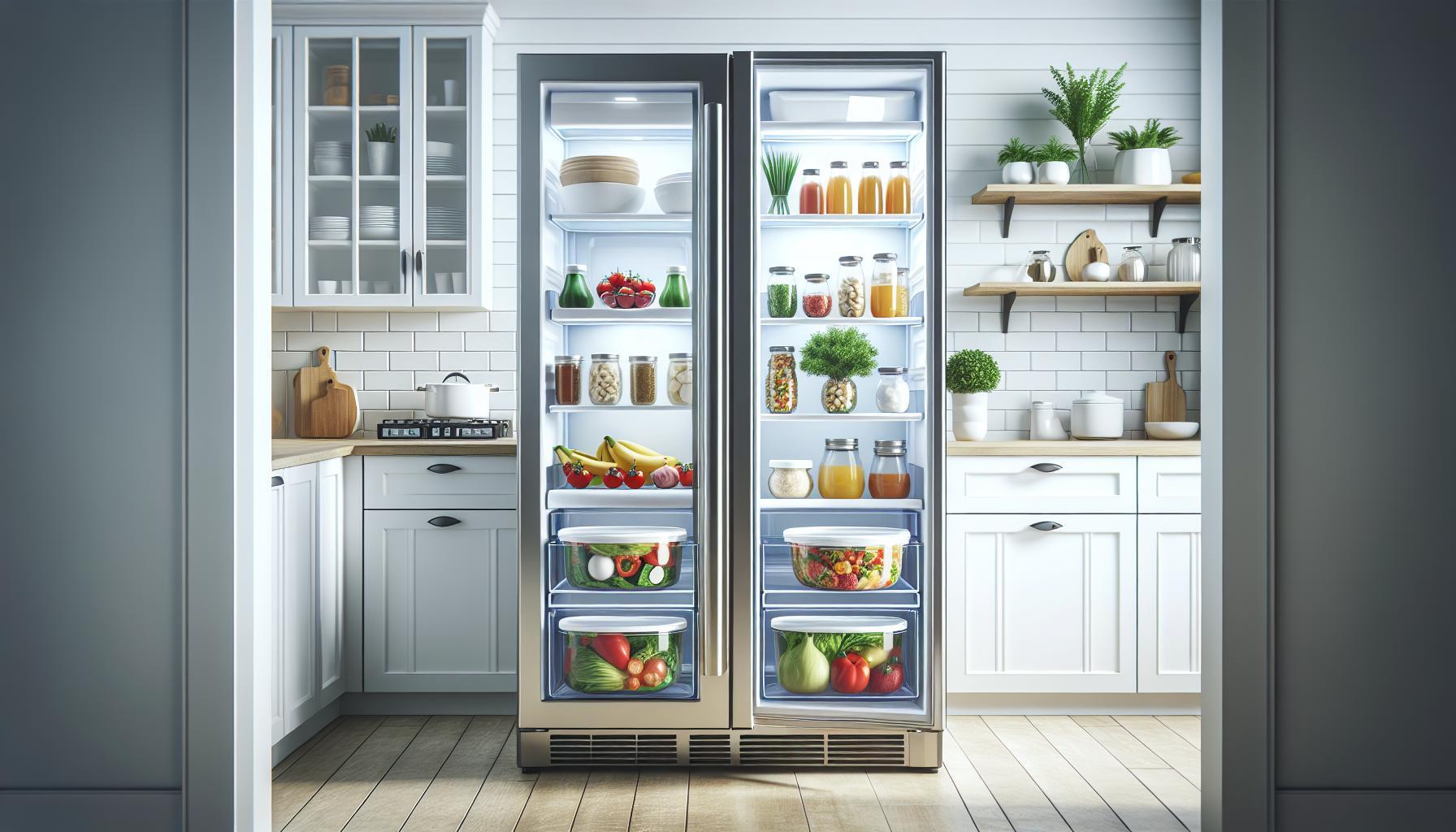
Proper storage plays a crucial role in maintaining zucchini’s crispness. To keep your zucchini at its best, store it in a drawer or crisper section of the refrigerator, ideally in a perforated plastic bag. This allows for airflow while retaining just the right amount of moisture. Avoid washing zucchini before storage, as excess moisture can promote spoilage; instead, only wash it right before you’re ready to use it. Factors like the temperature of your fridge and how ripe your zucchini was at the time of purchase can also influence longevity.
Recognizing signs that zucchini is nearing the end of its shelf life is essential. Look for visual cues like wrinkles, softness, or dark spots, which indicate spoilage. If your zucchini starts to emit an off smell, it’s best to discard it. Monitoring the produce regularly can help you catch these changes early, enabling you to use it while it’s still delicious. By following these guidelines, you can enjoy your zucchini at its finest and reduce the likelihood of it going to waste.
Factors Influencing Zucchini Freshness
Zucchini is a versatile summer squash that has gained popularity not only for its culinary uses but also for its relatively short shelf life compared to other vegetables. Understanding the various factors that influence zucchini’s freshness can empower you to maximize its edible life, ensuring that you enjoy this flavorful ingredient at its peak. Temperature, humidity, and ripeness at the time of purchase play crucial roles in determining how long zucchini will remain crisp and tasty.
First and foremost, the temperature at which zucchini is stored significantly impacts its longevity. Ideally, zucchini should be kept in the crisper drawer of the refrigerator, where temperatures are consistently cool-between 45°F and 50°F (7°C to 10°C). This environment helps slow down the respiration process, which is crucial for preserving freshness. If the temperature fluctuates or is consistently higher, it can lead to quicker spoilage, causing softening and decay.
Humidity levels also play a key role in maintaining the firmness of zucchini. A slightly humid environment is beneficial as it helps prevent the vegetable from drying out, but too much humidity can promote mold growth and spoilage. For optimal storage, a perforated plastic bag allows for sufficient airflow while retaining necessary moisture. If zucchini is stored in a sealed bag without ventilation, condensation may form, leading to increased dampness and spoilage.
The stage of ripeness at which zucchini is purchased can also influence its shelf life. Younger, firmer zucchinis tend to last longer than overripe counterparts, which may already be showing signs of decline. When selecting zucchini, look for those that are glossy, firm, and free of blemishes. Regularly checking the condition of your stored zucchini can help you catch any signs of spoilage early, ensuring that you use it while it’s still in good shape. Adopting these practices can effectively extend the freshness of your zucchini, allowing you to enjoy its benefits longer.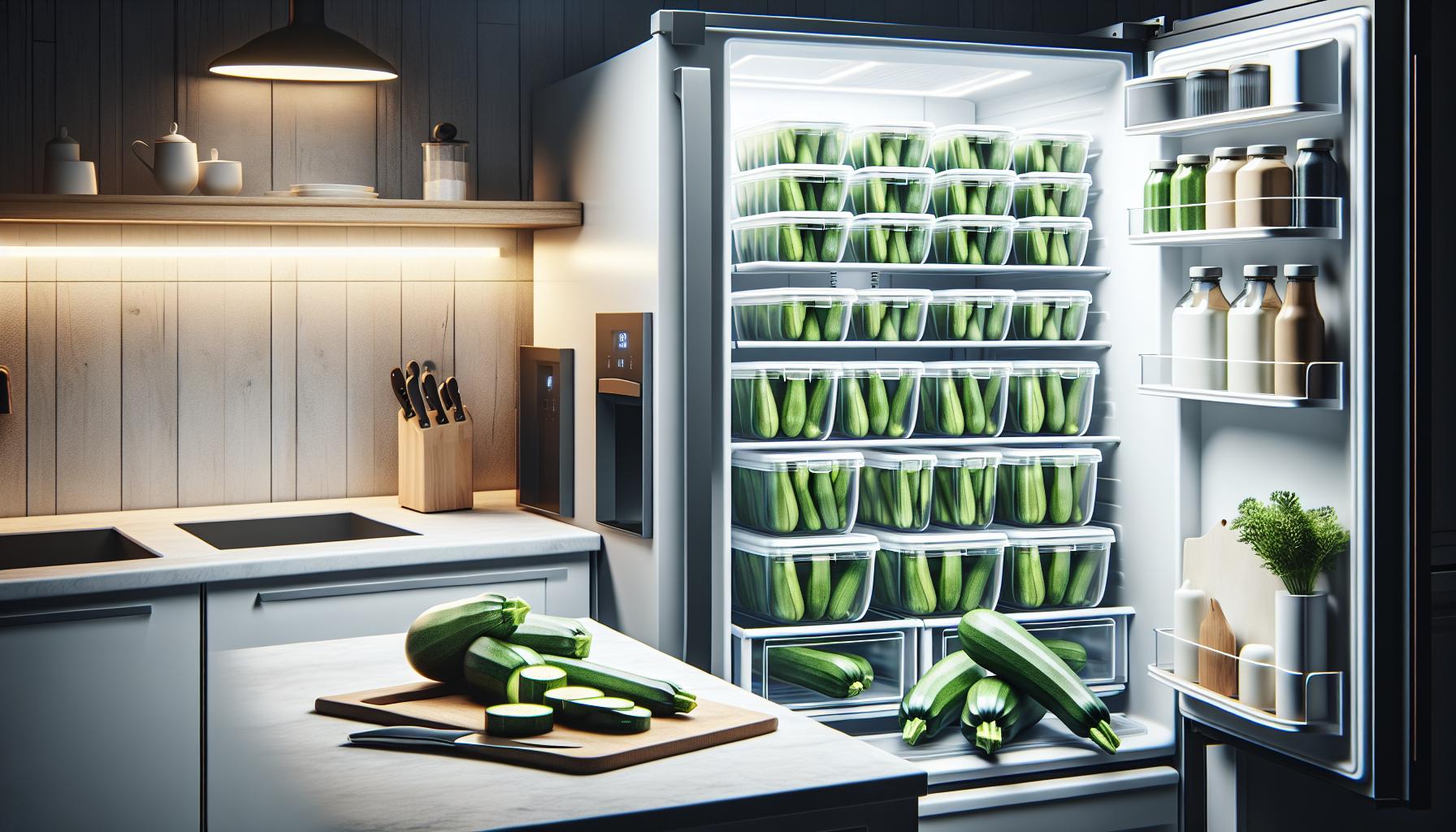
Best Storage Practices for Crisp Zucchini
To keep zucchini fresh and crisp for as long as possible, it’s essential to implement the right storage practices that cater to this delicate squash’s needs. One of the most effective ways is to place zucchini in the crisper drawer of your refrigerator, where temperatures ideally range from 45°F to 50°F (7°C to 10°C). This specific temperature range slows down the zucchinis’ respiration rate, thereby reducing spoilage and maintaining their texture.
Consider using a perforated plastic bag to store zucchini. This type of bag allows for adequate airflow, reducing the risk of excess moisture accumulation that can lead to mold growth. Additionally, try to keep the zucchini unwashed until you are ready to use it; washing beforehand can lead to increased moisture in the storage bag, accelerating deterioration. If you notice any wetness inside the bag, it’s wise to replace it with a dry one to help keep the zucchinis crisp.
When it comes to organization, keep zucchini away from ethylene-producing fruits such as bananas and apples, as this gas can hasten ripening and spoilage. For optimal quality, consume fresh zucchini within 1 to 2 weeks of purchase. If you notice any blemishes or soft spots, it’s best to use those zucchini pieces first to prevent further spoilage. Regularly checking your stored zucchini will help you catch any early signs of decline, allowing you to enjoy its fresh, crisp taste longer.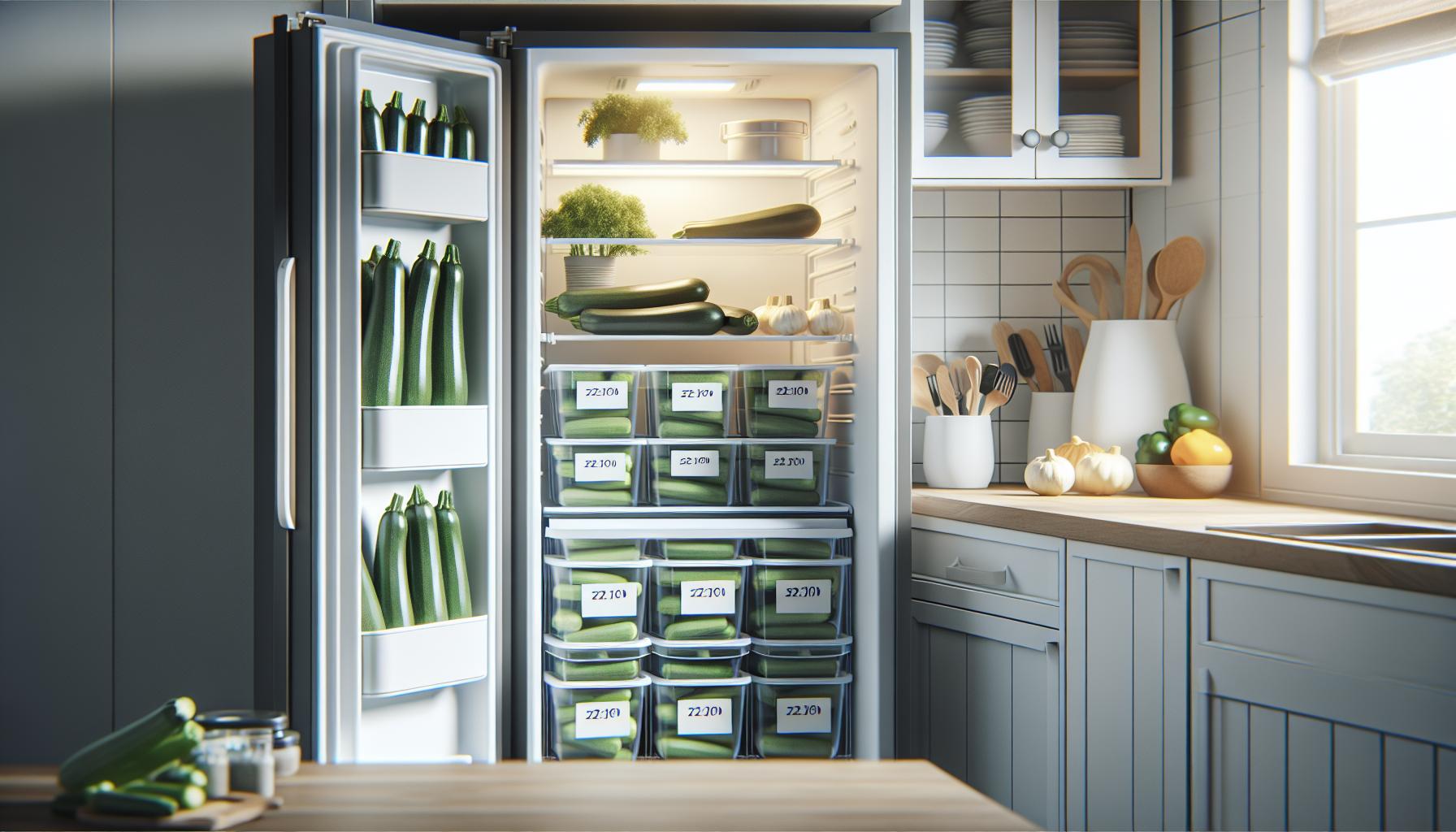
How to Identify Spoiled Zucchini
Recognizing when zucchini has gone bad is crucial for maintaining food safety and ensuring the best eating experience. Fresh zucchini should have a firm texture, vibrant color, and be relatively smooth, but various signs can indicate spoilage. One of the first indicators is the presence of soft spots or mushy areas. If you can gently press the zucchini and it feels squishy, it’s likely on its way to spoiling. Additionally, look for discoloration; any significant browning or dark spots should raise a red flag about the vegetable’s freshness.
Another telltale sign is the skin texture. Fresh zucchini has a shiny and taut skin. If the skin appears dull, wrinkled, or shriveled, it’s a sign that the zucchini has lost its moisture and is no longer at its best. Moreover, strong or off-putting odors are also significant red flags; zucchini should have a mild, earthy scent. If you detect a sour or musty smell, discard it immediately.
When checking for spoilage, it is also essential to inspect for mold. While some types of zucchini may have a few harmless surface blemishes, a fuzzy or fuzzy growth, whether green or gray, indicates that it is time to throw that vegetable out. If you cut into a zucchini and notice that the flesh has started to brown or turn mushy, it is advisable to dispose of it, as this further indicates spoilage.
To preserve your zucchini and extend its life, always check it for these signs before use, and remember that fresh zucchini typically lasts about one to two weeks in the refrigerator if stored properly. Keeping an eye on your produce ensures that you enjoy the best flavor and nutrition without risking food safety.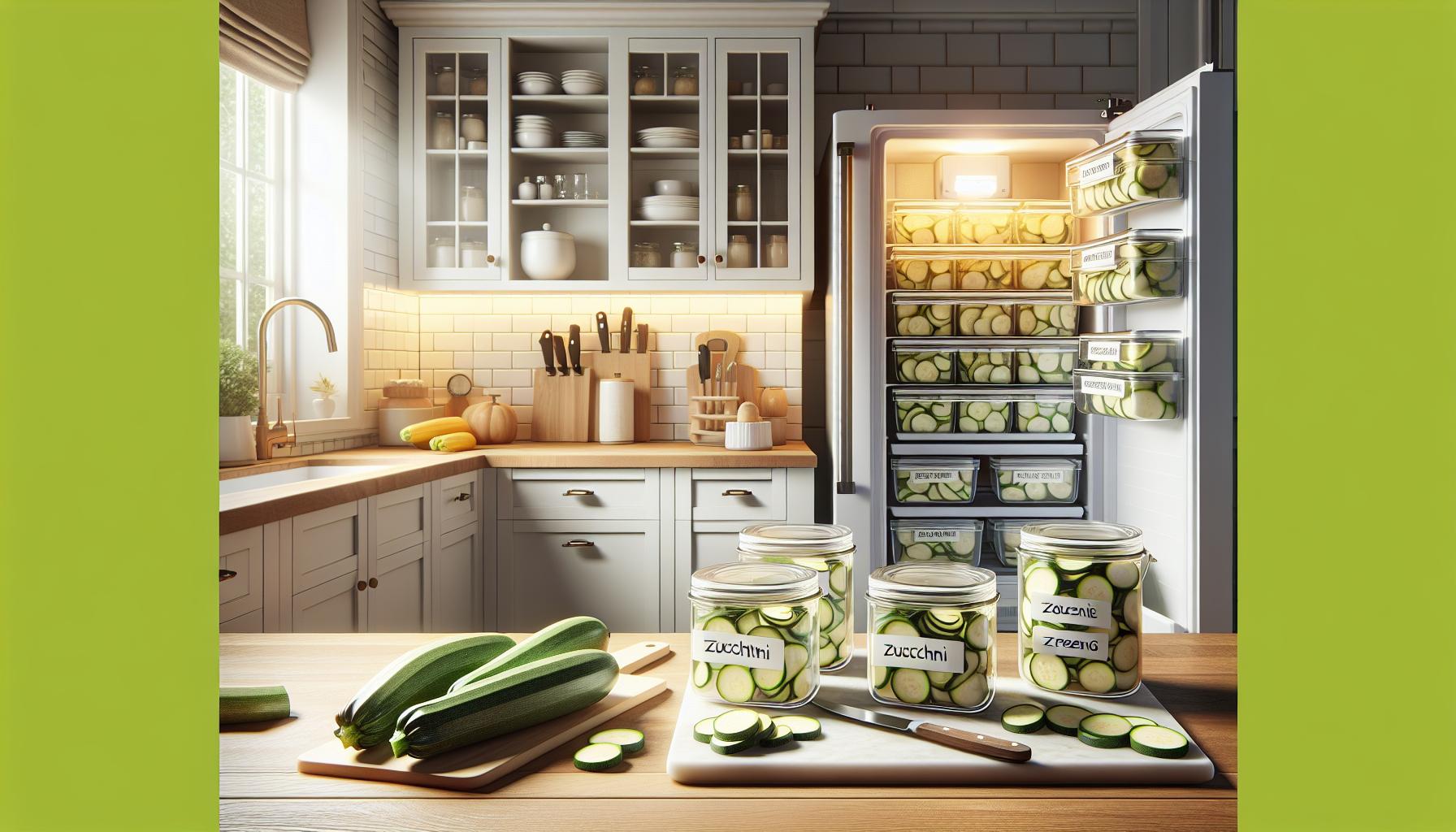
Freezing Zucchini: Tips for Long-Term Storage
Freezing zucchini is an excellent way to extend its shelf life beyond the typical one to two weeks in the refrigerator. This method allows you to preserve the vegetable’s nutritional value while giving you the flexibility to enjoy it in various dishes throughout the year. With proper preparation, frozen zucchini can last for up to 10 to 12 months in the freezer without compromising its quality.
To begin the freezing process, it’s essential to prepare the zucchini properly. Start by washing the zucchini thoroughly to remove any dirt. Next, slice it into your preferred shape – rounds, half-moons, or diced pieces work well depending on how you plan to use them later. Blanching is a crucial step that you should not skip; it helps to preserve the color, texture, and flavor of the zucchini. To blanch, bring a pot of water to a rolling boil, then add the sliced zucchini for about 2 to 3 minutes. After blanching, immediately transfer the zucchini to an ice bath (a bowl filled with ice water) for the same amount of time to stop the cooking process. This quick blanching ensures that your zucchini retains its ideal texture when thawed and cooked later.
Once the zucchini is cooled, drain it well and pat it dry with a clean towel or paper towels to remove any excess moisture. This step is crucial because excess water can lead to freezer burn or a mushy texture upon thawing. After drying, spread the zucchini in a single layer on a baking sheet and place it in the freezer for a couple of hours until the pieces are frozen solid – this method is called flash freezing and prevents the pieces from sticking together. Once solid, transfer the zucchini to airtight freezer bags or containers, label them with the date, and ensure to remove as much air as possible to maintain quality.
When you’re ready to use your frozen zucchini, there’s no need to thaw it if you’re adding it directly to soups or casseroles. For recipes like stir-frying or grilling, it’s best to thaw the zucchini in the refrigerator or briefly in the microwave. Remember that while frozen zucchini is great for cooking, its texture may not be as firm as fresh zucchini, making it better suited for dishes where a softer texture is acceptable.
Signs Your Zucchini Needs to Be Used Quickly
Zucchini is a delightful addition to many meals, but it has a relatively short window of freshness once it’s in your fridge. Knowing when it’s time to use your zucchini can save you from dealing with spoiled produce that’s no longer enjoyable or safe to eat. A few key signs indicate that your zucchini is nearing its end and needs to be cooked or preserved quickly.
One of the most telling signs is the appearance of soft spots or wrinkles on the surface of the zucchini. Fresh zucchini should be firm to the touch and smooth. If you notice areas that feel mushy or look shriveled, it’s a clear indication that the vegetable is beginning to decay. Additionally, a change in color-such as darkening patches or an overall dullness-can signal that your zucchini isn’t in prime condition.
Moreover, if there’s any sign of mold, a bad odor, or an overly slimy texture, it’s best to discard the zucchini immediately. These signs suggest that the vegetable is not only past its prime but may pose health risks if consumed. Ideally, zucchini can last up to a week in the fridge when stored correctly, but when you notice these signs, it’s better to use it ASAP.
For optimal enjoyment, it’s wise to keep an eye on your zucchini. If you’ve purchased several and notice one showing these signs while the others remain fresh, consider cooking the compromised zucchini right away-perhaps in a stir-fry or blended into a soup. This proactive approach ensures you’re minimizing waste while still enjoying the full nutritious benefits of this versatile vegetable. Always prioritize food safety and freshness to enhance your meals and maintain health.
Creative Ways to Use Leftover Zucchini
Making the most of leftover zucchini is not only a delicious endeavor but also an eco-friendly choice that reduces food waste. Zucchini, with its mild flavor and versatile texture, can be transformed into a variety of dishes that keep your meals fresh and exciting. Here are some creative ways to incorporate those slightly less-than-perfect zucchinis into your meals.
Delicious Dishes
One of the simplest methods to use up zucchini is to slice it into rounds or cubes and roast it. Toss the pieces with olive oil, salt, pepper, and any other favorite herbs, then roast at 400°F (200°C) until tender and slightly caramelized. This makes for a terrific side dish or a topping for salads.
Another option is to grate zucchini and incorporate it into baked goods. Zucchini bread is a timeless classic, but consider adding grated zucchini to muffins or pancakes for a nutritious boost. It adds moisture and a subtle flavor without overwhelming the dish.
For a more innovative approach, try making zucchini fritters. Grated zucchini mixed with flour, eggs, and herbs can be pan-fried to golden perfection, served with a dollop of yogurt or sour cream. These crispy treats are not just satisfying as a snack; they can also accompany main dishes.
Preserving for Later
If you’re looking to extend the life of your zucchini, consider turning it into zucchini noodles or “zoodles.” Simply spiralize fresh zucchini and blanch it for a couple of minutes to preserve its crunch, then pat dry and store in an airtight container in the fridge. This creates a low-carb pasta substitute that’s ready to pair with your favorite sauces.
Moreover, taking a batch of grated zucchini and blending it into smoothies is an often-overlooked way to sneak in some extra veggies into your diet. It adds a creamy texture and is an excellent use of zucchini that’s nearing its end.
Seasonal Soups and Stews
Making a hearty soup or stew is another excellent option for using up leftover zucchini. Simply chop the zucchini and add it to your favorite vegetable or chicken soup. As it cooks, it will soften and absorb the flavors of the broth, bringing nourishment to your dish.
By implementing these creative ideas, you can ensure that leftover zucchini is never a waste but rather an opportunity to enhance your meals. Remember, proper storage techniques can help keep zucchini fresh longer, but having a repertoire of recipes will guarantee you enjoy every bit of this versatile vegetable before it hits that inevitable decline in quality.
Comparing Fresh vs. Cooked Zucchini Storage
When it comes to storing zucchini, understanding the differences between fresh and cooked zucchini can make a significant difference in maintaining their quality and extending their shelf life. Fresh zucchini, when properly stored, can last up to a week in the refrigerator. In contrast, cooked zucchini has a shorter lifespan due to its moisture content, generally lasting around 3 to 5 days. This disparity is largely because cooking breaks down the cell walls of the zucchini, making it more susceptible to spoilage as it releases moisture.
For optimal freshness, store fresh zucchini in a perforated plastic bag in the vegetable crisper drawer of your fridge. This allows for air circulation while retaining moisture. It’s crucial to avoid washing zucchini until just before use, as excess moisture can promote mold growth. If you’re dealing with cooked zucchini, make sure to let it cool completely before transferring it to an airtight container. This helps to minimize condensation, which can lead to quicker spoilage.
When considering how to utilize each form, fresh zucchini lends itself beautifully to raw applications, such as salads or crudité platters, while cooked zucchini shines in stir-fries, casseroles, or as a side dish. If you have leftovers from a meal, consuming or repurposing them into another dish promptly can help reduce waste. Whether you’re enjoying it fresh or cooked, knowing the best storage practices ensures that your zucchini remains delicious and safe to eat for as long as possible.
The Science of Vegetable Freshness
Freshness in vegetables like zucchini is dictated by several scientific factors including moisture content, temperature, and exposure to air. Understanding the biochemical processes at play can greatly enhance your ability to keep these vegetables fresh for as long as possible. Zucchini is composed of approximately 95% water, which is why it can spoil more quickly than denser vegetables. When stored properly, fresh zucchini can last up to a week in the refrigerator, while cooked zucchini tends to last only 3 to 5 days due to its higher moisture content.
The primary factor influencing the freshness of zucchini is ethylene, a natural gas produced by many fruits and vegetables, including zucchini itself as it ripens. This gas accelerates the ripening process, and if zucchini is stored with ethylene-producing fruits such as apples or bananas, it will spoil faster. Additionally, fluctuations in temperature can disrupt the natural enzymatic processes within the zucchini, leading to quicker decay. Keeping zucchini in a consistent, cool environment-ideally around 45°F (7°C)-increases its longevity.
To maximize freshness, consider the storage conditions. Zucchini should be kept in a perforated plastic bag; this allows for air circulation while maintaining adequate moisture levels. Avoid washing zucchini until just before use, as excess moisture can encourage mold growth. Furthermore, if you notice any signs such as soft spots or significant wrinkling, it’s best to consume it promptly or use it in cooking applications. By applying these storage strategies, you can truly extend the life of zucchinis and enjoy them at their best.
Zucchini Shelf Life: Whole vs. Cut
The freshness and shelf life of zucchini can differ significantly depending on whether it is stored whole or cut. Whole zucchinis, with their intact skin and natural protective barrier, can last up to a week in the refrigerator when properly stored. In contrast, once zucchini is cut or sliced, it becomes more vulnerable to moisture loss and microbial contamination, leading to a notable reduction in shelf life. Cut zucchini typically lasts about 3 to 5 days in the refrigerator, as the exposed flesh can dry out and spoil more quickly.
To ensure that both whole and cut zucchini maintain their freshness for as long as possible, proper storage techniques are essential. Whole zucchinis should be kept in a perforated plastic bag to allow air circulation and moisture retention. For cut zucchini, store the pieces in an airtight container to help mitigate moisture loss while preventing exposure to air that can lead to spoilage. Additionally, choosing the right storage location in the fridge-preferably in the crisper drawer where humidity levels are more consistent-can also make a positive impact on their longevity.
It’s important to be mindful of any signs indicating that your zucchini has started to spoil. For both whole and cut varieties, look for soft spots, an unpleasant odor, or significant discoloration. Using zucchini soon after cutting is advisable, especially in raw dishes like salads, to fully enjoy its crisp texture and flavor. Properly considering these nuances between whole and cut zucchini can help you make the most of your produce and minimize waste.
Here is a quick comparison of storage times for zucchini:
| Zucchini Type | Shelf Life in the Fridge |
|---|---|
| Whole Zucchini | Up to 1 week |
| Cut Zucchini | 3 to 5 days |
Avoiding Common Zucchini Storage Mistakes
While zucchini is a versatile and nutritious vegetable, improper storage can quickly lead to spoilage and waste. Many people unknowingly make mistakes that can detract from zucchini’s freshness and longevity. To ensure you’re getting the most from your zucchini, consider these common storage pitfalls and how to avoid them.
One common mistake is storing zucchini in a sealed plastic bag without any ventilation. Although it might seem like a good idea to keep them airtight, this can trap moisture, leading to mold growth and accelerated spoilage. Instead, opt for a perforated plastic bag that allows air to circulate, helping to maintain the right balance of moisture. Placing the zucchini in the crisper drawer of the refrigerator can provide an optimal environment, as this area is designed to keep vegetables fresh by regulating humidity levels.
Another frequent error is washing zucchini before storage. While cleanliness is essential, washing can introduce excess moisture, which leads to faster deterioration. It’s best to wash zucchini just before use rather than before storing it. Additionally, keeping zucchini next to ethylene-producing fruits, such as apples and bananas, is a mistake you want to avoid. Ethylene can cause zucchinis to ripen and spoil more quickly. Instead, store zucchini separately to maximize its shelf life.
Lastly, overlooking the importance of monitoring freshness can lead to wastage. Always inspect your zucchini regularly, looking for signs of deterioration such as soft spots or discoloration. If you spot any, it’s best to use them promptly or incorporate them into a dish. By practicing these simple storage strategies, you can enjoy fresh, crisp zucchini for as long as possible.
Faq
Q: How can I keep zucchini fresh for longer in the fridge?
A: To keep zucchini fresh longer, store it unwashed in a perforated plastic bag in the crisper drawer of your fridge. This allows for airflow while retaining moisture, helping maintain crispness for up to a week.
Q: What’s the best temperature to store zucchini in the fridge?
A: The ideal temperature for storing zucchini is between 40°F and 50°F (4°C to 10°C). Maintaining this range helps prevent spoilage and keeps the zucchini crisp for a more extended period.
Q: Can I store zucchini with other vegetables?
A: It’s best to store zucchini separately from other vegetables. Ethylene-producing fruits like apples and bananas can speed up spoilage. Keeping zucchini in a separate location helps prolong its freshness.
Q: How can I tell if zucchini is still good to eat?
A: Fresh zucchini should feel firm and have smooth, shiny skin. If it is soft, wrinkled, or has dark spots, it’s likely spoiled. Check for a strong, unpleasant odor as a final indicator of spoilage.
Q: How long can cooked zucchini last in the fridge?
A: Cooked zucchini can last in the fridge for about 3 to 5 days when stored in an airtight container. Always cool it down before refrigeration to prevent moisture buildup, which can lead to spoiling.
Q: Is it safe to eat zucchini that has started to go soft?
A: While slightly soft zucchini may still be safe to eat, it’s best to use it quickly. If it shows signs of mold or has an off smell, it should be discarded to prevent foodborne illness.
Q: Can I freeze zucchini to extend its shelf life?
A: Yes, you can freeze zucchini! To do so, wash, slice, and blanch the zucchini for two to three minutes before freezing. Properly stored, it can last for about 10 to 12 months in the freezer.
Q: Why does my zucchini turn brown in the fridge?
A: Zucchini can turn brown due to moisture loss or exposure to air. This is often a sign it’s aging or experiencing cell breakdown. Storing it in a sealed bag can help minimize browning and maintain color.
Concluding Remarks
To keep your zucchini fresh and crisp, remember to store it in a breathable container in the fridge and use it within a week for the best flavor and texture. If you have leftovers, consider transforming them into delicious dishes like zucchini noodles or zucchini bread-both are excellent ways to enjoy this versatile vegetable!
For more tips on maximizing your summer vegetable harvest, check out our guides on the 15 different types of zucchini or explore our favorite zucchini recipes. Don’t forget to sign up for our newsletter for the latest kitchen insights and tasty recipes delivered straight to your inbox. Share your favorite zucchini dishes in the comments below-let’s celebrate this summer squash together! Your zucchini deserves the best, so take action now and keep those veggies crisp!