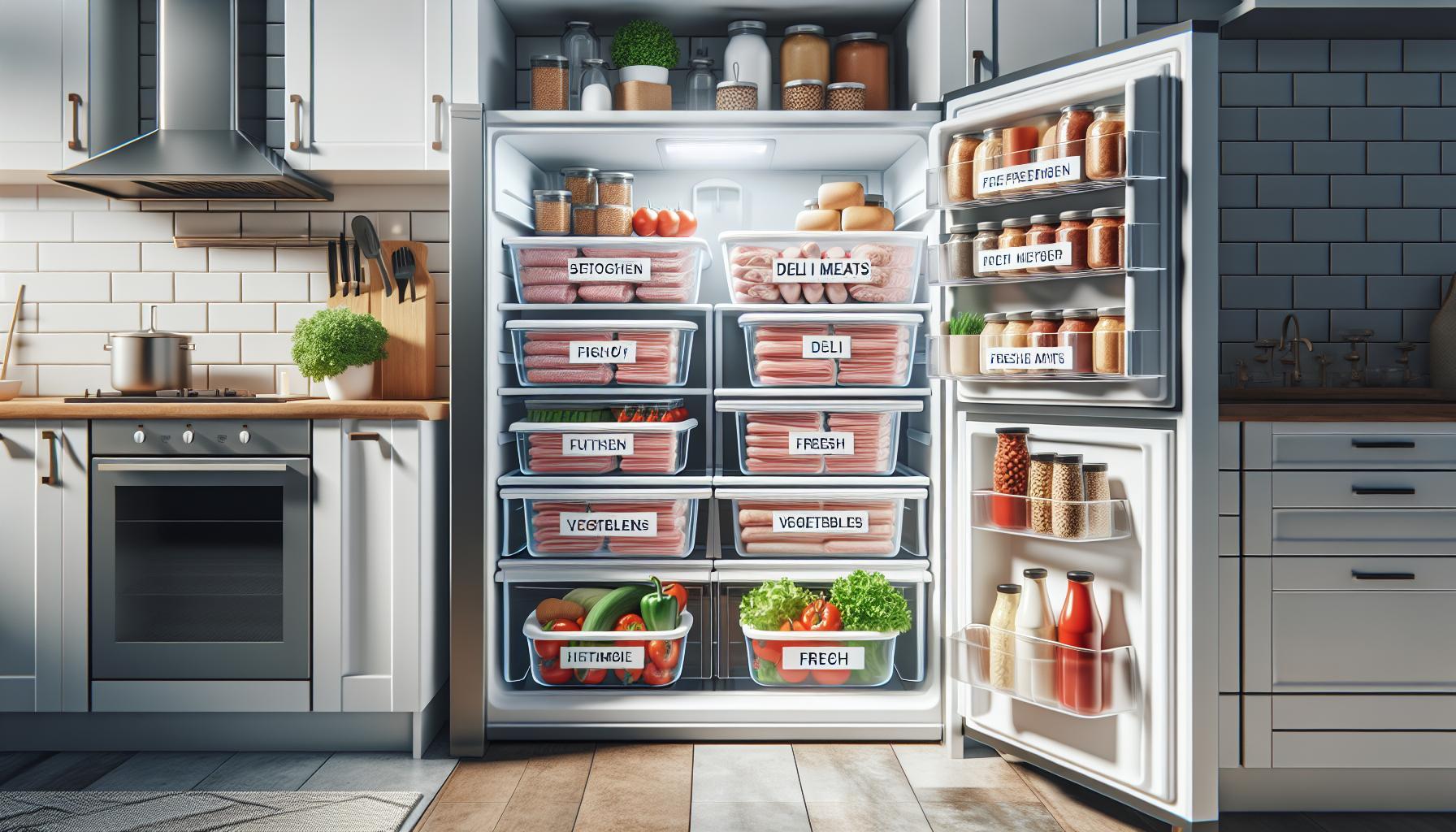
Did you know that improperly stored cooked chicken wings can pose health risks? As delicious as they are, knowing how long they can safely last in your fridge is crucial for enjoying them without worry. Typically, cooked chicken wings can be stored in the refrigerator for about three to four days, but proper storage techniques make all the difference.
Are you wondering if those leftover wings from your barbecue are still safe to eat? Understanding the guidelines for food safety and storage can help you avoid foodborne illnesses while maximizing your meal enjoyment. In this article, we’ll delve into the specifics of how to store cooked chicken wings, recognize signs of spoilage, and offer tips to ensure you’re eating safely. Your health and satisfaction are our priority, so keep reading to learn everything you need to know about leftover chicken wing safety.
How Long Can Cooked Chicken Wings Last?
Cooked chicken wings are a popular favorite for many, but ensuring their safety after cooking is crucial. Generally, properly stored cooked chicken wings can last in the refrigerator for about 3 to 4 days. This time frame allows you to enjoy their flavor while minimizing the risk of foodborne illnesses. It’s important to store them in an airtight container or tightly wrapped to prevent exposure to air, which can lead to spoilage and the absorption of other food odors.
To maximize freshness, store the wings at a consistent temperature below 40°F (4°C) in your fridge. If you know you won’t consume them within that timeframe, consider freezing them. When frozen, cooked chicken wings can last up to 4 months without significant loss of flavor or texture, making it a practical option for meal prep or to enjoy later. Just ensure they are sealed well to prevent freezer burn.
Regularly check your stored wings. If they exhibit signs of spoilage, such as an off smell, discoloration, or a slimy texture, it’s best to discard them. Practicing proper food safety can help you enjoy your chicken wings while keeping health risks at bay.
Ideal Storage Conditions for Cooked Chicken Wings
Cooking delicious chicken wings is just the first step; ensuring they stay fresh and safe to eat is equally important. To maximize the lifespan of your cooked chicken wings, consider factors like temperature, packaging, and environment. Keeping your wings at the right temperature is critical for food safety. Store them in a refrigerator set to below 40°F (4°C), which is essential to prevent the growth of harmful bacteria.
When it comes to packaging, choose airtight containers or tightly wrap your wings in plastic wrap or aluminum foil. This helps minimize exposure to air, which can lead to spoilage and the absorption of other food odors in your fridge. If you’re looking to store wings for longer periods, the freezer is your best bet. When properly sealed in freezer-safe bags or containers, cooked chicken wings can maintain their quality for up to 4 months.
Regularly inspect your stored chicken wings for any unexpected changes. If you notice an off smell, discoloration, or a slimy texture, it’s best to discard them to avoid any health risks. By following these ideal storage conditions, you can enjoy your chicken wings with confidence and security.
Signs Cooked Chicken Wings Have Spoiled
Knowing how to spot spoiled chicken wings is essential for ensuring food safety and preventing foodborne illnesses. Cooked chicken wings typically last in the fridge for up to three to four days, but various indicators can help you determine their freshness before consuming them.
One of the first signs of spoilage is a noticeable off smell. Fresh chicken wings should have a mild aroma; however, any sour or rancid odor is a clear indication that they have gone bad. Additionally, examination of the texture is crucial. If your wings feel slimy or sticky to the touch, this is a strong sign that they have spoiled and should not be consumed.
Visual inspection is equally important. Look for any discoloration, such as a dull appearance or a grayish hue. Fresh wings typically maintain a vibrant color; any fading or unusual patches may suggest deterioration. If you find any mold, even in small amounts, it’s best to discard the wings immediately. Cooking will not eliminate the toxins produced by mold.
To help ensure you don’t consume spoiled wings, regularly check your refrigerator’s temperature to keep it below 40°F (4°C), and try to consume the leftovers within the recommended timeframe. By being vigilant about these signs, you can enjoy your chicken wings safely without any health risks.
How to Properly Reheat Leftover Chicken Wings
To fully enjoy your leftover chicken wings and ensure they remain safe to eat, reheating them properly is crucial. The goal is to restore their flavor and texture while making sure they reach a safe internal temperature of 165°F (74°C) to effectively eliminate any potential bacteria.
One of the best methods to reheat chicken wings is by using an oven or an air fryer. Preheat your oven to 350°F (175°C). Spread the wings in a single layer on a baking sheet lined with parchment paper to allow for even heating. Heat them for about 10-15 minutes, turning them halfway through. This method not only warms them up but can also help maintain their crispiness. If you choose an air fryer, set it to 350°F (175°C) and cook the wings for about 5-7 minutes, checking frequently to avoid overcooking.
For those who prefer a quicker method, the microwave is an option but requires some caution to avoid sogginess. Arrange the wings on a microwave-safe plate and cover them with a damp paper towel to help retain moisture. Heat them in short intervals of 30-60 seconds, flipping the wings in between, until they reach the desired temperature. However, be aware that this method may not restore the wing’s original crispiness.
Regardless of the reheating method you choose, always use a food thermometer to ensure they have reached the safe internal temperature. This practice helps eliminate any risk of foodborne illnesses, allowing you to savor your leftover chicken wings confidently.
Health Risks of Eating Spoiled Chicken
Consuming spoiled chicken can pose significant health risks due to the presence of harmful bacteria that can proliferate in improperly stored food. Chicken that has been left in the refrigerator for longer than the recommended duration-typically about 3 to 4 days for cooked chicken wings-can become a breeding ground for pathogens like Salmonella and Campylobacter. These bacteria can cause serious foodborne illnesses that may lead to symptoms such as nausea, vomiting, diarrhea, abdominal pain, and fever. In severe cases, these infections can result in hospitalization, especially for vulnerable populations like children, the elderly, and individuals with weakened immune systems.
It’s essential to recognize signs that your chicken wings have spoiled. Look out for changes in color, an off smell, or a sticky or slimy texture. Even microscopic bacteria can multiply rapidly under the right conditions, so when in doubt, it’s safer to discard suspicious food rather than risk your health. Remember, spoiling can occur even if the chicken seems and smells fine, as some pathogens do not produce noticeable signs before they can harm you.
To minimize health risks, proper storage methods are crucial. Always refrigerate cooked chicken wings promptly in airtight containers and maintain a refrigerator temperature below 40°F (4°C). When nearing the end of their safe consumption window, consider freezing leftovers, which can extend their shelf life for several months without compromising food safety. Always practice good hygiene and avoid cross-contamination by storing raw and cooked foods separately. Following these guidelines will help you enjoy your chicken wings safely and deliciously.
Best Practices for Storing Chicken Wings
Storing cooked chicken wings correctly is essential for maintaining their quality and ensuring food safety. Following a few best practices can significantly extend the life of your delicious wings while also reducing the risk of foodborne illnesses.
One of the most effective ways to store cooked chicken wings is to place them in airtight containers or wrap them tightly in aluminum foil or plastic wrap. This is crucial to prevent moisture loss and keep out contaminants. Always prioritize refrigeration within two hours of cooking, as bacteria thrive in the temperature danger zone between 40°F (4°C) and 140°F (60°C).
It’s also important to label your containers with the date they were cooked. Cooked chicken wings are best consumed within 3 to 4 days when stored in the refrigerator. This simple step can help you track freshness and avoid the risk of spoilage. If you want to keep them for longer, consider freezing your wings. They can last in the freezer for up to 4 months when properly stored in freezer-safe bags or containers. For the best quality, flatten the bags to remove excess air before sealing, which minimizes the risk of freezer burn.
### Key Storage Tips:
- Refrigerate promptly within two hours of cooking.
- Use airtight containers or tightly wrap your wings.
- Label with dates to monitor freshness.
- Options for freezing include using freezer bags; aim to use them within four months for optimal flavor.
By implementing these best practices, you’ll not only enjoy your chicken wings longer but also contribute to a safer cooking environment for you and your loved ones. Always remember, when in doubt about the quality of your stored food, it’s better to err on the side of caution and discard any wings that look or smell questionable.
Can You Freeze Cooked Chicken Wings?
Freezing cooked chicken wings is an excellent way to extend their shelf life while preserving their flavor and texture. When done correctly, you can enjoy your wings even months after you first cooked them. The trick is to freeze them as soon as possible-ideally within a couple of hours after cooking-to maintain quality and prevent bacterial growth.
Before freezing, allow the wings to cool to room temperature. Then, package them in airtight containers or freezer-safe bags, making sure to remove as much air as possible to prevent freezer burn. Flat bags work best, as they minimize air pockets, making it easier to store them in the freezer. Label each package with the date you cooked the wings to keep tabs on their freshness. Properly stored, cooked chicken wings can last up to 4 months in the freezer.
### Best Practices for Freezing Cooked Chicken Wings
- Cool Quickly: Ensure the wings are cooled before freezing-ideally, within 2 hours of cooking.
- Use Airtight Storage: Employ airtight containers or freezer-safe bags to prevent freezer burn.
- Eliminate Air: Squeeze out excess air from bags before sealing to preserve texture.
- Label Clearly: Write the date on each package for easy tracking of freshness.
When you’re ready to enjoy your frozen wings, the safest way to defrost them is in the refrigerator overnight. This slow thawing method ensures they remain at a safe temperature. If you’re short on time, you can use the microwave’s defrost setting, but be sure to cook them immediately after thawing to ensure food safety. Enjoy your wings you prepared in advance without sacrificing flavor or safety!
How to Extend the Shelf Life of Chicken Wings
To enjoy your cooked chicken wings at their freshest and most flavorful, it’s essential to understand how to properly extend their shelf life. A common approach is to store them effectively in the refrigerator or freezer. Cooked chicken wings can be safely enjoyed for up to four days when refrigerated at or below 40°F (4°C). However, if you want to extend their usability beyond this timeframe, freezing is a superior option. When packaged properly, frozen chicken wings can retain their quality for several months.
To ensure your chicken wings last longer, always cool them to room temperature before refrigeration or freezing. This minimizes condensation, which can lead to ice crystals in frozen items. Using airtight containers or heavy-duty freezer bags is crucial; these prevent freezer burn and keep moisture locked in. Before sealing bags, press out as much air as possible; this simple step can markedly improve the quality of your wings upon thawing.
Practical Tips for Extending Shelf Life
- Storage Temperature: Keep your refrigerator at or below 40°F (4°C) and your freezer at 0°F (-18°C).
- Rapid Cooling: Place hot wings in a shallow dish to cool more quickly before refrigerating or freezing.
- Moisture Control: Avoid adding sauces or marinades until you’re ready to eat, as they can introduce extra moisture during storage.
- Check for Quality: Regularly inspect your stored wings for any signs of freezer burn or off odors.
Being proactive about how you store your chicken wings not only enhances their shelf life but also ensures you’re consuming food safely. Enjoying your wings at their peak freshness is a matter of proper storage and timely consumption.
Common Mistakes in Storing Chicken Wings
When it comes to storing chicken wings, even small oversights can lead to food spoilage or waste. One common mistake is failing to let wings cool completely before storing them in the refrigerator or freezer. Placing hot wings directly into storage can create condensation, which not only affects texture but can also promote bacterial growth. Always allow wings to cool to room temperature, ideally by spreading them out in a shallow dish to expedite this process.
Another frequent error is using improperly sealed containers. Airtight storage is paramount to maintaining the quality of cooked chicken wings. Opting for regular plastic wrap or leaving them uncovered can expose the wings to air, leading to freezer burn or spoilage. Instead, use heavy-duty freezer bags or airtight containers that prevent air exposure. When using freezer bags, make sure to expel as much air as possible before sealing.
Additionally, mixing sauces or marinades with wings before storing can introduce excess moisture, further contributing to spoilage. It’s better to add sauces just before consumption if you’re not planning to eat the wings right away. Another often overlooked aspect is not labeling your storage items. Even if you remember when you cooked the wings, labeling with the date ensures you can keep track of their freshness and avoid consuming them past their safe storage period.
Lastly, failing to regularly inspect your stored chicken wings can lead to unpleasant surprises. Make it a habit to check for signs of spoilage, such as off odors or discoloration. Following these guidelines not only protects your culinary creations but also enhances your safety and enjoyment when it’s time to dig in.
Understanding Food Safety Labels for Chicken
can significantly impact how we handle and consume chicken products, particularly when it comes to cooked chicken wings. These labels typically contain key information that guides consumers on storage, preparation, and safety practices to ensure the well-being of anyone enjoying this popular dish. A well-informed consumer understands that proper interpretation of food safety labels can help avoid health risks associated with spoiled food.
Most chicken products, including cooked wings, will have two important dates indicated on their packaging: the “sell-by” date and the “use-by” date. The “sell-by” date is intended for retailers, telling them how long they can display the product for sale. Consumers should aim to purchase products before this date to ensure freshness. The “use-by” date is more critical for consumers, indicating the last day the product is guaranteed to be at peak quality. For cooked chicken wings stored in the refrigerator, it’s typically recommended that they be consumed within 3 to 4 days of preparation, while they can last up to 6 months in a properly maintained freezer.
Additionally, labels might feature storage instructions that offer details on how to keep the chicken safe. For example, cooked chicken wings should always be stored in airtight containers or wrapped tightly to minimize exposure to air, which can accelerate spoilage. Food safety labels may also present safe cooking instructions and information on the appropriate internal temperatures to reach when reheating, ensuring that any harmful bacteria are effectively eliminated during the consumption process.
Finally, it’s wise to heed any warning symbols or reminders regarding allergens or cross-contamination. Many food safety labels are equipped with icons that signify common allergens, which can be beneficial for individuals with sensitivities or allergies. Understanding these labels not only enhances your cooking experience but can also serve as a crucial tool in preventing foodborne illnesses. Adhering to these guidelines and being mindful of the information presented on food safety labels will contribute to safer food practices and enjoyable meals.
Storage Options: Fridge vs. Freezer for Chicken Wings
When it comes to storing cooked chicken wings, understanding the differences between refrigeration and freezing can significantly impact their longevity and safety. In the fridge, cooked chicken wings typically maintain their quality for 3 to 4 days. During this time, it’s essential to keep them in airtight containers or well-wrapped to prevent moisture loss and minimize the risk of contamination. Keeping your refrigerator at or below 40°F (4°C) is critical; warmer temperatures may promote bacterial growth that could compromise the wings’ safety.
- Fridge Storage: Store in an airtight container or tightly wrapped.
- Optimal Temperature: Ensure the fridge is below 40°F (4°C).
- Shelf Life: Consume within 3 to 4 days for the best quality.
Conversely, if you need to store your wings for a longer period, the freezer is your best option. Cooked chicken wings can safely last up to 6 months in the freezer when stored in airtight containers or heavy-duty freezer bags. This method not only preserves their flavor and texture but also prevents freezer burn, which can occur when food is exposed to air. To ensure the best possible quality, it’s advisable to label the containers with the date of storage, allowing for easy tracking.
- Freezer Storage: Store in airtight containers or heavy-duty freezer bags.
- Optimal Temperature: Maintain your freezer at 0°F (-18°C) or below.
- Shelf Life: Ideal for up to 6 months.
It’s important to note that while freezing extends shelf life, the wings should be reheated properly when you’re ready to consume them. Ensure they reach an internal temperature of 165°F (74°C) to eliminate any harmful bacteria. Understanding the proper storage options for cooked chicken wings not only helps in preventing food waste but also ensures that you enjoy them at their best quality.
Quick Tips for Safe Chicken Wing Consumption
Consuming chicken wings can be a delicious experience, but ensuring safety should be a top priority. With cooked chicken wings, knowing how to handle and store them correctly can prevent foodborne illnesses. First and foremost, always check the timeline: cooked chicken wings are best consumed within 3 to 4 days when stored in the refrigerator. If you haven’t devoured them by then, it’s safer to discard rather than risk your health.
When you’re ready to enjoy your leftovers, proper reheating is crucial. Make sure they reach an internal temperature of at least 165°F (74°C) to eliminate any lingering bacteria. A quick tip is to use a food thermometer to verify this; it’s a small investment that can save you from potential illness. Additionally, remember that leftover wings should never be left at room temperature for more than two hours-this timeframe shrinks to just one hour if the temperature is above 90°F (32°C).
For those who love to plan ahead, freezing cooked chicken wings can extend their shelf life to about 6 months. Be sure to pack them in airtight containers or heavy-duty freezer bags, and remember to label with the date to keep track of freshness. When thawing, do so in the refrigerator or microwave rather than at room temperature, which can allow bacteria to thrive.
Lastly, always be cautious of signs that your wings may have spoiled. Look for changes in color, texture, or smell. If anything seems off, it’s best to err on the side of caution and throw them away. By following these simple yet effective tips, you can enjoy your chicken wings safely and deliciously.
Q&A
Q: How can you tell if cooked chicken wings are bad?
A: To determine if cooked chicken wings have spoiled, look for changes in color, texture, and odor. Sour smells, a slimy texture, or discoloration indicate spoilage. If in doubt, it’s best to err on the side of caution and discard them.
Q: What is the best way to store cooked chicken wings?
A: Store cooked chicken wings in an airtight container or tightly wrapped in aluminum foil or plastic wrap. Ensure the wings are cooled to room temperature before refrigerating. This method helps maintain freshness for up to four days.
Q: Can I eat chicken wings that have been left out overnight?
A: It’s not safe to eat chicken wings that have been left out at room temperature for more than two hours. Bacteria can grow rapidly in these conditions, making the wings unsafe for consumption. Always refrigerate leftovers promptly.
Q: How long can cooked chicken wings be kept in the freezer?
A: Cooked chicken wings can be safely stored in the freezer for up to four months. For best quality, place them in a freezer-safe bag or container, removing as much air as possible before sealing.
Q: Should I reheat chicken wings before eating?
A: Yes, it’s essential to reheat chicken wings to an internal temperature of 165°F (74°C) to ensure safety. Use an oven or microwave, and check with a food thermometer. This practice helps kill any bacteria that may have developed.
Q: What are the health risks of eating spoiled chicken wings?
A: Eating spoiled chicken wings can lead to foodborne illnesses, such as Salmonella or E. coli infections. Symptoms may include nausea, vomiting, diarrhea, and abdominal cramps. Always prioritize safety and assess the quality of food before consumption.
Q: Can I use marinades after they’ve touched raw chicken wings?
A: No, marinades that have come into contact with raw chicken wings can harbor harmful bacteria. If you wish to use a marinade for flavoring, reserve a portion before adding raw chicken or bring it to a boil before using it with cooked wings.
Q: What should I do if I find mold on my chicken wings?
A: If you discover mold on your chicken wings, dispose of them immediately. Mold can indicate spoilage, and consuming spoiled food can pose serious health risks. Do not attempt to cut off the moldy parts and eat the rest.
In Retrospect
In conclusion, ensuring your cooked chicken wings are safely stored in the fridge is crucial for both your health and enjoyment. Remember, properly stored, they can last 3 to 4 days, so don’t hesitate to dive into those delicious leftovers! If you’re still curious about maximizing food freshness, check out our guides on “Best Practices for Storing Leftovers” and “Signs Your Food Has Gone Bad” for more insights.
Take action now: double-check your fridge for any leftovers and apply these storage tips to keep your meals safe. Don’t forget to sign up for our newsletter for weekly tips on food safety and delicious recipes that will keep you coming back for more! If you have questions, or personal tips, feel free to drop a comment below-sharing your experiences not only enhances our community but also helps others make informed decisions. Keep exploring our site for more valuable food safety content that ensures your kitchen remains a safe space!