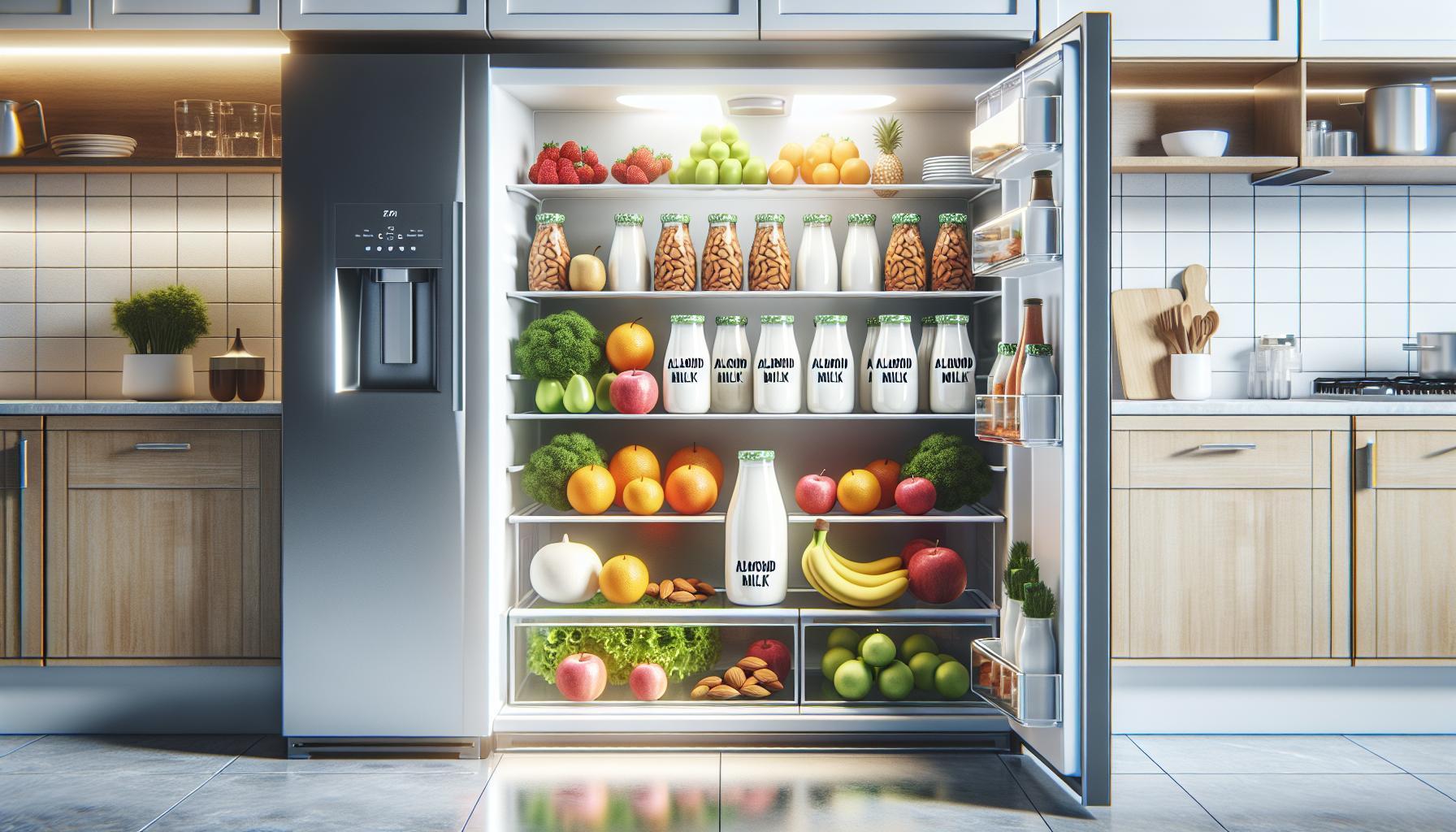

Almond milk is a popular dairy alternative, but do you know how long it actually lasts in the fridge? Many people are surprised to learn that, after opening, refrigerated almond milk typically only stays fresh for about a week. Understanding its shelf life not only prevents unpleasant sour surprises but also helps you make the most of your purchases and reduce waste.
With the rise in plant-based diets, almond milk has become a staple in many households. However, without proper storage and awareness of its expiration timeline, you could end up tossing out perfectly good almond milk. Join us as we explore essential storage tips and guidelines to maximize the freshness of your almond milk, ensuring that every sip is as delicious as the first. Learn how to properly check for spoilage signs and what to do if you’re unsure about its freshness-your smoothie or cereal will thank you!
Understanding the Shelf Life of Almond Milk
When incorporating almond milk into your dietary routine, understanding its shelf life can prevent unpleasant surprises and ensure optimal freshness. Almond milk, whether homemade or store-bought, typically lasts between 7 to 10 days in the refrigerator once opened, provided it is stored correctly. For unopened cartons, the shelf life can extend significantly, often lasting several months past the printed expiration date due to the shelf-stable packaging commonly used in commercial almond milks.
Several factors can influence how long almond milk remains safe and palatable. The ingredients, such as additional preservatives or flavorings, can enhance its longevity. Homemade almond milk, on the other hand, lacks these preservatives and may spoil more quickly, emphasizing the importance of consuming it within a few days. Additionally, always check for signs of spoilage, such as off-odors, changes in texture, or an unusual taste, which signal that it’s time to discard the milk.
To maximize the shelf life of almond milk, store it in the coldest part of the refrigerator, preferably towards the back, rather than in the door, where temperatures can fluctuate more. Sealing it tightly after each use will also help delay spoilage by minimizing exposure to air. If you’re making almond milk at home, consider batch sizing your preparation to avoid wasting unused portions.
Recognizing the specific attributes of almond milk storage not only enhances your culinary experience but also supports safe consumption habits. By being mindful of these guidelines, you can enjoy your almond milk without concern, ensuring it remains a delightful addition to your meals and beverages.
Factors Influencing Almond Milk Longevity
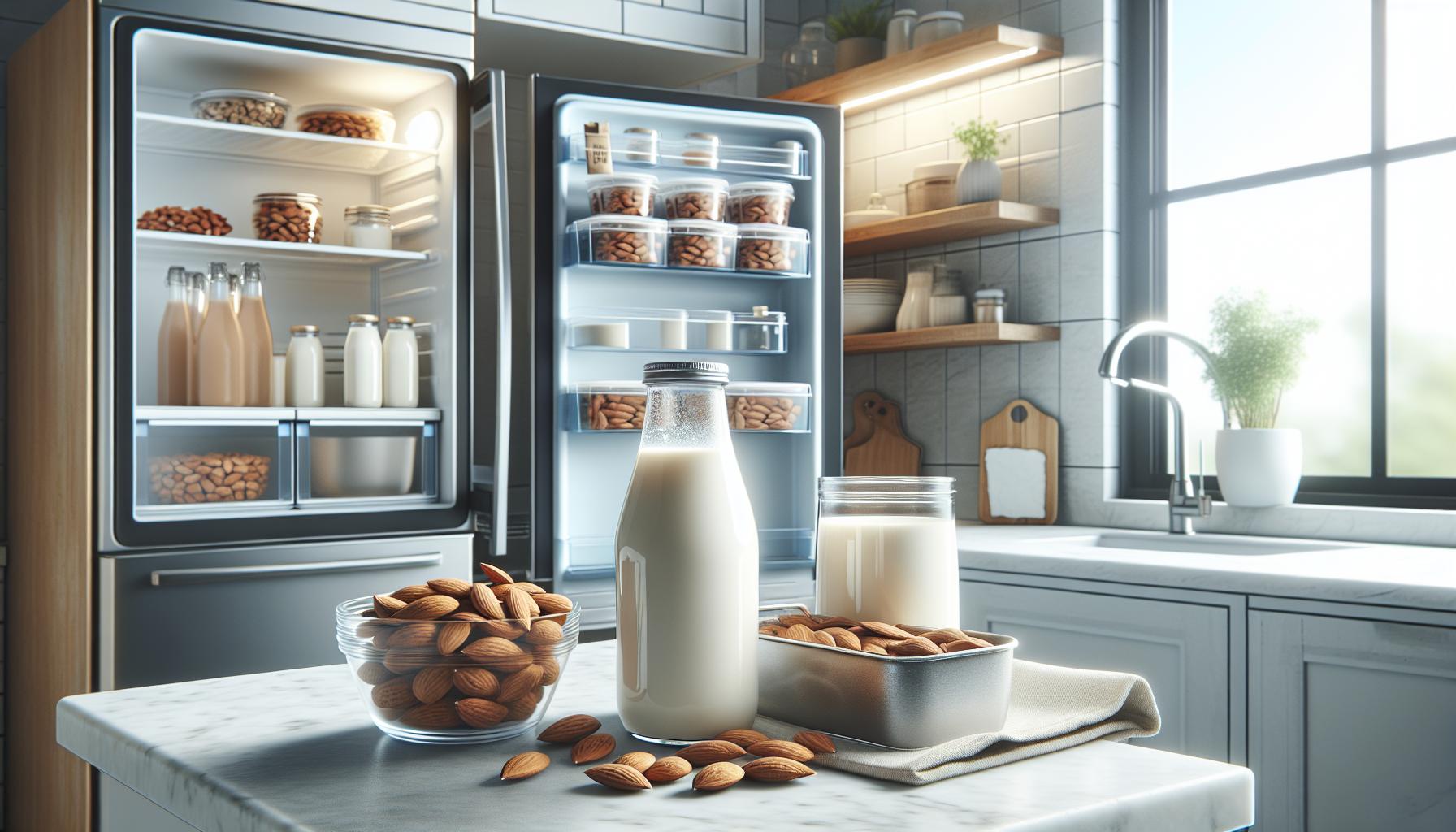
Almond milk’s longevity in your refrigerator can be influenced by a variety of factors, which are essential for maintaining its quality and safety. One major aspect to consider is the ingredients in the almond milk. Store-bought varieties often contain preservatives, such as potassium sorbate or calcium carbonate, which extend shelf life by inhibiting microbial growth. Conversely, homemade almond milk, typically free from these additives, tends to spoil faster, generally within 3 to 5 days. This shorter window highlights the need for mindful consumption.
Another significant factor is temperature control. Almond milk should always be stored at or below 40°F (4°C). The temperature fluctuations commonly associated with refrigerator doors can compromise its freshness. Keeping almond milk in the coldest part of the fridge-usually towards the back-ensures it stays well-preserved for as long as possible.
Moreover, packaging plays a crucial role in shelf life. Commercial almond milk often comes in aseptic cartons, which provide a barrier against air and light, further extending its preservation even when unopened. Once opened, exposure to air can lead to oxidation, impacting both flavor and safety. For optimal use, resealing the container tightly after each pour is imperative.
Lastly, it is important to constantly be on the lookout for signs of spoilage. Changes in smell, taste, or texture can indicate that almond milk has gone bad, regardless of its sell-by date. Creating a habit to check these attributes can prevent consuming spoiled milk, reinforcing safe consumption practices. By understanding these factors, you can take proactive steps to ensure that your almond milk remains fresh and enjoyable for as long as possible.
How to Properly Store Almond Milk
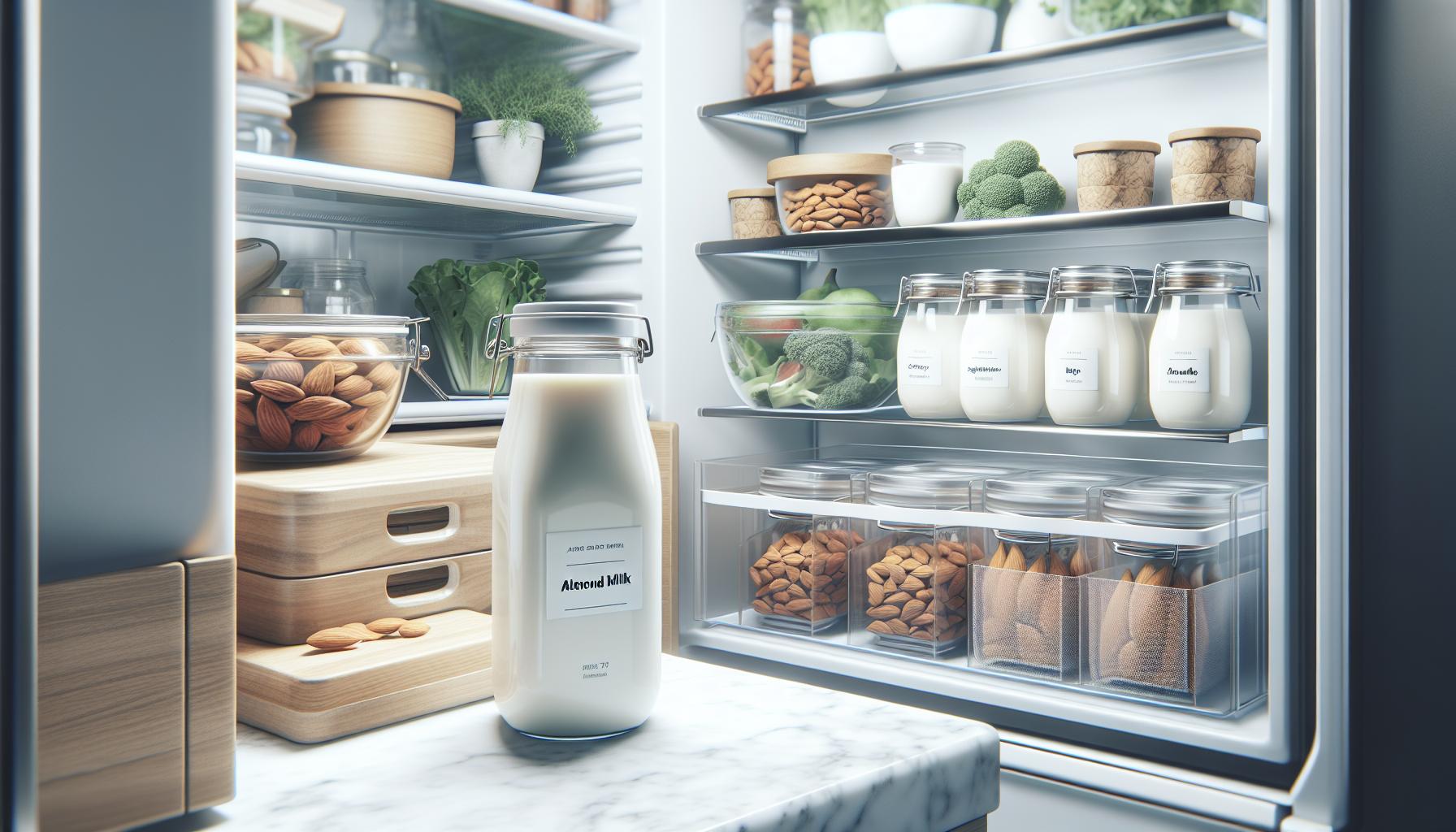
To ensure the best quality and longevity of almond milk, proper storage techniques are essential. Whether you’re using store-bought or homemade almond milk, understanding how to create an optimal storage environment can prevent unwanted spoilage and maintain flavor.
Start by always refrigerating almond milk immediately after opening. Recognize that the ideal storage temperature is at or below 40°F (4°C). To avoid temperature fluctuations, it’s advisable to keep the almond milk in the coldest part of the refrigerator, typically towards the back, rather than in the door, where temperatures can rise more frequently due to opening and closing.
Packaging also plays a critical role in preserving almond milk’s freshness. Most commercial almond milks are sold in aseptic cartons that protect against light and air, shielding the contents from spoilage. Once opened, sealing the carton tightly after each use is crucial to minimize exposure to air. For homemade almond milk, which usually doesn’t contain preservatives, it should be stored in a clean, airtight container. Glass jars can be an excellent choice, as they help reduce potential interaction with plastic materials.
Regularly check for signs of spoilage before using almond milk, even if it hasn’t reached the sell-by date. If you notice any changes in smell, consistency, or taste, it’s best to discard the product to avoid any health risks. Making these meticulous storage choices will enhance your almond milk experience, allowing you to enjoy its rich flavor and health benefits for a longer period.
Signs Your Almond Milk Has Gone Bad
Almond milk, while a popular dairy alternative, is not impervious to spoilage. Understanding the signs that indicate almond milk has gone bad is crucial for both your health and culinary experience. One of the most noticeable indicators of spoilage is a change in smell. Fresh almond milk typically emits a light, nutty aroma; however, if it develops a sour or off-putting scent, it’s a clear sign that it should be discarded immediately.
Texture is another vital aspect to monitor. Fresh almond milk has a smooth and creamy consistency. If you notice any curdling, separation, or an unusually thick texture, these changes often signal bacterial growth and spoilage. Additionally, taste is a critical factor. If the almond milk tastes bitter, sour, or otherwise unpleasant, it’s best to err on the side of caution and throw it away.
Storing almond milk properly can help extend its shelf life, but even with the best practices, it typically lasts only about 7 to 10 days after opening. Homemade almond milk, which lacks preservatives, tends to spoil even more quickly than commercial varieties. Always check the expiration date on the packaging, but don’t rely solely on it-using your senses is the most reliable way to determine freshness. Regularly inspect your almond milk for any of these signs of spoilage, and when in doubt, it’s safer to discard it rather than risk consuming spoiled product.
With these guidelines, you can confidently enjoy your almond milk while avoiding any unpleasant surprises that might affect your health.
Homemade vs. Store-Bought Almond Milk: Storage Tips
Almond milk is a versatile and nutritious alternative to dairy, but how you store it can significantly affect its longevity and quality. When considering homemade versus store-bought almond milk, it’s essential to recognize their distinct storage requirements due to differences in ingredients and preservatives.
Homemade Almond Milk Storage
Creating almond milk at home is a popular choice for those seeking a fresh and more personalized product. However, homemade almond milk is free from preservatives and typically has a shorter shelf life, usually lasting about 3 to 5 days in the refrigerator. To maximize freshness, store it in a well-sealed, glass container and keep it in the coldest part of your refrigerator, avoiding the door where temperatures fluctuate. You can make the milk last a bit longer by only pouring out what you need at each use, minimizing exposure to air and bacteria.
Store-Bought Almond Milk Storage
On the other hand, store-bought almond milk generally comes in two varieties: shelf-stable and refrigerated. Unopened shelf-stable almond milk can last for up to 12 months when stored in a cool, dry place. Once opened, it should be consumed within 7 to 10 days and must be kept in the refrigerator. For refrigerated almond milk, the same guideline applies; once opened, use it within a week. It’s crucial to always check the “best by” date on the carton to ensure you’re consuming the product at its freshest.
Storage Tips for Both Types
Regardless of the type you choose, here are some storage tips to ensure your almond milk remains fresh and tasty:
- Always keep almond milk tightly sealed when not in use to prevent contamination.
- Store it at the back of the fridge where temperatures are most stable.
- Avoid leaving it out at room temperature for extended periods, as this can lead to spoilage.
- If you notice any changes in smell, texture, or flavor, it’s best to discard the product.
By following these guidelines, you can ensure that your almond milk, whether homemade or store-bought, remains fresh and delicious, allowing you to enjoy this nutty beverage without the worry of unwanted surprises.
Extending the Freshness of Almond Milk
To keep almond milk fresh for an extended period, it’s important to adopt proper storage techniques from the moment you purchase or make it. One fundamental in extending the lifespan of any perishable item is to limit its exposure to air and light, both of which can accelerate spoilage. For store-bought almond milk, always keep the container tightly sealed when not in use; this simple act can prevent unwanted contaminants from entering and extend freshness significantly.
When it comes to homemade almond milk, which lacks preservatives, following some extra steps can be particularly beneficial. Store it in a glass container – preferably one that can be tightly sealed – to minimize interactions with air. Furthermore, positioning your almond milk at the back of the refrigerator, where temperatures are most consistent, can help maintain its quality. Each time you pour, try to minimize exposure by only taking what you need, keeping the rest sealed and protected.
While refrigeration is crucial, there are other strategies to prolong the life of almond milk. If you find yourself unable to consume opened or homemade almond milk within the recommended timeframe, freezing is an excellent option. By using freezer-safe containers and leaving headspace for expansion, almond milk can be stored in the freezer for up to 3-4 months. Take care to label the containers with the date, making it easier to manage what you have on hand.
It’s also wise to regularly check the “best by” dates on store-bought almond milk and monitor for any signs of spoilage, such as sour odors or changes in texture. Should you detect any off-smells or unusual flavors, it’s best to err on the side of caution and discard the product. By applying these practices, you can enjoy your almond milk longer while reducing waste and ensuring safety.
Freezing Almond Milk: Is It Possible?
Freezing almond milk can be a fantastic solution for those looking to extend its shelf life, particularly if you have opened a carton or made a large batch of homemade almond milk. While it’s generally advised to consume almond milk within a week of opening to ensure freshness, freezing allows you to keep it for three to four months. This not only helps reduce waste but also provides you with a convenient option for smoothies, baking, or cooking whenever you need it.
To freeze almond milk effectively, start by choosing the right container. Use freezer-safe jars or containers, ensuring that they are airtight to prevent freezer burn. Pour the almond milk into the container, but be sure to leave about an inch of headspace at the top. This space is crucial, as liquids expand when frozen. After pouring, seal the container tightly and clearly label it with the date to keep track of how long it has been in the freezer.
When you’re ready to use the frozen almond milk, transfer it to the refrigerator and allow it to thaw gradually, which can take several hours or overnight. If you’re pressed for time, you can also thaw it in a warm water bath or the microwave, but be cautious with the microwave to avoid cooking the milk. Once thawed, give it a good shake or stir, as separation may occur, which is perfectly normal and won’t affect its safety. However, be aware that the texture may change slightly, becoming more grainy or less smooth, making it ideal for cooking or blending rather than drinking straight.
In conclusion, freezing almond milk can be a practical method for reducing waste and making meal prep easier. Just follow proper freezing techniques, and you can enjoy the benefits without sacrificing quality or safety. Remember to always check the milk for any off smells or unusual textures post-thawing, ensuring it’s still good to use.
How to Use Leftover Almond Milk
Using leftover almond milk creatively not only prevents waste but also enhances your culinary repertoire. If you find yourself with extra almond milk nearing its expiration, consider these practical uses to ensure that none goes to waste while enjoying its nutty undertones.
One of the simplest ways to utilize leftover almond milk is in your morning smoothies. Incorporating almond milk can add a creamy texture without overwhelming the flavor of your fruits or greens. Just blend it with your favorite ingredients-bananas, spinach, and a scoop of protein powder, for instance-and enjoy a nutritious start to your day. For a silken finish, replace standard milk or water in recipes like oatmeal or protein pancakes with almond milk. Not only will it enhance the taste, but it will also contribute beneficial nutrients worth savoring.
Culinary Applications
Beyond breakfast, almond milk can serve as a delightful dairy substitute in many recipes. Here are some ideas to inspire you:
- Cooking Grains: Use almond milk in place of water or broth when cooking rice or quinoa, adding a subtle flavor.
- Baking: Substitute almond milk for regular milk in muffin, cake, or cookie recipes. Its natural sweetness can be a wonderful complement to baked goods.
- Soups and Sauces: Incorporate almond milk into creamy soups and sauces, blending it with sautéed vegetables for an easy, plant-based option.
- Coffee and Creamers: Blend it into your coffee or use it as a base for homemade coffee creamers by adding flavors like vanilla or cocoa.
Storage and Usage Guidelines
For best quality, leftover almond milk should be consumed within 5-7 days after opening. Storing it properly in the refrigerator at or below 40°F (4°C) helps maintain its freshness and flavor. Always conduct a visual and scent check before using; any off-smell or unusual texture can indicate spoilage.
When planning to use leftover almond milk, remember that cooking or blending can mask slight changes in texture. Once yogurt-like consistency is noted, it’s perfect for smoothies or recipes where a smooth finish isn’t required. This way, you can extend its usability while still enjoying the nutritional benefits of this versatile plant-based milk.
Best Practices for Food Safety with Almond Milk
Ensuring food safety with almond milk not only safeguards your health but also maximizes its shelf life. One crucial practice is to always check the expiration date on the carton before consuming. Unopened almond milk can last for 7-10 days in the refrigerator past its printed expiration date, while once opened, it should ideally be consumed within 3-5 days. Storing almond milk in an airtight container is vital to prevent it from absorbing odors or flavors from other foods in your refrigerator.
To maintain the quality of your almond milk, keep the storage temperature at or below 40°F (4°C). Frequent temperature fluctuations can hasten spoilage, making it essential to avoid placing the carton in the door of the refrigerator, where warmer air tends to circulate. For opened almond milk, always perform a visual inspection and a smell test before use; any off-odors or unusual separation can be telltale signs that the milk has gone bad.
When it comes to homemade almond milk, its shelf life is considerably shorter compared to store-bought versions, typically lasting just 3-4 days due to the lack of preservatives. Therefore, it’s best to make smaller batches that can be consumed swiftly. After preparing homemade almond milk, store it in a clean, airtight glass jar for optimal freshness. If you’re looking to extend the shelf life of almond milk, consider freezing it in ice cube trays. Just remember to thaw it thoroughly before use, as separation may occur.
Finally, facilitating proper food handling ensures that you minimize the risk of foodborne illnesses. Always use clean utensils when pouring or measuring almond milk. Avoid leaving it out at room temperature for more than two hours, as this can promote bacterial growth. By following these best practices, you’ll ensure that your almond milk remains fresh and safe for consumption, allowing you to enjoy its delightful taste without worry.
Common Myths About Almond Milk Storage
Many misconceptions surround the storage of almond milk, leading to unnecessary waste and potential food safety concerns. One prevailing myth is that all almond milk requires refrigeration, regardless of whether it’s opened or unopened. In reality, while opened almond milk should always be refrigerated to maintain freshness, unopened shelf-stable varieties can be stored at room temperature until they are opened. This distinction is crucial for consumers to understand, as it can affect both the longevity and quality of the product.
Another common belief is that almond milk can be consumed long after the expiration date without any consequences. While it is true that unopened almond milk may remain good for 7-10 days past its expiration date if kept refrigerated, signs of spoilage should always be checked before consumption. Visual inspections, smell tests, and being aware of any unusual separation are essential practices to determine freshness. Trusting the sell-by date alone is not sufficient for ensuring safety.
Many also assume that homemade almond milk lasts as long as store-bought versions due to the absence of preservatives. In fact, homemade almond milk typically has a shelf life of only 3-4 days, necessitating careful planning during preparation. Consumers should make smaller batches that can be consumed quickly and should always store any leftovers in clean, airtight containers to preserve their quality as much as possible.
Lastly, there is a myth that freezing almond milk harms its texture and flavor irrevocably. While freezing can alter the consistency of almond milk, it is still an effective way to extend its shelf life. When thawed, users may notice separation, but this can easily be remedied by shaking or blending the milk before use. Understanding these myths can help consumers make informed choices and maximize the enjoyment of their almond milk without the fear of spoilage.
What to Do with Spoiled Almond Milk
Using spoiled almond milk can be disappointing, but it also offers an opportunity to avoid waste and recycle those resources creatively. If you find a carton of almond milk that has gone bad, you should first confirm its spoilage. Signs include an off smell, unusual texture such as curdling, or a sour taste. When in doubt, it’s safer to dispose of the milk rather than risk potential foodborne illnesses.
If the almond milk has indeed spoiled and you are looking for ways to put it to use, there are several options to consider.
- Composting: Almond milk, especially homemade varieties, can be added to compost piles. Since it’s derived from plant sources, it can contribute to enriching your compost.
- Baking: In cases where the milk has merely soured but is not spoiled (no off-putting smell or visible curdling), it can be used in recipes for baked goods such as pancakes, muffins, or bread. The acidity can even enhance the flavor, much like soured milk in traditional recipes.
- Facial Mask: Spoiled almond milk can be used in DIY beauty treatments. The natural oils and nutrients can benefit the skin, making a soothing face mask. Make sure the milk doesn’t smell or feel alarming before applying it to your skin.
- Cleaning Products: The natural components of almond milk may allow for cleaning uses, like in homemade laundry detergent or as a natural fabric softener when mixed with vinegar, though caution is advised when using it on surfaces.
Additionally, remember to practice safe food disposal when almond milk has gone bad. Seal it in a plastic bag or container before throwing away to prevent any unwanted odors, and clean any containers that held the milk thoroughly to avoid lingering smells. Learning to utilize spoiled almond milk creatively can not only minimize waste but also provide unexpected benefits in your cooking and sustainable practices.
Frequently asked questions
Q: How long can I keep opened almond milk in the fridge?
A: Once opened, almond milk can typically last for 7 to 10 days in the fridge. Always check the expiration date on the packaging and ensure it has been stored properly to maintain quality.
Q: What temperature should almond milk be stored at in the fridge?
A: Almond milk should be stored at or below 40°F (4°C) in the refrigerator. Keeping it at a consistent cool temperature helps prevent spoilage and maintain freshness.
Q: Can I drink almond milk that’s a few days past the expiration date?
A: It is not recommended to drink almond milk past its expiration date. Always check for signs of spoilage, such as off-smell or changes in texture, before consumption.
Q: Does almond milk go bad if left out overnight?
A: Yes, almond milk should not be left out at room temperature for more than two hours. If left out overnight, it should be discarded to avoid the risk of foodborne illness.
Q: How can I tell if almond milk has gone bad?
A: Signs that almond milk has gone bad include a sour smell, curdled texture, or an off-taste. If you notice any of these signs, it’s best to discard it.
Q: Can I freeze almond milk to extend its shelf life?
A: Yes, you can freeze almond milk to extend its shelf life. Freezing can alter the texture, so it’s best to use it in smoothies or cooking after thawing. Be sure to use it within 3 to 6 months for the best quality.
Q: What is the best way to store almond milk?
A: To best store almond milk, keep it tightly sealed in its original container and refrigerated at all times. For opened cartons, consume it within 7 to 10 days for optimal freshness.
Q: Is homemade almond milk different in longevity compared to store-bought?
A: Yes, homemade almond milk typically lasts 3 to 5 days in the refrigerator, while store-bought versions can last up to 10 days due to added preservatives. Always store homemade almond milk in a clean, airtight container.
In Conclusion
Now that you know how long almond milk lasts in the fridge and how to avoid those unwanted sour surprises, it’s time to put that knowledge to use! Timely consumption is key-remember to enjoy your refrigerated almond milk within 7 days of opening for the best flavor and safety. If you’re unsure about its freshness, always check for signs of spoilage before pouring a glass.
For more tips on food storage and maximizing the shelf life of your favorite products, explore our articles on the proper ways to store different types of milk and how to recognize spoilage in various foods. Want to stay updated with the latest in food safety? Sign up for our newsletter today to receive expert tips right in your inbox. Don’t let your almond milk go to waste-act now and enhance your kitchen knowledge!