
Chicken noodle soup is more than just a comforting dish; it’s a staple in many households, especially on cold days or when you’re feeling under the weather. But how long can you safely store this classic delicacy in the fridge? Understanding proper storage guidelines not only ensures that your soup retains its delicious taste but also helps prevent foodborne illnesses.
Typically, homemade chicken noodle soup can last about three to four days in the refrigerator when stored correctly. However, this timeframe can vary based on how the soup was prepared and the conditions in which it is stored. Knowing the signs of spoilage and best practices for storage can make all the difference. As you dive into the details, you’ll discover not only how to maximize freshness but also how to enjoy this beloved comfort food safely. Keep reading to learn more about how to preserve your chicken noodle soup while maintaining its comforting appeal.
How Long Can Chicken Noodle Soup Last in the Fridge?
Chicken noodle soup is a beloved comfort food, perfect for warming up on a chilly day or soothing an upset stomach. However, understanding how long you can keep it in the fridge is crucial for both food safety and enjoying its best flavors. Generally, homemade chicken noodle soup will last about 3 to 4 days in the refrigerator if stored properly in an airtight container. Store-bought varieties may have a longer shelf life due to preservatives, but it’s always best to check the “best by” date on the packaging.
To ensure your soup maintains its quality throughout its refrigerated life, allow it to cool to room temperature before transferring it to the fridge. Keeping the soup in a shallow container can also help it cool down quickly and evenly. When you’re ready to enjoy it again, remember to reheat it thoroughly until it reaches an internal temperature of 165°F (74°C) to ensure any harmful bacteria are eliminated.
Extending the life of chicken noodle soup often involves careful attention to storage practices. If you find yourself with leftovers that you can’t consume within the 3 to 4 days timeframe, consider freezing them. Frozen chicken noodle soup can last for several months, allowing you to have a delicious meal on hand whenever you need it. Just be sure to label your containers with the date of freezing to keep track of their freshness!
Signs Your Chicken Noodle Soup Has Gone Bad
Knowing how to identify when chicken noodle soup has gone bad is essential for both safety and flavor. Over time, even properly stored soup can develop signs of spoilage. Recognizing these indicators will help you avoid foodborne illnesses and ensure that your meal remains enjoyable.
One of the first signs that your chicken noodle soup may not be safe to eat is the presence of an off or sour smell. Fresh soup should have a comforting aroma, but if you detect a pungent or unusual odor, it’s time to discard it. Visual cues are equally important; look for any changes in color or the presence of mold. If you notice any dark spots, floating particles that weren’t there before, or a cloudy appearance in what should be a clear broth, these are strong signs of spoilage.
Texture is another critical aspect to monitor. If your soup has developed a slimy film or the noodles seem mushy and overly soft, it’s best to err on the side of caution and throw it away. Additionally, taste a small spoonful only if the soup looks and smells fresh; otherwise, it’s safer not to consume it.
When in doubt, always adhere to the general guideline that chicken noodle soup should not be consumed if it has been stored for longer than 3 to 4 days in the fridge. If you’re uncertain about the soup’s safety despite it appearing normal, trust your instincts-it’s better to waste food than risk your health.
Best Practices for Storing Chicken Noodle Soup
Storing chicken noodle soup correctly can mean the difference between enjoying a comforting meal and risking foodborne illness. To ensure your homemade or leftover soup retains its delicious flavor and safety, it’s essential to follow specific best practices. One key guideline is to refrigerate the soup within two hours of cooking or serving; this helps prevent harmful bacteria from proliferating.
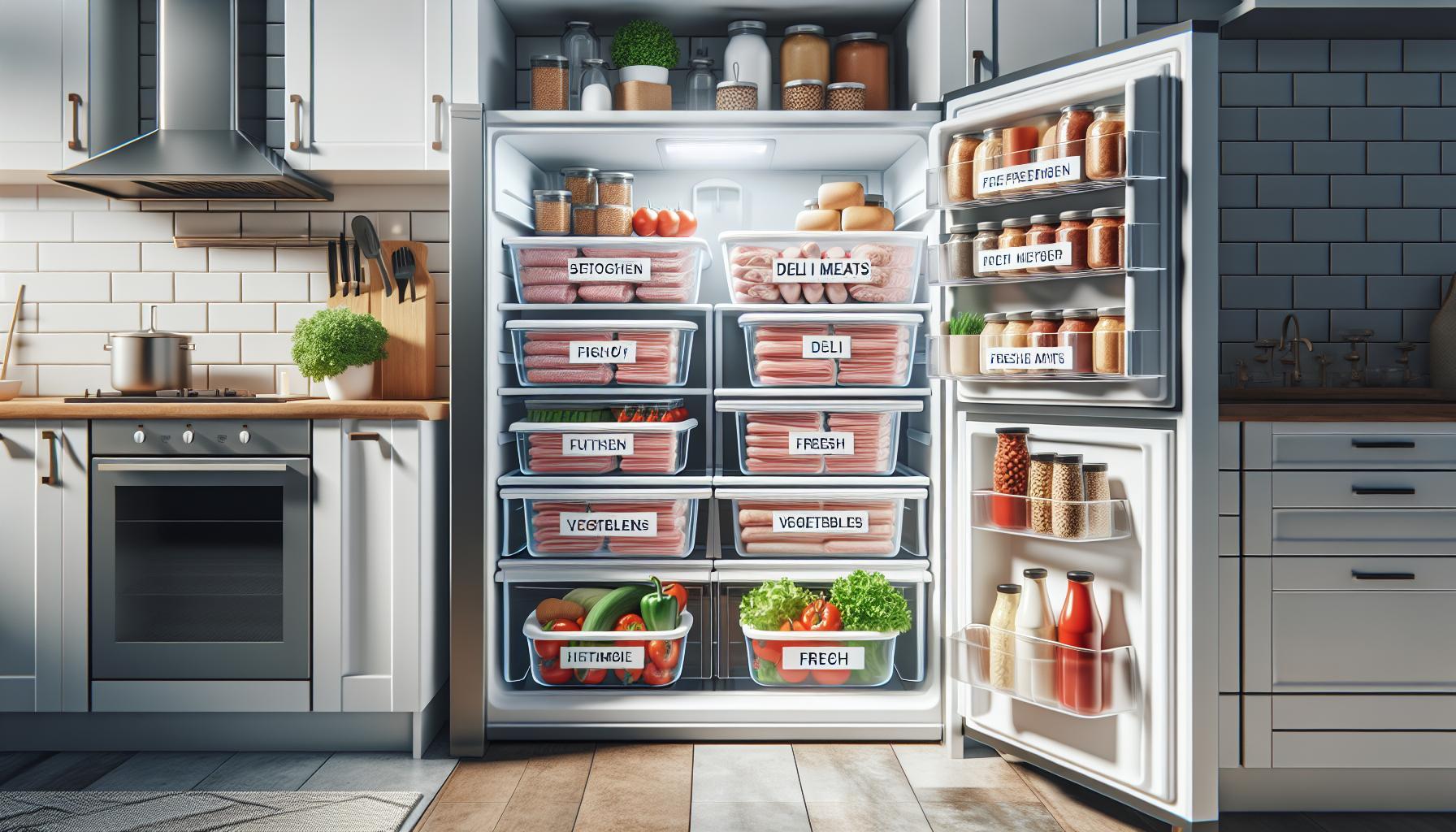
Use airtight containers when storing soup to minimize exposure to air, which helps maintain freshness and flavor. Glass containers are particularly effective, as they don’t retain odors or stain. Fill the containers to just below the top to allow for expansion during freezing, if applicable, but ensure they are not overfilled.
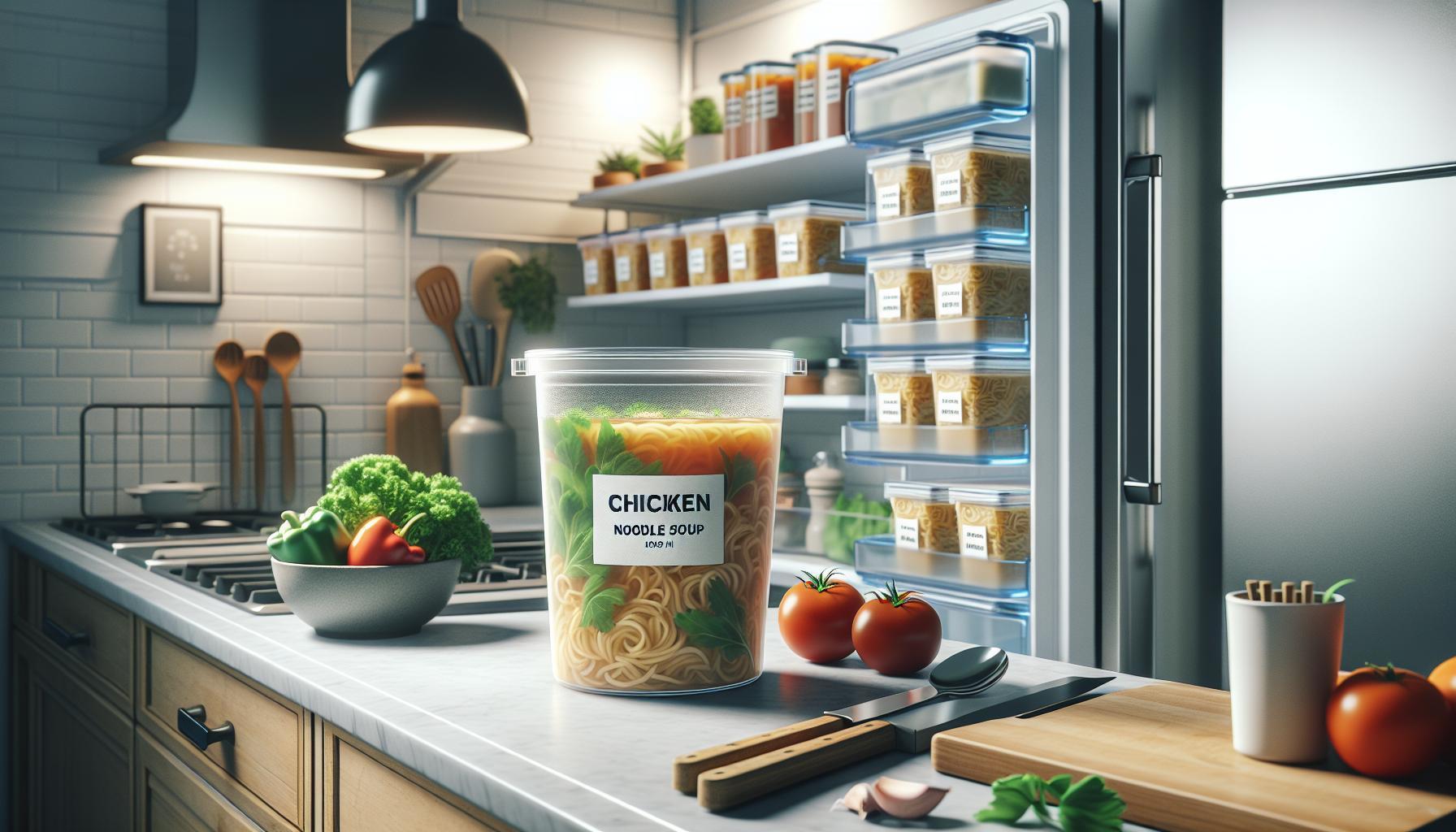
For optimal refrigerator storage, label each container with the date it was made or stored. This way, you can keep track of how long the soup has been in the fridge and easily determine its freshness. Remember, chicken noodle soup is best consumed within 3 to 4 days after storage. If you plan to keep it longer, consider freezing it for future use. Just like when refrigerating, allow the soup to cool down before placing it in the freezer to protect the quality of both the soup and your freezer’s temperature.
Regularly check your refrigerator’s temperature; ensuring it stays below 40°F (4°C) will significantly aid in keeping your chicken noodle soup safe and tasty. Following these storage guidelines not only maximizes the lifespan of your soup but also delivers peace of mind knowing you’re keeping health risks at bay.
Food Safety Tips for Leftover Soup
To ensure that leftover chicken noodle soup remains safe for consumption, it’s important to implement certain food safety practices from the moment it’s prepared to when it is ultimately served again. One of the critical rules is to refrigerate the soup within two hours of cooking. This timeframe is vital as it helps prevent the growth of harmful bacteria that can cause foodborne illnesses. If the room temperature is above 90°F (32°C), this window shortens to just one hour.
When storing your soup, always transfer it to air-tight containers to minimize exposure to air, which helps preserve both the flavor and the safety of the dish. Glass containers are preferable as they do not impart any odors or flavor transfers, and they allow you to easily see what’s inside. To ensure longevity, fill the containers to just below the rim to allow for expansion if you decide to freeze part of it later. Don’t forget to label the containers with the date; consuming your soup within 3 to 4 days will ensure the best taste, texture, and safety.
Before reheating, always check your soup for signs of spoilage such as unusual smells, changes in texture, or mold. To safely reheat the soup, bring it to a boil on the stovetop or heat in the microwave until it reaches at least 165°F (74°C) to ensure that any potential bacteria are killed. It’s also advisable to stir the soup during microwaving for even heating. If there’s any doubt about its safety, it’s always better to err on the side of caution and discard the soup rather than risking foodborne illness. By following these straightforward tips, you can enjoy your comforting chicken noodle soup while keeping safety a priority.
Freezing Chicken Noodle Soup: What You Need to Know
Freezing chicken noodle soup is an excellent way to extend its shelf life while retaining its comforting flavor. When properly frozen, your delicious soup can last up to 3 months in the freezer without significant loss of quality. To ensure the best results, consider the following guidelines for safe and effective freezing.
Start by allowing the soup to cool to room temperature before transferring it to the freezer. Rapid cooling is crucial to prevent the growth of bacteria. Use freezer-safe containers or heavy-duty freezer bags, leaving some space at the top of the container or bag for the soup to expand as it freezes. If using a bag, lay it flat in the freezer for space efficiency; this also speeds up the freezing process. Always label the containers or bags with the date they were frozen, so you can keep track of their freshness.
Thawing and Reheating
When you’re ready to enjoy your frozen soup, the safest method to thaw it is in the refrigerator overnight. If you’re short on time, you can also run the sealed bag under cold water or use the defrost setting on your microwave. Reheating should be done thoroughly; heat the soup on the stovetop or microwave until it reaches an internal temperature of at least 165°F (74°C). Be sure to stir it well during reheating to ensure even temperature distribution and eliminate any cold spots where bacteria might survive.
By following these steps for freezing chicken noodle soup, you can enjoy this comforting dish at a later date without any compromise in safety or flavor.
Reheating Chicken Noodle Soup Safely
To enjoy that delightful warmth of chicken noodle soup, it’s essential to reheat it properly to maintain safety and flavor. The USDA recommends reheating leftovers to an internal temperature of at least 165°F (74°C) to ensure that any potential bacteria are eliminated. This means that whether you’ve pulled your soup from the fridge or thawed it from the freezer, taking a few extra steps can help you enjoy it safely.
Begin by transferring your soup to a saucepan if reheating on the stovetop. Use medium heat and stir frequently to prevent sticking and ensure that the soup warms evenly. Be attentive; if you see bubbles forming, that’s a good indication that you’re reaching the desired temperature. You can also check the temperature with a food thermometer for accuracy, especially if the soup contains ingredients like chicken, which should be fully heated.
If you’re in a hurry, the microwave can be a quick option, but it requires careful attention. Place the soup in a microwave-safe bowl, preferably one with a lid or cover it loosely with microwave-safe plastic wrap. Reheat in short intervals-about 1-2 minutes at a time-stirring between intervals to promote even heating. Always allow the soup to sit for a moment after microwaving, as parts of it may continue to cook, and this will help mitigate any potential cold spots where bacteria can survive.
Following these steps will ensure that every bowl of your reheated chicken noodle soup is not only comforting but also safe to enjoy! Remember, if you can’t finish the soup after reheating, store any leftovers back in the fridge within two hours to keep it fresh for your next meal.
Nutritional Value of Chicken Noodle Soup: What to Consider
Chicken noodle soup has long been celebrated not just for its comforting warmth but also for its nutritional profile, making it a popular choice for meals, especially during colder months or when feeling under the weather. The combination of chicken, vegetables, and noodles offers a well-rounded dish packed with essential nutrients.
The primary ingredient, chicken, is a great source of protein, which is vital for muscle repair, immune function, and overall energy levels. Broths made from simmering chicken can also provide beneficial amino acids and minerals, such as potassium and phosphorus. When you add vegetables like carrots, celery, and onions, you’re not just enhancing the flavor but also boosting the soup’s vitamin content, including significant amounts of vitamins A, C, and K. These vitamins play crucial roles in maintaining healthy eyesight, skin, and overall immune health.
While chicken noodle soup is nourishing, portion control and moderation are important, especially with regards to sodium content. Pre-made or packaged versions can be high in sodium, which may lead to increased blood pressure if consumed excessively. Opting for homemade versions allows you to control not just the salt content but also the fat and carbohydrate levels by choosing whole grain noodles and fresh, low-sodium broth.
When it comes to storage, understanding the nutritional aspects of your soup can help you maximize its benefits. Properly stored in the refrigerator, chicken noodle soup can last about 3 to 4 days, maintaining its safety and nutritional value. Be sure to cool the soup quickly after cooking and use airtight containers to preserve both flavor and nutrients. This way, you can enjoy the comforting taste of chicken noodle soup while also ensuring it remains a healthy option for your meals!
How to Enhance Leftover Chicken Noodle Soup
Leftover chicken noodle soup can be a delightful canvas for creativity, transforming a comforting classic into a fresh and exciting meal. Whether you’re looking to bolster the flavors, add nutritional value, or simply elevate the presentation, several strategies can ensure each bowl remains satisfying and delicious.
Start by enhancing the flavor profile with fresh herbs and spices. A simple addition of chopped parsley, dill, or thyme can brighten the soup, providing a burst of freshness that contrasts beautifully with the existing flavors. A squeeze of lemon or lime juice right before serving adds a zesty kick that can awaken the taste buds, making the soup feel less like a leftover meal and more like a gourmet dish.
Another effective method to enrich the nutritional value of your leftover soup is by incorporating additional vegetables or grains. Introduce greens such as spinach or kale, which wilt down quickly and add a nutritious boost. Alternatively, consider adding cooked quinoa or brown rice to increase the fiber content and make the soup heartier. This not only enhances the taste but also elevates the soup into a more complete meal.
For those looking to add some texture and variety, try incorporating crunchy toppings. Croutons, roasted nuts, or even crispy chickpeas can provide a satisfying contrast to the soup’s warmth. If you’re in the mood for some indulgence, a sprinkle of grated cheese or a dollop of sour cream can add creaminess and richness, transforming your basic chicken noodle soup into a comforting feast.
Lastly, consider the method of reheating your soup as an opportunity to enhance it. When warming the soup, do so slowly on the stove rather than in the microwave. This allows for better heat distribution and helps to blend flavors. Adding a splash of broth or water while reheating can help achieve the desired consistency, making it as comforting as the first day it was served.
By applying these thoughtful enhancements, your leftover chicken noodle soup can take on new life, providing a satisfying and nutritious option that never feels like a second choice.
Common Mistakes in Soup Storage to Avoid
Mistakes in soup storage can lead to wasted food and potential health risks. One of the most common errors is failing to cool soup properly before refrigerating. When soup is placed directly in the fridge while still hot, it raises the temperature inside the refrigerator, potentially putting other stored foods at risk for bacteria growth. To avoid this, always allow soup to cool at room temperature for about 30 minutes, and then transfer it to shallow containers for quicker chilling.
Another frequent oversight is using improper containers. Plastic bags or small containers may not provide a tight seal, allowing air (and moisture) to enter, which can degrade the quality of your chicken noodle soup. Instead, opt for airtight glass or plastic containers designed for food storage. These will help maintain freshness and reduce freezer burn if you decide to freeze portions.
Additionally, it’s important to label your soup with the date it was made and to consume it within the recommended time frame. Chicken noodle soup typically lasts 3 to 4 days in the fridge. Neglecting to check on your leftovers and not following up on expiration can lead to the consumption of spoiled soup, which can result in foodborne illnesses. Remember to trust your senses: if it smells off, has an unusual color, or shows signs of mold, it’s best to err on the side of caution and discard it.
Not reheating soup to the proper temperature is another pitfall. For safety, ensure your chicken noodle soup is heated to at least 165°F (74°C) throughout before consuming. A food thermometer can help you accurately measure the temperature, ensuring that any harmful bacteria are eliminated. Avoid reheating in the microwave as it can lead to uneven heating; instead, opt for reheating on the stove for better results. By being mindful of these common storage mistakes, you can enjoy your chicken noodle soup safely and deliciously.
The Role of Ingredients in Soup Shelf Life
The shelf life of chicken noodle soup is significantly influenced by its ingredients, which play a crucial role in both flavor and food safety. The foundational components-chicken, noodles, broth, and vegetables-each have unique properties that affect how long the soup remains safe and enjoyable to eat. For instance, fresh vegetables like carrots and celery can introduce moisture that might promote bacterial growth if not stored properly. Conversely, well-cooked chicken adds protein but can deteriorate in quality if left too long, potentially becoming a breeding ground for pathogens.
When preparing chicken noodle soup, using fresh ingredients is vital not just for taste but also for longevity. Chicken should ideally be cooked to an internal temperature of at least 165°F (74°C) before being incorporated, which helps eliminate harmful bacteria. Noodles, particularly those made from refined flour, generally have a long shelf life themselves, but once cooked, they absorb moisture and can become mushy or spoil more quickly compared to drier ingredients. Meanwhile, the broth acts as a preservative due to its salt content but should be made fresh to ensure it lacks contaminants that could compromise the soup’s safety.
For storage, the best practice is to divide your chicken noodle soup into smaller portions, ideally in airtight containers, which allows for quicker cooling and reheating while minimizing exposure to air that can lead to spoilage. Label each container with the date it was made; generally, chicken noodle soup lasts about 3 to 4 days in the refrigerator. Utilizing frozen soup can extend its life significantly-typically 3 to 4 months-but ensure it is cooled and stored properly to maintain its safety and flavor.
In summary, understanding the role of each ingredient in chicken noodle soup not only enhances your culinary experience but also ensures food safety and minimizes waste. When in doubt, trust your senses; if any ingredient seems compromised, it’s safest to discard the soup rather than risk foodborne illness.
When to Discard Chicken Noodle Soup: A Guide
It’s important to know when to let go of chicken noodle soup, as consuming spoiled food can lead to foodborne illnesses. While homemade or store-bought soup can be a comforting dish, it doesn’t last indefinitely. Typically, chicken noodle soup should be consumed within 3 to 4 days if stored properly in the refrigerator. After this time frame, even if it looks and smells okay, harmful bacteria may have developed that could cause illness.
To effectively determine if your soup has gone bad, look out for specific signs. If you notice any of the following, it’s time to discard the soup:
- Off Odor: If the soup emits a sour or unusual smell, it’s an indicator that bacteria may have started to grow.
- Change in Color: Any significant discoloration, especially in vegetables, can be a sign of spoilage.
- Mold Formation: If you see any mold on the surface of the soup, it is crucial to throw it out immediately.
- Texture Changes: An unusual texture in the noodles or vegetables, such as mushiness, may indicate that the soup has passed its prime.
In addition to these visual and olfactory cues, always consider how the soup was stored. If it has been left out at room temperature for more than two hours, bacteria can begin to multiply rapidly, making the soup unsafe regardless of its original quality.
When in doubt, it’s better to err on the side of caution. Trust your instincts-if something seems off about the soup, don’t take the risk. Following these guidelines ensures that you enjoy your chicken noodle soup safely, without compromising your health.
Creative Ways to Use Leftover Chicken Noodle Soup
Utilizing leftover chicken noodle soup can transform waste into great meals, offering a delightful way to reduce food waste while savoring the comforting flavors of your favorite soup. One of the simplest yet creative uses is to turn the soup into a sauce for pasta. By adding cooked noodles to the leftover soup, you can create a quick pasta dish. Just heat the soup on the stove, stir in your favorite pasta, and simmer for a few minutes until heated through. This method not only revives the soup but also creates a hearty meal, saving you time and effort.
Another ingenious approach is to use the soup as a base for a hearty casserole. Combine the chicken noodle soup with sautéed vegetables like bell peppers, carrots, or green beans, and mix in some cooked rice or quinoa. Place the mixture in a baking dish, top it with cheese or breadcrumbs, and bake it in the oven until bubbly. This transforms the soup into a comforting casserole, perfect for feeding a crowd and an excellent way to incorporate more veggies into your diet.
For a unique twist, consider using leftover chicken noodle soup as a braising liquid for meats, such as chicken thighs or pork chops. The flavors from the soup will infuse into the meat, creating a savory dish that’s both tender and flavorful. Simply place the meat in a slow cooker or a Dutch oven, pour the soup over it, and let it cook until the meat is tender. This method delivers a delicious one-pot meal that can be served with mashed potatoes, rice, or crusty bread to soak up the flavorful sauce.
Lastly, if you’re looking to revitalize the soup itself, think about adding fresh ingredients to enhance the flavor and texture. Adding fresh herbs like parsley or thyme, a squeeze of lemon juice, or even some cooked pasta can elevate your dish significantly. Make this left-over revival a fun experiment; you can even involve family members in the kitchen to see what unique flavors they can come up with!
By thinking outside the box, leftover chicken noodle soup can be fashionable and delicious, while also being a fantastic tool for minimizing food waste in your kitchen. Embrace these creative strategies to enjoy the comforts of this classic dish in new and exciting ways.
Q&A
Q: How long can you keep homemade chicken noodle soup in the fridge?
A: Homemade chicken noodle soup typically lasts about 3 to 4 days in the fridge. Ensure it’s stored in an airtight container to maintain freshness and minimize contamination. Always check for any off smells or changes in texture before consuming.
Q: Can you eat chicken noodle soup after a week in the fridge?
A: It is not recommended to eat chicken noodle soup after a week in the fridge. The safe storage duration is 3 to 4 days, and after that, the risk of foodborne illness increases significantly. Discard any soup that exceeds this time frame.
Q: What temperature should chicken noodle soup be stored at in the fridge?
A: Chicken noodle soup should be stored at or below 40°F (4°C) in the fridge. This temperature range slows bacterial growth and helps preserve the soup’s safety and quality. Use a refrigerator thermometer to ensure consistent temperatures.
Q: How can you tell if chicken noodle soup has gone bad?
A: Signs that chicken noodle soup has gone bad include a sour or off smell, mold growth, or an unusual texture. If the soup looks or smells questionable, it’s best to err on the side of caution and discard it, even if it’s within the storage period.
Q: Can you freeze chicken noodle soup to extend its shelf life?
A: Yes, chicken noodle soup can be frozen for up to 2-3 months. To do this, cool the soup completely and transfer it to an airtight container or freezer bags, leaving some space for expansion. Label with the date for easy tracking.
Q: Is chicken noodle soup safe to eat if it was left out overnight?
A: No, chicken noodle soup should not be eaten if left out overnight at room temperature. The USDA advises against consuming food that has been in the “danger zone” (40°F to 140°F) for more than 2 hours, as bacteria can multiply quickly.
Q: How do you reheat chicken noodle soup safely?
A: To safely reheat chicken noodle soup, heat it on the stovetop over medium heat until it reaches a rolling boil for at least 1 minute, or in the microwave until it is steaming hot throughout. Stir occasionally to ensure even heating and avoid hot spots.
Q: What are the best practices for storing leftover chicken noodle soup?
A: Store leftover chicken noodle soup in an airtight container in the refrigerator within 2 hours of cooking. Make sure to cool it down to room temperature before refrigerating to maintain product quality, following food safety guidelines.
Final Thoughts
Now that you know how long chicken noodle soup lasts in the fridge, it’s time to savor every comforting spoonful safely. Remember, proper storage can extend its life to about 3-4 days, so be sure to refrigerate it promptly. If you’re looking for more delicious chicken recipes or tips on food preservation, check out our articles on safe meal prep techniques and pantry essentials.
Don’t forget to subscribe to our newsletter for the latest food safety updates and culinary inspiration straight to your inbox. Have questions about your own soup storage, or want to share your favorite comfort food recipes? Join the conversation in the comments below! Your insights could help others in their kitchen adventures. Explore more and make the most of your favorite dishes today!