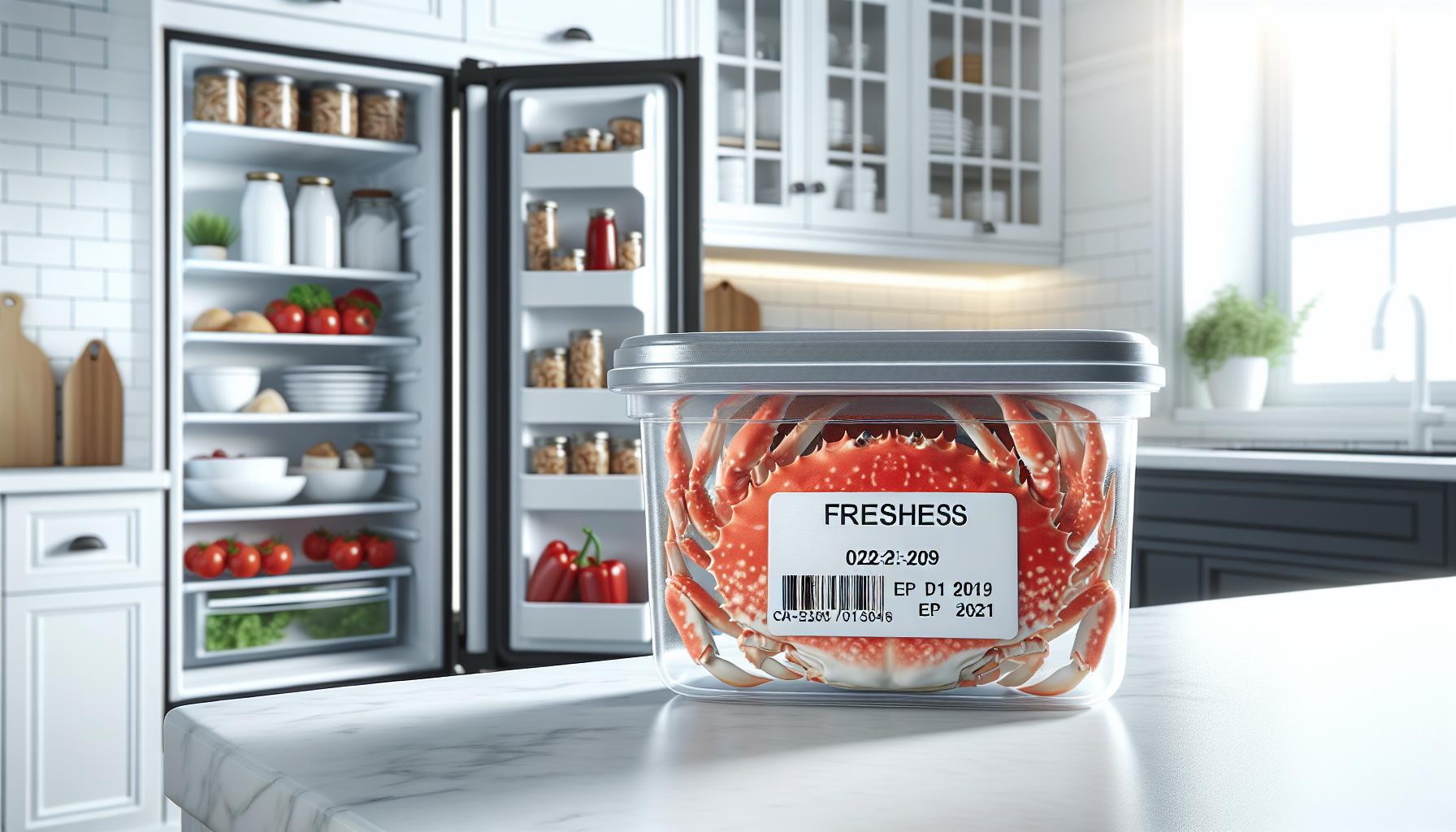
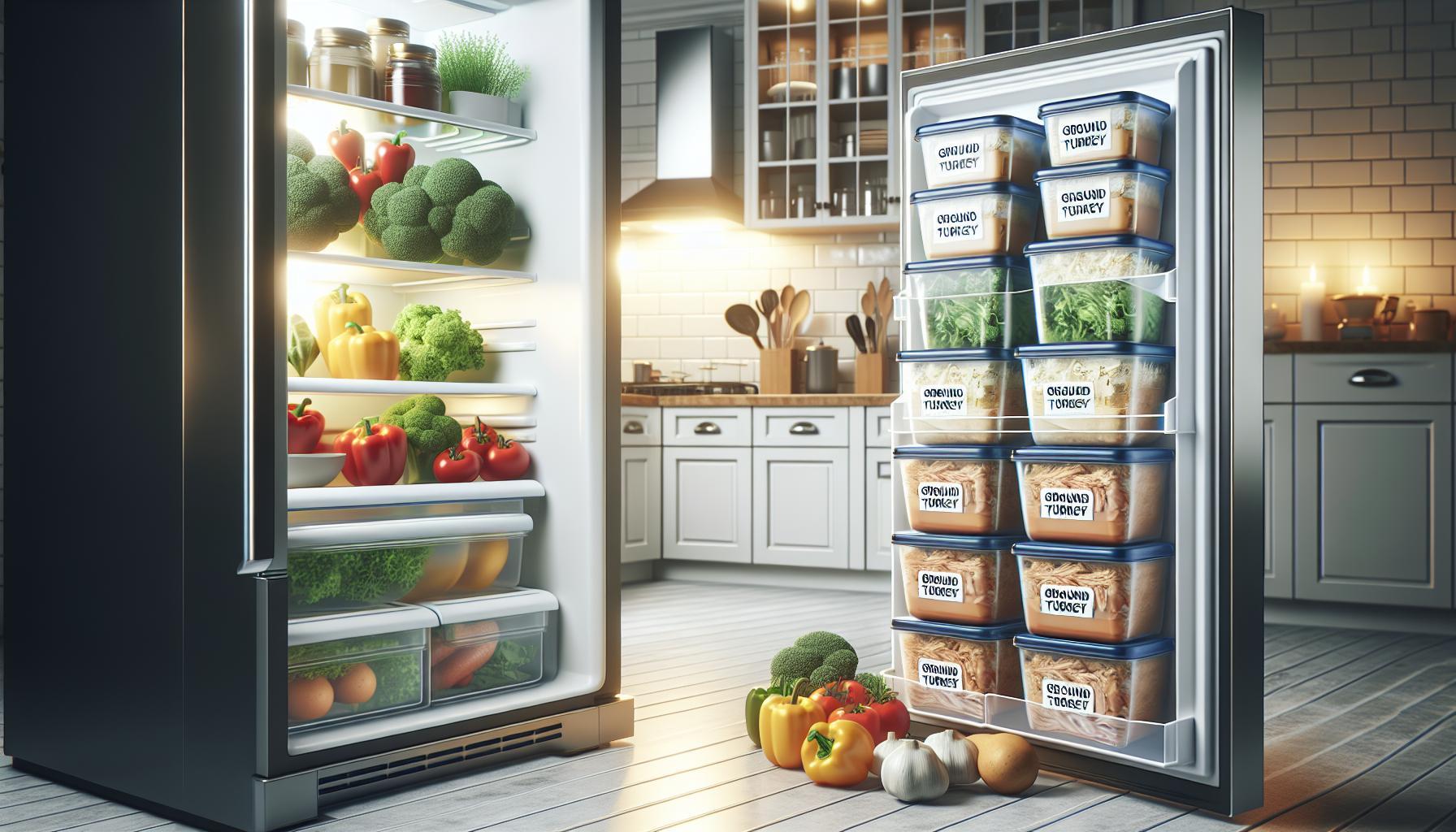
When it comes to convenient pantry staples, canned Spam is a household favorite. But how long can you keep it safely stored in the fridge once opened? Understanding the shelf life of Spam and proper storage techniques is essential for food safety and maximizing flavor. You don’t want to waste money or compromise your health because of improper storage practices or outdated food.
Whether you’re looking to whip up a quick meal or stash some leftovers, it’s crucial to know how to store Spam correctly. By mastering these techniques, you can ensure that your meals remain both tasty and safe. In this article, we will reveal how long Spam lasts in the fridge, provide handy tips for optimal storage, and explore delicious ways to use it in your meals. Read on to keep your food fresh and your meals delicious!
How Long Can You Keep Spam in the Fridge?
Whether you’re a long-time fan or new to this versatile canned meat, knowing how long you can keep Spam safely stored in the fridge can help you avoid unnecessary waste and ensure flavorful meals. Once opened, Spam can typically be stored in the refrigerator for about 3 to 5 days. It’s essential to keep it in an airtight container or tightly wrapped to maintain its freshness and prevent contamination.
To enhance your storage practices, always date the package when you open it. This small step keeps track of how long your Spam has been in the fridge and serves as a handy reminder. Furthermore, consider placing it in the coldest part of your refrigerator, usually near the back, to help it last its full potential of 5 days.
While some people may think that Spam can last indefinitely once opened, it’s crucial to adhere to safety guidelines. Consuming Spam beyond the recommended timeframe increases the risk of spoilage, leading to foodborne illnesses. Always keep an eye on your Spam; if it develops any unusual smell, color, or texture, it’s best to err on the side of caution and discard it. Taking these proactive storage measures not only extends the life of your Spam but also makes for fresh, delicious meals each time you reach for a can.
Understanding Safe Storage Practices for Spam
Understanding how to safely store Spam is key to enjoying this convenient and versatile food product to its fullest. While Spam is well-known for its long shelf life when sealed, the dynamics change after it’s opened. Once you pop the lid, the clock starts ticking, and safe storage practices become essential to maintain its quality and prevent foodborne illnesses.
To get the most out of your opened Spam, store it in an airtight container or wrap it tightly with plastic wrap or aluminum foil. This helps reduce exposure to air, which can lead to spoilage and off-flavors. Remember to always date the container upon opening; this simple step ensures you keep track of how long it has been stored, giving you confidence that you’re consuming the product while it’s still safe.
The ideal temperature for storing opened Spam is at or below 40°F (4°C). Placing it towards the back of the fridge, where it’s typically colder, can help maximize its storage life, allowing it to remain fresh for up to 3 to 5 days. Always check the fridge’s temperature, as an inaccurate setting could risk the safety of your stored foods. By adhering to these straightforward practices, you can enjoy your Spam with peace of mind, knowing it’s stored properly and ready for your next meal.
Ideal Temperature for Storing Spam in the Fridge
Storing opened Spam at the right temperature is crucial for maintaining its freshness and ensuring food safety. The optimal environment for preserving the quality of Spam is at or below 40°F (4°C). Keeping it in the main compartment of your fridge, preferably towards the back, helps to maintain a consistent, colder temperature, away from the warmer air that often enters when the door is opened.
When you store opened Spam correctly, you can typically expect it to last for about 3 to 5 days. This timeframe depends significantly on how well it is sealed and the overall temperature of your fridge. It’s important to monitor the fridge’s temperature regularly-using an appliance thermometer can help you ensure it remains within the safe range. If your fridge fluctuates or tends to be warmer than 40°F, the shelf life of your Spam may shorten, leading to potential spoilage.
In addition to temperature, proper sealing is essential. After opening a can of Spam, transfer the remaining contents to an airtight container or tightly wrap it with plastic wrap or aluminum foil. This minimizes exposure to air and prevents the development of off-flavors. Always remember to label your container with the date of opening, allowing you to track its freshness and prioritize usage, ensuring you enjoy your Spam at its best. Following these guidelines empowers you to make informed decisions that prioritize both food safety and enjoyment.
Recognizing Spoilage Signs of Spam
Recognizing when opened Spam has gone bad is essential for ensuring both safety and enjoyment in your meals. While this canned meat product boasts a long shelf life when sealed, the moment it’s opened, your vigilance increases. Typically, Spam can last in the fridge for 3 to 5 days if stored properly, but it’s crucial to be aware of specific signs that indicate spoilage.
One of the most apparent indicators of spoilage is a change in appearance. Fresh Spam should have a consistent pinkish color and a firm texture. If you notice any discoloration, particularly grey or greenish areas, it may be a sign that bacteria have started to grow. Additionally, check for any unusual liquid separation or a slimy film on the surface, which can indicate microbial activity.
Beyond visual cues, smell plays a significant role in detecting spoilage. Fresh Spam has a neutral, meaty scent, and any sour, rancid, or foul odors are clear warning signs that it should not be consumed. Finally, if you taste Spam and find it has developed an off flavor, it’s best to discard it. Food safety is paramount, and when in doubt, it’s wiser to err on the side of caution.
To avoid confusion, here’s a quick guide summarizing spoilage signs to look out for:
- Visual Changes: Discoloration (grey/green patches), slime or excessive liquid.
- Odor: Unpleasant or sour smells.
- Taste: Off flavors when sampled.
By staying attentive to these signs, you can enjoy your Spam while minimizing the risk of foodborne illness. Always prioritize safe food handling practices to enhance your culinary experience.
Ways to Extend the Shelf Life of Spam
One of the best ways to ensure that Spam lasts longer in your fridge is to utilize proper storage techniques right from the moment you open the can. Once opened, Spam generally stays fresh for about 3 to 5 days when stored correctly, but there are several methods you can implement to extend this timeframe safely.
Firstly, always transfer any leftover Spam from its original can into an airtight container. This step not only prevents the meat from exposure to air, which can lead to oxidation and spoilage, but it also keeps it protected from other strong odors in the fridge that could affect its flavor. When sealing your container, ensure it is tightly closed without any air pockets.
Additionally, consider portioning your Spam into smaller servings if you know you won’t consume it all at once. By dividing it into smaller containers, you’ll minimize the time the remainder of the Spam is exposed to air and bacteria each time you take out a portion. This method not only extends shelf life but also makes meal preparation more convenient.
Tips for Refrigeration
- Temperature Control: Maintain your fridge at or below 40°F (4°C). Regularly check your refrigerator’s thermometer to ensure that it operates efficiently, as fluctuating temperatures can shorten the shelf life of perishable goods like Spam.
- Use by Date: Remember always to check the expiration date on canned Spam before purchase. Although opened Spam should be consumed within a week, unopened cans can last much longer, often years, if stored in a cool, dry place.
Creative Freezing Options
If you want to keep Spam for a longer period, freezing is a very effective option. Just make sure to wrap individual portions tightly in plastic wrap or foil, or place them in freezer bags, expelling as much air as possible. Label the bags with the date, and Spam can last in the freezer for up to 2 to 3 months without significant loss of quality. When ready to use, thaw it in the refrigerator overnight rather than at room temperature to maintain safety.
By following these storage techniques and tips, you can enjoy Spam safely while minimizing food waste and maximizing its deliciousness.
Creative Meal Ideas Using Leftover Spam
When it comes to utilizing leftover Spam, creativity can turn this versatile canned meat into delicious meals that stretch your culinary imagination. With proper storage, leftover Spam can remain safe for up to 3 to 5 days in the fridge, giving you ample time to whip up delectable dishes. Here are some innovative meal ideas that make the most of your leftover Spam while keeping things simple and satisfying.
One classic way to enjoy Spam is by making a Spam fried rice. Just chop the Spam into bite-sized pieces and sauté it with day-old rice, vegetables, and a drizzle of soy sauce. This dish not only infuses the rice with savory flavors but also provides a quick meal solution that can be tailored to your taste. For added texture and flavor, toss in a sprinkle of green onions and a fried egg on top.
Another flavorful option is to create a Spam sandwich or a Spam-based breakfast hash. For the sandwich, layer grilled or pan-fried Spam slices between your favorite bread, along with toppings such as cheese, avocado, or mustard. This guarantees a satisfying bite, perfect for any meal. If you’re craving breakfast, cube the Spam and cook it with diced potatoes, bell peppers, and onions in a skillet until everything is golden and crispy. Top with hot sauce or serve with eggs for a hearty start to the day.
For a unique twist, consider incorporating Spam into a savory pasta dish. Dice the meat and sauté it with garlic, diced tomatoes, and herbs to create a delightful sauce that can be tossed with your choice of pasta. This quick and easy recipe packs flavor and makes great use of your leftover Spam.
Lastly, if you’re feeling adventurous, make Spam tacos! Warm some corn tortillas and fill them with pan-seared Spam, shredded cabbage, diced onions, and a squeeze of lime. Garnish with cilantro for a fresh touch. This recipe is not only fun to create but also a great way to enjoy a fusion of flavors.
By exploring these meal ideas, you can transform leftover Spam into several delightful dishes, ensuring that nothing goes to waste while keeping your family satisfied with delicious and creative meals. Happy cooking!
Freezing Spam: A Comprehensive Guide
Freezing Spam is a simple and effective way to extend its shelf life, ensuring you have this versatile ingredient on hand for future meals. When properly stored, frozen Spam can last for up to 2 to 3 months without significant loss in quality. Here’s how to do it safely and effectively.
Before freezing, it’s essential to prepare the Spam properly. If you’ve cooked the Spam, allow it to cool completely before packaging. For best results, consider slicing the Spam into portions; this allows you to defrost only what you need later. Wrap each piece tightly in plastic wrap or aluminum foil. For added protection against freezer burn, place the wrapped Spam in a heavy-duty freezer bag or an airtight container. Be sure to label the packaging with the date to keep track of how long it has been in the freezer.
Thawing Frozen Spam
When you’re ready to use the frozen Spam, it’s crucial to thaw it safely. The best method is to transfer it to the refrigerator and let it thaw overnight. If you’re short on time, you can also use the defrost setting on your microwave, but make sure to cook it immediately after thawing. Avoid leaving Spam out at room temperature to thaw, as this can promote bacterial growth and compromise food safety.
By following these simple steps, you can enjoy Spam in various dishes at your convenience, reducing waste and enhancing your meal options. Whether it’s for a quick breakfast hash, a savory fried rice dish, or even tacos, having frozen Spam ready in your kitchen can inspire creativity and make meal preparation easier.
Reheating Spam Safely and Deliciously
Reheating Spam can be a delightful experience that enhances its flavor and texture, transforming it into a satisfying component of your meals. To ensure that you savor every bit of this versatile ingredient safely, proper reheating techniques are essential. Spam can be easily reheated in several ways: on the stovetop, in the oven, or using a microwave. Each method offers unique benefits, making it easy to incorporate Spam into various recipes.
Using a stovetop method is a popular choice for many. Simply slice the Spam into pieces and place them in a skillet over medium heat. Cook for about 3-4 minutes on each side until golden brown and heated through. This method not only warms the Spam but also enhances its crispiness, giving it a delightful texture that’s perfect for breakfast sandwiches or stir-fries. The slight caramelization that occurs during the cooking process brings out a richer flavor that pairs wonderfully with eggs or vegetables.
If you prefer a more hands-off approach, reheating Spam in the oven works well too. Preheat your oven to 375°F (190°C) and place the Spam slices on a baking sheet lined with parchment paper. Bake for about 10-15 minutes, flipping halfway through, until the Spam is heated thoroughly and crisp. This is an excellent option if you’re preparing other dishes at the same time, allowing everything to cook evenly without compromising the quality of your Spam.
For a quick and convenient method, the microwave is ideal. Place your Spam on a microwave-safe plate and cover it with a damp paper towel to retain moisture. Heat it on high for about 30-60 seconds, checking for doneness. While this method is speedy, be cautious of overheating, as it can make the Spam rubbery rather than tender.
Regardless of the reheating method you choose, always ensure that the Spam reaches an internal temperature of 165°F (74°C) to guarantee safety. With these techniques, you can enjoy delicious and safe Spam meals, whether it’s in a classic fried Spam sandwich, a hearty casserole, or a quick addition to your fried rice. Enjoy the versatility and flavors that reheated Spam brings to your kitchen creations!
Nutritional Information of Spam: What You Need to Know
Spam is a versatile ingredient that can be both a staple and a source of curiosity regarding its nutritional content. Understanding what’s in Spam not only enhances your culinary experience but also guides you in making informed dietary choices. A standard serving of Spam (2 ounces) contains approximately 180 calories, making it relatively high in energy compared to fresh meats. The primary ingredients include pork shoulder, ham, salt, water, and sugar, which contribute to its distinct flavor and texture.
When it comes to macronutrients, Spam is notable for its protein and fat content. A serving typically contains around 7 grams of protein and 16 grams of fat, with nearly half of that fat being saturated. This high saturated fat content is essential to consider if you are managing your dietary intake for heart health. Additionally, Spam contains about 790 milligrams of sodium, which is roughly 34% of the recommended daily limit for sodium intake, emphasizing the importance of moderation, especially for those with hypertension or heart disease.
Vitamins and Minerals
Spam isn’t a significant source of essential vitamins or minerals; however, it does contain small amounts of certain nutrients, including iron and potassium. Iron is crucial for blood health and energy levels, while potassium is vital for maintaining fluid balance and proper muscle function. To get a well-rounded diet, pair Spam with nutrient-rich fruits and vegetables to balance its sodium and fat profile.
Creative Usage in Meals
Given its unique flavor, Spam can be integrated into various dishes for added protein. From breakfast hash to savory fried rice, its meaty texture can elevate simple recipes. Remember, while Spam can be a delicious part of your meals, it’s best enjoyed in moderation alongside a balanced diet rich in whole foods.
In summary, while Spam can be a convenient and tasty option, awareness of its nutritional context helps you incorporate it smartly into your diet. Keep its calorie and sodium content in mind as you explore delicious ways to use this pantry staple.
Common Myths About Spam Storage Debunked
While many may think Spam has an indefinite shelf life, it’s crucial to understand the realities of storing this popular canned meat product. One common myth is that Spam can be safely kept in the fridge for months without concern. In truth, once opened, Spam should be treated like any other perishable protein. According to food safety guidelines, once opened, Spam can last in the refrigerator for about 3 to 5 days when stored properly in an airtight container.
Another pervasive misconception is that any discoloration or slight odor means Spam has gone bad. However, Spam’s color and smell can be misleading. Canned meat can occasionally have a pinkish hue or a slightly salty smell due to its preservatives, which are normal. The definitive sign of spoilage, however, includes a sour odor, a slimy texture, or the presence of mold. If you notice any of these signs, it’s best to err on the side of caution and discard it.
People often believe that freezing Spam compromises its quality. Contrary to this belief, freezing can be a brilliant way to extend its lifespan. When properly wrapped in airtight packaging, Spam can last up to 3 months in the freezer without losing significant flavor or texture. Thawing should be done in the fridge, and once thawed, consume it within a few days for optimal safety.
A common myth surrounding Spam is the idea that it doesn’t require refrigeration at all. While canned Spam is shelf-stable until opened, it’s best stored in a cool, dry place. Once you crack open that can, make sure to refrigerate any leftovers promptly. Following these guidelines will ensure you enjoy Spam at its best, keeping meals fresh and safe for consumption.
The Environmental Impact of Spam Packaging
The packaging of Spam, like many canned foods, plays a significant role in both its preservation and environmental impact. While the convenience and long shelf life of Spam make it appealing for consumers, the materials used in its packaging raise important sustainability questions. Most Spam products are encased in metal cans, which, while effective at preventing spoilage, involve considerable resource use in production and energy consumption in recycling processes.
Cans made from aluminum or steel can be recycled, which helps mitigate some environmental impacts. However, recycling rates for food cans vary by region, and if not recycled, the cans can contribute to landfill waste. Metal takes a long time to decompose, meaning that discarded Spam cans persist in the environment much longer than necessary. On the other hand, opting for brands that prioritize eco-friendly packaging or have sustainable practices can help consumers make more responsible choices. This shift not only supports environmentally conscious companies but also encourages wider industry changes towards sustainability.
Moreover, the waste generated by Spam packaging can be reduced through responsible consumption practices. Plan meals efficiently to avoid over-purchasing and ensure leftovers are stored correctly to minimize food waste. Incorporating leftover Spam into creative recipes not only maximizes your food resources but also reduces the total environmental footprint associated with multiple trips to the store or the waste resulting from improperly stored food.
Ultimately, being mindful of how Spam is packaged and stored can lead to better environmental practices. By recycling whenever possible and making informed choices about how much Spam to purchase, consumers can enjoy this versatile product while also minimizing their impact on the planet.
Frequently Asked Questions
Q: How can I tell if Spam has gone bad?
A: To determine if Spam has spoiled, check for signs such as an off smell, discoloration, or a slimy texture. If you notice any of these changes, it’s best to discard it to avoid foodborne illness. For more details, refer to our section on recognizing spoilage signs.
Q: Can I eat Spam after the expiration date?
A: While Spam can be safe to eat after its expiration date if stored properly, its quality may decline. Always inspect for spoilage signs before consuming. For safe storage tips, check our article on understanding safe practices.
Q: What is the best way to reheat Spam?
A: The best way to reheat Spam is to slice it and warm it in a skillet over medium heat for a few minutes on each side until heated through. This enhances its flavor and texture. For more reheating methods, see our section on reheating Spam safely.
Q: Does Spam need to be refrigerated after opening?
A: Yes, once opened, Spam should be refrigerated and consumed within 3 to 5 days to ensure freshness and safety. For additional storage recommendations, refer to our article on safe storage practices.
Q: How long can you freeze Spam for?
A: You can freeze Spam for up to 3 months while maintaining its best quality. Be sure to wrap it tightly to prevent freezer burn. For a comprehensive guide on freezing Spam, check our freezing section.
Q: Can I use Spam in salads?
A: Yes, Spam can be a delicious addition to salads, providing protein and flavor. Try it diced in a pasta salad or mixed greens. For creative meal ideas, explore our section on using leftover Spam.
Q: Is it safe to leave Spam out of the fridge?
A: Spam should not be left out of the fridge for more than 2 hours, as bacteria can grow rapidly at room temperature. For proper food safety guidelines, see our safe storage practices section.
Q: What are some quick recipes using Spam?
A: Quick recipes with Spam include Spam stir-fry, grilled Spam sandwiches, or adding it to omelets. Explore our creative meal ideas section for more delicious inspiration.
Concluding Remarks
To ensure your Spam stays fresh and tasty, remember to store it properly in the fridge for optimal safety. Generally, Spam can last about 3-4 days once opened, so make the most of it with delicious meals! If you’re looking for more ways to enjoy your Spam, check out our recipes for Spam stir-fry and Spam sandwiches.
Don’t forget to share this guide with friends and use our food storage checklist to keep track of what’s in your fridge. Have questions or tips of your own? Drop a comment below-we’d love to hear from you! For more insights on food safety and storage, consider subscribing to our newsletter for the latest updates and helpful resources. Your healthy kitchen journey starts here!