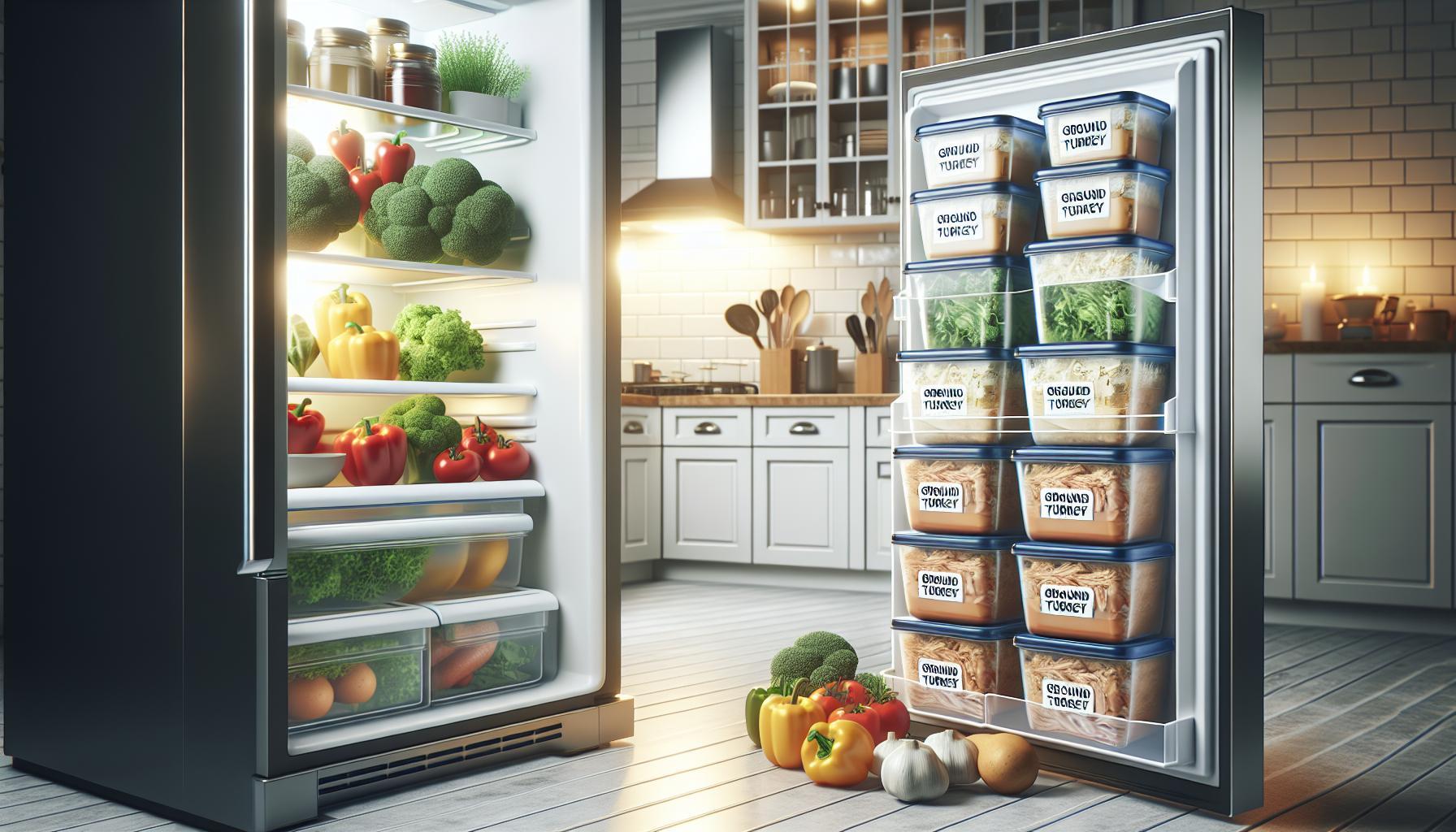
Did you know that properly frozen meat can retain its best quality for months, but how long exactly can it last in your freezer? Understanding the shelf life of frozen meat is essential for both food safety and budget-conscious meal planning. Whether you’re stocking up during a sale or meal prepping for a busy week, knowing how long your meat can safely remain frozen helps prevent waste and ensures you’re serving the freshest meals possible.
In this article, we’ll explore the optimal storage times for various types of meat, providing you with practical guidelines to maximize the quality and safety of your frozen goods. You’ll also find tips on proper freezing techniques, so you can confidently manage your freezer space while keeping your meals delicious and safe. Let’s dive in and discover how to make the most of your frozen meat!
Understanding the Shelf Life of Frozen Meat

Freezing meat is an excellent way to extend its shelf life, but understanding how long it can safely last in your freezer is essential for maximizing quality and safety. Generally, properly frozen meat can maintain its quality for several months to years, depending on the type of meat and how it is stored. For example, most cuts of beef can last up to 12 months, while poultry is best consumed within 9 months. These timeframes can vary based on specific factors, including the freezing method and the freezer’s temperature.
To achieve the best results, it’s crucial to freeze meat as soon as possible after purchase. When meat is frozen quickly at low temperatures, ice crystals that form inside the meat are smaller, which helps preserve texture and prevent the loss of moisture once it’s thawed. Vacuum sealing is one of the most effective methods for this, as it removes air that can cause freezer burn, a leading factor in quality degradation over time. Always label your packages with the date of freezing to keep track of their storage time.
While frozen meat can remain safe indefinitely, its quality diminishes over time. Beyond recommended storage times, meat may develop off-odors, flavors, or textures. Therefore, it’s always best practice to assess your frozen meat visually and through smell before cooking. Following these guidelines not only helps you keep your meat safe to eat but also ensures you enjoy the best flavors and textures that your frozen meat can offer.
Optimal Freezing Techniques for Meat Storage

Freezing meat properly is essential for maintaining its quality and extending its shelf life. One of the most crucial aspects of effective freezing is to ensure that you freeze meat as quickly as possible. When meat freezes slowly, larger ice crystals form, which can rupture the cell walls of the meat, resulting in a mushy texture upon thawing. To mitigate this, set your freezer to the coldest possible setting in advance, usually around 0°F (-18°C) or colder. This environment allows the meat to freeze rapidly, preserving its texture and flavor.
Another key technique is to use appropriate packaging. Air exposure can lead to freezer burn, which affects not only quality but also taste. For optimal results, opt for vacuum sealing or tightly wrapping the meat in plastic wrap, followed by aluminum foil or freezer paper. This two-layer method provides a strong barrier against air and moisture. Make sure to remove as much air as possible from the packaging, and don’t forget to label your packages with the date and type of meat for easy organization in your freezer.
To maximize shelf life, pay attention to portion sizes. Divide larger cuts of meat into smaller portions that are suitable for your meals. Not only does this prevent unnecessary defrosting of the entire cut, which can expose parts of the meat to warmer temperatures, but it also allows you to thaw only what you need, minimizing waste. For best practices, consider freezing your meat in portions that serve your family size, typically intervals of 1 to 2 pounds.
Lastly, maintain a consistent freezer temperature and avoid frequent opening of the freezer door. Each time the door opens, warm air enters, which can raise the temperature of the meat. Make use of a thermometer to monitor internal temperatures regularly and always aim to keep your freezer at or below 0°F (-18°C) to ensure that your frozen meat retains its best flavor and safety for as long as possible. Following these practices will help you enjoy delicious and high-quality meals from your freezer for months to come.
Signs of Spoilage: Knowing When Meat is Unsafe

Recognizing when frozen meat has gone bad is crucial for ensuring food safety in your kitchen. Just because meat has been stored in the freezer does not guarantee that it remains safe indefinitely. Over time, frozen meat can develop issues that make it unsuitable for consumption. Understanding these signs can help you make informed decisions and prevent foodborne illnesses.
The first indication of spoilage is often a change in color. Fresh meat is typically bright red or pink, but if it begins to turn dull or brown, this can signify oxidation. While discoloration alone doesn’t necessarily mean the meat is unsafe, it may indicate that it has been stored for too long and could be experiencing a loss of quality. Additionally, look for any unusual odors; fresh meat should have a mild smell. If the meat emits a sour or foul odor upon thawing, it is a strong sign that it has spoiled and should be discarded.
Another important factor to consider is texture. When meat freezes, its cells form ice crystals; if these crystals have ruptured cell walls due to improper storage, you may notice a slimy or sticky film on the surface of the meat after thawing. This texture change is a clear warning sign of spoilage. Lastly, if your frozen meat has visible freezer burn-white, dry patches on the surface-it can still be cooked and consumed, but its quality and flavor may be compromised. Adjusting storage practices can help minimize freezer burn and extend the life of your meat.
In summary, routinely check your frozen meat for visual cues, odors, and textures that indicate spoilage. Being proactive about monitoring these factors can significantly reduce the risk of consuming unsafe meat, ensuring you and your family can enjoy safe and delicious meals.
Different Types of Meat: Shelf Life Comparisons
Different types of meat vary significantly in their freezer shelf life, which is essential knowledge for maintaining both quality and safety in your food storage practices. Understanding these differences can help you make informed decisions, prevent waste, and optimize your meals. While freezing can preserve meat for extended periods, the ideal storage durations can differ based on the type of meat you are freezing. Here’s a detailed look at the typical shelf life of various meats in the freezer:
| Type of Meat | Recommended Freezer Storage Time |
|---|---|
| Beef (steaks, roasts) | 6 to 12 months |
| Pork (chops, roasts) | 4 to 6 months |
| Ground Meat (beef, pork, turkey) | 3 to 4 months |
| Poultry (whole) | 1 year |
| Poultry (pieces) | 9 months |
| Lamb | 6 to 9 months |
| Fish and Shellfish | 3 to 12 months (varies by type) |
The numbers in this table represent guidelines for maintaining optimal quality rather than safety. These recommendations assume that the meat is properly packaged to prevent freezer burn, which can adversely affect both flavor and texture. Beef, for example, can maintain its best quality for a long stretch, making it an excellent option for bulk buying and freezing. On the other hand, ground meat has a shorter freezer life, so consider using it sooner rather than later.
Cooking methods can also influence your meat’s longevity in the freezer. Properly cooked meat can last longer in frozen storage than raw meat-cooked poultry, for instance, can remain safe for up to 4 months. For individuals aiming for efficiency, portioning meat into single-use sizes before freezing can also enhance your ability to thaw only what you need, thus maintaining quality over time.
In addition to adhering to these storage timelines, monitoring the temperature of your freezer is crucial. Keeping it at 0°F (-18°C) or below not only preserves food safety but also ensures that your meat retains its best quality throughout its freezing duration. By understanding these comparisons in shelf life, you can better plan your meat purchases and storage, minimizing waste while maximizing the freshness of your meals.
How to Properly Thaw Frozen Meat Safely
Thawing frozen meat properly is crucial for both food safety and maintaining the quality of the meat. When meat thaws incorrectly, it can enter the “danger zone” (between 40°F and 140°F), where bacteria multiply rapidly, potentially leading to foodborne illnesses. With proper thawing techniques, you can ensure that your meat remains safe and delicious.
One of the safest methods for thawing meat is in the refrigerator. This method allows the meat to thaw gradually at a consistent temperature, which reduces the risk of bacterial growth. Depending on the size of the meat, this can take several hours to a couple of days. For instance, small cuts like chicken breasts can thaw overnight, while larger items like a whole turkey might require 1-2 days to thaw completely. To streamline your meal preparation, it’s a good idea to plan ahead and place the frozen meat in the refrigerator the day before you intend to cook it.
Alternatively, if you’re short on time, you can thaw meat in cold water or the microwave. When using the cold water method, ensure the meat is in a sealed plastic bag to prevent water from infiltrating. Submerge the sealed meat in cold water, changing the water every 30 minutes. This method can thaw small packages of meat in about an hour or less. Using the microwave is the quickest method, but it can result in uneven thawing, potentially starting the cooking process on the edges of the meat. Be sure to cook meat immediately after microwaving to prevent any parts from entering the danger zone and becoming unsafe.
Regardless of the method chosen, never leave meat out on the counter to thaw. This practice can lead to bacterial growth on the surface while the inside remains frozen, posing a significant food safety risk. Once thawed, it’s also advisable to cook meat within a few days. If the meat defrosted in the refrigerator, it can be refrozen within that timeframe; however, if it was thawed by water or microwave methods, aim to cook it right away to ensure that it’s safe and of good quality. Following these guidelines will help you maintain both the safety and flavor of your frozen meats.
Best Practices for Vacuum Sealing Meat
One of the most effective ways to extend the shelf life of frozen meat while preserving its quality is through vacuum sealing. This technique eliminates air from the packaging, which is a major factor in freezer burn and spoilage. When oxygen is removed, the meat is less likely to develop off-flavors or lose its texture, allowing it to maintain a fresh taste and appearance for much longer than conventional storage methods.
To effectively vacuum seal meat, start by selecting a quality vacuum sealer, as this will significantly impact the sealing process. Choose bags specifically designed for vacuum sealing, ensuring they are not too thin and capable of withstanding freezing temperatures. Properly portion the meat into meal-sized amounts prior to sealing-a practice that helps avoid waste and makes meal preparation easier. Place the meat into the bag, leaving enough space at the top for sealing, and fit the bag’s opening into the vacuum sealer. Follow the manufacturer’s instructions for vacuuming, and ensure that the seal is tight and secure without any air pockets left inside.
Proper labeling is another critical step in vacuum sealing. Once the meat is sealed, use a permanent marker to write the date of packaging and the type of meat on the bag. This not only helps in tracking freshness but also aids in meal planning by allowing for quick identification. It’s recommended to utilize frozen meat within 6-12 months for optimal quality, although vacuum-sealed meat can remain safe to eat indefinitely if it remains continuously frozen.
Lastly, it’s important to ensure that your freezer is set at 0°F (-18°C) or lower. Consistent freezer temperature plays a vital role in maintaining the quality of the vacuum-sealed meat. Regularly check that the temperature remains stable to avoid thawing and refreezing cycles, which can degrade the meat’s quality and safety. Following these will help maximize its shelf life and keep your meals delicious and safe for your family.
Meat Storage Myths: Debunking Common Misconceptions
Many people hold misconceptions about storing frozen meat that can lead to wasted food and safety concerns. A common myth is that frozen meat lasts indefinitely. While it can remain safe to eat indefinitely if kept frozen at 0°F (-18°C), the quality can degrade over time. For best flavor and texture, it’s advisable to use frozen meat within 6 to 12 months, depending on the type. After this time, while the meat may still be safe, it can develop freezer burn, which affects both taste and texture.
Another widespread belief is that meat must be completely thawed before cooking. In fact, it is safe to cook frozen meat directly; however, cooking times need to be adjusted. Meat cooked from frozen will typically need to be cooked about 1.5 times longer than if it were thawed. This can be a great time-saver for busy cooks but should be approached with care to ensure the meat reaches the correct internal temperature for safety.
Some also think that wrapping meat in regular plastic wrap or aluminum foil is sufficient for freezing. However, these materials are not designed for long-term freezer storage and can allow air in, leading to freezer burn. Instead, using airtight vacuum-sealed bags or heavy-duty freezer bags is crucial. These not only prevent air exposure but also help in maintaining the flavor and texture of the meat over time.
Lastly, many believe that there’s no need to label frozen food as they can easily identify what’s inside. However, this approach can lead to an “out of sight, out of mind” situation. Labeling packages with the date and type of meat helps track how long it’s been frozen, aiding in meal planning and ensuring you use meat while it’s still at its best. Establishing this habit can make a significant difference in maximizing the shelf life of your frozen meat.
The Impact of Freezer Temperature on Meat Longevity
Maintaining the right freezer temperature is crucial for maximizing the longevity and quality of frozen meat. The ideal temperature for storing meat safely is at or below 0°F (-18°C). At this temperature, the growth of bacteria is effectively halted, which is essential for ensuring the meat remains safe to eat over extended periods. However, even a small increase in temperature can compromise meat quality, leading to undesirable changes in texture and flavor.
One of the key factors to consider when evaluating is the risk of freezer burn. Freezer burn occurs when moisture evaporates from the surface of the meat, resulting in dry patches that can affect taste and texture. This is more likely to happen if the freezer temperature fluctuates or is inconsistent, causing the meat to partially thaw and refreeze. To prevent freezer burn and maintain optimal quality, ensure that your freezer is set consistently at the appropriate temperature and that meat is well-wrapped in airtight packaging.
Different types of meat have varying shelf lives, which can also be influenced by the freezer temperature. According to the USDA, whole chickens and turkeys can be stored for up to one year, while beef, pork, and lamb can last anywhere from four months to a year, depending on the cut. When meat is stored at higher temperatures-even just above the ideal range-the timeline for maintaining best quality begins to shorten. Therefore, regularly monitoring your freezer’s temperature and investing in a reliable appliance can pay off in the long run by preserving the integrity of your frozen meat.
To summarize, keeping your freezer at or below 0°F (-18°C) is fundamental for extending the shelf life of frozen meat. This not only protects meat from developing freezer burn but also ensures safety by preventing bacterial growth. Regular temperature checks and proper packaging are key practices that contribute to long-lasting, quality meat storage.
Tips to Maximize the Freshness of Frozen Meat
To maintain the highest quality and freshness of frozen meat, a few essential practices should be adopted. First and foremost, ensure that meat is packaged correctly before freezing. Use airtight packaging to prevent moisture loss and freezer burn, which can significantly affect the meat’s texture and flavor. Vacuum sealing is one of the best methods for doing this, as it removes air and prevents freezer burn more effectively than regular plastic wrap or resealable bags.
Another critical factor is portion control. By dividing larger cuts of meat into smaller portions, you not only streamline meal preparation but also minimize the risk of waste. When you’re ready to use the meat, you can thaw only what you need, leaving the rest securely frozen. Labeling these portions with the date they were frozen will help you keep track of their storage time, ensuring that you use them within the recommended timeframe.
Freezing Techniques
- Rapid Freezing: The quicker the meat freezes, the better it retains its texture. Flat packaging can help achieve this; for instance, laying ground meat in a thin layer or using freezer-safe bags to remove air before sealing.
- Freezer Temperature Monitoring: Keep your freezer consistently at 0°F (-18°C) or lower. This stable temperature prevents the formation of ice crystals that can damage the meat’s cellular structure.
Thawing Methods
Thawing meat safely is just as important as how it is frozen. Always thaw meat in the refrigerator, in cold water, or in the microwave if you plan to cook it immediately. Never let it thaw at room temperature, as this can promote bacterial growth.
By implementing these strategies, you can significantly maximize the freshness and quality of your frozen meat, enabling you to enjoy your meals without compromising on safety or taste.
Utilizing Leftover Frozen Meat: Recipe Ideas
Making the most of leftover frozen meat can transform your meals and help reduce waste in your kitchen. With proper storage, your meat can last several months in the freezer, but knowing how to utilize it effectively will ensure you enjoy every bit. From hearty soups to quick stir-fries, there are countless ways to invigorate your meals with frozen meat.
Start by considering the type of meat you have on hand. For instance, cooked chicken or turkey can easily be shredded and added to salads, tacos, or used as a filling for sandwiches. To whip up a flavorful chicken soup, simply sauté some vegetables, toss in the frozen meat, and let it simmer with your favorite broth and spices. Similarly, beef or pork can make excellent chili or stew; just brown the meat, add beans, tomatoes, and spices, and let simmer until combined. The goal is to take advantage of the meat’s flavor while creating a comforting dish that maximizes freshness.
When it comes to incorporating ground beef or turkey, you’re in for a treat. These versatile proteins can serve as the base for numerous dishes. Consider making meatballs for spaghetti or cooking up a quick taco filling. Stir-frying ground meat with mixed veggies and soy sauce is also a quick, satisfying meal option. Just remember to cook the meat thoroughly to the recommended internal temperatures to ensure food safety.
Another vital aspect to consider is the storage of these leftovers. When utilizing frozen meat, always ensure it has been thawed safely-either in the refrigerator, cold water, or a microwave-before cooking. Once prepared, any leftovers should be consumed within three to four days or can be repackaged to refreeze for later use, ensuring you continue to savor the flavors without any waste.
Overall, the key to utilizing leftover frozen meat is creativity and safety. With a little planning and some culinary experimentation, you can keep your meals exciting while ensuring your frozen stores last as long as possible.
Emergency Measures: What to Do if Meat Thaws
When faced with the unsettling scenario of thawed meat, immediate and informed action is crucial. Meat can safely remain at room temperature for no more than two hours; beyond that, it risks bacterial growth that could lead to foodborne illnesses. It’s essential to recognize the appropriate steps to ensure safety and minimize waste.
Firstly, assess the condition of the meat. If it was thawed in the refrigerator and has remained cool (under 40°F or 4°C), it can be safely refrozen within the same timeframe, but the quality may degrade. If the meat has thawed in cold water or the microwave, it should be cooked straight away before any refreezing. For meats that have thawed but are still cold to the touch, consider cooking them and then refrigerating any leftovers, which can be consumed within three to four days.
In cases where the meat is warm or has been left out too long, it’s best practice to discard it. Safety should always override any potential for saving a meal. When in doubt, remember the adage: “When it’s warm, throw it out.” This approach helps prevent the risk of foodborne illness, ensuring that your meals stay safe and enjoyable.
By being vigilant about the signs of spoilage and managing the thawing process carefully, you can confidently navigate the challenges of thawed meat. Regularly checking your freezer’s temperature and maintaining a log of when meat is frozen or thawed will not only help maximize the shelf life of your frozen products but also enhance the overall safety and quality of your kitchen endeavors.
Freezing Meat for Long-Term Storage: A Guide
Freezing is one of the most effective methods for long-term storage of meat, allowing you to preserve flavor and nutrition while minimizing waste. However, knowing the correct practices for freezing meat can mean the difference between a delicious meal and a potentially spoiled product. For optimal results, it’s crucial to pay attention to preparation, storage techniques, and timeframes, ensuring the highest quality upon thawing.
To start, always seal meat tightly in freezer-safe packaging to prevent freezer burn, which can dry out the surface and negatively affect texture and taste. An airtight option is to use vacuum sealing, which removes air and greatly extends freezer shelf life. If vacuum sealing is not an option, use heavy-duty plastic wrap followed by aluminum foil, or place the meat in heavy-duty zip-top bags, squeezing out as much air as possible before sealing. Consider labeling each package with the type of meat and the date of freezing to keep track of its freshness.
### Key Timeframes for Different Meats
When freezing meat, it’s important to know how long you can safely store various cuts:
| Type of Meat | Recommended Freezer Time |
|---|---|
| Poultry (whole) | 1 year |
| Poultry (cut-up) | 9 months |
| Beef (roasts) | 4 to 12 months |
| Beef (steaks) | 6 to 12 months |
| Pork (chops) | 4 to 6 months |
| Lamb (chops) | 6 to 9 months |
| Ground meat (any type) | 3 to 4 months |
It’s also essential to maintain a consistent freezer temperature of 0°F (-18°C) or below. This not only helps preserve the quality of meat but also inhibits bacterial growth. Regularly check the temperature to ensure your freezer operates efficiently. If the power goes out, the meat can remain frozen for up to 48 hours if the door remains closed.
Lastly, while meat can be stored for extended periods, its quality may deteriorate over time. To maximize freshness and taste, use the “first-in, first-out” rule; prioritize using older items first to enjoy the best flavors. By following these guidelines, you can confidently freeze meat for long-term storage, ensuring that it remains safe, delicious, and ready for your culinary creations.
Frequently asked questions
Q: How long can different types of meat last in the freezer?
A: The shelf life of frozen meat varies: beef can last up to 12 months, pork for 4 to 6 months, poultry up to 12 months, and ground meat approximately 3 to 4 months. Properly vacuum-sealed storage can maximize freshness and maintain quality.
Q: What is the best way to store meat in the freezer?
A: To store meat effectively in the freezer, wrap it tightly in plastic wrap, aluminum foil, or use vacuum-sealed bags. Ensure air is removed to prevent freezer burn and maintain quality. Refer to the “Optimal Freezing Techniques for Meat Storage” section for more detailed methods.
Q: What should I do if I accidentally thaw frozen meat?
A: If meat thaws but remains below 40°F, it can be refrozen within 1 to 2 days. However, if it has reached room temperature, cook it immediately instead. For proper thawing techniques, refer to the relevant article section.
Q: Can frozen meat go bad, and how can I tell?
A: Yes, frozen meat can spoil. Signs include freezer burn (white patches), off smells, or changes in color. Make sure to check these indicators before cooking and consume meat within recommended timeframes for best quality.
Q: How can I extend the shelf life of frozen meat?
A: Extend the shelf life by using vacuum sealing, ensuring meat is wrapped tightly, and maintaining a freezer temperature of 0°F or lower. Also, consider labeling packages with dates to monitor freshness.
Q: Is it safe to eat meat frozen for a long time?
A: While meat can be safe to eat indefinitely if kept frozen, it may lose quality over time. Always check for signs of freezer burn or off odors when cooking meat that has been frozen for extended periods.
Q: How does freezer temperature affect meat preservation?
A: Maintaining a constant freezer temperature of 0°F or lower is crucial. Fluctuating temperatures can cause thawing and refreezing, leading to quality loss and increasing spoilage risks. Regularly check your freezer thermometer for accuracy.
Q: Can I cook frozen meat directly without thawing?
A: Yes, frozen meat can be cooked directly without thawing; however, cooking times will be longer. For best results and safety, ensure the inner temperature reaches the safe minimum for the type of meat.
To Wrap It Up
Knowing how long frozen meat can last in your freezer is essential for maximizing both its freshness and safety. By following proper storage practices, you can enjoy your meat at its best-typically up to 12 months for beef, 6-8 months for poultry, and 4-6 months for pork. Don’t let your freezer stock go to waste! To further enhance your food safety and storage knowledge, explore our articles on “Best Freezing Techniques” and “How to Thaw Meat Safely” for more valuable tips.
Ready to take control of your kitchen? Subscribe to our newsletter for the latest updates and insights, or check out our comprehensive guides for storing various types of food. Remember, safe food practices not only preserve quality but also keep you and your family healthy. If you have any questions or tips of your own, drop them in the comments below-your thoughts could help others make informed choices!