When it comes to game meat like venison, understanding how long it lasts in the freezer is crucial for preserving both flavor and safety. Freshly harvested deer meat can be a delicious, nutritious addition to your meals, but improper storage can lead to spoilage, leaving you wondering if that last batch is still safe to eat.
By mastering the proper freezing techniques and timeline, you can ensure your deer meat remains at its best for months, ready for hearty stews or grilled steaks. This guide will provide you with essential storage guidelines, demystifying the freezing process to help you make the most of your harvest. Don’t let your hard work go to waste-discover how to keep your deer meat fresh and flavorful!
How Long Can Deer Meat Be Frozen?
When it comes to freezing deer meat, understanding how long it can remain in the freezer without compromising its quality is crucial for meat enthusiasts and hunters alike. Generally, deer meat can be safely stored in the freezer for an impressive duration of up to 12 months. To ensure optimal flavor and texture, however, a timeframe of 6 to 9 months is recommended, particularly for cuts like steaks and roasts. Ground deer meat, on the other hand, is best consumed within 3 to 4 months for the finest taste and quality.
The key to maintaining the integrity of frozen deer meat lies in proper packaging and storage methods. Utilize moisture-proof packaging such as vacuum-sealed bags or heavy-duty freezer paper to minimize exposure to air, which can lead to freezer burn. If storing larger cuts, be sure to wrap them tightly and securely, removing as much air as possible before sealing. Additionally, a consistent freezer temperature of 0°F (-18°C) or lower will help prolong the meat’s shelf life. Keeping your freezer at this temperature ensures that the meat remains frozen solid, thereby preserving its taste and safety.
In summary, while deer meat can endure the cold of the freezer for up to a year, prioritizing proper packaging and storage practices will significantly enhance its quality. By adhering to these guidelines, hunters can relish their harvest long after the season ends, enjoying the unique flavors of their game without worry.
Safe Freezing Temperatures for Game Meat
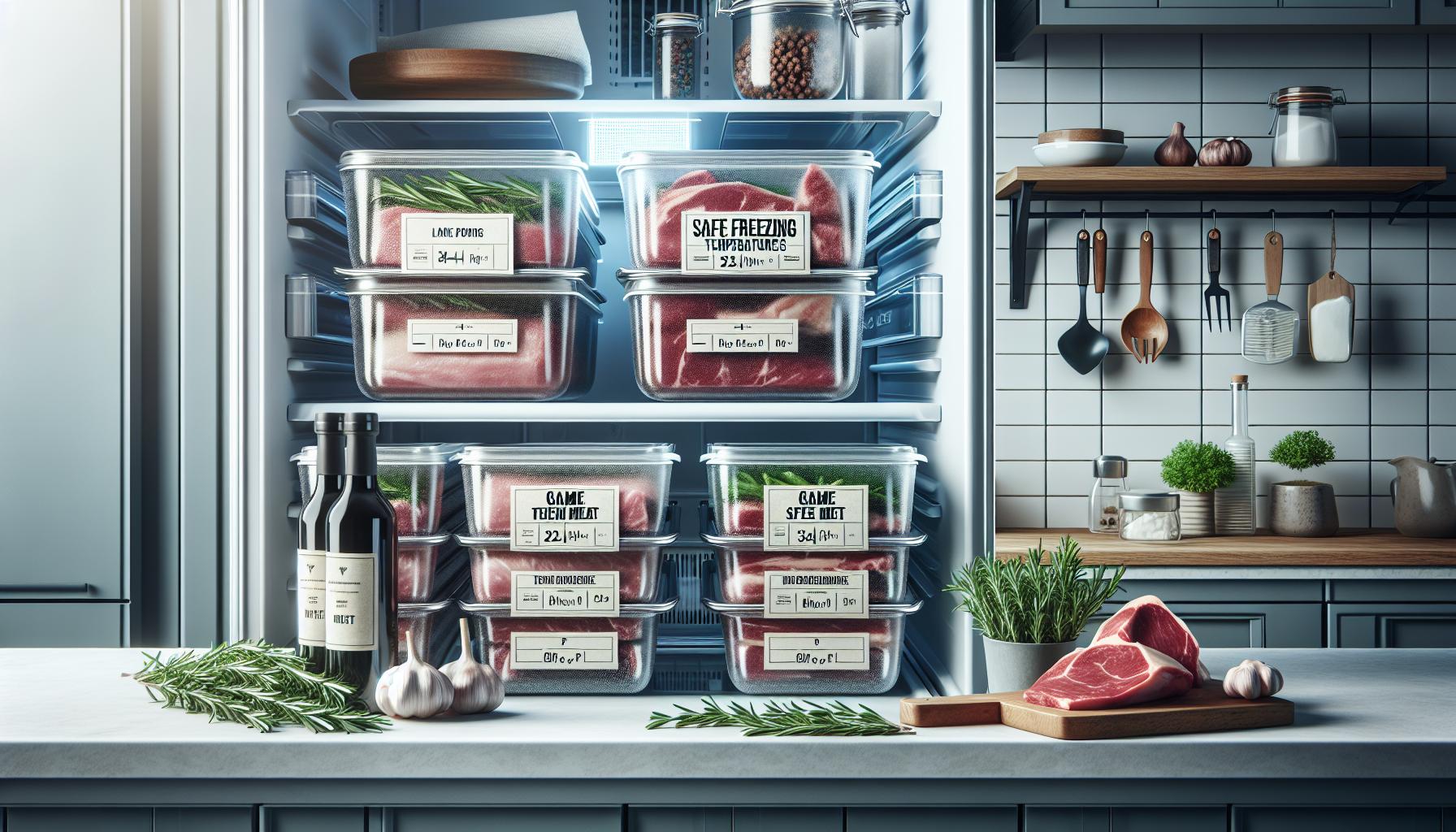
Maintaining the proper freezing temperature is crucial in preserving the quality and safety of deer meat. To ensure that your game meat remains fresh and flavorful, it should be stored at a constant temperature of 0°F (-18°C) or lower. At this temperature, the growth of harmful bacteria is effectively halted, and the meat can be preserved for extended periods without significant loss of taste or texture.
Achieving the ideal freezing environment requires vigilance. Here are some effective tips to help you maintain the necessary freezing conditions:
- Consistent Temperatures: Regularly check your freezer’s temperature using a reliable thermometer. A slight fluctuation above 0°F can compromise the integrity of the meat.
- Freezer Space: Avoid overstuffing your freezer. Proper airflow around items promotes even freezing and maintains a stable temperature throughout.
- Rapid Freezing: Freeze meat in smaller, flat packages. This not only reduces freezing time but also helps preserve the meat’s texture. A faster freezing process leads to smaller ice crystals, minimizing damage to the cellular structure.
In addition to temperature control, it’s essential to be aware of how long deer meat can be stored at these freezing temperatures. While it is generally acceptable for game meat to be kept for up to 12 months, specific cuts may fare better within a shorter time frame. For example, ground deer meat should ideally be consumed within 3 to 4 months to ensure the best possible flavor and quality.
By adhering to these storage guidelines and temperature recommendations, you can effectively preserve the taste and nutritional value of your deer meat, making it a delicious addition to your meals long after the hunting season ends.
Best Practices for Preparing Deer Meat for Freezing

To store deer meat effectively for long-term preservation, the preparation process is just as crucial as how you freeze it. Properly preparing the meat not only helps maintain its flavor and texture but also minimizes the risk of spoilage during the freezing period. A well-executed preparation strategy can be the difference between high-quality meals and disappointing results months later.
Start by ensuring that the meat is processed promptly after the hunt. The sooner you can get the deer meat chilled, the better it will taste once cooked. If possible, hang the meat in a cool, dry place to allow it to age for a few days; this can help enhance tenderness and flavor. However, ensure that it’s not left out in temperatures above 40°F (4°C) for extended periods, as this can promote bacterial growth.
Once you’re ready to prepare the meat for freezing, take the time to portion it appropriately. Cut the meat into meal-sized pieces, which will make it easier to thaw only what you need later without compromising the entire stash. Use sharp knives to create clean cuts; jagged edges can lead to increased freezer burn. Additionally, trim off any visible fat and sinew, as these tissues can affect the taste and lead to rancidity during storage.
When it comes to packaging, vacuum-sealing is the most effective option for preventing freezer burn. This method removes air from the package, significantly reducing the chance of oxygen exposure, which can cause flavor loss and freezer burn over time. If vacuum-sealing isn’t an option, use heavy-duty freezer bags and ensure that as much air as possible is removed before sealing. Label each package with the date and type of cut, so you can easily track how long it’s been in the freezer.
Overall, taking the time to properly prepare deer meat for freezing will not only enhance your culinary experience but also help ensure that the meat retains its quality during storage. By following these best practices, you can enjoy delicious, game-inspired meals long after the hunting season ends, knowing your hard work paid off in flavor and safety.
Identifying Signs of Freezer Burn in Deer Meat
Identifying the signs of freezer burn is essential for anyone looking to preserve deer meat effectively. Freezer burn occurs when moisture evaporates from the meat, leading to dry spots and a distinct change in texture and flavor. This can happen even in a well-packaged meal if it is stored for an extended period or if the packaging isn’t airtight.
One of the most notable indicators of freezer burn is the appearance of grayish-brown or white patches on the meat surface. These areas may appear dry or leathery, suggesting that the meat has lost moisture. While freezer-burned meat is not harmful to consume, its quality and taste can be significantly compromised. For example, cuts with extensive freezer burn can taste bland, tough, or develop off-flavors, diminishing the overall culinary experience.
To minimize freezer burn, ensure that deer meat is securely wrapped and air is removed from packaging methods, such as vacuum sealing. Well-sealed portions will generally last longer and maintain their quality better in the freezer. If you notice signs of freezer burn, you can trim away the affected areas before cooking; however, be aware that the flavor might not be as rich as expected.
When checking frozen meat, always remember that texture and color changes can indicate spoilage beyond freezer burn. If meat displays a sour smell or an unusual odor after thawing, it’s best to err on the side of caution and discard it. Regularly rotating your stock in the freezer can help keep track of how long meat has been stored and ensure that you consume it while it is still at its best. By staying vigilant about these signs, you can keep your deer meat tasting fresh and delicious.
How to Properly Thaw Frozen Deer Meat
To maintain the best quality and safety when consuming deer meat, proper thawing techniques are crucial. Thawing can have a significant impact on the texture and flavor of the meat, and incorrect methods may lead to food safety concerns. The most recommended method for safely thawing frozen deer meat is in the refrigerator. This method allows for even thawing, minimizing the risk of bacterial growth. Simply transfer the amount of meat you intend to use from the freezer to the refrigerator, and give it ample time to thaw-typically, small cuts can take 12 to 24 hours, while larger cuts may require 24 to 48 hours.
Another viable method is the cold water thawing technique, which is faster than the refrigerator method but requires more attention. Seal the meat in a leak-proof plastic bag and submerge it in cold water, changing the water every 30 minutes to maintain a safe temperature. This method can thaw smaller cuts in about an hour or less, but whole deer quarters or larger pieces may take several hours. It’s important to cook the meat immediately after thawing using this method to ensure safety.
Avoid thawing deer meat at room temperature, as this can encourage bacterial growth on the outer surface while the inside remains frozen. If you’ve inadvertently left meat out to thaw, check it thoroughly for any signs of spoilage such as an off smell or slimy texture, and err on the side of caution-it’s better to discard questionable meat than risk foodborne illness.
By prioritizing safe thawing practices, you can enjoy your game meat at its best while minimizing the risks associated with improper food handling.
Storage Tips to Maximize Deer Meat Freshness
To keep deer meat at its freshest while frozen, a few key practices can significantly enhance its quality and longevity. One vital tip is to always freeze deer meat at a constant temperature of 0°F (-18°C) or lower. This temperature halts bacterial growth and slows down enzymatic processes that can spoil your meat. If your freezer fluctuates in temperature, consider using an appliance thermometer to ensure it remains consistently cold.
When preparing deer meat for freezing, proper packaging is essential. Use heavy-duty freezer bags, vacuum sealers, or airtight containers to minimize exposure to air. Excess air can lead to freezer burn, which negatively impacts both texture and flavor. If using freezer bags, squeeze out as much air as possible before sealing. Label each package with the cut of meat and the date it was frozen, making it easier to monitor how long it has been stored.
To maximize freshness, it’s best to store deer meat in smaller, portion-sized packages. This approach allows for more efficient thawing and cooking, reducing waste. Aim to consume ground deer meat within 3 to 4 months, while roasts and steaks can last up to 6 to 12 months without a noticeable drop in quality. Regularly check stored meat for signs of freezer burn, such as dry, discolored patches, and know that while meat with freezer burn is safe to eat, it may not be as palatable.
Taking a bit of extra care in how you store deer meat can enhance your culinary experience, ensuring that every meal featuring this game remains delicious and safe.
Understanding the Shelf Life of Different Cuts
Understanding the varying shelf life of deer meat cuts can empower you to make the most of your game meat, ensuring delicious meals without waste. Generally, how long deer meat lasts in the freezer depends significantly on the cut. Although deer meat is known for its rich flavor and leanness, different sections of the animal can yield distinct storage times, which is crucial for meal planning and maintaining quality.
For ground deer meat, it’s best to consume it within 3 to 4 months of freezing. This tenderized and versatile meat is great for burgers, chili, or sauces, but its exposure to air can lead to quicker spoilage. Roasts and steaks, on the other hand, can maintain their quality in the freezer for a more extended period, typically 6 to 12 months. Cuts with more marbling and less exposure to air will also freeze better than those that are leaner. Understanding these timelines allows for effective rotation in your freezer, ensuring that you always cook and consume the freshest possible cuts.
Shelf Life by Cut
| Cut of Meat | Recommended Freezer Storage Time |
|---|---|
| Ground Deer Meat | 3 to 4 months |
| Steaks (e.g., loin, sirloin) | 6 to 12 months |
| Roasts | 6 to 12 months |
| Organ Meats (e.g., liver, heart) | 3 to 4 months |
It’s also noteworthy that cuts from younger deer generally have a slightly better texture and longer shelf life than those from older animals, due to less connective tissue. Always pack the meat securely and eliminate any potential air pockets to maximize quality. By understanding the shelf life of each cut, you can enjoy your harvest in various culinary applications while ensuring your game meat remains safe and delicious.
Vacuum Sealing vs. Traditional Storage Methods
When it comes to preserving the quality and flavor of deer meat, choosing the right storage method can make all the difference. Vacuum sealing has emerged as a popular technique for game hunters, due to its effectiveness in extending the meat’s shelf life while minimizing freezer burn. This method involves placing the meat in a plastic bag and removing the air before sealing, which reduces the chance of oxidation and freezer burn. With vacuum sealing, ground deer meat can last up to 12 months and cuts like steaks and roasts can stay fresh for 1 to 2 years.
In contrast, traditional storage methods like wrapping meat in plastic wrap or using freezer bags can be less effective. While these methods can still work satisfactorily for freezing deer meat for a few months, they do not eliminate air as thoroughly as vacuum sealing. Consequently, the risk of freezer burn increases, leading to potential loss of quality and flavor. Ground meat is particularly susceptible, as its larger surface area can cause it to deteriorate faster if not properly sealed.
Implementing vacuum sealing requires some equipment, but the investment pays off, especially for those who hunt regularly or want to store large quantities of meat. For those who prefer traditional methods, it’s essential to use high-quality freezer bags or wrap, squeeze out as much air as possible, and ensure the packages are sealed tightly. Regardless of the chosen method, always label your meat with the date and type to stay organized and consume it within recommended timeframes. By making informed storage choices, you ensure that your deer meat maintains its delicious flavors and textures for future meals.
Common Myths About Freezing Deer Meat
Freezing deer meat is a common practice among hunters and those looking to preserve their game for later use, yet myths surrounding this process can lead to confusion and poor storage habits. One prevalent misconception is that deer meat can be kept in the freezer indefinitely. In reality, while frozen deer meat remains safe to eat for an extended period, its quality diminishes over time. Ground deer meat is best consumed within 12 months, while larger cuts like steaks and roasts can maintain optimal flavor and texture for 1 to 2 years when properly stored.
Another myth is that all freezer bags are created equal. Many believe that simply placing meat in a standard plastic grocery bag will suffice. However, to maximize freshness and prevent freezer burn, it’s crucial to use high-quality freezer bags specifically designed for long-term storage. These bags are thicker and more durable, providing a better barrier against air and moisture. For superior results, vacuum sealing is recommended, as it eliminates excess air that can lead to harmful oxidation and freezer burn.
Some may also think that thawing deer meat at room temperature is acceptable. This practice can pose significant food safety risks, as it allows the surface of the meat to reach temperatures conducive to bacterial growth while the interior might still be frozen. The best method for thawing deer meat is to transfer it to the refrigerator, allowing it to defrost gradually at a safe temperature. Alternatively, using cold water or a microwave can expedite the process, provided the meat is cooked immediately after.
Lastly, many assume that aging deer meat before freezing enhances its flavor. While some hunters do age venison to improve tenderness and taste before cooking, this process doesn’t apply once the meat is frozen. Aging should occur in a controlled, cool environment before the freeze, as once the meat is frozen, those flavor-enhancing processes cease. By dispelling these myths, hunters can make informed decisions that ensure the preservation of their deer meat’s quality and safety.
The Importance of Proper Labeling and Dating
Proper labeling and dating of deer meat before freezing is essential for maintaining quality and ensuring food safety. When stored in the freezer, meats can easily become confused with other items or forgotten altogether, leading to potential spoilage and waste. By clearly labeling each package with the type of meat and the date it was frozen, you can track how long it has been stored and make informed decisions about when to use it. This practice not only helps in planning meals but also prevents the risk of consuming meat that may have lost quality over time.
Using waterproof markers or labels designed for freezer use is the best way to ensure longevity and legibility. Include the following information on each label:
- Date: This allows you to keep track of storage times and prioritize consumption.
- Type of cut: Mention whether it’s ground, steak, or roast, as different cuts have varying optimal storage durations.
- Preparation state: Indicate if the meat has been marinated or seasoned, as this may affect flavor over time.
For optimal quality, consider the general guidelines for how long each type of deer meat should be kept in the freezer. Ground venison is best used within 12 months, while larger cuts like roasts or steaks are ideal within 1 to 2 years. Following these guidelines and maintaining organized freezer practices will contribute to a more enjoyable cooking experience, allowing you to savor the fruits of your hunting efforts without compromising flavor or safety.
Lastly, proper dating is also vital for safety-frozen meat can remain safe to eat indefinitely, but its taste and texture diminish. By ensuring that labels are legible and regularly checking the contents, you can maintain a well-organized freezer and enjoy your deer meat at its peak quality. This proactive approach not only preserves the integrity of the meat but also fosters a sustainable attitude towards your harvest, reducing waste and enhancing your culinary repertoire.
Creative Recipes Using Frozen Deer Meat
When it comes to utilizing frozen deer meat, the culinary possibilities are as rich as the flavors inherent in this game meat. With proper storage and preparation techniques, deer meat can maintain its quality over time, making it an excellent protein source for various delicious dishes. Here are some creative recipes that showcase how versatile frozen deer meat can be.
Hearty Venison Stew
A classic dish to warm you up, venison stew is perfect for colder months. Start by thawing your frozen venison chunks in the refrigerator. Once thawed, brown the meat in a pot with a bit of oil to enhance its flavor. Add diced onions, carrots, and potatoes, along with garlic and herbs like thyme and rosemary. Pour in some beef or vegetable broth, bring it to a simmer, and let it cook for at least an hour until the meat is tender. Serve this stew with crusty bread for a comforting meal.
Grilled Venison Steaks
For those who enjoy outdoor cooking, marinated venison steaks offer a delightful option. Thaw your steaks and marinate them overnight in a mixture of olive oil, soy sauce, garlic, and your choice of herbs. When ready to cook, preheat your grill and sear the steaks over high heat. Aim for medium rare by grilling each side for about 3-5 minutes depending on thickness. Let them rest for a few minutes before slicing against the grain for tender, juicy bites.
Ground Venison Tacos
Frozen ground venison is incredibly versatile and can be transformed into tasty tacos. Simply thaw the meat, then sauté it in a pan with onions and taco seasoning until fully cooked. Serve in taco shells topped with your favorite fixings, like lettuce, diced tomatoes, and avocado. This dish offers a fun and interactive meal option, making it a hit for gatherings.
Venison Chili
Another fantastic way to use frozen deer meat is in chili. Thaw the ground venison and cook it in a large pot until browned. Add in kidney beans, canned tomatoes, bell peppers, and chili powder to taste. Let it simmer for at least 30 minutes to meld the flavors. This dish is not only hearty and fulfilling but also freezes well for future meals.
By creatively utilizing frozen deer meat, you can enjoy its distinctive flavor while ensuring food safety through proper thawing and cooking methods. Whether you opt for a classic stew, flavorful steaks, or exciting tacos, these recipes are sure to impress and satisfy.
Frequently Asked Questions
Q: How should I prepare deer meat for freezing to ensure the best quality?
A: To prepare deer meat for freezing, trim excess fat and silver skin, cut into meal-sized portions, and wrap tightly in freezer paper or vacuum seal. Removing as much air as possible prevents freezer burn and preserves flavor. Refer to the “Best Practices for Preparing Deer Meat for Freezing” section for detailed guidance.
Q: Is it safe to eat deer meat that has been frozen for over a year?
A: While deer meat can remain safe to eat indefinitely when frozen, its quality may decline after a year. For the best taste and texture, consume within 6 to 12 months. Consult the “Understanding the Shelf Life of Different Cuts” section for more specific storage times.
Q: What are the signs that frozen deer meat has gone bad?
A: Signs that frozen deer meat may be spoiled include discoloration, off odors, and the presence of frost or ice crystals (indicating freezer burn). Always check for these signs before cooking. See the section on “Identifying Signs of Freezer Burn in Deer Meat” for more details.
Q: Can I refreeze deer meat after it has been thawed?
A: Yes, you can refreeze deer meat if it was thawed in the refrigerator and has not been left out at room temperature. Ensure it’s safe by checking for any off smells or textures. For tips on thawing, refer to the section “How to Properly Thaw Frozen Deer Meat.”
Q: What is the best method for thawing deer meat safely?
A: The safest method for thawing deer meat is to place it in the refrigerator for several hours or overnight. This keeps the meat at a safe temperature. For quick thawing, you can submerge sealed packages in cold water, changing the water every 30 minutes.
Q: Does vacuum sealing deer meat improve its freezer life?
A: Yes, vacuum sealing considerably enhances the freezer life of deer meat by preventing freezer burn and maintaining flavor. It can last up to two to three years when vacuum-sealed compared to one year with traditional wrapping.
Q: Should I season deer meat before freezing it?
A: It’s best to freeze deer meat unseasoned to maintain its natural flavor. However, you can marinate it for added flavor before cooking. For more information on preparing and storing, see the sections covering “Best Practices” and “Creative Recipes Using Frozen Deer Meat.”
Q: What temperature should my freezer be to store deer meat effectively?
A: Your freezer should be set to 0°F (-18°C) or lower to effectively preserve deer meat. This temperature stops bacterial growth and maintains the quality of the meat. For safe freezing temperatures, check the “Safe Freezing Temperatures for Game Meat” section.
In Summary
Properly storing deer meat not only preserves its flavor but ensures your meals are safe and enjoyable. With the right techniques, you can keep your venison in the freezer for up to a year. Remember to wrap your meat tightly to prevent freezer burn and label it with the date for easy tracking. If you’re eager to make the most of your game, explore our guides on the best cooking methods and marinating tips to elevate your venison dishes.
Ready to dive deeper? Check out our articles on “Safe Thawing Techniques for Frozen Game Meat” and “Best Marinade Recipes for Wild Game” to expand your culinary skills. Don’t forget to subscribe to our newsletter for more expert tips and seasonal recipes! Your perfect deer meat experience starts with informed choices-a commitment to safety, flavor, and preservation. Join the community of enthusiasts enjoying the best of their harvest and share your experiences below!