


Have you ever wondered how long those delectable crab legs can last in your fridge before they spoil? Maintaining the quality and safety of seafood is crucial, especially when dealing with delicate items like crab legs. Improper storage can lead to waste and potential foodborne illnesses, sparking concerns for both your health and your wallet.
In this guide, we’ll delve into the safe storage times for crab legs, offering you simple tips to keep them fresh and delicious. Understanding the science behind seafood storage can help you enjoy your crab legs at their best without the worry of spoilage. So, let’s explore how you can maximize the life of this prized delicacy and ensure every meal is a safe and satisfying experience.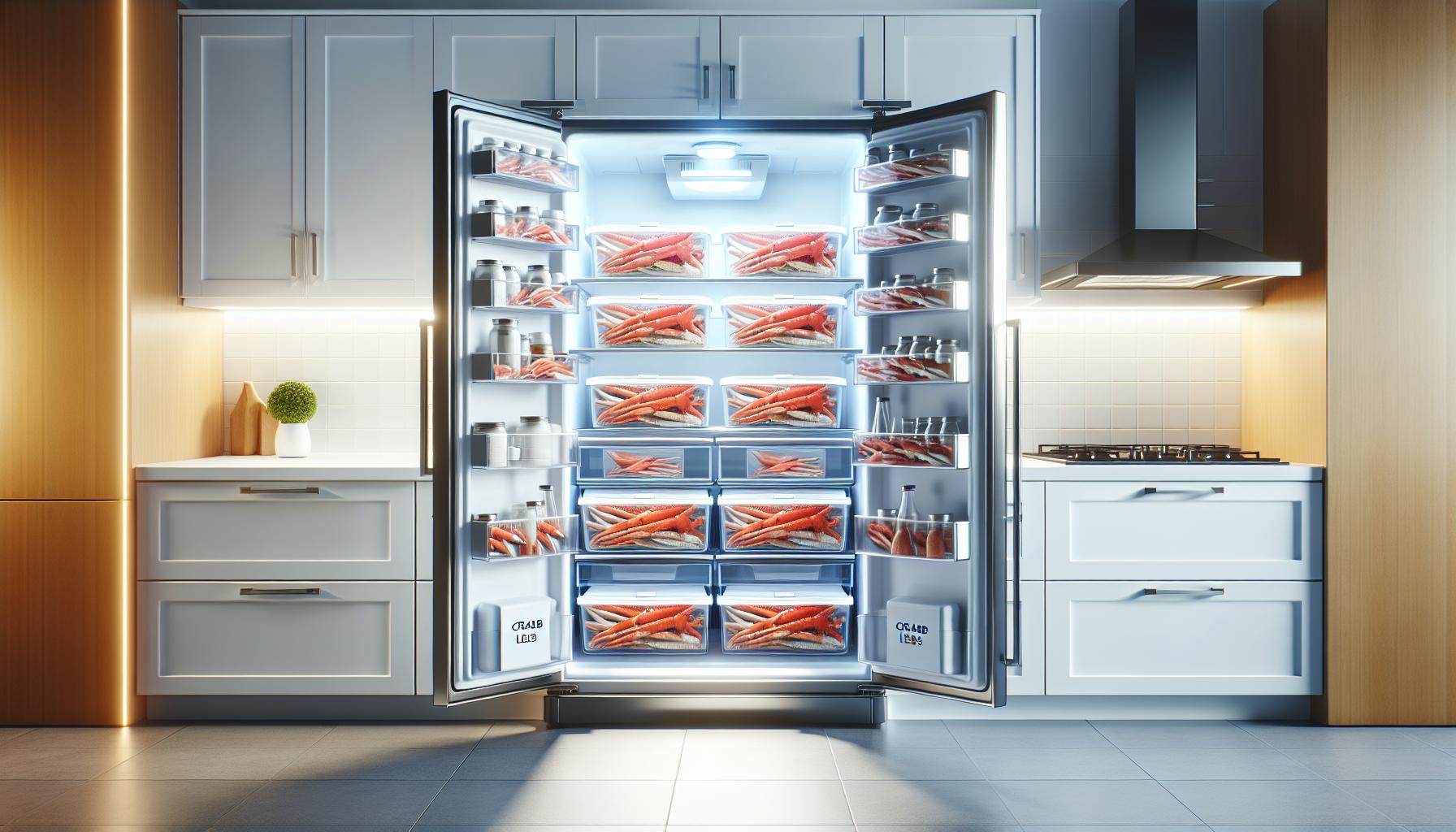
How Long Can You Store Crab Legs in the Fridge?
Crab legs are a delightful seafood treat, but maintaining their freshness and safety requires proper storage practices. In the fridge, you can store cooked crab legs for up to 3-4 days. For raw crab legs, the window is shorter: typically, they should be consumed within 1-2 days. The key to maximizing freshness lies not just in the time they spend in the refrigerator, but also in how they are stored.
To ensure safety and flavor, place the crab legs in an airtight container or tightly wrap them in plastic wrap or aluminum foil. This helps prevent exposure to air, which can lead to spoilage and deterioration of quality. Additionally, it’s beneficial to store them on a plate covered with a damp paper towel, as this will help retain moisture and prevent them from drying out. Always remember to keep your fridge at or below 40°F (4°C) to maintain optimal conditions for seafood storage.
If you’ve gone beyond the recommended storage period or have any doubts about their freshness, it’s best to err on the side of caution. Spoiled crab legs can pose health risks, so make it a rule to check for off-odors or changes in color and texture before consuming. Being vigilant not only keeps your meals enjoyable but also ensures food safety for you and your loved ones.
Signs Your Crab Legs Have Spoiled
When it comes to enjoying crab legs, freshness is key. Nothing ruins a seafood feast faster than realizing your crab legs have spoiled. Knowing the signs of spoilage can save you from an unpleasant and potentially unsafe meal, ensuring you only enjoy the best seafood experience. Spoiled crab legs might carry a strong odor that is distinctly unappetizing; think of a pungent, sour smell reminiscent of ammonia. If your crab legs emit this type of scent, it’s a clear indicator that they have gone bad and should be discarded.
Visual cues can also help you determine the freshness of your crab legs. Look for changes in color-fresh crab legs should have a vibrant hue, while spoiled ones may appear dull or have dark spots. The texture is another critical factor; if the meat feels slimy or sticky, it’s a sure sign that bacteria have begun to develop. Additionally, observe the shells: they should be intact and resilient, not brittle or cracked. If your crab legs show any signs of abnormal texture or appearance, it’s best to err on the side of caution and throw them out.
For those who may be unsure, a quick taste test can also be revealing. However, this should only be considered if you have not detected any of the aforementioned signs. A fresh crab leg should yield a sweet, briny flavor reminiscent of the ocean; any harsh or off-tastes are red flags. Always trust your senses when assessing food freshness, as they can often tell you more than dates on packaging.
In summary, safeguarding your health involves being vigilant about the signs of spoilage. Rely on these indicators-odor, color, texture, and taste-to make informed choices about your crab legs. If you spot any warning signs, don’t hesitate to dispose of them. The health risks associated with consuming spoiled seafood are not worth the risk. Remember, maintaining proper storage conditions and enjoying crab legs within the recommended timeframe ensures your seafood remains a delightful treat.
Best Practices for Storing Crab Legs
Properly storing crab legs is essential to maintain their quality and safety. When stored correctly, crab legs can last in the refrigerator for 3 to 5 days. To ensure they stay as fresh as possible, follow these best practices:
First and foremost, always store crab legs in the coldest part of your refrigerator, ideally at a temperature of 32°F to 34°F (0°C to 1°C). For optimal storage, keep them in their original packaging if it’s sealed tightly. If the packaging is open, transfer the crab legs to a leak-proof container or wrap them in plastic wrap and foil to minimize air exposure, which can lead to faster spoilage.
Use Ice for Extended Freshness
For an added layer of freshness, you can place the wrapped crab legs in a bowl or container of ice. This method helps to maintain a low temperature around the crab, slowing down bacterial growth and keeping the meat firm. Remember to regularly drain any melted water and replenish the ice to keep the temperature consistent.
Labeling and Organization
It’s also wise to label containers with the storage date. This practice can help you track how long the crab legs have been stored, ensuring you use them within the recommended timeframe. If there’s any doubt about their freshness, remember that it’s always safer to err on the side of caution.
Avoid Cross-Contamination
To prevent cross-contamination, keep crab legs separate from other foods, especially raw meat and poultry. Use dedicated containers for seafood and regularly clean the surfaces and utensils that come into contact with them.
By adhering to these guidelines, you can enjoy flavorful and safe crab legs, maximizing your seafood dining experience while minimizing waste.
Tips for Freezing Crab Legs for Longevity
Freezing crab legs is an excellent way to extend their shelf life beyond the typical refrigerator storage of 3 to 5 days. With the right techniques, you can preserve the sweetness and tenderness of crab meat for up to six months in a freezer, ensuring you can enjoy your seafood cravings any time you desire.
To begin, it’s essential to prepare the crab legs correctly before freezing. Start by rinsing them under cold water and patting them dry with a paper towel. Then, wrap the crab legs tightly in plastic wrap to minimize air exposure, which can cause freezer burn. For added protection, place the wrapped legs in a heavy-duty freezer bag or an airtight container. Remember to remove as much air as possible before sealing the bags-using a straw to suck out excess air or employing a vacuum sealer can be especially effective.
When it comes to freezing, temperature plays a critical role. Set your freezer temperature to 0°F (-18°C) or lower. Keeping crab legs frozen at this temperature not only prevents bacterial growth but also preserves their texture and flavor. Be sure to label your packages with the freeze date, so you can keep track of how long they’ve been stored without constantly checking them.
When you’re ready to use your frozen crab legs, avoid refreezing them once thawed. For the safest thawing method, transfer the crab legs from the freezer to the refrigerator, allowing them to thaw gradually over several hours or overnight. This method helps maintain their quality and safety. If you’re short on time, you can also submerge them in cold water, changing the water every 30 minutes until they’re thawed. Following these steps will help you savor delicious crab legs any time, without losing the quality that makes them a treat.
How to Reheat Crab Legs Safely
When you’re ready to indulge in leftover crab legs, the key is to reheat them in a way that preserves their delicate flavor and tender texture. Proper reheating not only ensures deliciousness but also guarantees food safety, so it’s crucial to proceed with the right methods. Here are several effective techniques to warm up your crab legs safely and deliciously.
One of the best methods to reheat crab legs is by steaming them. To do this, fill a pot with about an inch of water and bring it to a boiling point. Place a steaming basket or a colander over the pot, ensuring it does not touch the water. Arrange the crab legs in the basket, cover, and steam for about 5 to 7 minutes. This method helps to gently warm the meat without drying it out, maintaining that coveted sweet and juicy texture.
Alternatively, you can use your oven to reheat crab legs. Preheat it to 350°F (175°C), then wrap the legs in aluminum foil to retain moisture and heat them for about 10 to 15 minutes. This method is particularly useful if you have a larger batch, as it allows for even heating without excess moisture loss.
For those who prefer a quicker option, the microwave can also be employed, though it’s essential to proceed with caution to avoid overcooking. Place the crab legs in a microwave-safe dish, add a splash of water, and cover the dish with a microwave-safe lid or plastic wrap. Heat on medium power for about 2 to 3 minutes, checking frequently until they are heated through. Remember that microwaves can create hot spots, so stir the legs halfway through for even reheating.
Regardless of which reheating method you choose, it’s essential to ensure that the internal temperature of the crab meat reaches at least 165°F (74°C) to confirm it is safe to eat. This precaution not only enhances your crab dining experience but also provides peace of mind about food safety. Enjoy your crab legs while they’re fresh and delectably warm!
Health Risks of Eating Spoiled Crab
Consuming spoiled crab can pose significant health risks, potentially leading to foodborne illnesses that may require medical attention. One of the primary dangers associated with spoiled crab legs stems from the growth of harmful bacteria, such as Vibrio and Listeria, which can flourish if the crab is stored improperly or kept beyond its safe consumption period. When crab legs are not refrigerated at the correct temperature or are stored for too long-generally more than 3 to 5 days-they can become breeding grounds for these pathogens.
Symptoms of food poisoning from spoiled seafood include nausea, vomiting, diarrhea, abdominal cramps, and fever. Depending on the individual’s health and the severity of the contamination, these symptoms can range from mild discomfort to severe illness. In some cases, particularly for vulnerable populations such as the elderly, pregnant women, or individuals with compromised immune systems, the consequences can be more severe, requiring hospitalization.
To minimize risk, always inspect crab legs before consumption. Signs of spoilage include an unpleasant odor, discoloration, or a slimy texture. If any of these indicators are present, it’s essential to err on the side of caution and discard the crab. Additionally, maintaining optimal storage conditions is crucial. Store crab legs in the refrigerator at temperatures below 40°F (4°C) and consume them within the recommended timeframe.
Understanding the potential hazards associated with spoiled crab can help you make informed decisions and ensure your seafood meals are not only delicious but also safe. Furthermore, practicing proper food safety measures, such as labeling your seafood with the purchase or preparation date, can be a simple but effective way to avoid consuming spoiled products in the future.
Comparing Fresh vs. Cooked Crab Legs Storage
Fresh and cooked crab legs have different storage requirements and durations for optimal quality and safety. When you’re deciding how to store these delicacies, it’s important to keep in mind that fresh crab legs, ideally purchased from a reputable source, can generally be kept in the refrigerator for about 1 to 2 days. However, for cooked crab legs, the storage duration is slightly longer-typically, they remain safe to consume for about 3 to 5 days. This difference arises from the cooking process, which helps eliminate some bacteria and slows spoilage.
To ensure the utmost freshness, fresh crab legs should be stored in a breathable container, like a paper bag or a container that allows airflow, ideally packed in ice or at the coldest part of the fridge. This method prevents moisture build-up, which can accelerate spoilage. On the other hand, cooked crab legs should be placed in a tightly sealed container to avoid cross-contamination and drying out. Using airtight containers or vacuum sealing is highly recommended for cooked crab legs, as this can extend their shelf life and maintain juicy flavor.
It is also important to note the signs of spoilage between fresh and cooked crab legs. Fresh crab may exhibit telltale signs of deterioration like a strong fishy odor or slimy texture. In contrast, cooked crab legs could develop an off smell or hard texture. Always err on the side of caution; if you notice any signs of spoilage for either, it’s best to discard them to avoid potential health risks.
Understanding these distinctions in storage practices not only helps maintain the delicious taste of crab legs but also ensures food safety, keeping your seafood experience enjoyable and risk-free.
Extending Shelf Life: Marinades and Techniques
To maximize the shelf life of crab legs and keep them tasting their best, using marinades and specific techniques can work wonders. One of the simplest methods to extend the freshness and enhance flavors is employing an acid-based marinade. Marinating crab legs in citrus juices, like lemon or lime, can help tenderize the meat while also infusing it with bright flavors that complement its natural sweetness. Furthermore, the acidic environment provides a barrier against bacteria, aiding in preservation.
For those who prefer an even more flavorful option, try a marinade that includes herbs, garlic, and olive oil. This blend not only extends the shelf life by imparting moisture but also enhances the overall taste profile of the crab. When using a marinade, ensure that the crab legs are fully submerged for optimal absorption, and preferably store them in an airtight container, which can keep them from drying out and help prevent oxidation that contributes to spoilage.
Even with these marinades, it’s essential to adhere to recommended storage timelines. Fresh crab legs should ideally be consumed within 1-2 days, but by using marinades, you may prolong this to about 3 days, while still ensuring food safety. If you are looking for longer-term storage, consider vacuum sealing marinated crab legs before freezing them. This method not only preserves them for up to 3 months but also locks in the delicious flavors of your marinade.
To further prevent spoilage, always store crab legs at a consistent refrigerator temperature of 32°F to 38°F. Fluctuating temperatures can accelerate bacterial growth and degrade quality, rendering your storage efforts ineffective. By following these techniques and storing crab legs properly, you can enjoy this seafood delight longer while maintaining its deliciousness and safety.
The Impact of Storage Temperature on Crab Legs
Maintaining the ideal storage temperature for crab legs is crucial to preserving their flavor and ensuring food safety. Crab legs are highly perishable items that can spoil quickly if not kept at the right temperature. Refrigeration plays a significant role in extending their freshness; the optimal range for storing crab legs is between 32°F and 38°F (0°C to 3°C). At temperatures above this range, the risk of bacterial growth increases significantly, leading to spoilage and potential foodborne illnesses.
In practice, even a small fluctuation in refrigerator temperature can have adverse effects on the quality of crab legs. For instance, if the refrigerator warms to around 40°F (4°C), the shelf life of crab legs diminishes from a recommended 1-2 days to potentially just a few hours. To mitigate this risk, regularly check the temperature of your refrigerator with a reliable thermometer and ensure that it maintains a consistent environment. Regular cleaning and proper air circulation within your fridge will also help maintain even cooling.
When crab legs are exposed to warmer temperatures outside of refrigeration for extended periods, the meat can quickly lose its texture and flavor, resulting in a subpar culinary experience. If crab legs have been left out for more than two hours at room temperature, it’s safer to discard them. As an additional measure, consider using ice packs or insulated containers if transporting crab legs or during events where they might be stored outside the refrigerator. Adhering to these guidelines not only keeps the crab legs safe to eat but also ensures that every bite is as delightful as intended.
Best Containers for Storing Crab Legs
Choosing the right container for storing crab legs is essential to maintain their freshness and flavor. Crab legs, being highly perishable, require containers that not only seal well but also allow for proper ventilation if necessary. The best choice is often a combination of airtight and breathable materials. Here are some effective options to consider:
- Airtight Plastic Containers: These are ideal for refrigerated storage, as they prevent moisture loss and keep odors at bay. Make sure the containers are food-safe and big enough to hold the crab legs without overcrowding, which can lead to crushing.
- Vacuum-Sealed Bags: If you plan to store crab legs for an extended period, vacuum sealing is one of the best methods. Removing air helps to prevent freezer burn and extends the shelf life significantly. Just ensure you use bags designed for vacuum sealing to provide a proper seal.
- Glass Containers with Lids: Glass containers are excellent for both storage in the fridge and reheating, as they are non-toxic and do not absorb odors. Choose containers with tight-fitting lids to maintain freshness. However, store them carefully to avoid breakage.
- Thermal Insulated Bags: If transporting crab legs, especially during warm weather, use insulated bags with ice packs. This helps maintain the ideal temperature and prevents the crab legs from warming up too quickly.
One key point to remember is to store crab legs in the coldest part of your refrigerator, preferably in the crisper drawer, to further extend their freshness. Always label containers with the date of storage to keep track of how long they’ve been kept. Proper storage not only enhances the longevity of crab legs but ensures that they remain safe and tasty when you’re ready to enjoy them.
When to Dispose of Old Crab Legs
Properly disposing of crab legs that have outlived their storage period is crucial for ensuring both safety and quality. Crab legs, whether raw or cooked, should ideally be consumed within 1 to 2 days if stored in the refrigerator. If they exceed this timeframe, they might pose health risks due to bacterial growth or spoilage. Hence, it’s essential to know when these delicious seafood delicacies need to be tossed out.
The first sign to look for is any offensive odor. Fresh crab should have a mild, briny fragrance. If the legs emit a strong, sour, or ammonia-like smell, it’s a clear indication they have spoiled. Additionally, inspect the texture; fresh crab meat should be firm and moist. If you notice it becoming mushy or slimy, it’s time to say goodbye. Visual cues are also important: if you see discoloration, such as dullness or gray spots, these are signs that the quality has significantly diminished.
If crab legs have been stored beyond the recommended duration (generally 3 to 4 days in the fridge if cooked), it’s safer to err on the side of caution and discard them. Freezing can extend their life, usually up to 6 months, but once thawed, they should be eaten within a couple of days.
In summary, when assessing crab legs for disposal, trust your senses: smell, touch, and sight are your best guides. If anything seems off, it’s better to be safe than sorry. Regularly check your stored crab legs and keep note of their storage duration to prevent any unnecessary risks to your health.
Common Mistakes in Storing Seafood
Storing seafood properly can make the difference between a delightful meal and a health hazard. Many people unknowingly make mistakes that compromise the freshness and safety of crab legs and other seafood. Understanding these common pitfalls will help ensure your crab legs remain safe and enjoyable to eat.
One prevalent mistake is not checking the temperature of the refrigerator. Seafood, including crab legs, should ideally be stored at or below 32°F (0°C) to maintain freshness. If your fridge is too warm, bacterial growth will accelerate, increasing the risk of spoilage. To prevent this, use a refrigerator thermometer to ensure it’s set to the correct temperature, and keep an eye on it regularly.
Another common error is leaving seafood in its original store packaging. While this packaging may be suitable for transportation, it often doesn’t provide a tight seal that prevents exposure to air, which can lead to freezer burn or spoilage. Instead, rewrap crab legs in plastic wrap or aluminum foil, and store them in an airtight container or vacuum-sealed bag to minimize exposure to oxygen and moisture. This simple step can significantly extend the shelf life of your crab legs.
Lastly, many people overlook the importance of labeling and dating stored seafood. When freezing crab legs, it’s easy to forget when they were placed in the freezer. By labeling each package with the date of storage, you can easily track how long they’ve been stored and ensure they’re consumed within the recommended timeframe of 6 months. This practice not only helps prevent food waste but also safeguards your health by ensuring you don’t eat seafood that’s been stored too long.
By avoiding these common mistakes-ensuring the correct storage temperature, using proper packaging, and keeping track of dates-you can significantly improve the quality and safety of your stored crab legs. Enjoy your seafood with confidence, knowing you’ve taken the necessary steps to keep it fresh.
Frequently Asked Questions
Q: How can I tell if crab legs are bad?
A: You can tell if crab legs are bad by checking for a strong, sour smell, discoloration, or a slimy texture. If they have any off-putting odors or textures, it’s best to discard them to avoid health risks.
Q: What is the best temperature to store crab legs in the fridge?
A: The ideal temperature to store crab legs in the fridge is between 32°F to 40°F (0°C to 4°C). Keeping them within this range helps maintain their freshness and safety for consumption.
Q: Can I eat crab legs after the sell-by date?
A: While crab legs may still be safe to eat after the sell-by date if properly stored, always check for signs of spoilage. It’s best to err on the side of caution and dispose of any questionable seafood to avoid health risks.
Q: How long can you keep cooked crab legs in the fridge?
A: Cooked crab legs can be safely stored in the fridge for up to 3-5 days. Make sure to place them in an airtight container to maintain their quality and prevent spoilage.
Q: Is it better to freeze crab legs raw or cooked?
A: It is generally better to freeze crab legs raw to preserve their flavor and texture. Raw crab legs can last up to 6 months in the freezer, while cooked ones should ideally be used within 3 months for best quality.
Q: Can you store crab legs in a vacuum-sealed bag?
A: Yes, vacuum-sealing crab legs is an excellent way to extend their shelf life. This method removes air, preventing freezer burn and keeping the legs fresh for up to 12 months in the freezer.
Q: What can I do if I accidentally left crab legs out overnight?
A: If crab legs have been left out at room temperature for more than 2 hours, it’s safest to discard them. Bacteria can grow rapidly at room temperature, posing a risk to health.
Q: How should I thaw frozen crab legs?
A: To safely thaw frozen crab legs, place them in the refrigerator overnight. For quicker thawing, submerge them in cold water, changing the water every 30 minutes. Avoid thawing at room temperature to reduce the risk of bacteria growth.
Key Takeaways
To keep your crab legs fresh and safe to eat, remember they typically last 3-5 days in the fridge after cooking. Always store them in an airtight container to maintain their quality. If you have any doubts about their freshness, it’s better to err on the side of caution. For more on seafood preservation, check out our articles on “Ultimate Crab Storage Guide” and “How to Tell If Seafood Has Gone Bad.”
Ready to elevate your seafood game? Explore our delicious crab recipes and tips for perfecting your crab dishes! Don’t miss out-subscribe to our newsletter for the latest updates and expert advice. If you have any questions or personal tips to share, leave a comment below; we love hearing from fellow seafood enthusiasts! Remember, proper storage is key to enjoying your crab legs at their best-let’s keep the flavor intact!


